


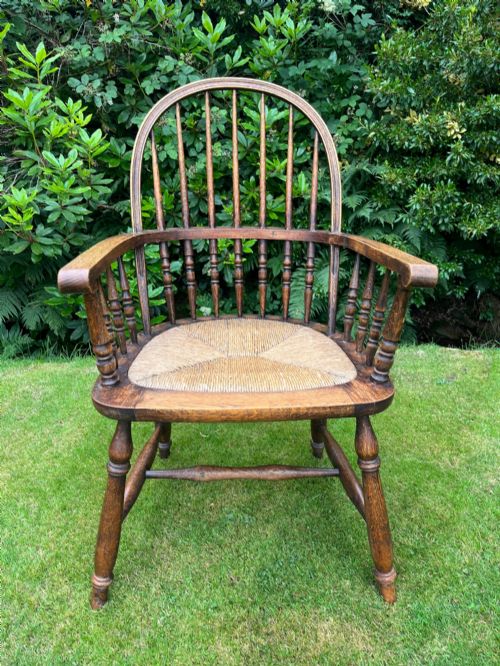
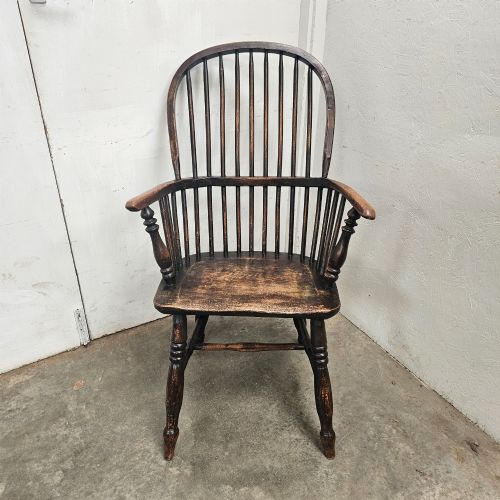
Traditional English Elbow Chair
A traditional english elbow chair offers sturdy country comfort, combining vernacular craftsmanship with generous proportions for practical everyday seating.
Traditional English Elbow Chair
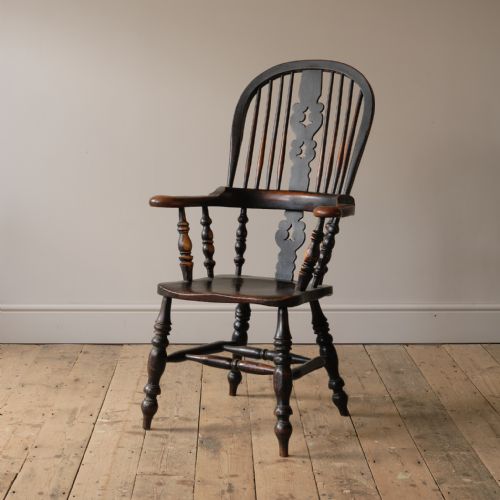
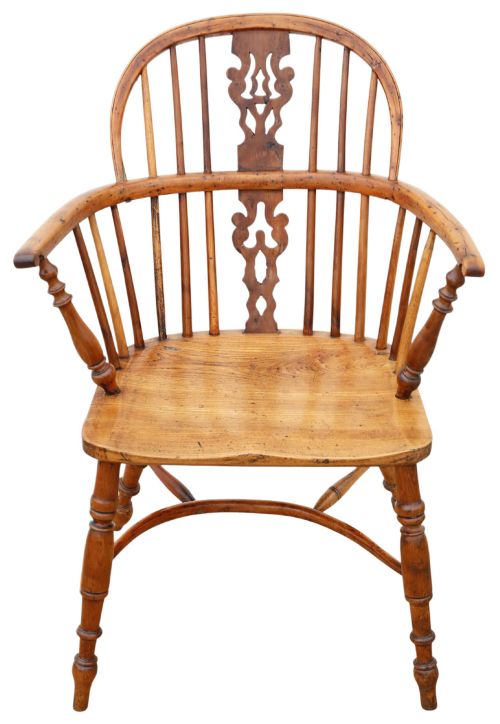
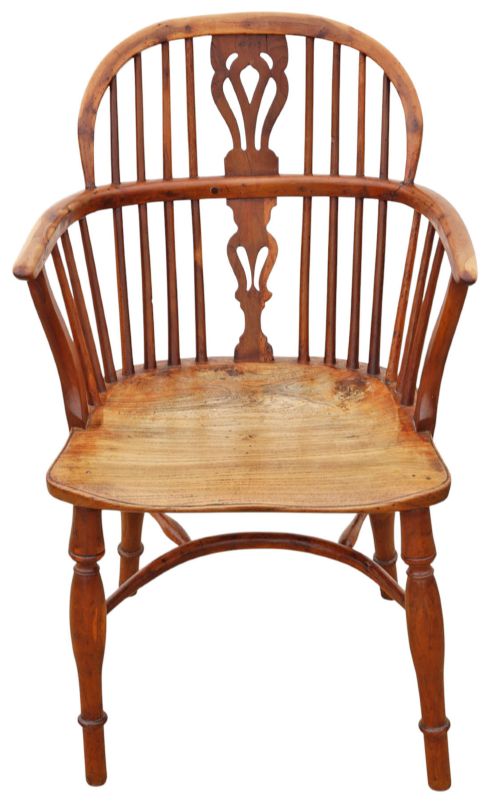
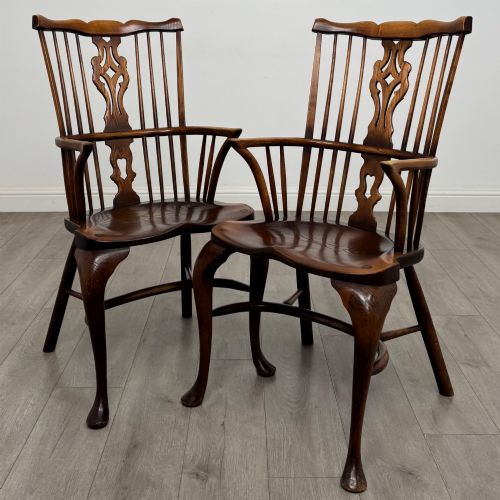
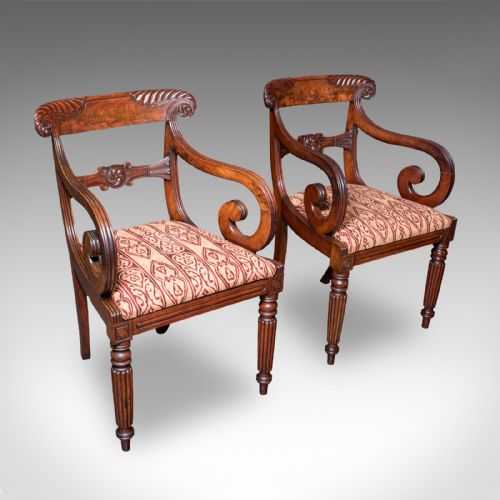
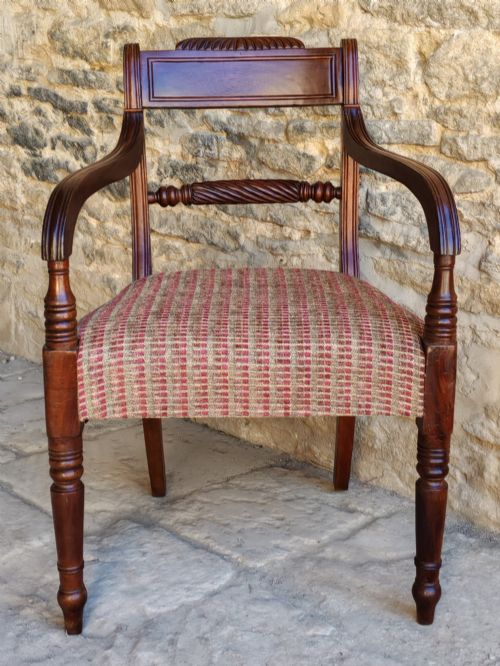
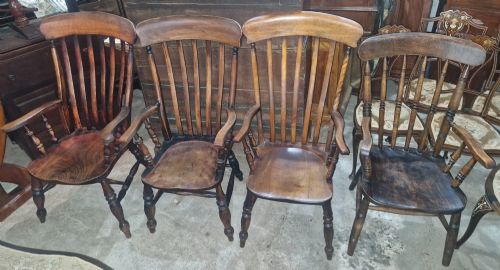
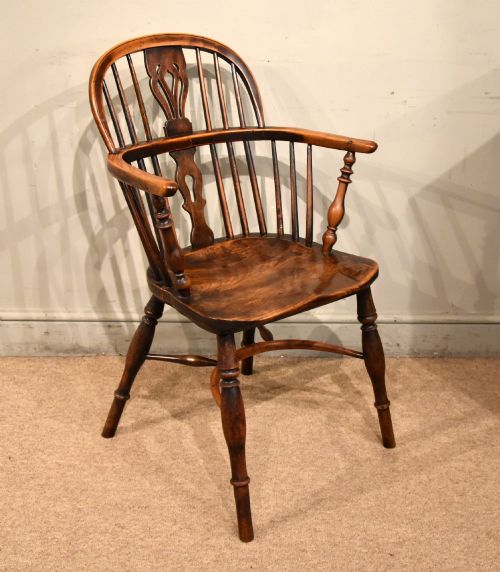
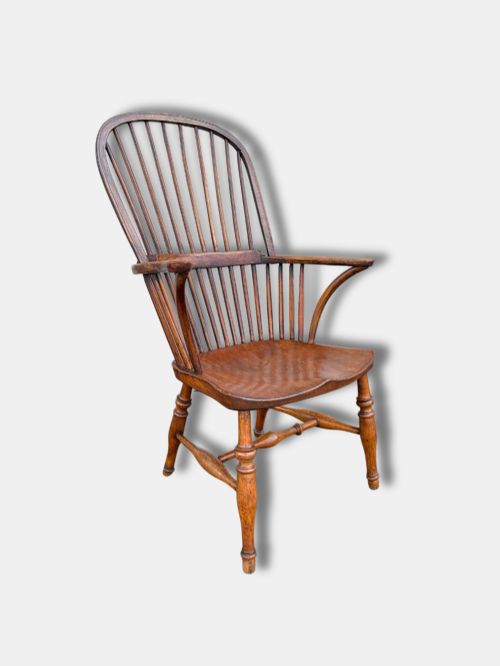
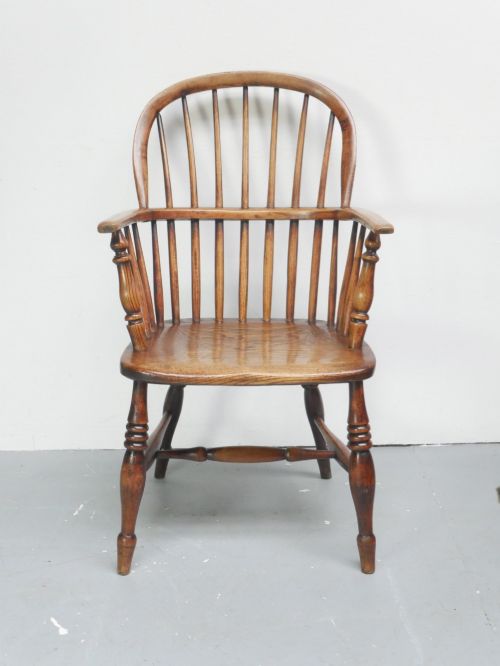
A traditional english elbow chair encompasses robust vernacular seating designed for country houses, farmhouses, and domestic parlours across the eighteenth, nineteenth, and early twentieth centuries. These seats appear predominantly as Windsor armchairs, smokers bows, and captain chairs, utilising regional English workshop traditions.
Materials and Construction
Timbers are selected for specific structural properties, pairing elm seats with ash spindles and yew or fruitwood frames to withstand daily stress. Cabinetmakers and bodgers turned green wood on pole lathes, shaping spindles and legs to fit bored seats securely.
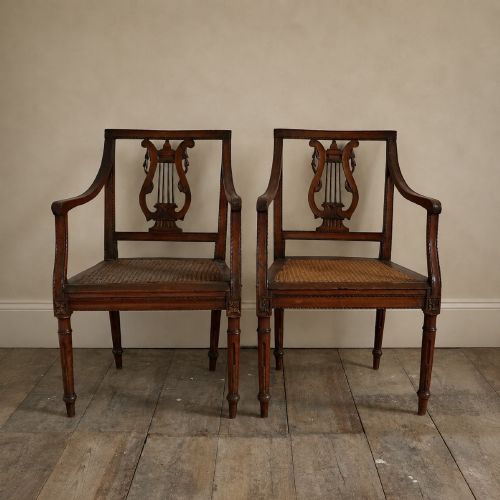
Construction methods utilise traditional joints such as wedged tenons and steam-bent wooden bows, complemented occasionally by rush seating or cane panels. Surfaces develop natural patination through decades of wax polishing and handling.
Listings feature eighteenth, nineteenth, and early twentieth-century periods, spanning Georgian, Victorian, and Edwardian eras.
The Measure of Craft
Quality rests upon timber selection, particularly the choice of figured yew or burr elm backs paired with cleanly turned spindles. Exemplary pieces display balanced proportions, retaining original surface patination without excessive sanding or later timber replacement.
Structural integrity distinguishes superior examples, evidenced by tight joints in the bentwood bow and minimal shrinkage cracks in the solid wood saddle seat. The fluidity of the turning work and the crispness of any pierced splat further separate standard vernacular items from masterworks.
E W Godwin
The Traditional English Elbow Chair Glossary
- Windsor chair
- A wooden armchair constructed with a solid shaped seat into which the legs, back spindles, and bow are separately dowelled. This design originated in rural workshops and evolved regional variations.
- Smokers bow
- A low-backed Windsor derivative with a continuous curved arm rail and turned spindles, frequently utilised in nineteenth-century public houses and parlours. These chairs provide compact elbow support.
- Comb back
- A Windsor chair design where the central vertical spindles extend upward to support a horizontal top rail resembling a comb. This construction offers enhanced upper back support.
- Carver chair
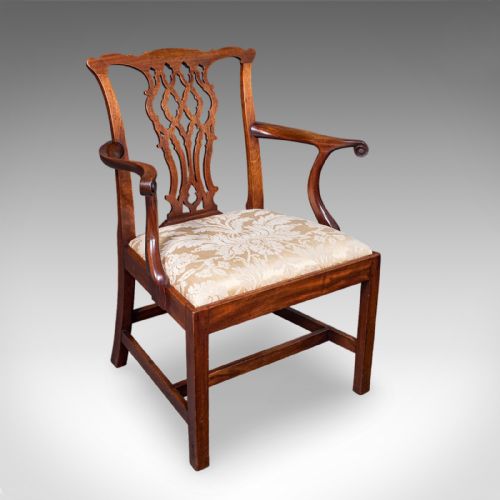
- An armchair designed in a matching style to a set of dining chairs, traditionally placed at the head of a dining table. These pieces feature open arms to accommodate formal dress.
- Vernacular furniture
- Domestic objects made by local tradesmen using regional materials and traditional methods without formal academic design oversight. These pieces prioritise utility and local resource availability.
Traditional English Elbow Chair: Frequently Asked Questions
What is a traditional english elbow chair?
A traditional english elbow chair is a wooden seat featuring supportive arms, encompassing regional Windsor designs, smokers bows, and formal dining carvers from the eighteenth to the early twentieth century.
These pieces reflect domestic and rural craftsmanship, utilising native timbers like elm, ash, and yew shaped for daily utility.
How were Windsor chairs constructed?
Windsor chairs are built around a thick solid wood seat, usually elm, which acts as the anchor for all other components. Legs and back spindles are turned from green wood and driven into bored holes, while upper bows are steam-bent into continuous curves.
This methodical assembly creates a resilient frame that distributes weight evenly without relying on heavy box stretchers.
Where should I place an elbow chair?
These armchairs suit studies, hallways, and living rooms where their sculptural wooden backs can be viewed from multiple angles. They also function well as fireside seats or desk chairs.
Pairing a Windsor or smokers bow with simpler dining seating adds functional character to a kitchen or dining space.
How do I date an antique elbow chair?
Dating relies on timber selection, tool marks, construction techniques, and the evolution of stylistic vernaculars from Georgian stickbacks to Victorian comb-backs. Examining the wear patterns on the seat and the method of leg attachment helps establish the period.
Secondary woods and fastener types further clarify whether a piece originates from the eighteenth, nineteenth, or early twentieth century.