

Vintage Country House Seating
Vintage country house seating brings lived-in comfort to a room, offering deep upholstery, sturdy timber frames and undeniable character.
Vintage Country House Seating
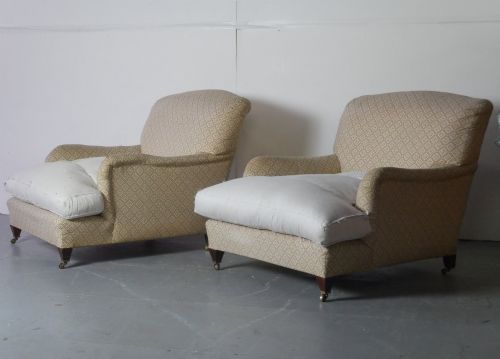
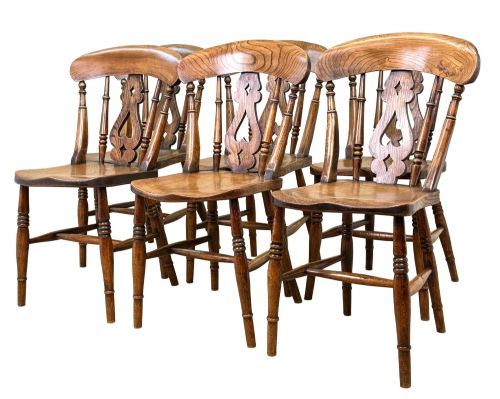
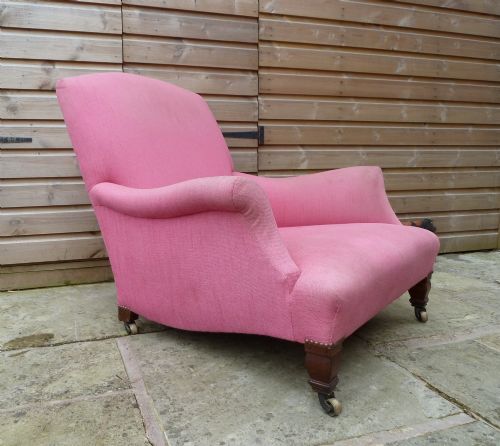
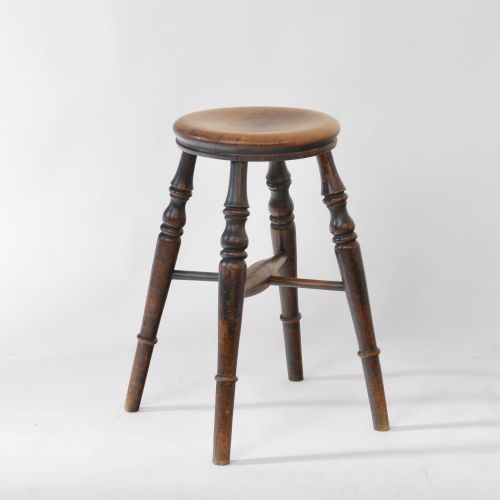
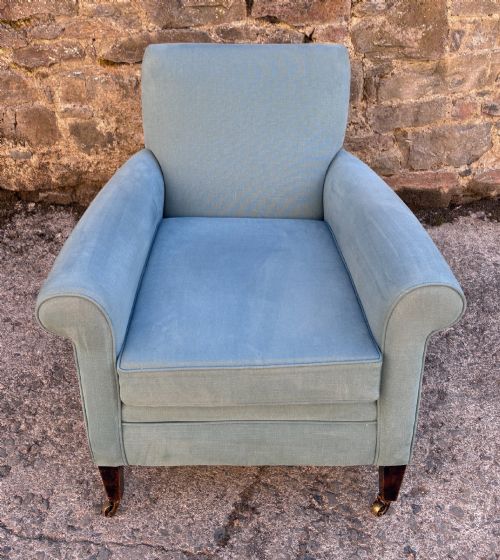
Vintage country house seating encompasses practical furniture designed for relaxation and daily utility across English estates, country homes and informal parlours. Buyers searching for vintage country house seating often encounter deep-seated armchairs, generous sofas, robust stools and traditional dining chairs that span the nineteenth century through the early twentieth century.
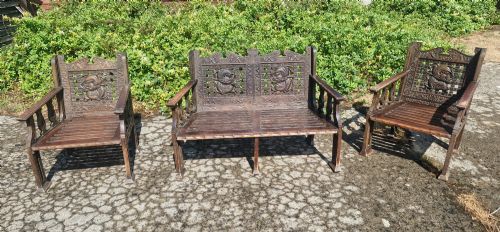
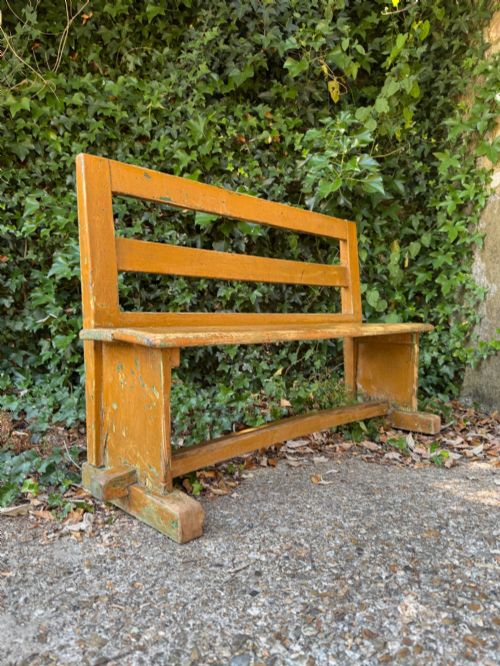
The pieces appearing here include forms shaped by rural practicality and formal drawing-room ease, from pine benches and sycamore tavern stools to substantial club fenders and upholstered armchairs. Edwardian and Victorian examples dominate the selection, alongside items reflecting Regency and Arts and Crafts movements.
Makers and workshops range from notable firms like Howard and Sons and Hallett and Sons to anonymous village craftsmen working in oak, beech, elm and pine. These seats bring a layered, gathered aesthetic to modern interiors through their varied fabrics, exposed timbers and time-worn patinas.
How they were made
Frames rely upon honest timber construction using seasoned hardwoods like mahogany, oak, walnut and beech, paired with sturdy softwoods such as pine for benches and internal structures. Joinery techniques prioritize durability, employing mortise and tenon joints, turned legs and substantial bracing to withstand heavy daily use.
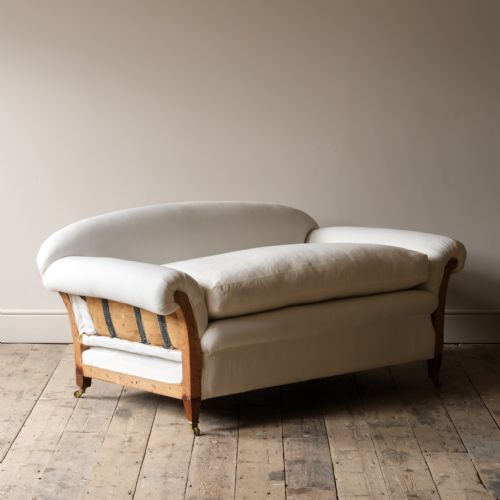
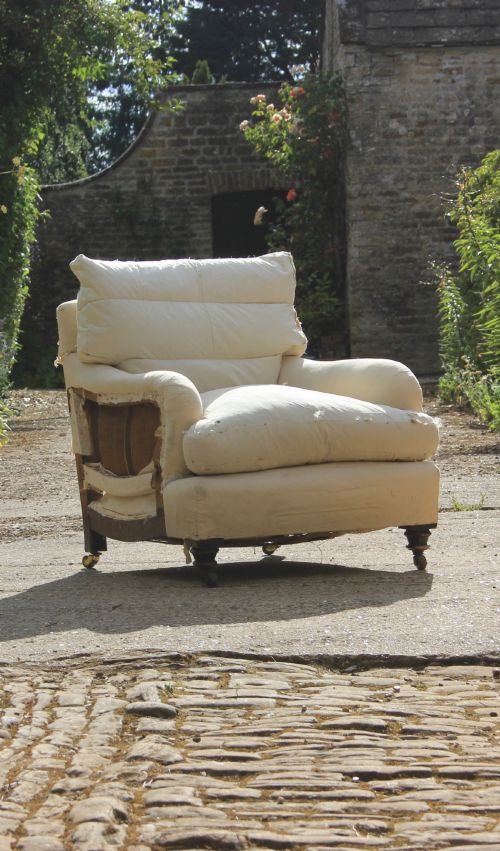
Upholstered items utilise traditional stuffing materials and sturdy webbing beneath top layers of leather, calico, chenille twill and heavy fabric. Hand-carving and turned details appear on wooden elbows, legs and stretchers, while original paint or polished timber surfaces display the natural grain of the wood.
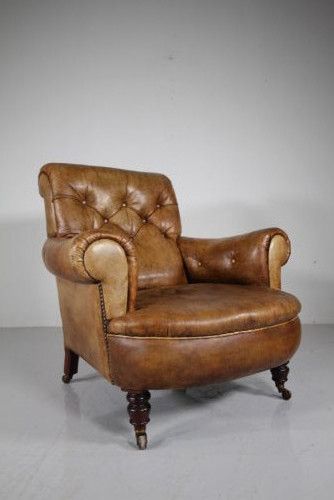
Several armchairs carry old pipe burns on their wooden arms, silent proof of Victorian evenings spent reading by the hearth.
What varies in quality
The standard of a piece rests upon the integrity of its underlying frame and the quality of its joinery. Robust timber selection and sound structural assembly separate enduring examples from lighter domestic furniture.
Proportion and comfort define the upper tier of seating, particularly in deep-seated armchairs and sofas where coil springing and padding provide lasting support. The subtlety of hand-carved details, originality of surface finish and presence of maker stamps elevate certain pieces above standard vernacular output.
Howard and Sons·Shapland and Petter·Hallett and Sons
The Vintage Country House Seating Glossary
- Club fender
- A low, upholstered-top metal frame surrounding a fireplace hearth, providing integrated fireside seating. These structures typically incorporate brass or iron supports with leather pads.
- Windsor chair
- A wooden seating form featuring a solid saddle-shaped seat into which stick legs and a curved back are wedged. Traditional examples often employ a combination of elm, beech and ash.
- Calico
- A plain-woven unbleached cotton fabric frequently used as a base upholstery layer or inner lining on traditional armchairs and sofas. It often sits beneath top covers of leather or patterned textiles.
- Smoker's bow
- A low-backed wooden armchair with a continuous turned rail forming the arms and backrest, commonly found in nineteenth-century domestic and tavern settings.
- Rush seat
- A woven seating surface made from dried marsh rushes twisted into cords and hand-plaited across a wooden frame. This technique appears frequently on traditional country stools and chairs.
Vintage Country House Seating: Frequently Asked Questions
How do I identify a Howard and Sons armchair?
Look for stamped wooden legs, castors bearing the firm's name, and specific structural proportions designed for deep comfort. These chairs often retain original ticking fabric or maker inscriptions beneath the upholstery.
Examine the webbing and frame construction closely, as signature upholstery techniques distinguish genuine workshop pieces from later style copies.
Where should I place a club fender?
A club fender belongs around an open fireplace, where its padded top provides convenient fireside seating. Measure your hearth clearance carefully to ensure the metal base and cushion fit comfortably around the fireplace surround.
These structures also function well as freestanding architectural elements in large reception rooms, adding distinct period character to the space.
Are rush seats durable for daily use?
Rush seats offer surprising resilience when woven tightly from traditional dried marsh materials. Regular gentle use helps maintain the polished surface of the twisted cords over time.
Keep rush-seated chairs away from damp environments and excessive moisture to preserve the natural fibres and prevent the weave from weakening.