

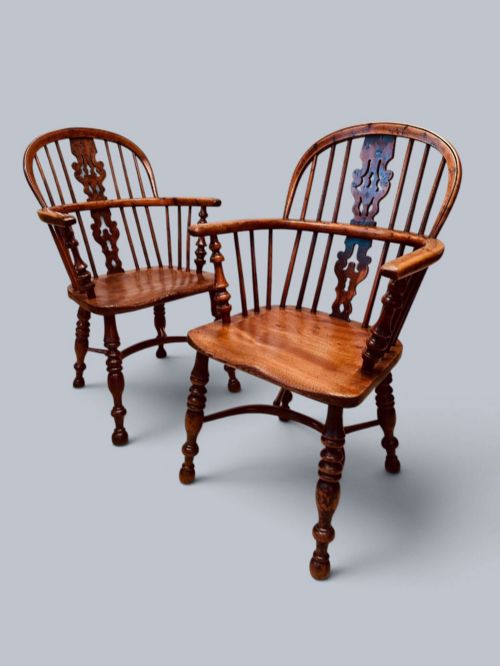
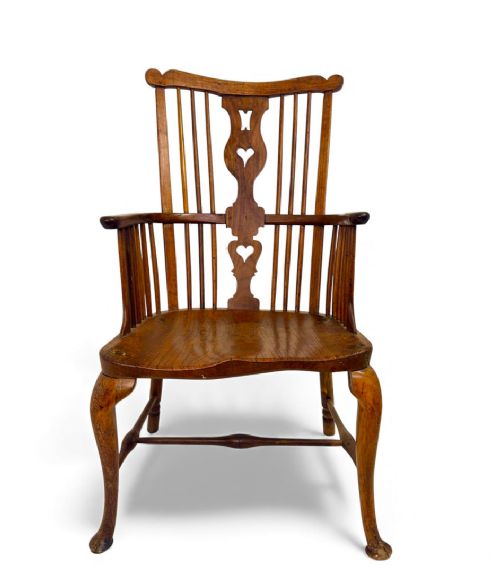
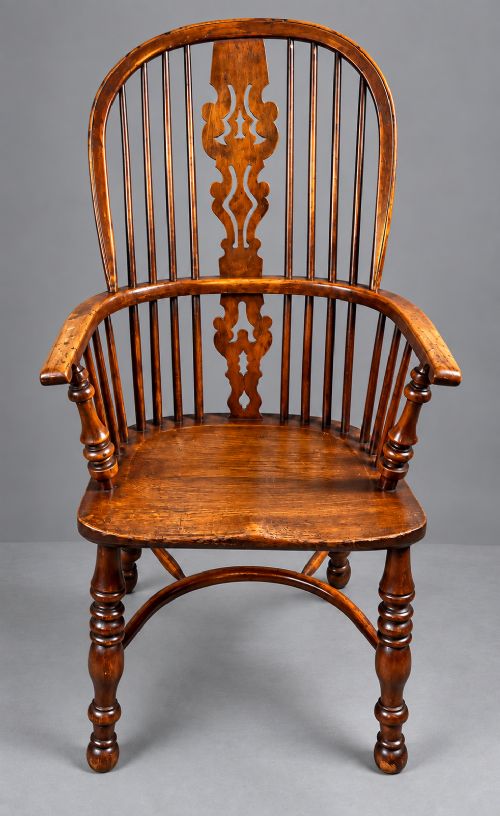
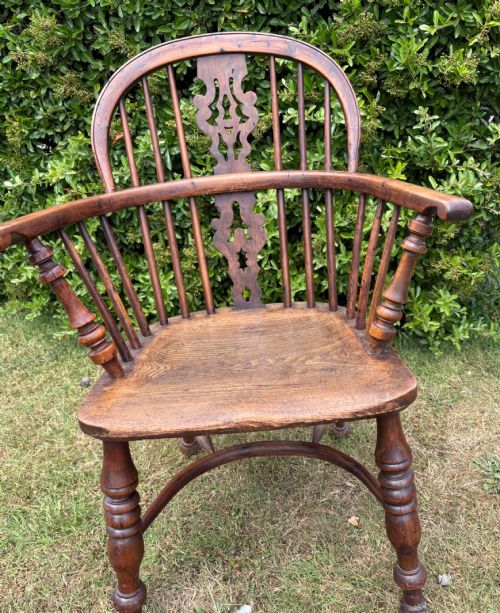






Regional English Windsor Chair
A regional english windsor chair is a vernacular timber seat built by local turners and joiners, prized for expressive grain and robust construction.
Regional English Windsor Chair
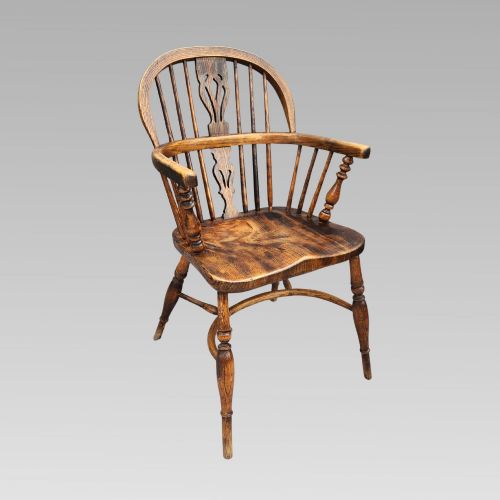
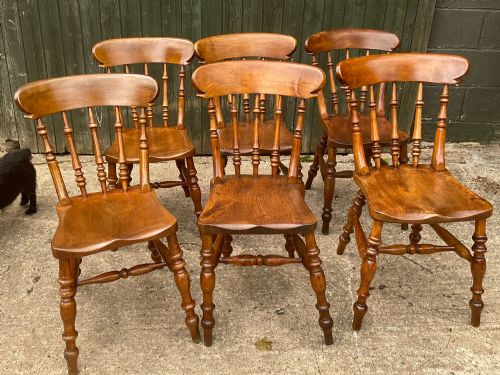
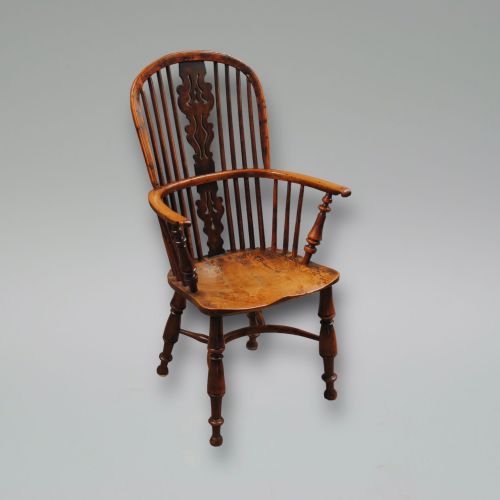
A regional english windsor chair brings together vernacular seating traditions spanning the eighteenth, nineteenth, and early twentieth centuries. These pieces emerge from distinct domestic workshops across the country, showing clear local variations in regional english windsor chair design.
The common versions found here include low back, high back, broad arm, and stick back configurations. Makers utilised regional timber resources to construct sturdy armchairs and farmhouse dining seats.
Geographic identities emerge clearly through specific structural traits, linking individual examples to centres such as Worksop, Nottinghamshire, the Thames Valley, Yorkshire, and the West Country.
Timbers and Construction
Construction relies on a traditional combination of woods selected for specific structural properties. Elm provides a tough, splitting-resistant seat board, while ash, beech, and oak form the undercarriage, legs, and spindles.
Yew and burr yew frequently appear in the upper frames and arms, chosen for rich figuring and warm colour. Turners shaped spindles and legs on a lathe before assembling the components into a rigid, pegged framework.
Regional English Windsor Chair Retail Price Guide 2026
Typical asking prices for regional english windsor chair among the pieces listed under this phrase on Sellingantiques today, from the lower quarter to the upper quarter. They describe what is for sale here now, not the wider market.
Form and Material Excellence
Quality rests upon the selection of timber and the ambition of the turner's design. Highly figured yew wood, generous proportions, and sophisticated comb backs or wheel backs distinguish superior examples from simpler farmhouse seating.
The integrity of the saddle-shaped elm seat, the retention of original turned components, and balanced regional proportions dictate the standing of an individual piece.
Gabbitass Worksop·John Brand of Sleaford·John Moss Worksop·Allsop Worksop·Rockley maker
The Regional English Windsor Chair Glossary
- Windsor chair
- A wooden chair constructed with an undercarriage and legs driven directly into a solid sculpted seat slab. The upper back and arm bow are formed from bentwood or joined spindles.
- Broad arm
- A generous, flat elbow rest widened for practical use or writing. This expansive wooden terminal is frequently found on regional variations.
- Comb back
- A chair back featuring an upper horizontal crest rail supported by vertical spindles, resembling the shape of a traditional hair comb.
- Low back
- A compact chair design where the arms and back rail form a continuous low curve around the sitter. This format offers sturdy support while maintaining a low profile.
- Spindle back
- A chair construction utilising numerous slender turned uprights to form the backrest. These members connect the seat to the top rail or arm bow.
Regional English Windsor Chair: Frequently Asked Questions
How do I identify a regional English Windsor chair?
Examination of the timber combination reveals much about origin, as makers paired elm seats with ash undercarriages and yew wood bows. Distinct regional characteristics, such as Thames Valley wheel backs or Yorkshire proportions, point directly to specific local traditions.
Looking closely at the turning style and the saddle shape of the seat helps distinguish country workshops from urban production.
What woods were used to make these chairs?
Makers selected indigenous timbers based on functional strength and visual grain. Elm serves primarily for the thick sculpted seat, while ash and beech provide rigid support through legs and spindles.
Yew and burr yew appear in the arms and bows, celebrated for striking natural figures and deep warm tones.
How were these chairs used historically?
These pieces served as durable everyday seating in farmhouses, kitchens, and country houses. Broad arm variants provided convenient writing surfaces or comfortable spots near the hearth.
Their robust construction allowed them to withstand heavy daily use across generations in domestic and vernacular settings.