



Traditional English Country Chest
A traditional english country chest offers rustic utility and timeless storage, bringing straightforward timber construction and honest vernacular charm into modern rooms.
Traditional English Country Chest
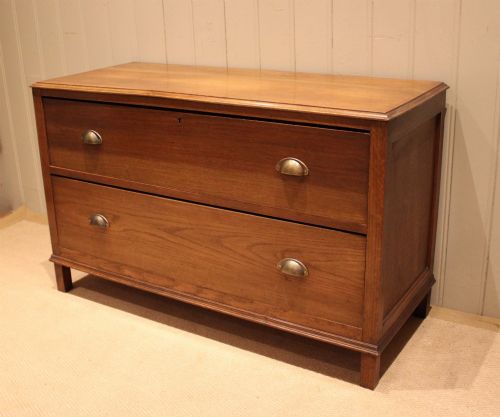
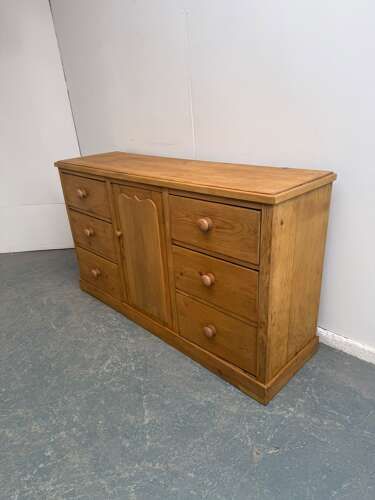
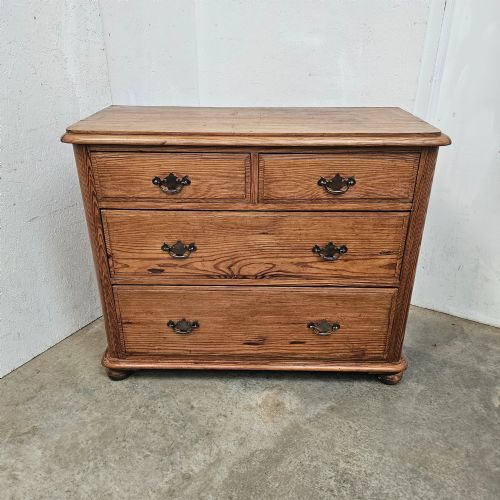
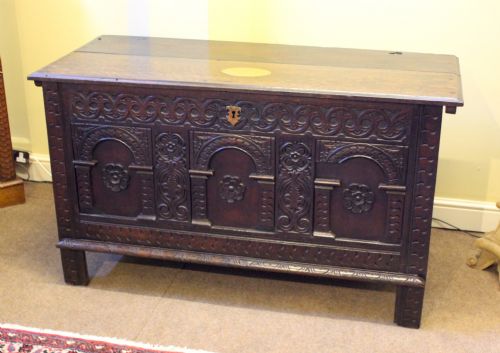
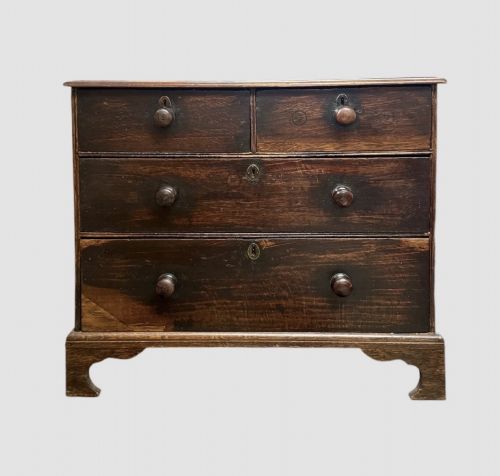
When you search for a traditional english country chest, you encounter sturdy pieces built for domestic storage rather than formal display. The selection ranges from early panelled coffers and mule chests to tall drawer units in oak, pine, and yew.
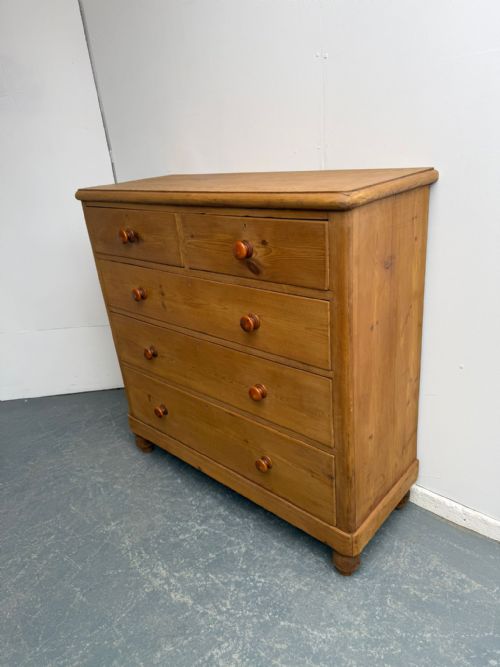
The pieces span multiple eras, with seventeenth-century oak examples sitting alongside eighteenth-century Georgian designs and nineteenth-century pitch pine or painted pine furniture. Drawer chests, linen presses, and blanket chests dominate the forms available.
You are most likely to meet nineteenth-century pine chests of drawers and eighteenth-century oak coffers on this page. These domestic items formed the backbone of household storage in rural English properties.
Grading Quality
Quality rests on the integrity of the timber, the preservation of original surfaces, and the restraint applied during past repairs. Untouched patination on old pine or oak separates superior survivals from pieces stripped down to raw wood.
Construction details distinguish the output of skilled regional joiners from basic utilitarian output. Dovetailed drawer joints, thick panelled lids, and intact brass or iron furniture elevate a chest above standard vernacular work.
A nineteenth-century Wellington chest hides its vertical locking arm behind a hinged pilaster, securing all drawers with a single turn.
The Traditional English Country Chest Glossary
- Coffer
- A large wooden chest used historically for storing valuables, linens, or dry goods. Early versions feature heavy panelled construction and hinged lids.
- Mule chest
- A storage chest fitted with one or two drawers beneath the main compartment. This form bridges the gap between the simple coffer and the modern drawer chest.
- Scumble paint
- A decorative surface finish applied with brushes or combs to simulate more expensive wood grain or figure. Country houses frequently utilised this technique on pine furniture.
- Linen press
- A tall cupboard featuring sliding trays or shelves in the upper section for storing textiles, paired with drawers below. They served as primary wardrobe furniture in traditional homes.
- Pitch pine
- A resinous North American and European pine variety valued for its distinct grain pattern and durability. Cabinetmakers adopted it widely during the nineteenth century.
Traditional English Country Chest: Frequently Asked Questions
How do I date an oak coffer?
Examine the construction marks, tool marks, and panel assembly methods visible on the interior and reverse. Hand-riven timber and pegged joinery point to seventeenth or eighteenth-century origin.
Changes in hinge types and lock plates also provide clues. Original wrought iron butterfly hinges contrast sharply with later brass replacements.
What is a mule chest used for?
Families used mule chests at the foot of beds or in chambers to store household textiles, blankets, and garments. The lower drawers allowed access to stored items without lifting the heavy top lid.
Over time, they evolved into standard chests of drawers as domestic habits shifted toward hanging clothes and folded laundry storage.
Are painted pine chests original?
Many nineteenth-century pine chests retain their original country house scumble or painted finishes applied decades after manufacture. Surface wear and underlying crackle patterns indicate age and authenticity.
Scraped or modern latex paints differ noticeably from traditional oil-based pigments. Inspect edges and interiors for traces of early colour schemes.