



Faux Grain Painted Furniture
These faux grain painted furniture pieces bring clever domestic surface imitation into your home with enduring nineteenth-century character.
Faux Grain Painted Furniture
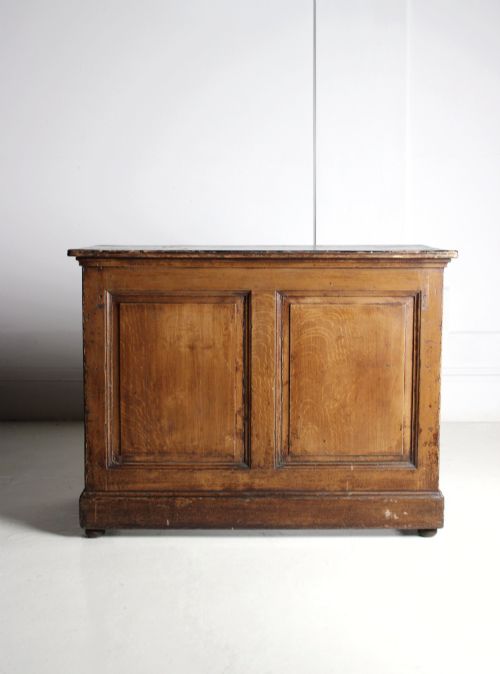
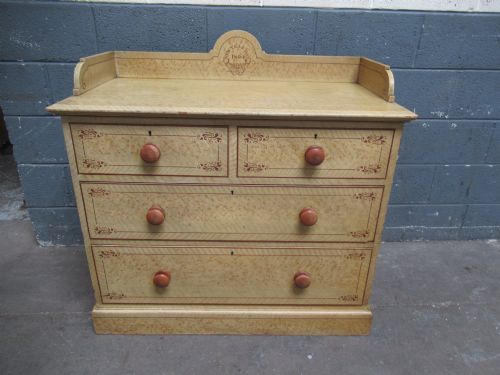
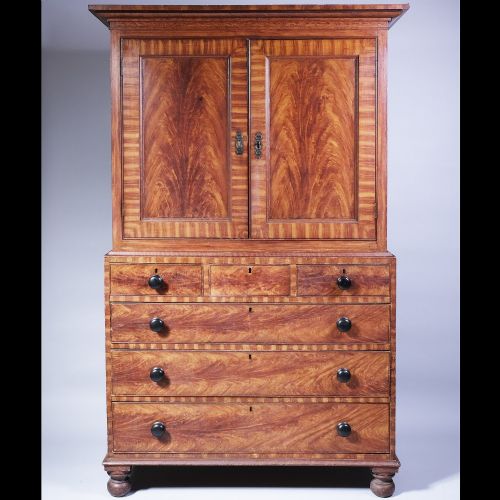
Faux grain painted furniture encompasses practical timber pieces decorated to imitate more costly woods or marbles through specialised surface finishes. When you search for faux grain painted furniture, you encounter nineteenth-century items designed to elevate softer timbers with decorative visual depth.
The pieces listed here lean heavily towards domestic storage and utility forms originating from British and Scandinavian traditions. Chests of drawers, washstands, linen presses, wall cabinets and writing desks form the core of what you will meet on this page.
Most examples date from the Victorian era and the closing decades of the nineteenth century. Makers of the period utilised pine and softwood as dependable bases for elaborate surface treatments including scumbling and hand painting.
How they were made
Makers constructed the primary carcases and drawers using pine and softwood before applying preparatory coats of paint. This solid timber foundation provided a stable canvas for the decorative graining layers that followed.
Craftsmen applied translucent oil or glaze mixtures over base colours and manipulated the wet medium using combs, brushes or rags to replicate natural timber grain. Certain pieces incorporate specialised techniques such as painted faux marble tops to simulate stone.
Hardware details like brass pulls and ceramic elements complemented the painted finishes while providing everyday utility. Protective clear coats preserved the underlying scumble glaze against daily domestic wear.
Faux Grain Painted Furniture Retail Price Guide 2026
Typical asking prices for faux grain painted furniture among the pieces listed under this phrase on Sellingantiques today, from the lower quarter to the upper quarter. They describe what is for sale here now, not the wider market.
Materials recorded across the selection include softwood, brass hardware, ceramic elements and painted glass surfaces.
What varies in quality
The fidelity and visual depth of the graining separate standard utility items from superior decorative examples. Skilled decorators achieved convincing movement and translucency in the scumble glaze that lesser hands missed.
The original condition of the surface finish dictates the overall character and integrity of the piece. Surviving examples retain their untouched nineteenth-century paint without extensive modern overpainting or heavy restoration.
Construction quality shows in the secondary timber selection and drawer assembly alongside the decorative merit. Well-joined pine carcases with intact original brass and ceramic fittings represent the higher tier of country house and folk art production.
The Faux Grain Painted Furniture Glossary
- Scumble
- A semi-transparent layer of dark paint applied over a lighter base to create mottled or grain effects. Decorators manipulated this glaze while wet to imitate exotic timbers.
- Pine
- A common softwood used widely for nineteenth-century domestic furniture carcases. Its pale, straight grain made it an ideal base for opaque and translucent painted finishes.
- Escritoire
- A writing desk featuring a fall-front or sloping lid enclosing compartments for papers. These compact writing cabinets often received decorative paint treatments.
- Washstand
- A specialised piece of bedroom furniture designed to hold a basin and jug. Surviving examples frequently feature splashbacks and treated tops to resist water.
- Folk Art
- Objects created within a traditional community context rather than by academic fine artists. These vernacular pieces display unpretentious craftsmanship and direct decorative choices.
Faux Grain Painted Furniture: Frequently Asked Questions
What is scumble paint?
Scumble paint refers to a translucent glaze brushed over a paler ground colour to create simulated wood grain. Craftsmen dragged combs or cloths through the wet medium to produce distinctive patterns.
This technique allowed makers to transform ordinary softwood into rich, figured timber appearances. It remains a defining characteristic of nineteenth-century country furniture.
How do I clean faux grain painted furniture?
Maintenance requires only a soft, dry cloth to remove dust from the painted surfaces. Avoid harsh chemical cleaners or excess moisture that might damage historic glazes.
Preserving the original nineteenth-century finish depends entirely on gentle, non-abrasive care. Regular dusting prevents particle buildup without risking the integrity of the scumble layer.
Where were these pieces used?
Nineteenth-century households utilised these painted items across bedrooms, living spaces and country house utility rooms. Chests of drawers and washstands served practical daily storage roles in domestic quarters.
Escritoires and wall cabinets provided designated spaces for correspondence and small possessions. Their decorative painted finishes suited both formal and vernacular domestic interiors.
Are these pieces made of solid wood?
Makers constructed the structural carcases and drawers using solid pine and softwood timber. These accessible materials provided durable foundations for decorative surface painting.
Using softwoods kept production practical while allowing elaborate grain effects on the exterior. Solid construction ensured these utility items survived generations of domestic use.