


Traditional English Canvas Painting
Traditional English canvas painting captures centuries of rural landscapes, animal portraits and domestic scenes rendered in oil.
Traditional English Canvas Painting
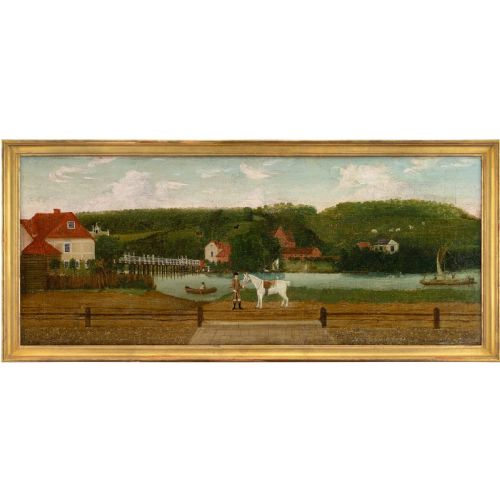
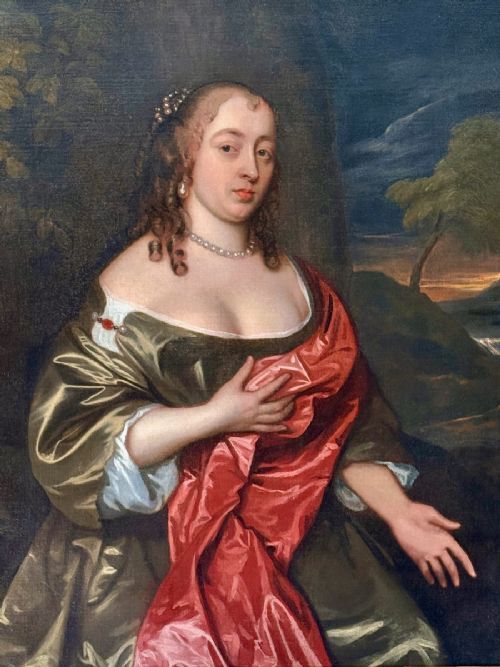
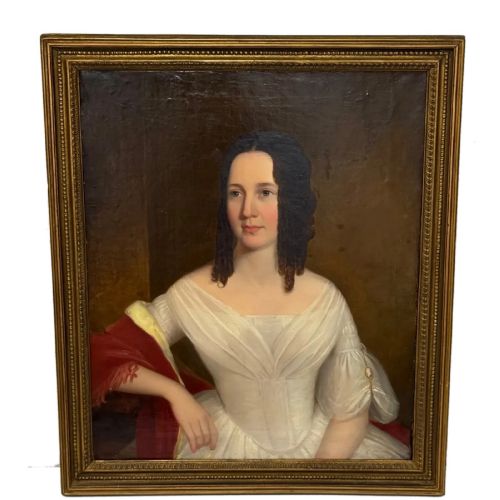
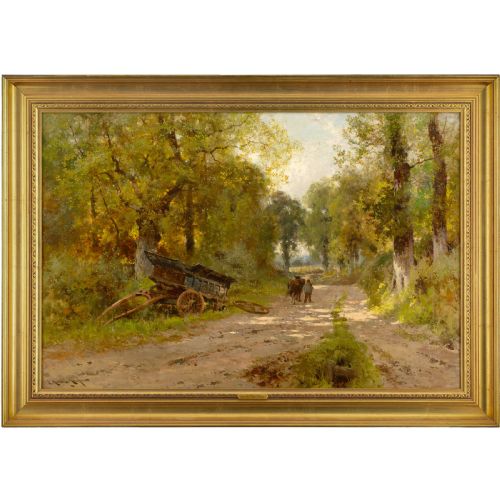
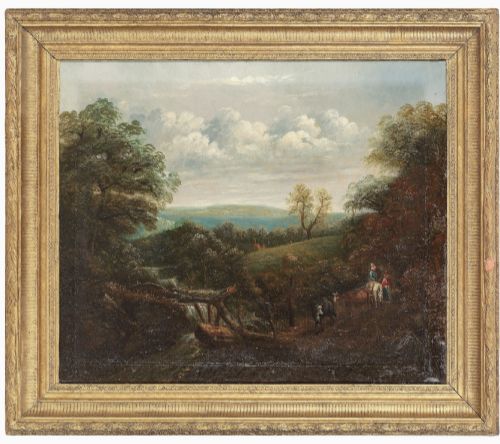
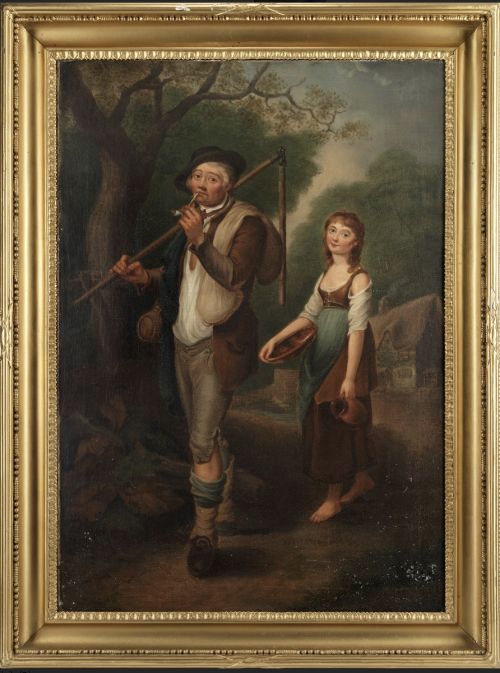
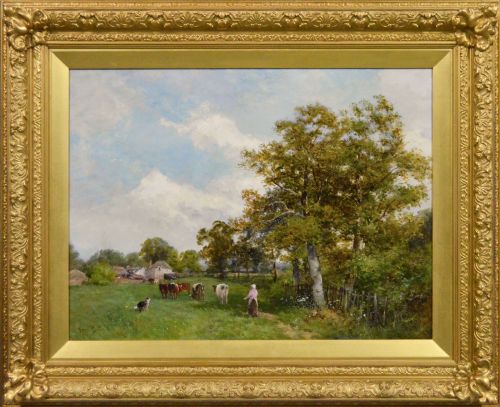
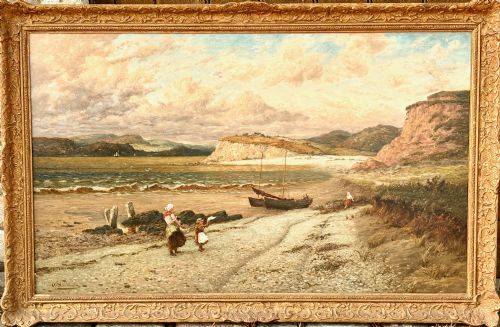
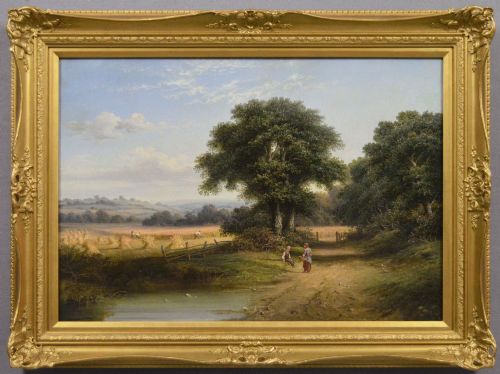
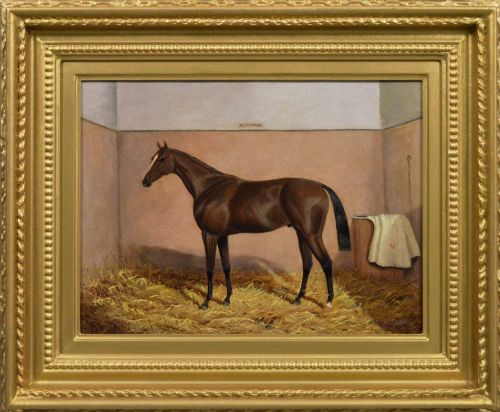
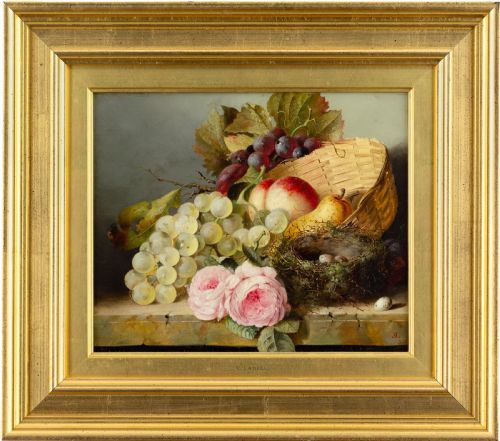
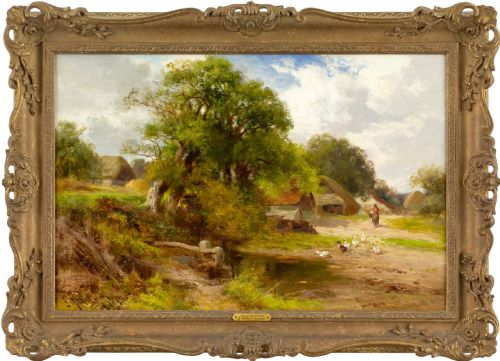
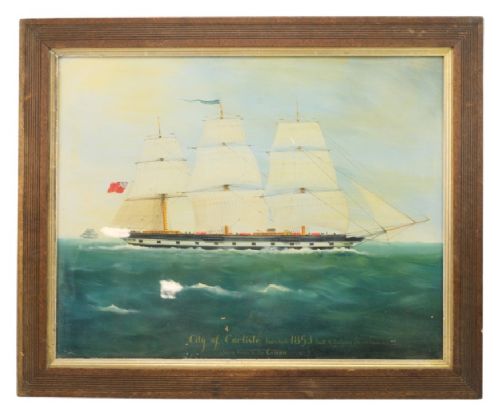
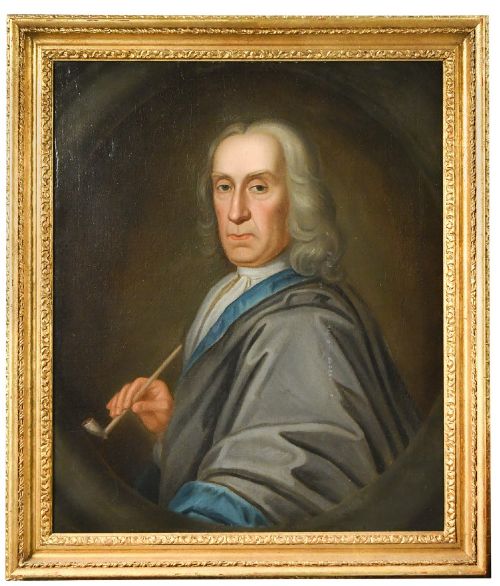
A traditional English canvas painting represents a window into past centuries, depicting subjects such as pastoral landscapes, river scenes, horse portraits and still life arrangements. Buyers exploring this category encounter works ranging from Victorian rural views to Edwardian coastal scenes.
The pieces on this page are predominantly oil paintings executed on canvas support structures, frequently housed within period giltwood or wood frames. Many examples display the distinct characteristics of the Norwich School or British Impressionism.
Subjects frequently record rural life, agricultural animals, sporting pursuits and historic architecture across England. These works reflect the shifting artistic preferences from the Georgian era through the mid-twentieth century.
Materials and technique
Painters applied oil paint formulated from pigment suspended in drying oil onto woven canvas surfaces, which were often stretched over wooden frames. Some works incorporate later conservation techniques such as laying the original canvas onto board.
Artists utilised varied brushwork and layering to build texture and depth, capturing light effects across countryside paths, rivers and coastal harbours. Details were refined using fine sable brushes, particularly in portraiture and still life compositions.
Many surviving works retain their original gilt wood or moulded frames, sometimes accented with gold leaf. These frames complement the depth of the oil pigments and protect the edges of the canvas support.
Materials recorded across the inventory include oil paint, canvas, wood, giltwood and gold leaf.
Judging quality in these works
The strength of composition and the artist's ability to render natural light and atmospheric perspective dictate the visual success of a canvas painting. Works by documented practitioners from identifiable regional schools often demonstrate superior handling of tone and colour.
The condition of the oil paint surface, minimal intervention from later restoration, and the retention of a period-appropriate giltwood frame contribute to the integrity of the piece. Subtle details in figure placement, animal anatomy and landscape perspective distinguish accomplished works from standard productions.
John Hayls·George Graham·John Horace Hooper·Thomas Barker of Bath·David Bates·Walter Heath Williams·Albert Clark·Edward Ladell·Thomas Sidney Cooper·Henry Yeen King·William Greaves·Henry H Parker·Thomas Walker Bretland·Walter Goodin·Sydney Yates Johnson·Charles Walter Simpson·William Edward Webb·John Arthur Lomax·Charles Haigh Wood·Herbert Royle·John Sanderson Wells
The Traditional English Canvas Painting Glossary
- Oil on Canvas
- A painting medium where pigments are bound with drying oils and applied to a woven fabric support. This combination allows for rich blending of colour and varied surface textures.
- Giltwood
- Wood that has been coated with a thin layer of gold leaf or gilt powder. It is commonly found on traditional frames encasing nineteenth-century paintings.
- Norwich School
- A regional art movement comprising landscape painters working in Norfolk during the nineteenth century. Members drew inspiration from the local countryside and Dutch landscape traditions.
- Victorian Pastoral
- An artistic style celebrating rural life, agricultural workers and idyllic countryside scenes. These paintings often romanticise farming communities and domestic animals.
- British Impressionism
- A movement in late nineteenth and early twentieth-century British art influenced by French techniques. Artists focused on spontaneous brushwork and the play of natural light.
Traditional English Canvas Painting: Frequently Asked Questions
What periods do these paintings cover?
The works span from the seventeenth century through the Georgian and Victorian eras into the Edwardian period and mid-twentieth century.
Most pieces originate from the nineteenth and early twentieth centuries, reflecting changing British artistic styles over time.
How should I care for an oil painting on canvas?
Keep paintings away from direct sunlight, excessive moisture and sudden temperature shifts that might cause the canvas or paint to warp.
Dust the surface gently with a soft, dry brush and avoid using liquid cleaners on the paint or frame.
Are all the paintings signed by the artist?
Some works bear clear signatures or dates from the original artist, while others remain attributed to specific regional schools or followers of major painters.
Unsigned paintings are often identified through stylistic analysis, subject matter and framing context.
What subjects are most common?
Rural landscapes, river views, coastal harbours and agricultural animals appear frequently across the collection.
Portraiture, sporting scenes and still life arrangements featuring fruit and baskets are also well represented.