



Traditional Dressing Glass
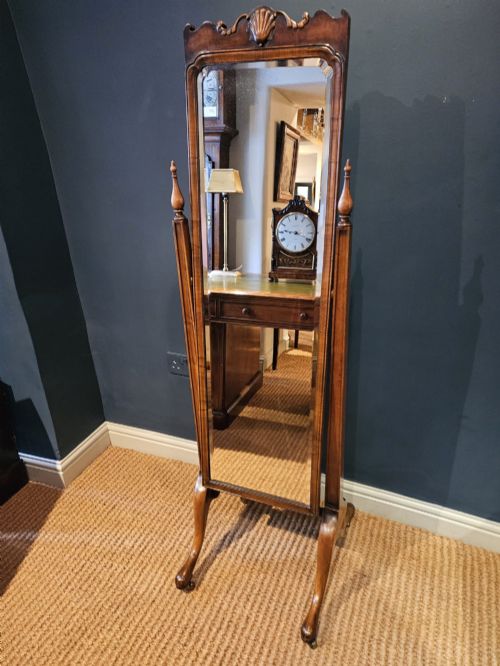
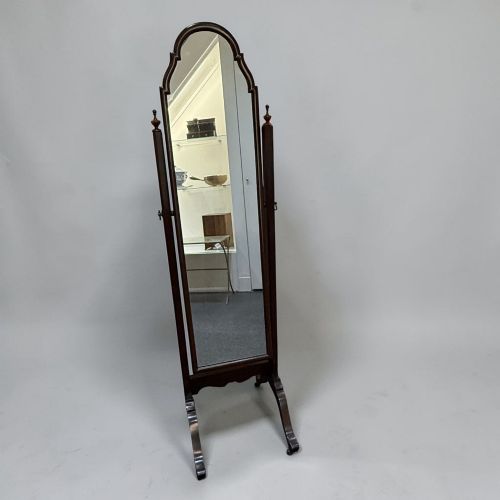
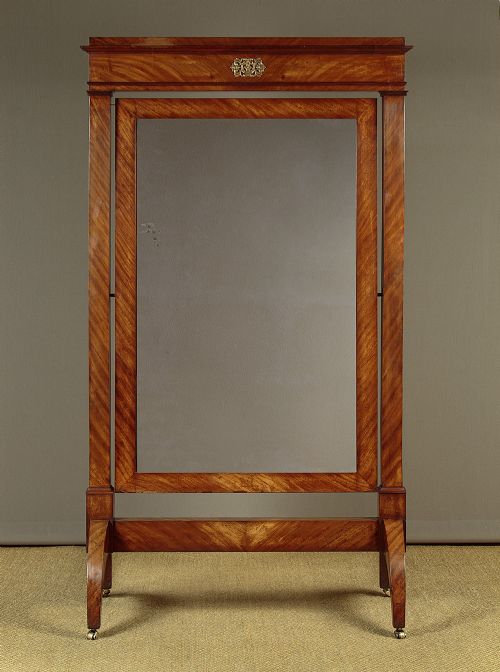
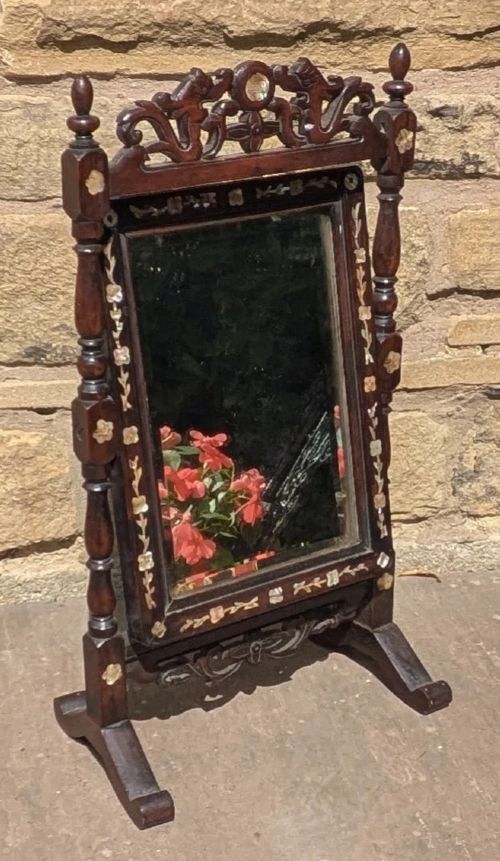
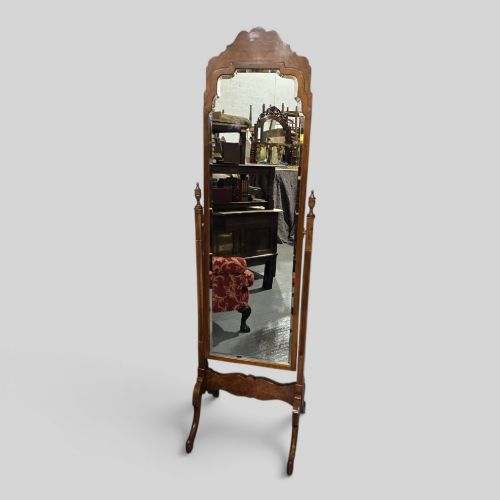
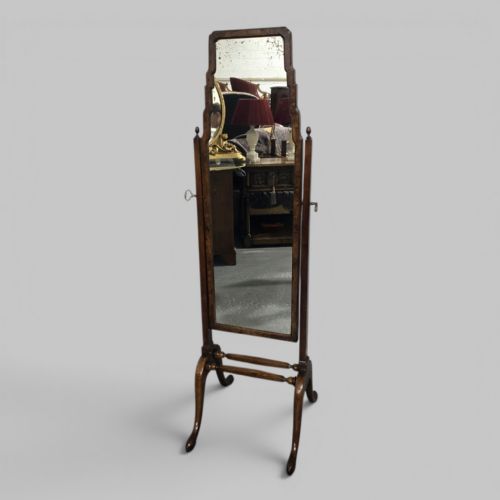
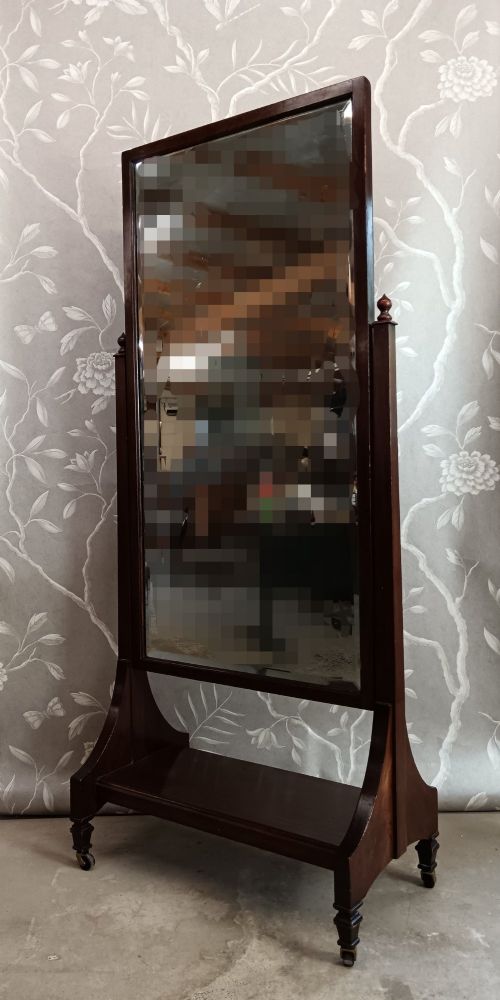
Traditional dressing glass options include freestanding cheval frames and compact table versions designed for the bedroom.
Traditional Dressing Glass
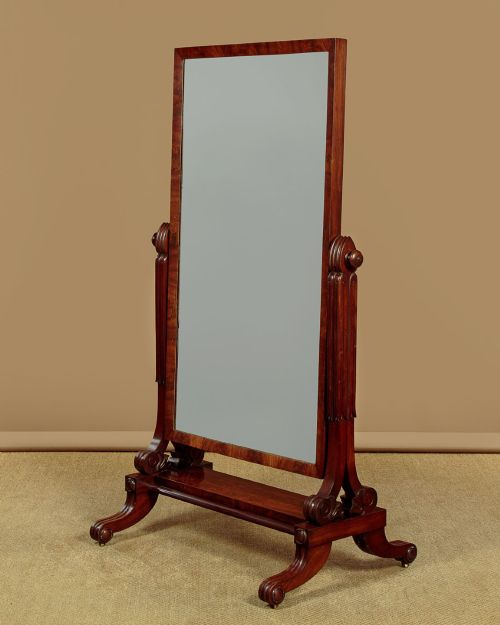
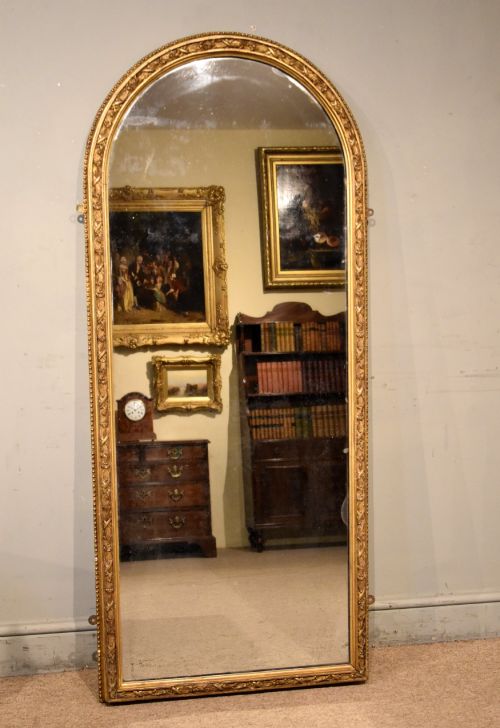
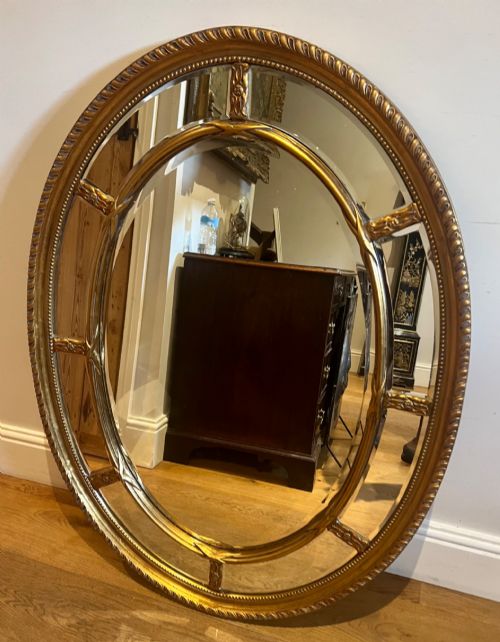
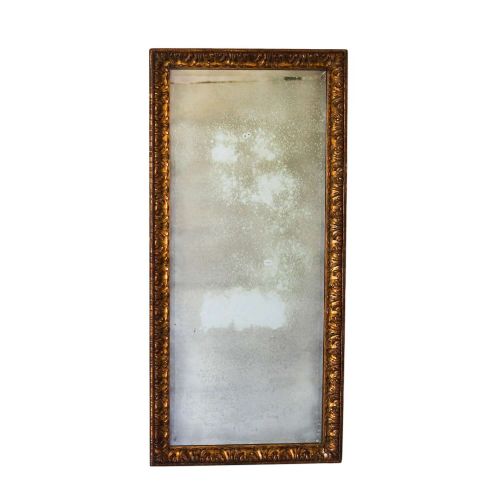
A traditional dressing glass serves as a practical looking glass for the bedroom or dressing room, taking the form of a swing mirror mounted on a frame. Buyers seeking a traditional dressing glass will encounter various formats ranging from small table-top toilet mirrors to full-length freestanding cheval mirrors.
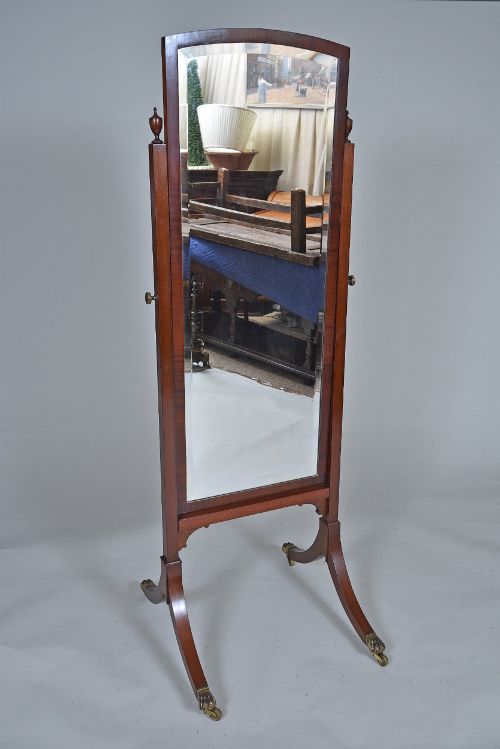
The selections span multiple periods, most frequently appearing in Victorian, Edwardian, and Georgian styles alongside later twentieth-century iterations. Examples include serpentine dressing table mirrors and large floor-standing swing mirrors designed to tilt within their upright supports.
How they were made
Cabinet makers constructed these pieces primarily using solid timbers like mahogany, walnut, and pitch pine, often shaping the wood with curved serpentine lines or turned supports. Selected items incorporate decorative elements such as giltwood, gesso work, or intricate mother of pearl inlay set into hardwood frames.
The mirror plates themselves consist of glass secured within adjustable swing frames, allowing the user to alter the angle of reflection. Brass fittings frequently secure the pivoting mechanism on both table-top and floor-standing models.
Traditional Dressing Glass Retail Price Guide 2026
Typical asking prices for traditional dressing glass among the pieces listed under this phrase on Sellingantiques today, from the lower quarter to the upper quarter. They describe what is for sale here now, not the wider market.
One recorded item is a travelling toilet swing mirror, built for grooming on the move.
What varies in quality
The distinction between standard and superior pieces rests upon the choice of timber and the precision of the cabinet work. Dense grain figured walnut or finely figured mahogany indicate a higher grade of construction than plain secondary woods.
Proportion and decorative restraint further separate finer examples from routine workshop production. Elaborate carving, bevelled mirror edges, and well-cast brass hardware elevate the overall execution of the frame.
The Traditional Dressing Glass Glossary
- Cheval mirror
- A large freestanding swing mirror supported by four legs or a heavy frame, tall enough to reflect the entire figure.
- Toilet mirror
- A smaller swing mirror designed to sit upon a dressing table or washstand for close-up use.
- Serpentine
- A curved shape featuring a convex centre flanked by two concave sweeps, commonly seen on eighteenth and nineteenth-century mirror bases.
- Giltwood
- Timber that has been coated with fine gold leaf or gilt paint to create a decorative metallic surface.
- Gesso
- A plaster-like mixture applied to wood frames to provide a smooth base for subsequent gilding or painting.
Traditional Dressing Glass: Frequently Asked Questions
What is a traditional dressing glass?
A traditional dressing glass is an adjustable swing mirror utilised for personal grooming and dressing.
These pieces typically sit upon a tabletop or stand independently on the floor as a full-length glass.
How do I date a dressing mirror?
Dating relies upon observing the timber species, construction joints, and stylistic details characteristic of specific periods.
Georgian and Victorian examples exhibit distinct mouldings and hardware that differentiate them from Edwardian or later items.
Where should I place a cheval mirror?
A cheval mirror functions best in a bedroom or dressing room where its full-length reflection is most useful.
Freestanding designs require adequate floor space to allow the swing frame to tilt without obstruction.
What is the difference between a toilet mirror and a cheval mirror?
A toilet mirror is compact and built to rest on top of a dressing table or chest.
A cheval mirror is a much taller floor-standing piece capable of reflecting the whole body.