



Traditional Dresser
A traditional dresser anchors a room with storage and display, bringing together timber, iron hardware and centuries of domestic craft.
Traditional Dresser
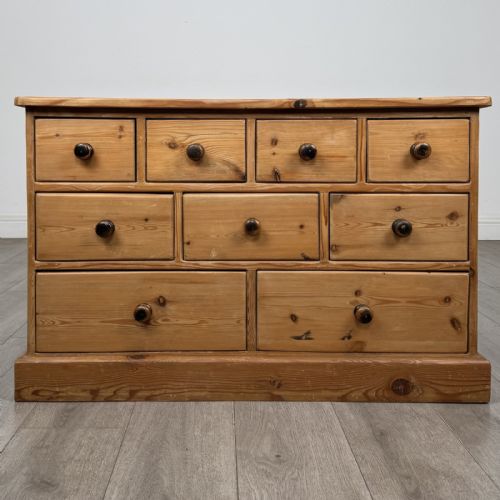
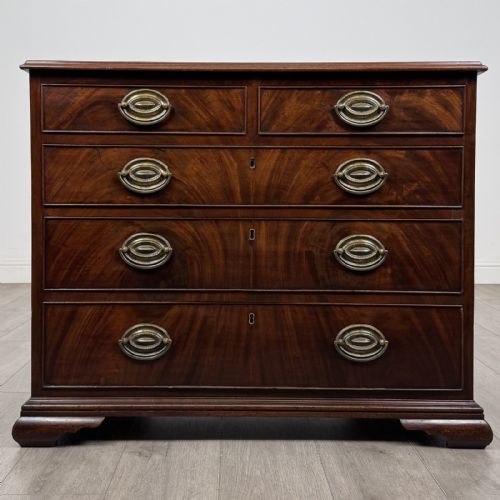
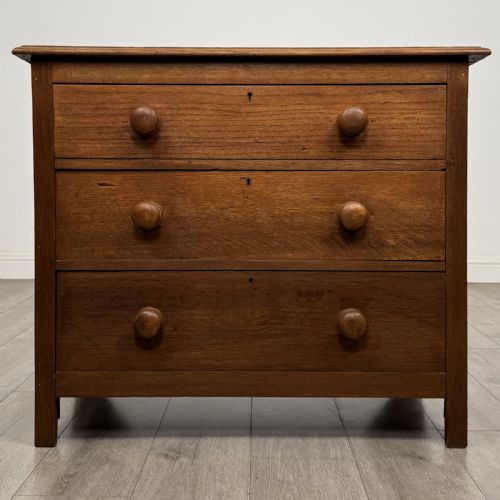
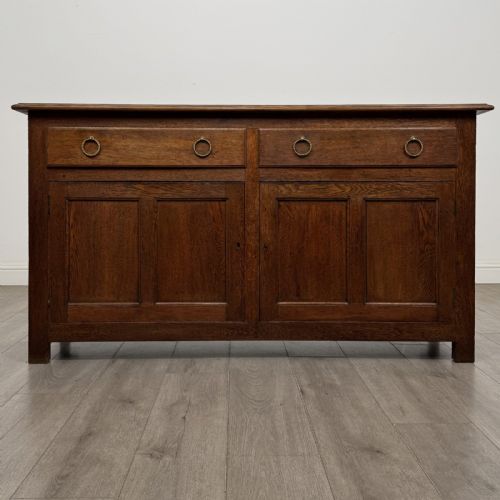
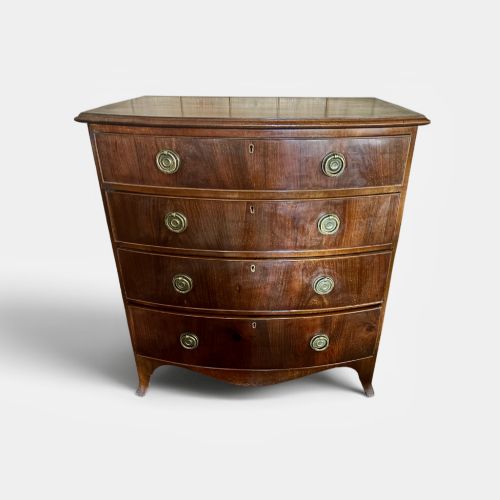
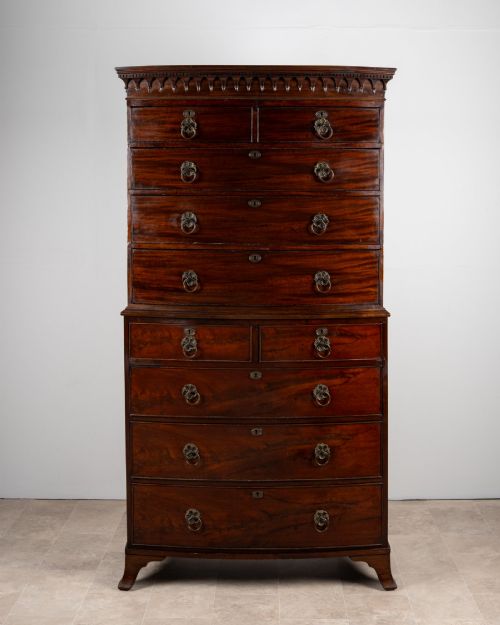
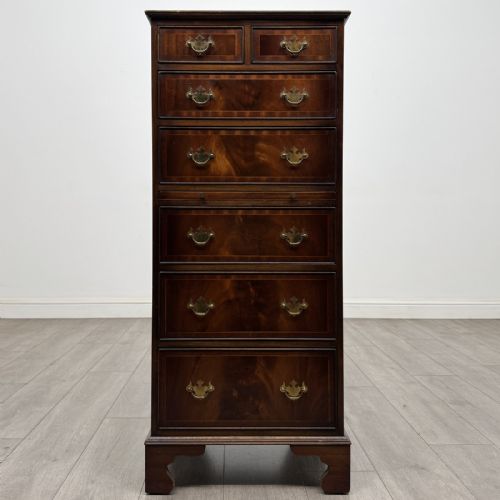
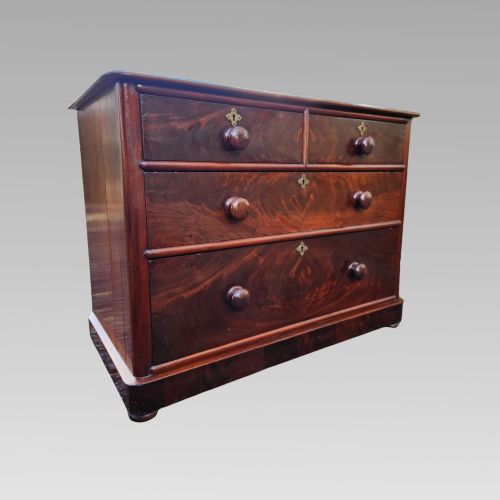
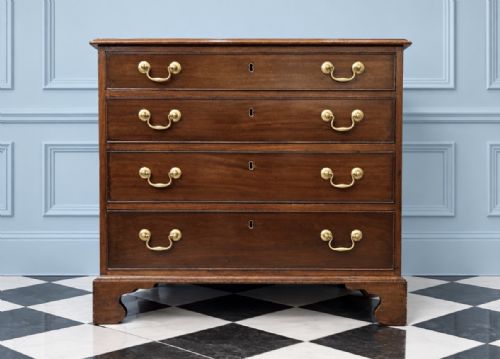
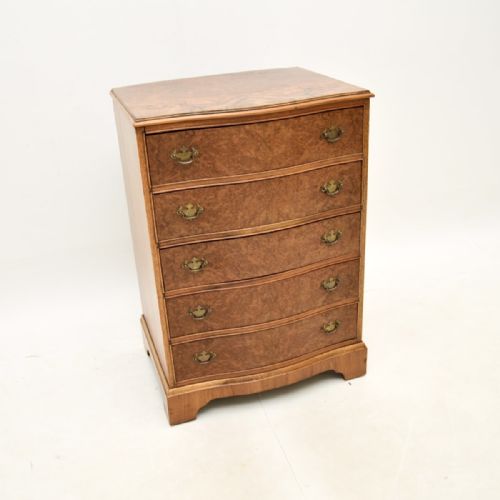
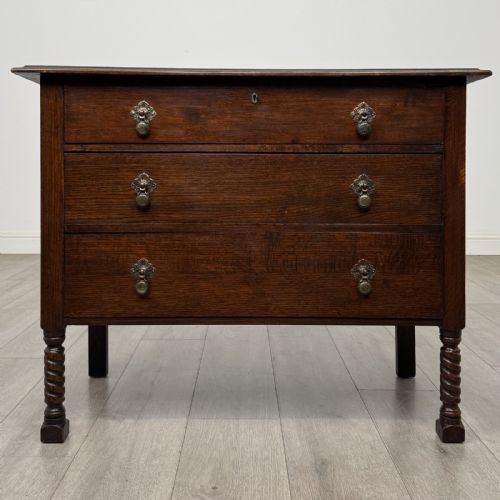
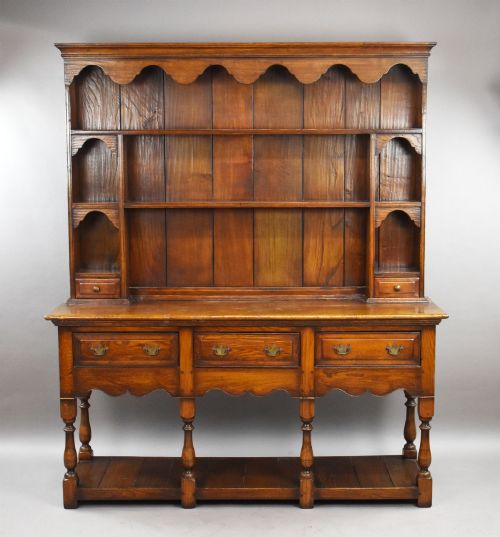
A traditional dresser combines storage and display, appearing here as oak Welsh dressers with open plate racks, pine kitchen cupboards, potboard dresser bases and sideboards spanning the eighteenth, nineteenth and twentieth centuries.
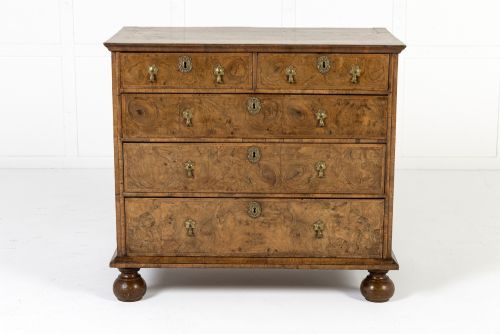
Makers shaped these forms from timber like oak, mahogany, pine and walnut, producing variants with drawers, cupboards and tiered shelving intended for everyday domestic use.
The pieces on this page trace lineages from Georgian, Victorian, Edwardian and later revival periods, reflecting how households stored and displayed tableware and provisions over generations.
Materials and construction
Cabinet makers built these pieces using solid timbers including oak, mahogany, walnut, ash, elm and pine, joined with pegged framing, dovetailed drawer construction and fielded panels.
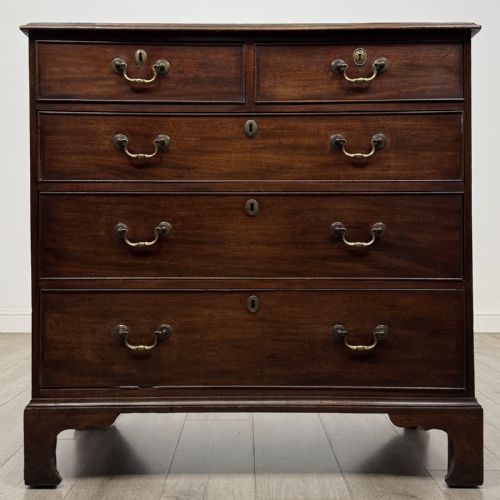
Hardware details such as brass handles, cup handles, knob handles, iron fixtures and glass panes completed the structures, while surfaces received finishes ranging from paint to polished grain.
Traditional Dresser Retail Price Guide 2026
Typical asking prices for traditional dresser among the pieces listed under this phrase on Sellingantiques today, from the lower quarter to the upper quarter. They describe what is for sale here now, not the wider market.
Some nineteenth-century cupboards retain their original green interior paint, hiding a splash of colour behind closed doors.
Judgements of quality
Quality rests in the selection of timber, the crispness of carved panels, the precision of dovetails in the drawers and the integrity of structural elements like stretcher bases and bracket feet.
Proportion and surface finish separate standard utility pieces from finer examples, noting how well original hardware and timber patination have survived through the decades.
Rushworth's
The Traditional Dresser Glossary
- Potboard dresser base
- A dresser base featuring a lower open shelf, historically used for storing pots and domestic utensils.
- Welsh dresser
- A large kitchen furniture form incorporating an upper open plate rack above a lower section of drawers and cupboards.
- Bracket foot
- A structural foot supporting cabinetry, shaped in a simple curve or mitred corner bracket typical of Georgian design.
- Fielded panel
- A wooden panel with bevelled edges set into a recessed frame to add depth and allow for wood movement.
- Dovetailed drawer
- A drawer joined at the corners by interlocking wedge-shaped pins and tails, signifying robust cabinet making.
Traditional Dresser: Frequently Asked Questions
What is a traditional dresser?
A traditional dresser is a functional piece of wooden furniture designed for storage and display, combining lower cupboards or drawers with upper shelving.
These items range from Georgian oak bases to twentieth-century Welsh dressers with open plate racks.
How were traditional dressers used?
Historically, households utilised these pieces in kitchens and dining rooms to store tableware, dry goods and cooking utensils.
The upper shelves displayed ceramics and plates while the lower drawers and cupboards held linens and heavier pots.
What woods are used in these pieces?
Makers constructed dressers and sideboards from a variety of domestic and imported timbers depending on the period and region.
Common materials include solid oak, mahogany, pine, walnut, ash and elm, often paired with brass or iron hardware.