





Traditional Diamond Medallion Rug
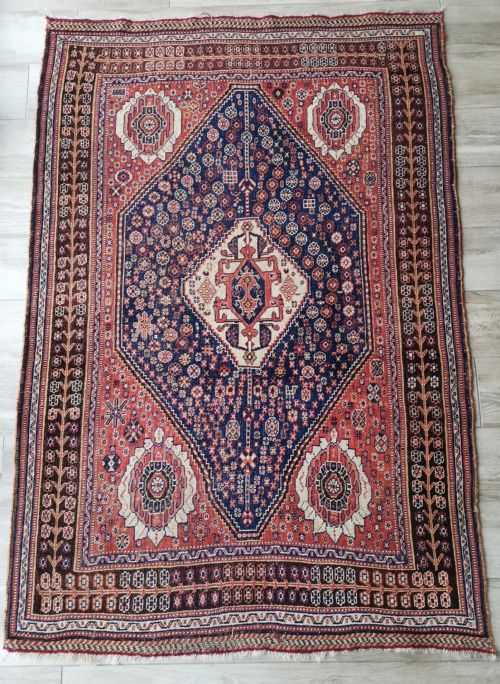
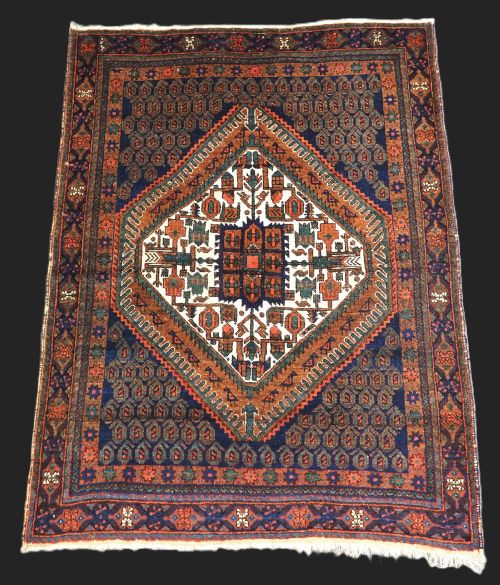
A traditional diamond medallion rug grounds a room with centuries of tribal weaving heritage, offering geometric precision and enduring warmth.
Traditional Diamond Medallion Rug
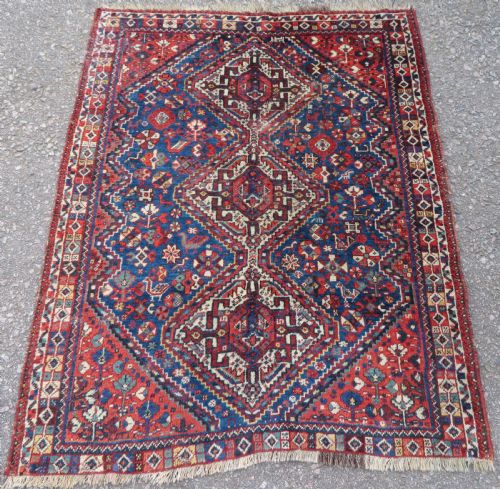
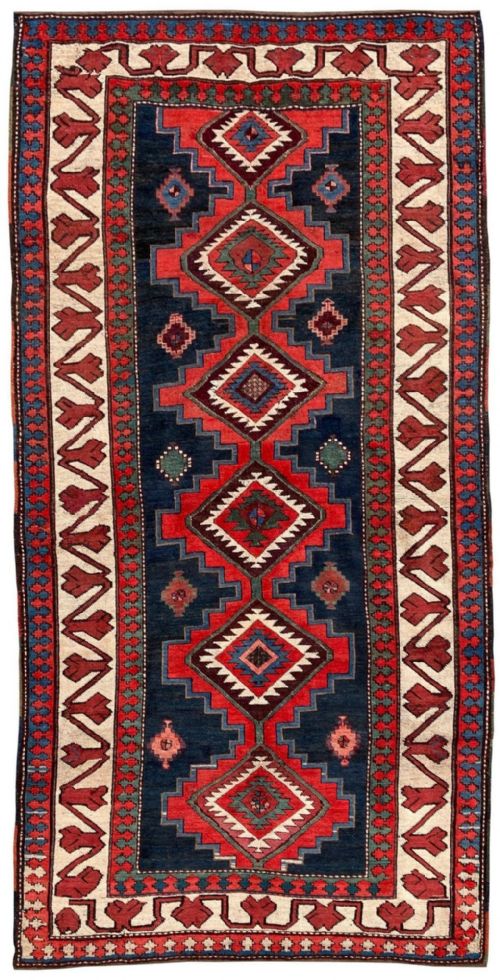
When you search for a traditional diamond medallion rug, you encounter handwoven floor coverings originating from Persian, Caucasian, and Anatolian weaving traditions. These textiles span periods from the nineteenth century through the mid-twentieth century, encompassing both room-sized carpets and elongated runners. You are most likely to meet Qashqai, Khamseh, and Caucasian tribal pieces featuring central geometric motifs.
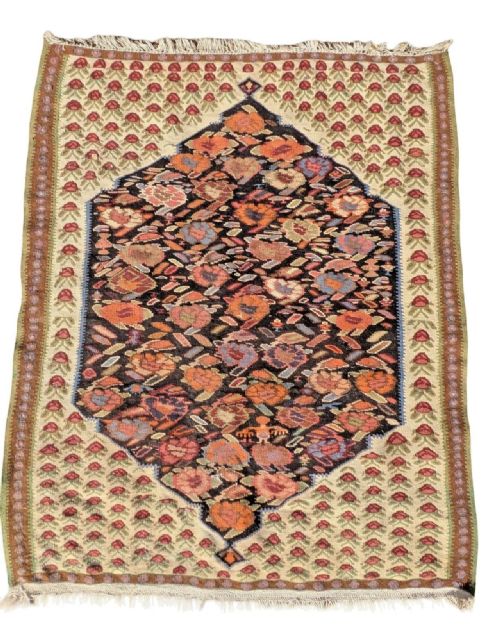
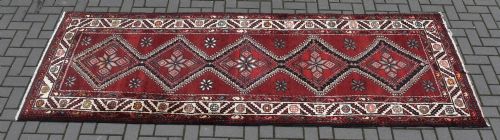
The regional styles vary from the bold designs of Caucasian Kazak and Shirvan rugs to the intricate floral and tribal geometries of Bidjar, Heriz, and Tabriz pieces. Formats range from narrow hallway runners to large room-sized carpets and flatwoven kilims. Each region expresses the traditional diamond medallion through distinct local colour palettes and knotting densities.
How they were made
These woven textiles rely primarily on wool and cotton foundations and pile yarns, manipulated through traditional handweaving techniques. Artisans knot the wool pile onto sturdy cotton or wool warp and weft threads to create durable floor coverings.
Village and tribal weavers also produce flatwoven kilims without pile, utilising tight warp-faced weaving methods to form crisp geometric patterns. Natural dyeing traditions impart deep, varied hues to the wool before the weaving process begins.
Traditional Diamond Medallion Rug Retail Price Guide 2026
Typical asking prices for traditional diamond medallion rug among the pieces listed under this phrase on Sellingantiques today, from the lower quarter to the upper quarter. They describe what is for sale here now, not the wider market.
Regional styles include Persian Tribal, Caucasian, Anatolian, and specific village variants like Bidjar and Qashqai.
What varies in quality
Quality in these woven pieces rests upon the tightness of the knotting and the precision of the geometric layout. Finer examples display intricate detail within the diamond medallions and crisp boundaries along the tribal borders.
The integrity of the wool foundation and the consistency of the handweaving execution dictate the durability of the textile. Greater care in selecting and spinning the wool yields a softer pile that retains its structural integrity over generations.
Qashqai·Khamseh·Bidjar·Ushak
The Traditional Diamond Medallion Rug Glossary
- Medallion
- A central ornamental motif, often diamond or polygonal in shape, dominating the field of the rug. It serves as the primary focal point of the traditional design.
- Warp
- The vertical threads stretched tightly on the loom that form the structural foundation of the rug. The pile knots are tied around these stationary parallel threads.
- Weft
- The horizontal threads passed alternately over and under the warp threads after each row of knots. They bind the knots securely in place and determine the rigidity of the textile.
- Kilim
- A flatwoven textile produced without a pile by tightly interweaving warp and weft threads. These pieces often feature sharp geometric patterns due to the slit-weave technique.
- Boteh
- A traditional almond-shaped or paisley motif representing a floral spray or cypress tree. It appears frequently in Persian and Caucasian regional weaving.
Traditional Diamond Medallion Rug: Frequently Asked Questions
How do I clean a wool rug?
Regular gentle vacuuming without a beater bar removes loose dirt from the wool pile. Professional specialist cleaning is necessary to protect the natural fibres and dyes.
Water and harsh chemical detergents should be avoided to prevent dye bleeding and fibre degradation. Blot spills immediately with a clean, dry cloth.
Where were these rugs woven?
These textiles originate from various regions including Persia, the Caucasus, and Anatolia. Tribal groups and village workshops produced them across distinct geographical areas.
Each weaving centre developed specific patterns, colour choices, and structural techniques that identify their geographic origin.
Can I place a runner in a hallway?
Elongated runner formats suit high-traffic hallways and corridors perfectly. Their narrow dimensions fit spatial limitations while protecting floorboards.
Using a quality underlay prevents slipping and cushions the wool foundation against heavy foot traffic.
How do I identify a tribal rug?
Tribal pieces often display asymmetric geometric motifs, stylised animal figures, and energetic colour combinations. Weavers created these from memory rather than strict architectural cartoons.
Irregularities in the symmetry and spontaneous design shifts indicate authentic hand-knotted tribal production.