
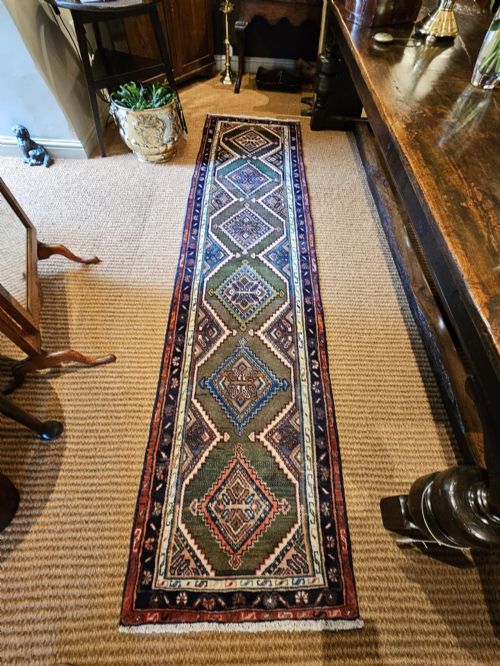
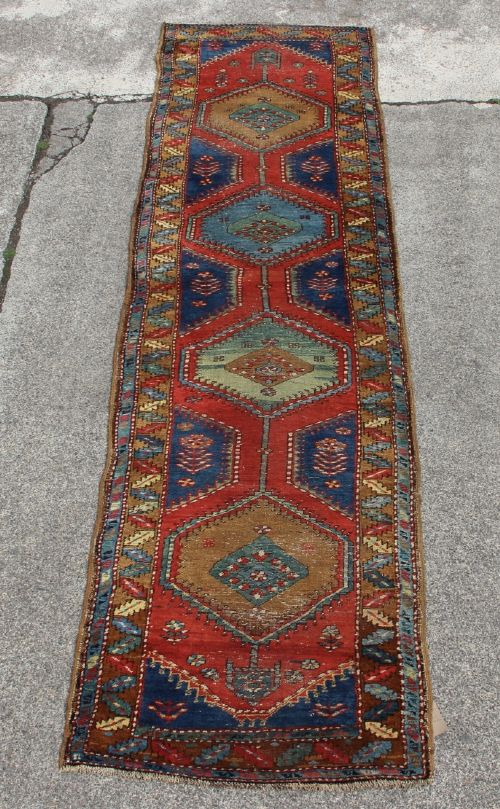
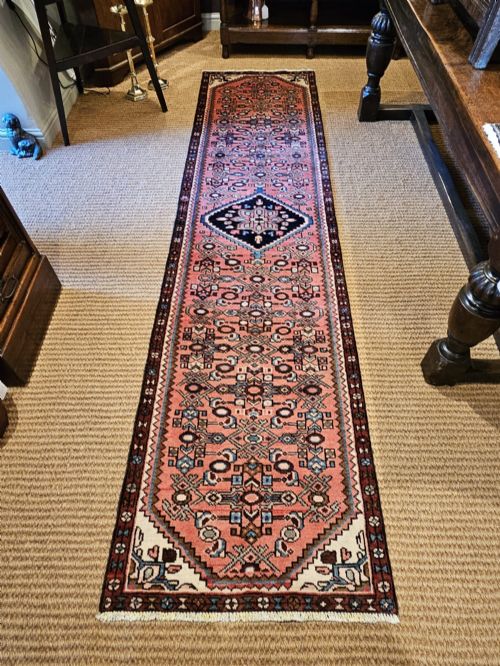

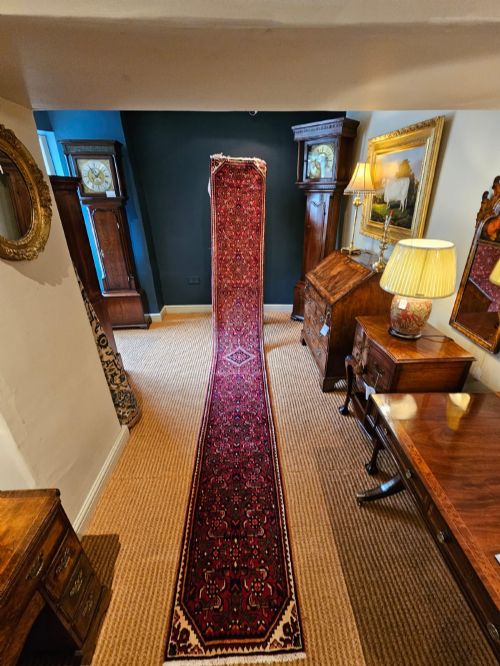


Narrow Persian Hallway Carpet
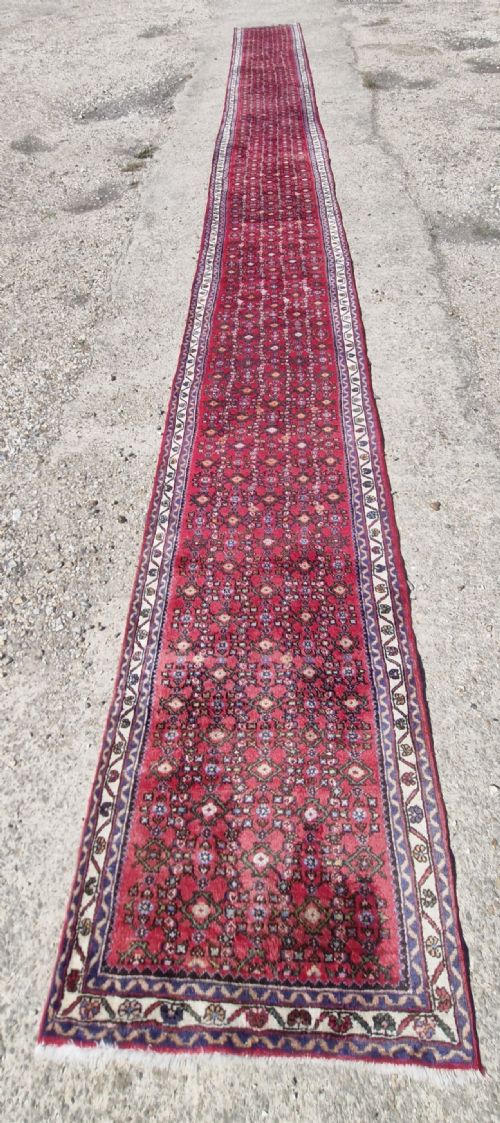
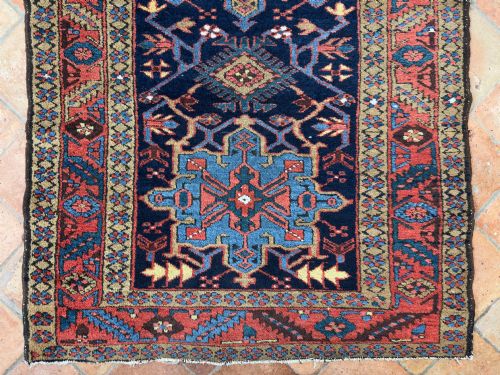
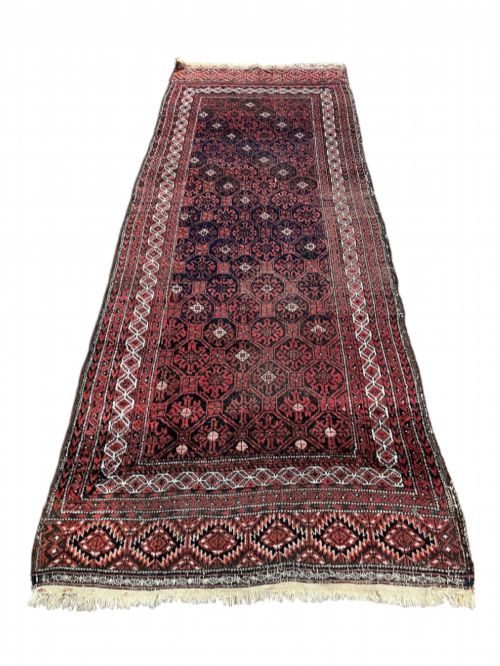
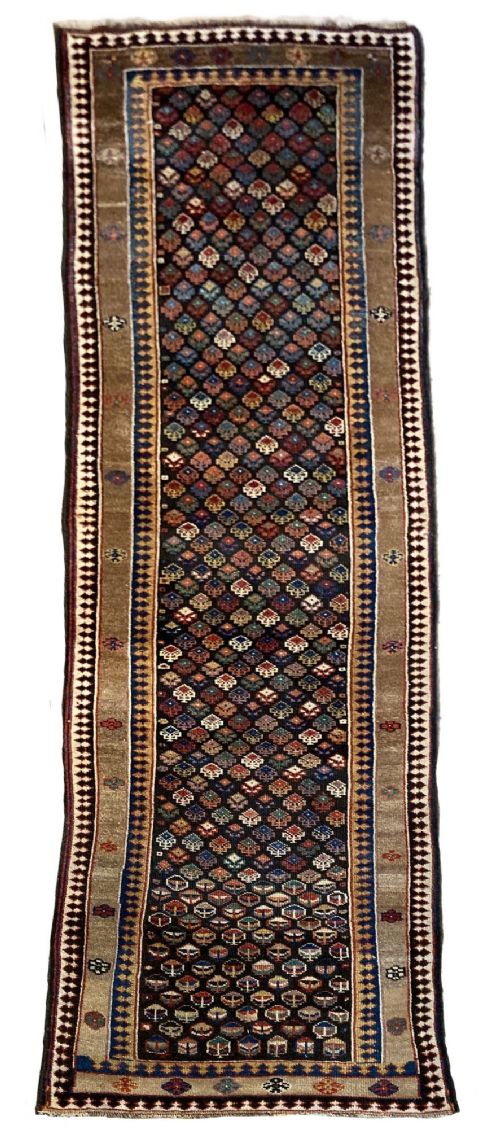
A narrow persian hallway carpet provides an extended span of patterned warmth for corridors, woven in wool and cotton across the nineteenth and twentieth centuries.
Narrow Persian Hallway Carpet
When searching for a narrow persian hallway carpet, buyers encounter elongated formats designed specifically for corridors and landings. These pieces primarily span the nineteenth century up to the nineteen-thirties, offering substantial lengths for domestic spaces.
The selections on this page typically manifest as traditional runners and long rugs originating from various regional workshops and tribal groups. Common formats include North West Persian pieces, Heriz weaves, and Hamadan productions.
Proportions skew heavily toward length and restricted width, accommodating narrow passages without overwhelming the floor area. Materials remain grounded in durable natural fibres suited to heavy foot traffic.
How They Were Made
Weavers constructed these long carpets using hand-spun wool and standard wool piles set onto cotton foundations, occasionally incorporating camel hair for natural tone variations. These materials provided the necessary resilience for hallway placement.
The production techniques relied on traditional hand-knotting methods passed down through regional traditions, resulting in dense piles capable of withstanding decades of use.
Listings feature pieces spanning from the eighteen-seventies through the nineteen-thirties, utilising wool, cotton, and camel hair.
What Varies in Quality
Knot density and structural tightness dictate the longevity and definition of the patterns within each runner. Tighter foundations generally support sharper motif outlines and firmer pile retention under foot.
The nuance of the dye palette and the consistency of the wool preparation separate standard commercial production from superior village and tribal weaving. Subtle shifts in natural coloration add depth that uniform synthetic dyeing fails to achieve.
Heriz·Hamadan·Bidjar
The Narrow Persian Hallway Carpet Glossary
- Runner
- A long, narrow carpet format designed primarily for hallways, corridors, and staircases. It stretches the decorative field to fit restricted floor widths.
- Pile
- The upright surface yarn of a carpet formed by knotted loops or cut ends. It provides the tactile cushion and protects the foundation structure underneath.
- Warp
- The stationary longitudinal threads stretched on a loom parallel to each other. Weft threads pass horizontally through these to lock the knots in place.
- Kilim
- A flat-woven carpet or rug produced without a pile by tightly interweaving warp and weft strands. These pieces offer a lighter weight and completely flat floor covering.
Narrow Persian Hallway Carpet: Frequently Asked Questions
How do I measure for a hallway runner?
Measure the clear floor space of your corridor, leaving an equal margin of exposed wood or tile around the edges of the carpet.
Ensure doors can swing freely over the pile height without catching on the leading edge.
Where should I place a narrow runner?
These pieces suit high-traffic corridors, long entryways, and narrow landing spaces where linear floor coverage softens footfall.
They guide movement through a home while protecting underlying floorboards from continuous wear.
How do I clean an antique wool carpet?
Regular gentle vacuuming without a rotating brush roll prevents dirt from settling deep into the wool pile.
Professional textile cleaning is recommended for deeper maintenance to preserve the natural lanolin and dyes.
How do I identify a regional Persian style?
Examine the specific geometry, medallion structures, and border designs which often point to distinct weaving centres like Heriz or Hamadan.
Palette choices and structural density further reveal whether a piece originates from a specific village or tribal group.