


Handwoven Wool Hallway Carpet
A handwoven wool hallway carpet brings enduring warmth and texture to narrow spaces through generations of traditional craft.
Handwoven Wool Hallway Carpet
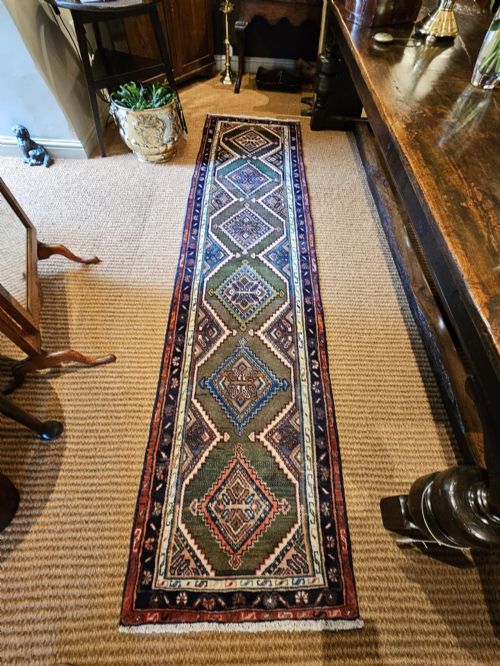
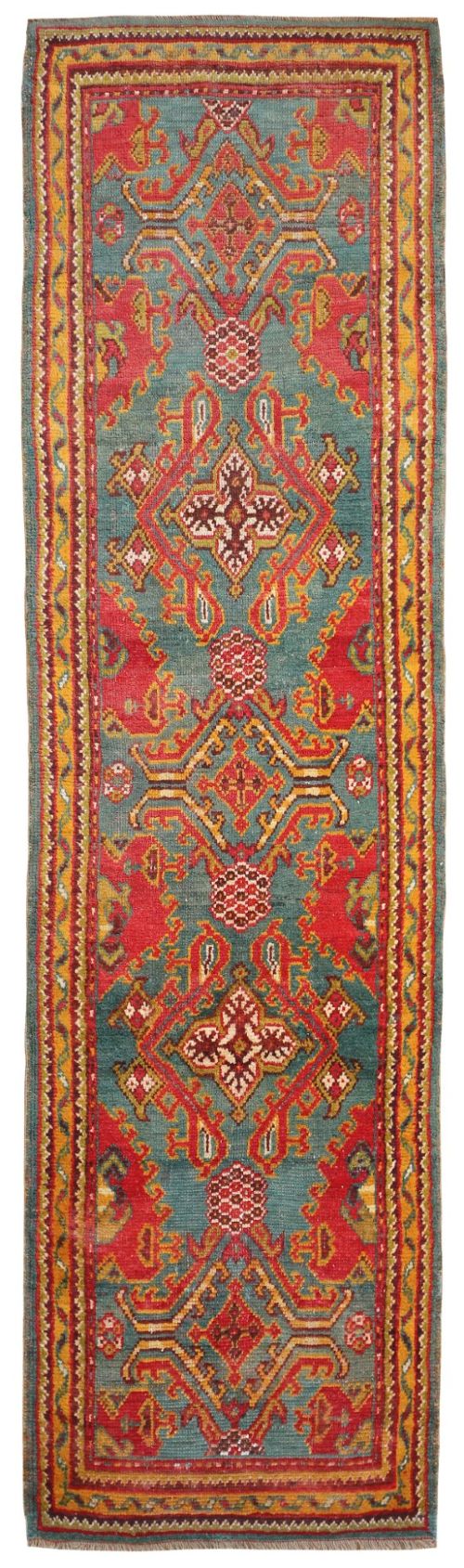
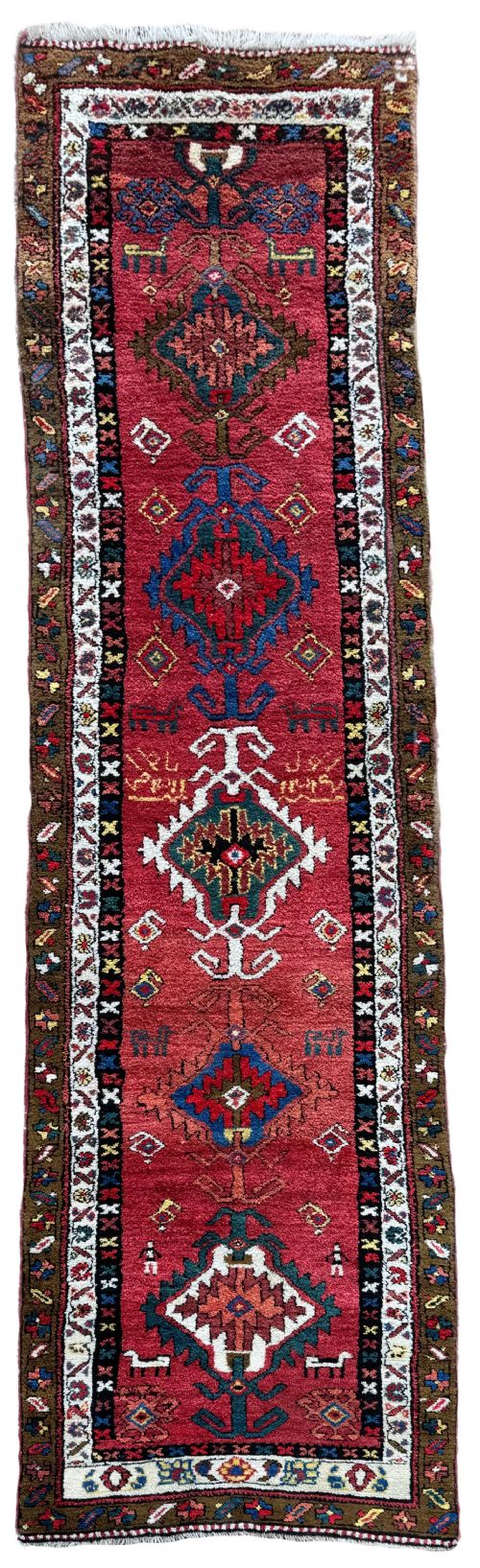
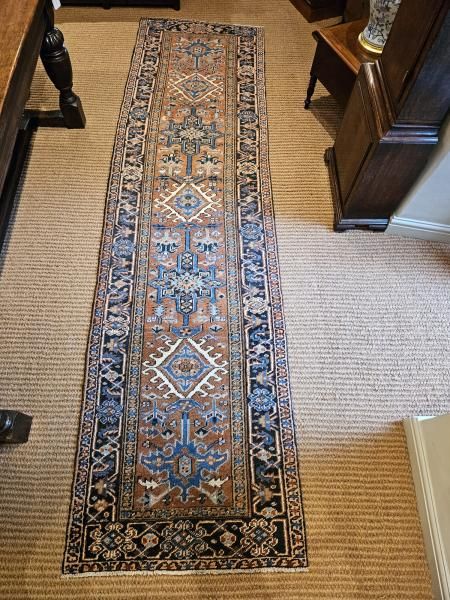
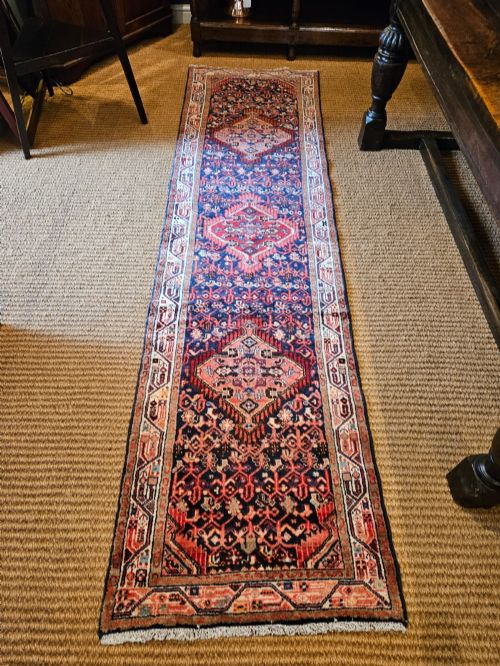
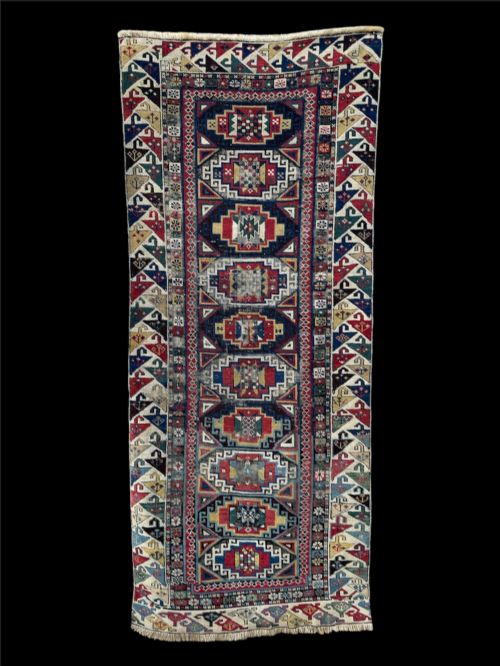
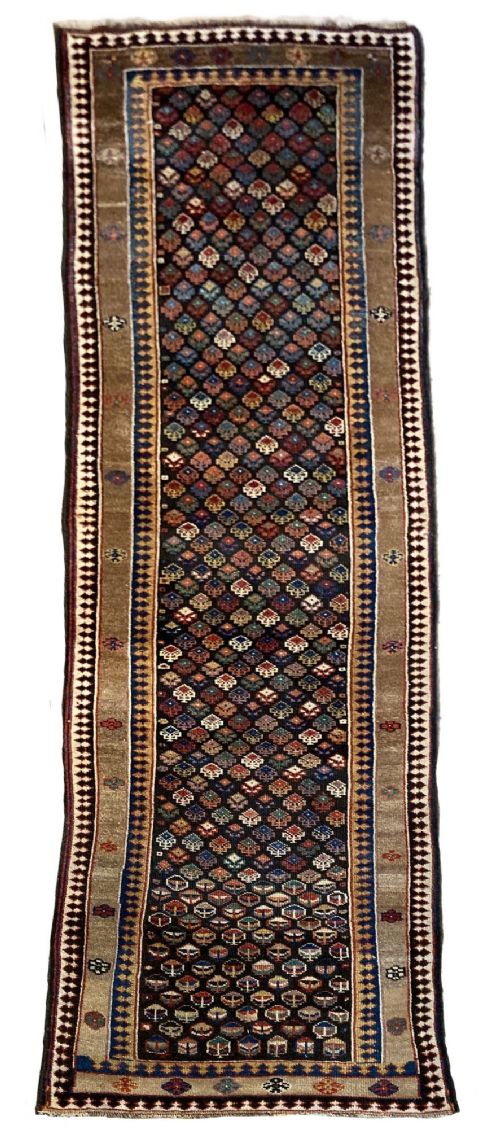
A handwoven wool hallway carpet encompasses long, narrow floor coverings designed specifically for corridors and passageways. The pieces available span from the late nineteenth century through to the early decades of the twentieth century, originating primarily from Persian, Caucasian, Turkish, and Afghan weaving traditions.
Buyers will frequently encounter regional types such as Heriz, Hamadan, Shirvan, and Baluch runners. These carpets utilise traditional formats suited for linear spaces, combining practical durability with distinct tribal and village designs.
Materials and construction
These textiles rely predominantly on wool foundations and piles, often supported by cotton warp and weft threads, with occasional use of camel hair. Natural dyes provide the underlying palette, yielding rich tones that age with considerable character.
The construction involves entirely handwoven techniques, encompassing both knotted pile carpets and flatwoven kilims. Artisans tie dense knots or weave intricate bands of weftwork decoration by hand on traditional vertical and horizontal looms.
Listings feature pieces spanning the late nineteenth century through to the 1930s, utilising wool, cotton, camel hair, and natural dyes.
Evaluating the weaving
The standard of a handwoven wool hallway carpet rests upon the tightness of the knotting and the structural integrity of the foundation. Tighter weaves and finer wool selection create resilient surfaces capable of withstanding heavy foot traffic in narrow spaces.
Design clarity and the depth of natural dyes further distinguish individual pieces. Variations in visual balance and the precision of geometric or floral motifs reflect the skill of the individual weaver and the specific regional workshop.
The Handwoven Wool Hallway Carpet Glossary
- Runner
- A long, narrow carpet format specifically proportioned for corridors, hallways, and staircases. These pieces measure significantly longer than they are wide.
- Kilim
- A flatwoven carpet or rug produced without a pile by tightly interweaving warp and weft strands. This technique creates a smooth, durable textile with patterns visible on both sides.
- Warp
- The vertical foundation threads stretched tightly on the loom before weaving begins. The pile knots are tied around these stationary threads.
- Weft
- The horizontal threads passed back and forth across the warp to hold the knots and structure securely in place. In flatweaves, these threads form the visible pattern.
- Natural Dyes
- Colourants derived from plant, insect, and mineral sources prior to the widespread adoption of synthetic alternatives. These dyes produce complex, muted hues that develop a soft patina over time.
Handwoven Wool Hallway Carpet: Frequently Asked Questions
How do I choose the correct runner length?
Measure the clear floor space of your hallway while leaving a uniform border of exposed flooring visible around the edges. This ensures the carpet fits comfortably without crowding the passageway.
Account for doors opening into the hallway to confirm they will clear the thickness of the piled wool or flatwoven structure.
Where were these carpets traditionally woven?
Production centred in domestic village workshops and nomadic tribal communities across Persia, the Caucasus, Anatolia, and Central Asia. Each region developed distinct wool preparation methods and design repertoires.
Weavers passed these technical traditions down through families, utilising locally sourced materials and natural dyes characteristic of their specific locale.
How do I care for an antique wool runner?
Regular gentle vacuuming without a rotating brush roll prevents dust and grit from settling deep into the wool pile. Professional cleaning by specialists in antique textiles ensures the structural integrity remains protected.
Using a quality underlay beneath the carpet prevents slipping on smooth hallway floors and reduces friction between the wool foundation and the ground.
Can I distinguish tribal designs from village pieces?
Tribal runners produced by nomadic groups often feature geometric motifs, memory-woven patterns, and bold coloration reflecting immediate surroundings. Village carpets frequently display more structured medallion layouts and repeating floral arrangements.
Both categories rely on handwoven techniques, but the stylistic arrangement of symbols and borders points toward the specific culture of the makers.