



Traditional Desk Chair
A traditional desk chair brings solid timber and enduring form to the study, offering a sturdy seat shaped for long hours at work.
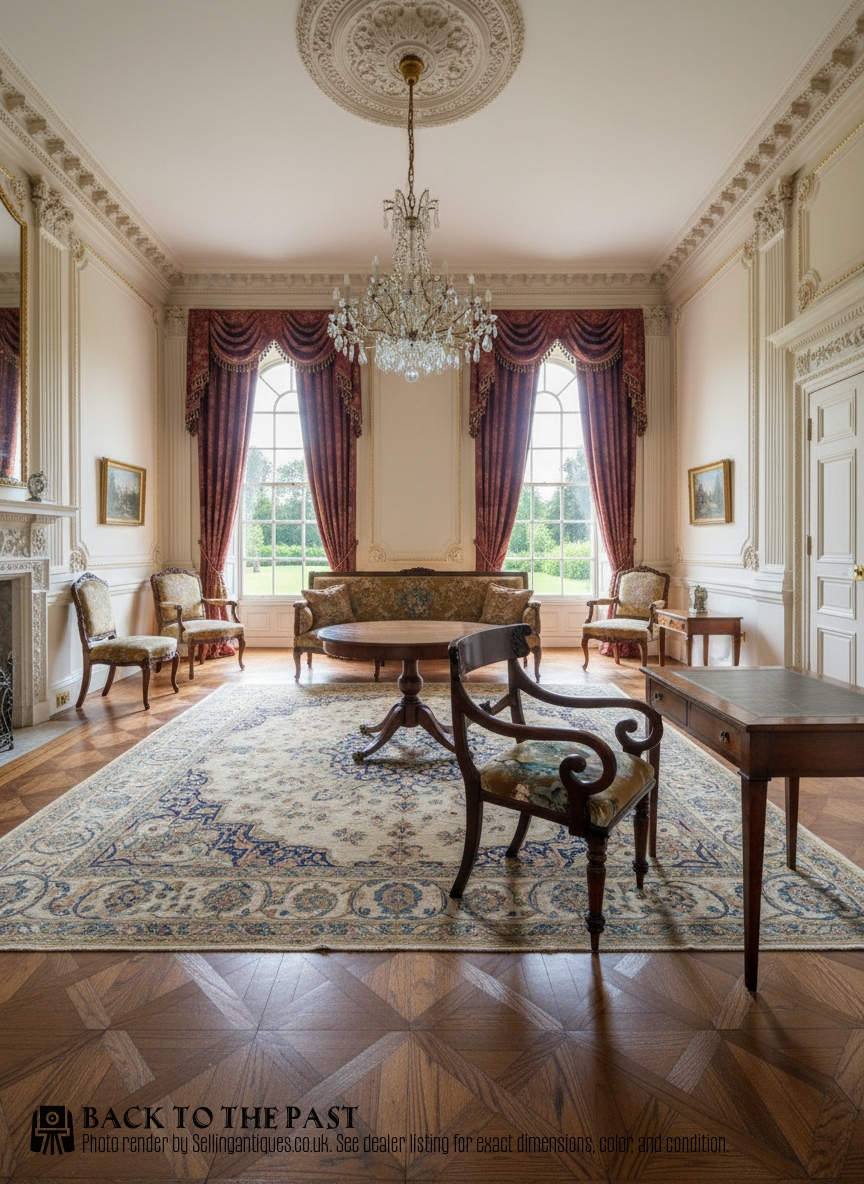
Traditional Desk Chair
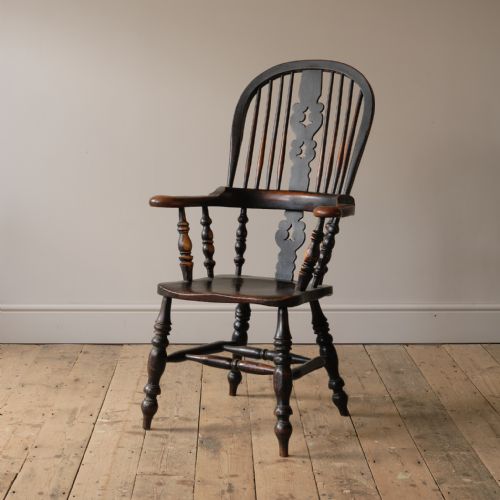
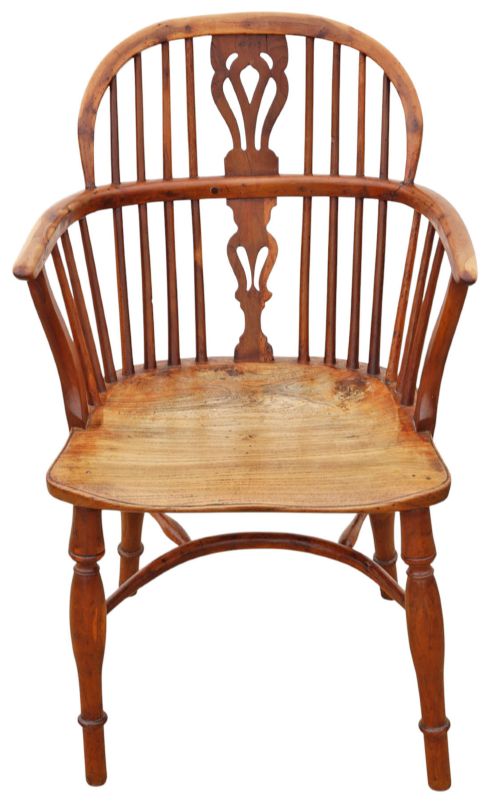
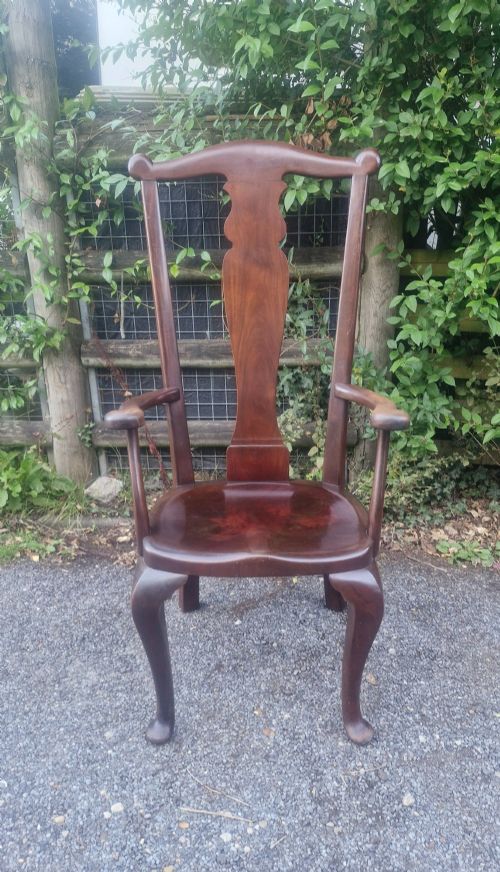
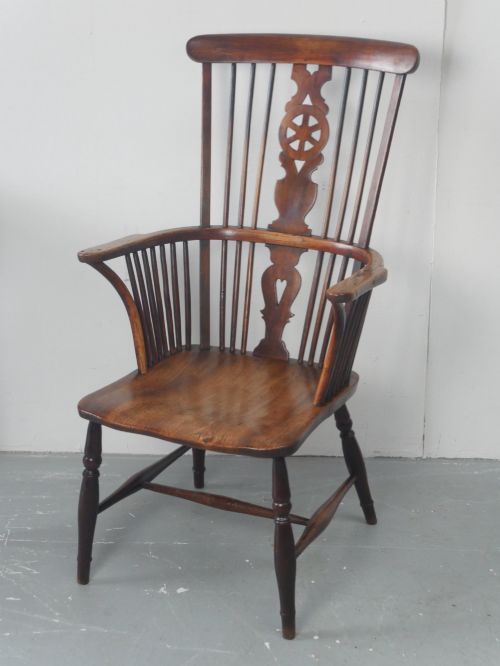
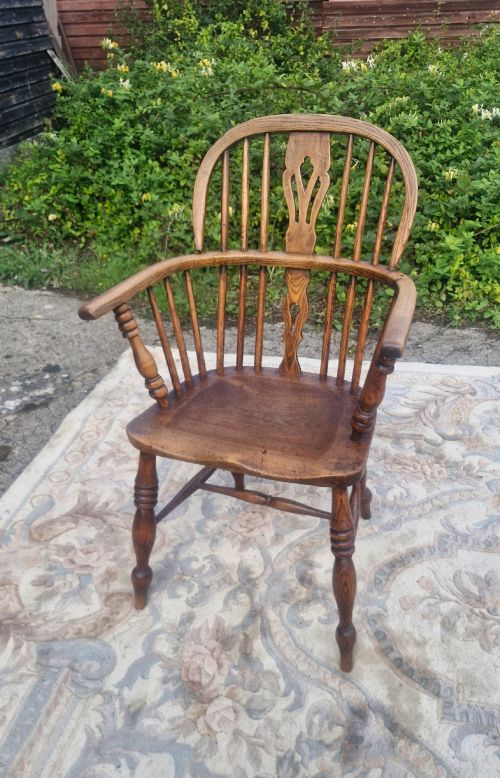
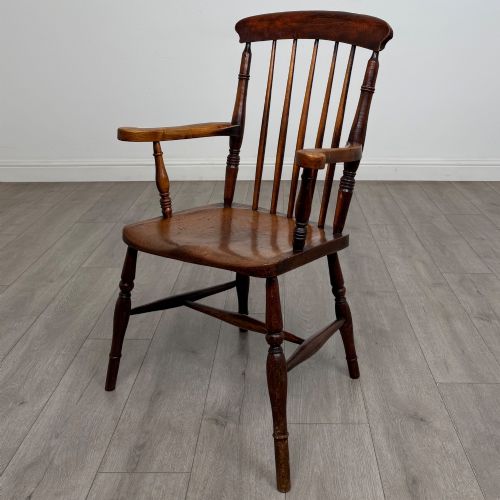
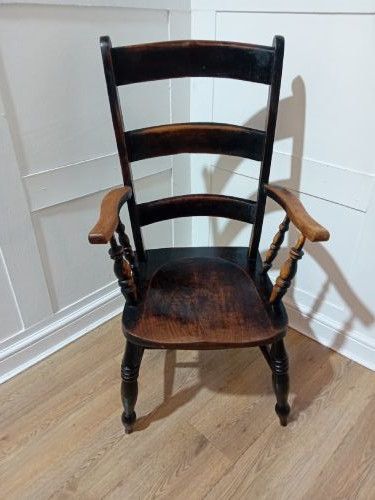
Buyers encounter Windsor armchairs, low back variations, and revolving office seats upholstered in leather or fitted with wooden saddles. These forms reflect centuries of cabinet making and country joinery aimed at comfort and daily utility in the library or office.
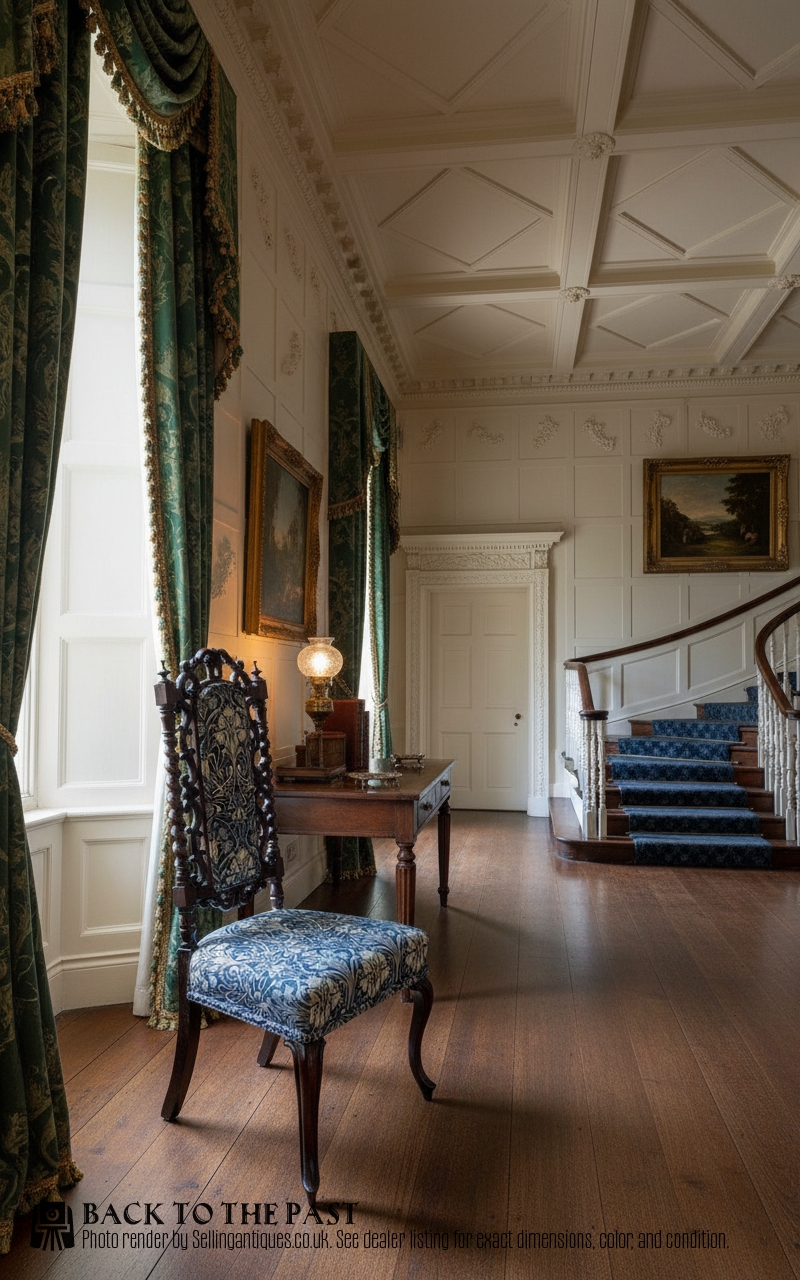
Materials and Construction
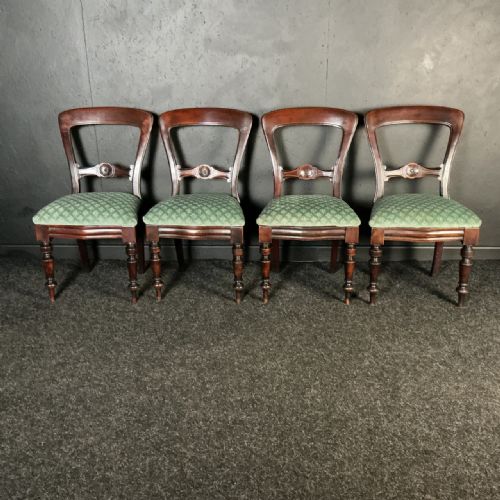
Construction relies heavily on native hardwoods such as elm, ash, and beech for bent frames and spindles, paired with rich mahogany and oak for formal library seating. Turners and joiners utilised steam bending for hoop backs and pegged mortise and tenon joints to secure strength across the frame.
Surfaces often feature brass fittings on revolving mechanisms, leather upholstery secured with tacks, and traditional polish that preserves the grain of the timber.
Traditional Desk Chair Retail Price Guide 2026
Typical asking prices for traditional desk chair among the pieces listed under this phrase on Sellingantiques today, from the lower quarter to the upper quarter. They describe what is for sale here now, not the wider market.
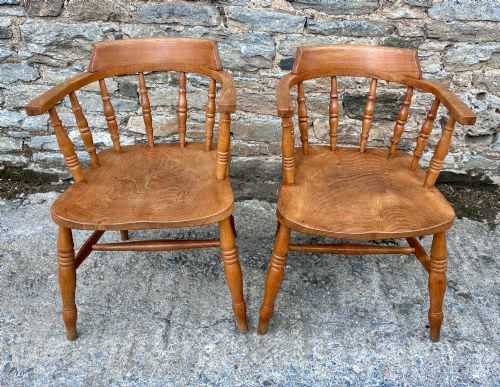
Several captain's chairs still bear the honest bumps and ink stains accumulated from decades of paperwork.
Craftsmanship and Proportion
Quality rests in the fluidity of the timber turnings, the depth of the carved details on mahogany armchairs, and the integrity of the structural joints. Superior examples maintain balanced proportions, particularly in the curve of the comb back and the comfort of the saddle seat.
Desirable pieces retain their original finish and operating mechanisms without intrusive timber replacements, distinguishing daily utility work from finer cabinet making.
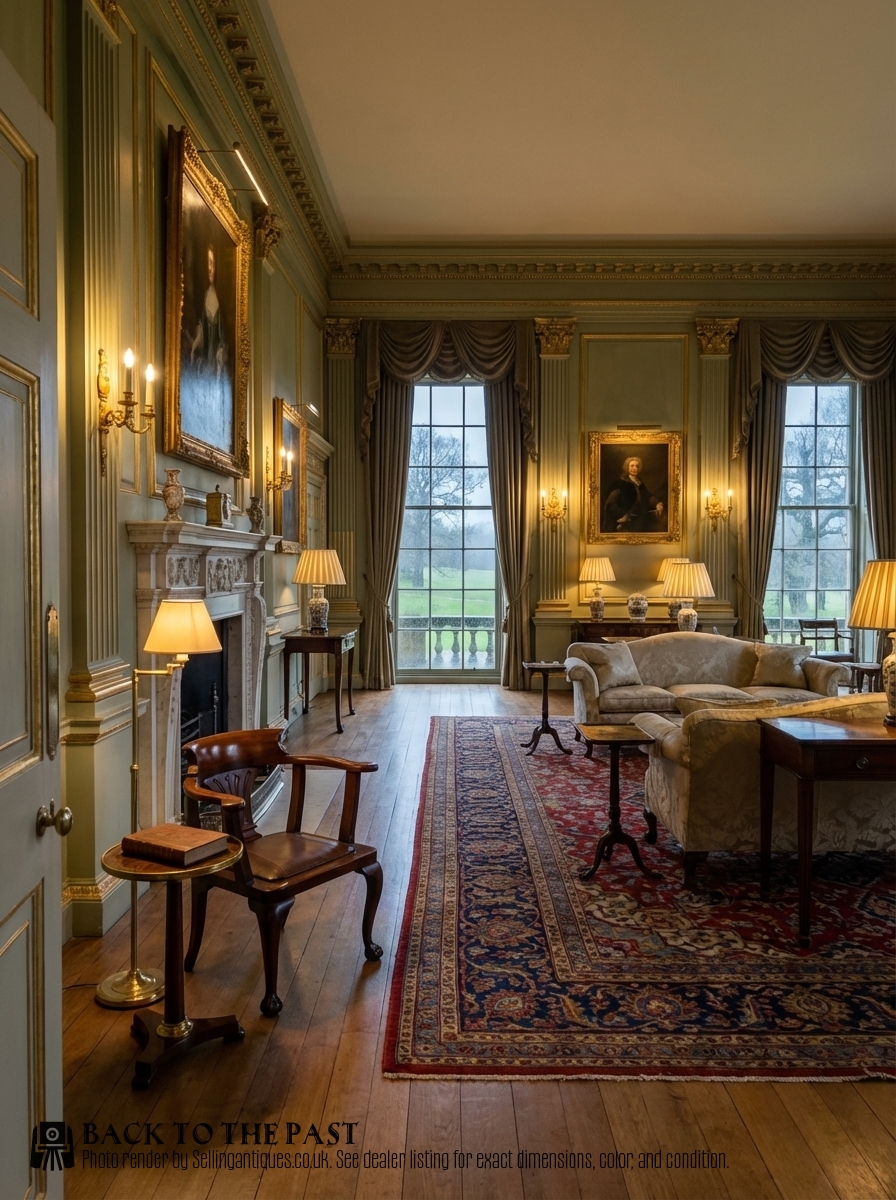
Charles Tozer·J Spencer·Alfred Allen of Birmingham
The Traditional Desk Chair Glossary
- Windsor chair
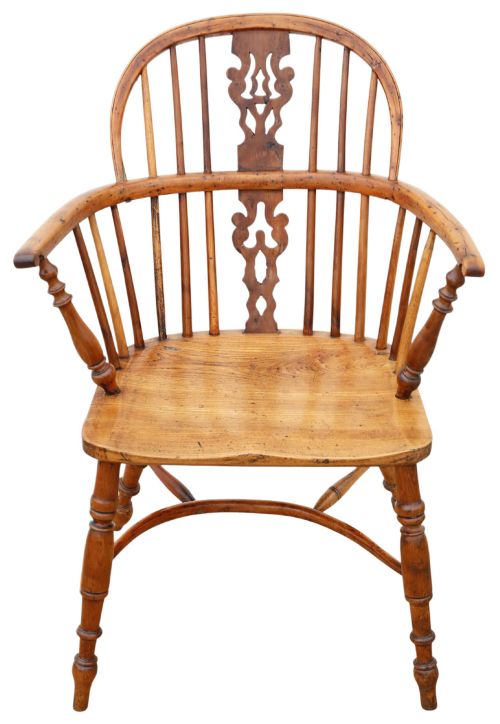
- A wooden chair constructed with a solid sculpted seat into which the legs and back spindles are radials inserted. This form utilises a combination of woods like elm for the seat and ash for the bent bow.
- Captain's chair
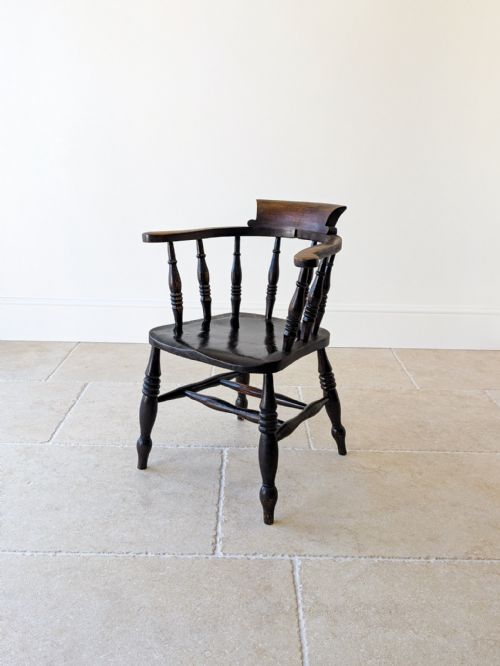
- A low-backed wooden armchair designed for compact spaces and sturdy use. These typically feature a continuous curved arm rail supported by numerous spindles.
- Carver
- An armchair designed in the style of the matching dining chairs to sit at the head of a table. They frequently appear in mahogany or oak across Georgian and Victorian selections.
- Swivel desk chair
- An office seat mounted on a revolving mechanism, often incorporating a central column and wooden or leather upholstered tilt top. Edwardian and late Victorian examples frequently utilise oak for this purpose.
- Stick back
- A chair design characterised by upright wooden spindles forming the backrest without elaborate carved splats. This vernacular style appears widely in country seating.
Traditional Desk Chair: Frequently Asked Questions
What is a smoker's bow?
A smoker's bow is a sturdy low-backed Windsor armchair, typically constructed with an elm seat and ash or beech spindles. These chairs gained popularity in domestic and public spaces during the nineteenth century.
The low profile and comfortable arm rails made them suited for prolonged sitting at a desk or reading table.
How do I identify a Victorian desk chair?
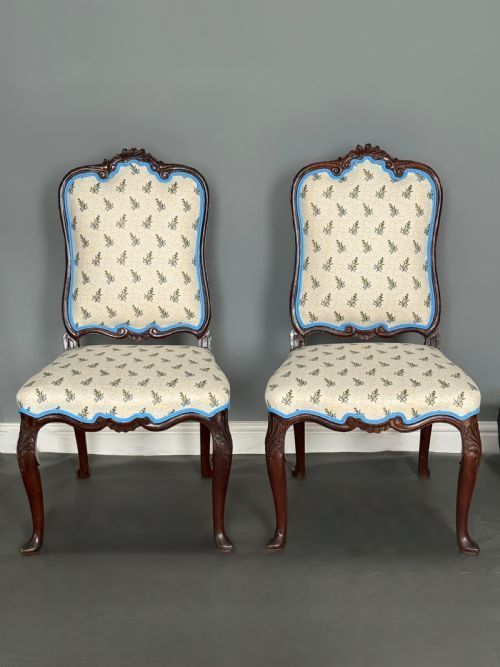
Victorian desk chairs often incorporate mahogany or oak frames, sometimes featuring revolving mechanisms or leather upholstery. They span styles from revival Chippendale to vernacular Windsor forms.
Examination of the timber turning and joinery helps distinguish these nineteenth-century pieces from later reproductions.
Are swivel chairs period originals?
Revolving office chairs emerged strongly during the Victorian and Edwardian periods to meet the demands of growing administrative work. These utilise timber frames, brass hardware, and central iron spindles.
They combine traditional cabinet making with early mechanical engineering for the workspace.
Which woods were used for Windsor chairs?
Maker traditions typically combined different native timbers to utilise their specific mechanical properties. Elm provided a tough, split-resistant seat, while ash or yew offered flexible strength for steam-bent bows and spindles.
This multi-wood construction is a hallmark of traditional country workshop practice.