
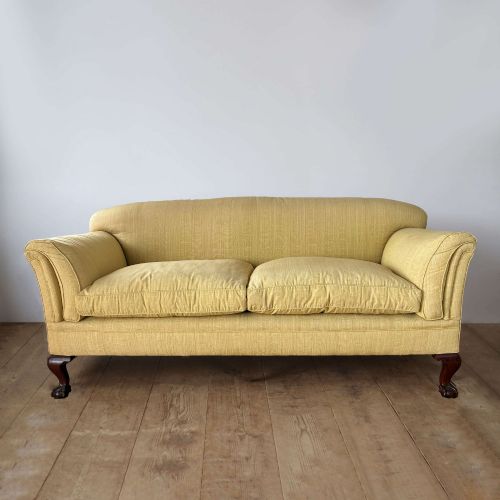
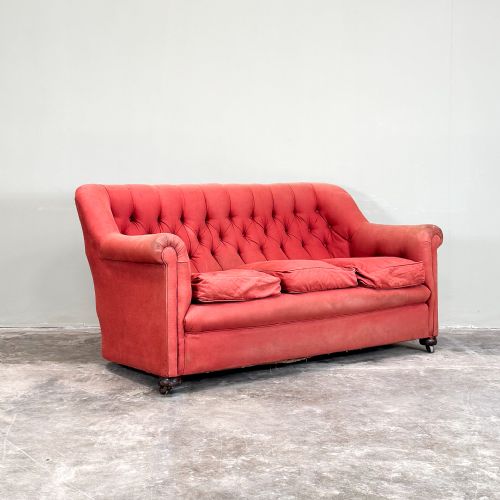
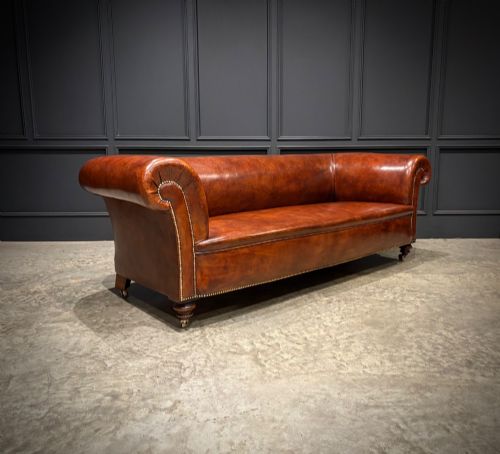


Traditional Deep Seat Sofa
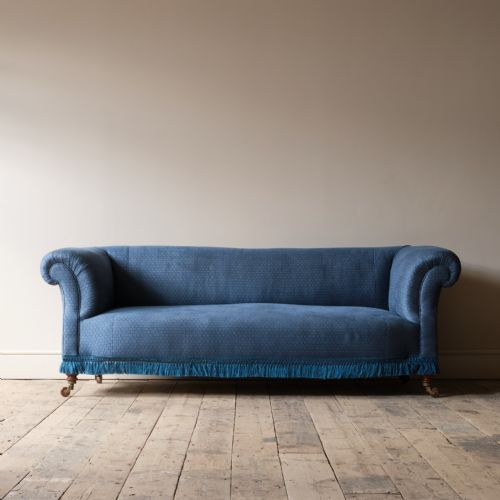
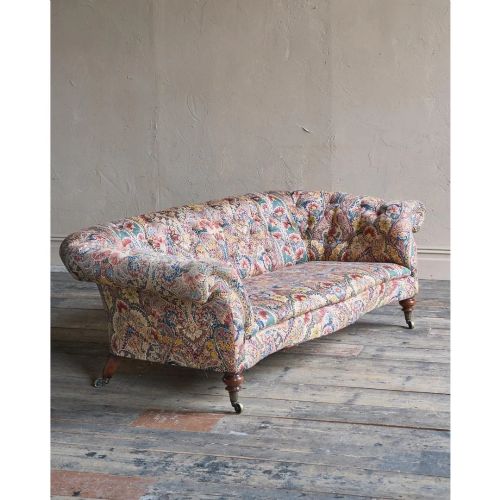
A traditional deep seat sofa offers deep proportions and substantial comfort, uniting nineteenth-century craftsmanship with relaxed country house style.
Traditional Deep Seat Sofa
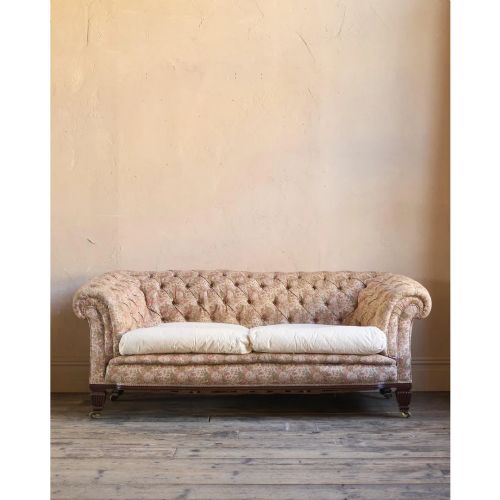
When searching for a traditional deep seat sofa, buyers encounter nineteenth-century Chesterfields, Edwardian country house seating, and 1930s British designs. These seating forms span the nineteenth century, the Edwardian era, and the 1930s, reflecting changing domestic comforts over several decades.
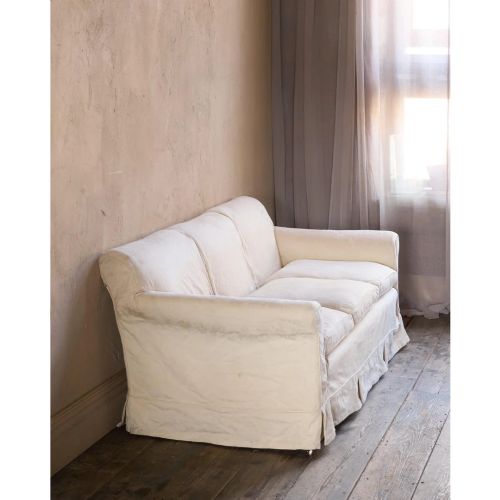
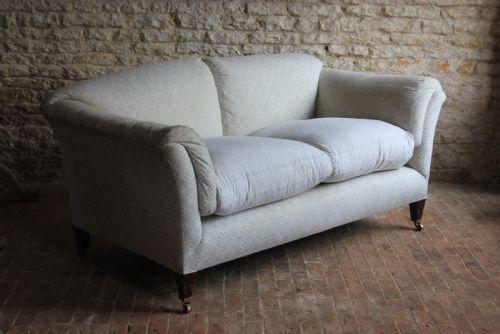
The pieces appearing on this page most commonly take the form of generous Chesterplays, low country house models, and deep two-seaters or three-seaters. Makers utilised robust timber frames upholstered in leather, velvet, calico, and ticking to achieve this deep seating.
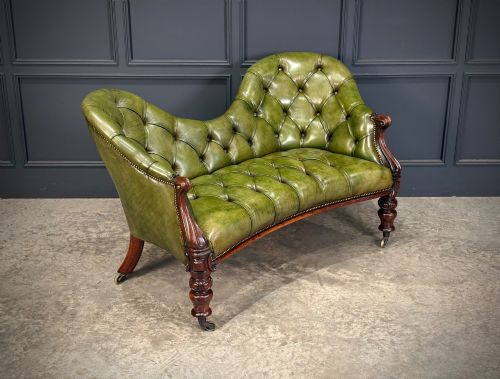
Origins heavily favour English workshops, with distinct styles ranging from Victorian buttoned leather to nineteenth-century Howard & Sons productions and Art Deco club pieces. Buyers select these sofas for their combination of architectural presence and exceptional lounging depth.
How they were made
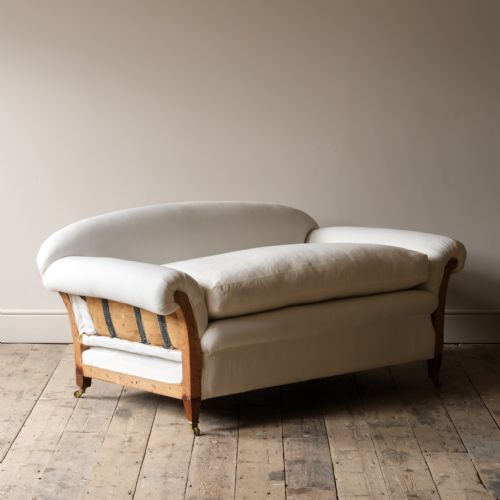
Makers constructed the internal frames of timber, incorporating mahogany and general hardwood to support the substantial weight of deep upholstery. Sprung systems and webbed foundations provided the underlying resilience required for deep seating.
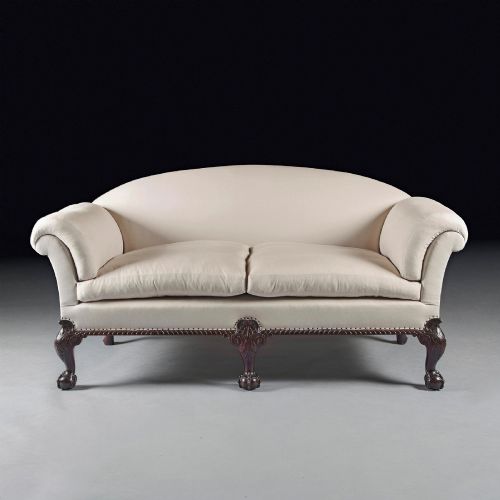
Upholstery methods involved traditional stuffing covered in calico, ticking, or heavy fabric, often finished with buttoning in leather or velvet. Details such as brass castors and ball and claw feet completed the bases of these substantial frames.
Several pieces preserve their original nineteenth-century cotton ticking, reminding us that even fine London upholstery spent decades hidden beneath simple work clothes.
What varies in quality
The distinction between tiers rests upon the integrity of the original frame construction and the survival of authentic upholstery materials like early ticking or stamped castors. Pieces retaining their un-restored stuffing and maker stamps command greater interest among collectors.
Proportion and execution also define the range, where finely turned mahogany legs and well-balanced deep seating proportions separate standard workshop output from premier London cabinet-maker productions.
Howard and Sons·Gillows·Hampton and Sons
The Traditional Deep Seat Sofa Glossary
- Chesterfield
- A large upholstered sofa with arms and back of the same height, traditionally button-tufted in leather or fabric. This form developed in Britain during the nineteenth century.
- Ticking
- A tightly woven cotton or linen fabric used as an under-upholstery layer to contain stuffing. Original ticking often bears maker stamps or workshop stencils.
- Button-back
- An upholstery technique where indentations are formed across the backrest using deep buttons secured through the padding. This secures the internal stuffing and creates a distinct geometric pattern.
- Chaise Longue
- An upholstered sofa in the shape of a chair that is long enough to support the legs. Nineteenth-century examples often feature a single scroll end and buttoned velvet.
Traditional Deep Seat Sofa: Frequently Asked Questions
How do I identify a Howard and Sons sofa?
Howard and Sons pieces often feature stamped brass castors, numbered legs, and specific maker signatures on the lining or frame. The construction utilises high-quality stuffing and robust framing.
Many examples also bear paper labels or stamps indicating their London addresses, such as Berners Street.
Are buttoned leather Chesterfields Victorian?
Many buttoned leather Chesterfields date from the nineteenth century, spanning the Victorian period and earlier decades. Makers utilised deep buttoning with dark leather to create durable, imposing seating.
Later iterations continued into the twentieth century, but nineteenth-century examples remain the benchmark for traditional leather work.
How should I care for antique upholstery?
Antique upholstery requires gentle maintenance, avoiding direct sunlight and excessive heat to preserve fragile fabrics like velvet or antique leather. Regular light dusting helps prevent fibre degradation.
Original ticking and calico should remain undisturbed where possible to maintain the historical integrity of the piece.