
Traditional Country Picture
Traditional country picture works bring rural life, agricultural scenes and equine subjects directly into a room through historic oils and watercolours.
Traditional Country Picture
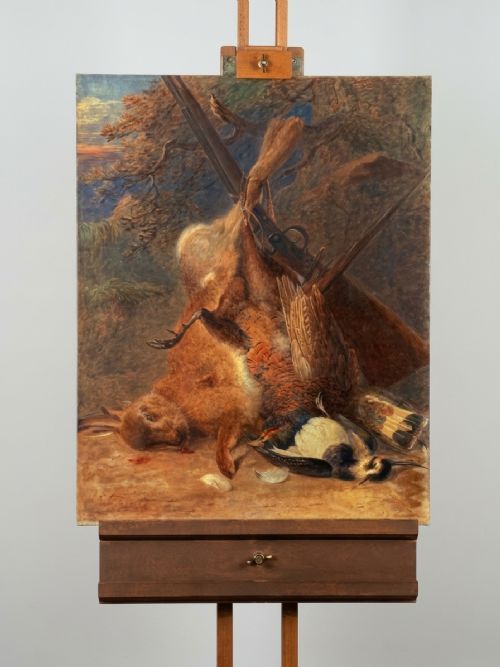
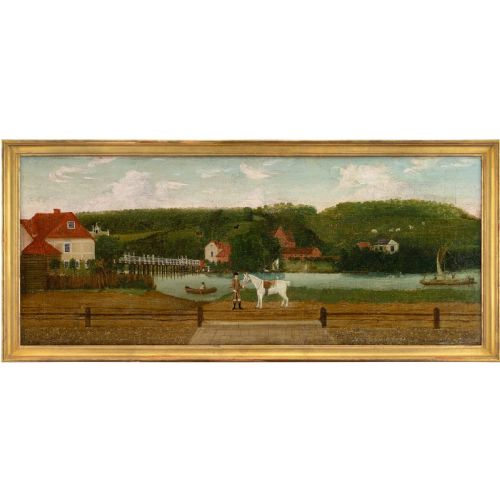
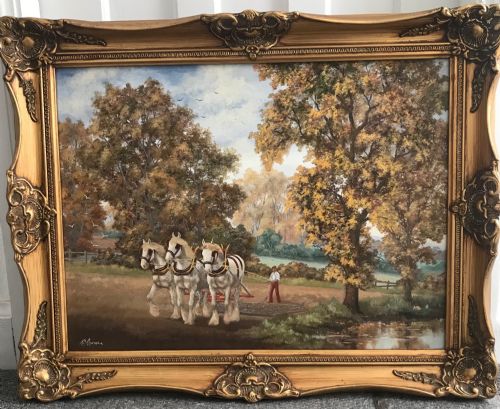
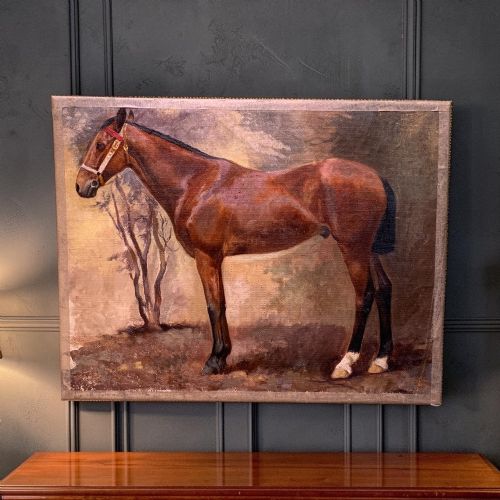
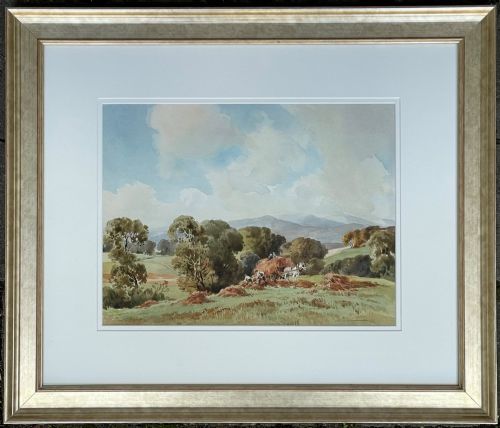
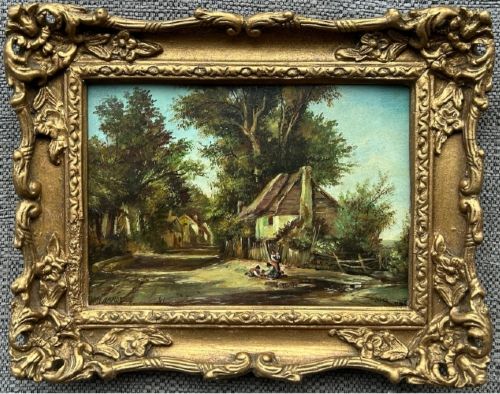
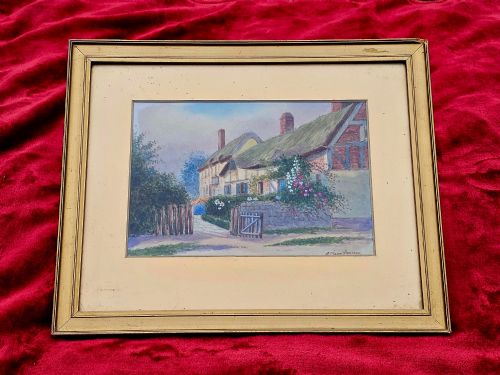
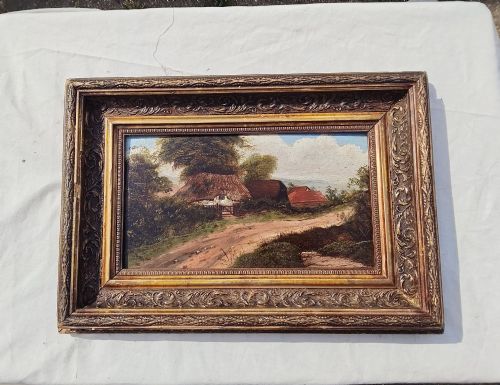
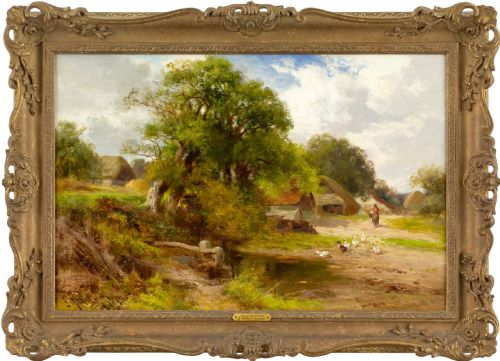
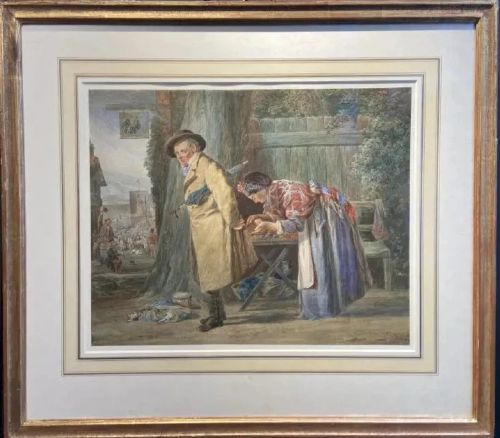
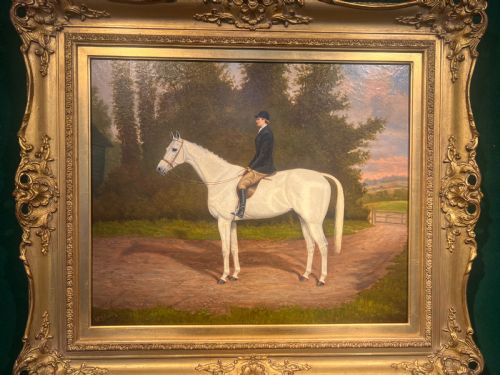
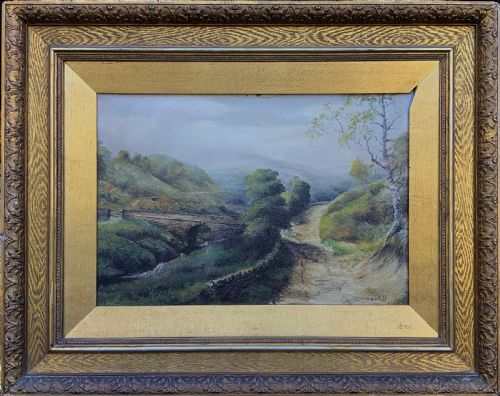
A traditional country picture encompasses rural landscapes, farmyard scenes, agricultural labour and animal portraits captured across the nineteenth and twentieth centuries. Buyers frequently encounter oil paintings on canvas, panel or board, alongside watercolours, lithographs and framed prints depicting horses, cattle, sheep and pastoral cottages.
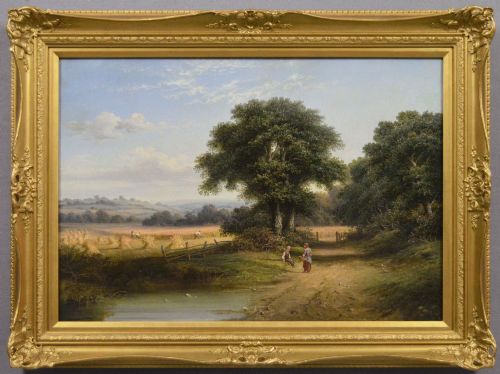
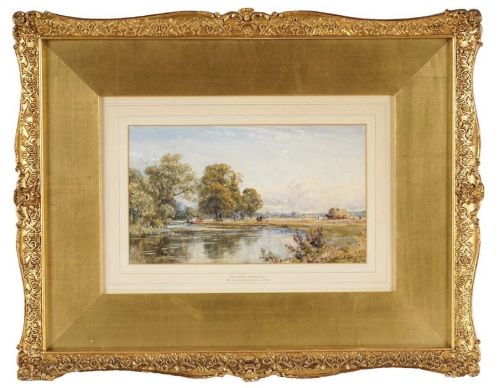
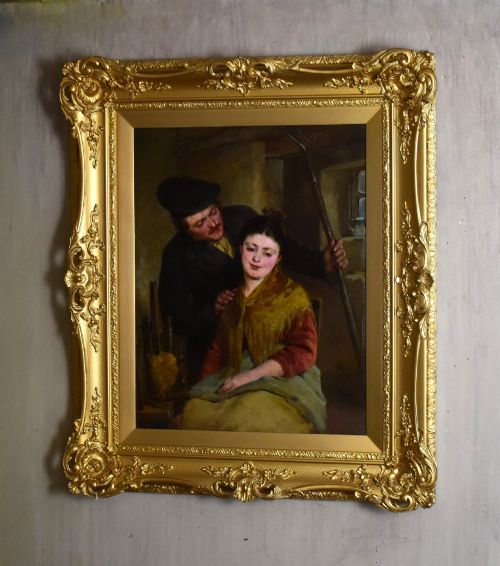
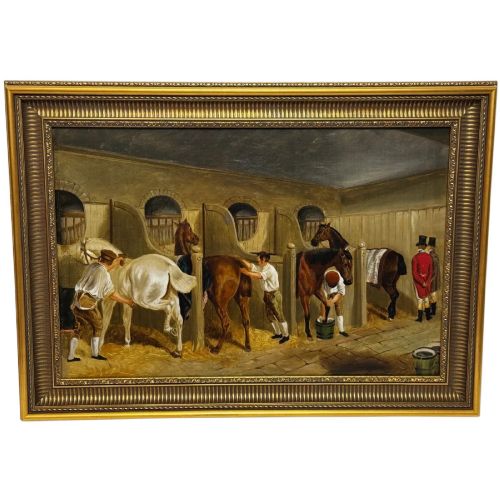
The selection ranges from Victorian realism and British impressionism to early twentieth-century depictions of regional countryside. Scenes often feature figures near harvest fields, river landscapes and sporting subjects executed by named British and European artists.
Works span from Georgian and Victorian periods through Edwardian interpretations up to mid-century rural studies. These pieces serve as historical windows into traditional agricultural life and rural topography.
Materials and Methods
Artists employed oil paint applied to canvas, wood panels, board and card, building rich textures and deep tones for landscapes and animal studies. Watercolours on paper offered lighter, translucent atmospheric effects for pastoral views and river scenes.
Framing typically involved wood, giltwood and gesso moulded frames that protected the works while providing decorative borders suited to period interiors.
The selection includes animal portraits of shire horses, border collies, shorthorn cattle and farmyard chickens.
Distinctions in Quality
Quality rests upon the handling of light, anatomical precision in animal and human figures, and the depth of compositional space within the landscape. Works by recognised Victorian and Edwardian painters display superior draughtsmanship and nuanced brushwork compared to anonymous school pieces.
The integration of the original frame, whether gilt wood or gesso, contributes significantly to the integrity of the piece. Superior examples maintain the harmonious relationship between the artwork and its period mount.
Percy Lancaster·William Howard Hardy·A Marie Parsons·Walter Heath Williams·Robert Thorne Waite·Howard Helmick·John Horace Hooper·Joseph H Barnes·William Albert Clarke·Henry Yeen King·T C Hofland·John Frederick Herring Snr·Henry Schouten·George Morland·Claude Cardon·Sydney Yates Johnson·A M Gauci·Hubert Wellington·Charles Walter Simpson·John Arthur Lomax·Robert Little·Thomas Sidney Cooper·John Frederick Herring Jnr
The Traditional Country Picture Glossary
- Oil on Canvas
- Pigment mixed with drying oil applied to a stretched woven fabric support. This method allowed artists to build rich layers of colour and texture.
- Watercolour
- Paint made with water-soluble pigments applied to paper. It creates transparent washes ideal for capturing light in pastoral landscapes.
- Gesso
- A paint mixture consisting of a neutral binder mixed with chalk, gypsum or pigment. It was applied to wood frames to create a smooth surface for gilding.
- Lithograph
- A print technique based on the chemical repulsion of oil and water. Artists drew on limestone plates to produce multiple impressions of rural scenes.
- Genre Painting
- Artwork depicting scenes from ordinary life. These works often show farm labourers, market sellers or domestic interiors.
Traditional Country Picture: Frequently Asked Questions
What subjects appear in these pictures?
The works primarily depict rural landscapes, thatched cottages, harvest fields and rivers alongside animal portraits including horses, cattle, sheep and dogs.
Agricultural scenes and sporting subjects such as hare coursing and fox hunting also feature prominently across the selection.
How do I date a country painting?
Dating relies on stylistic evidence, artist working periods, framing techniques and the physical support material such as canvas, panel or card.
Victorian and Edwardian works often carry signatures, exhibition labels or biographical dates that securely place them within the nineteenth or early twentieth century.
Where were these watercolours and oils displayed?
These framed artworks traditionally hung in country houses, rectories and domestic parlours throughout Britain.
They brought representations of the surrounding countryside and agricultural estates directly into interior living spaces.
Are these paintings original works?
The selection includes original one-of-a-kind oil paintings and watercolours executed directly by the artist on canvas, panel or paper.
Lithographs and printed works after established painters also appear, offering alternative methods of period reproduction.