
Gold Leaf Picture
A gold leaf picture brings together fine artistry and brilliant metallic framing from centuries past.
Gold Leaf Picture
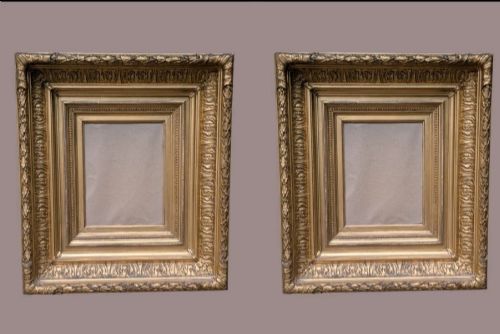
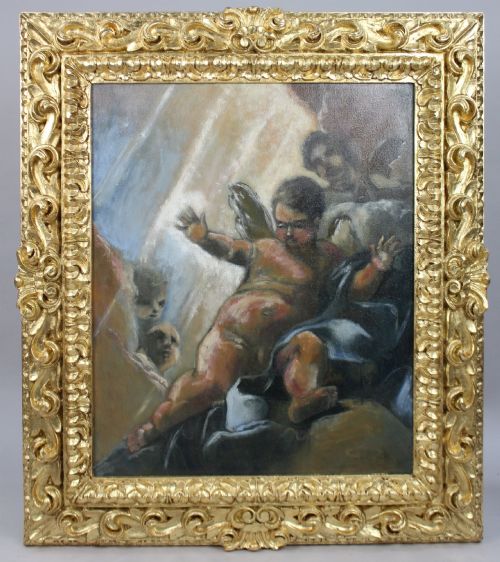
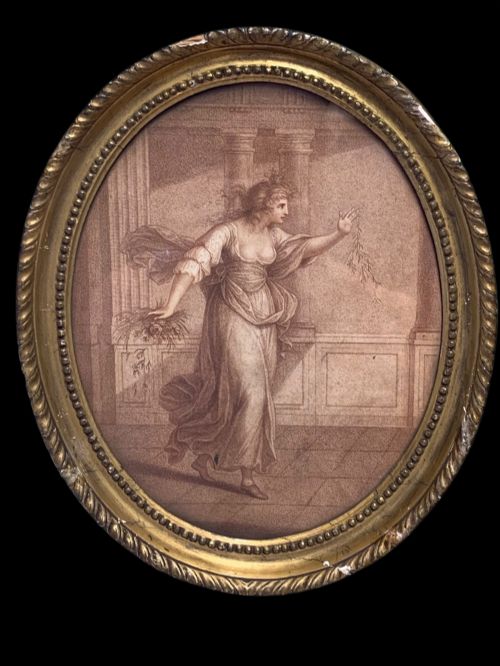
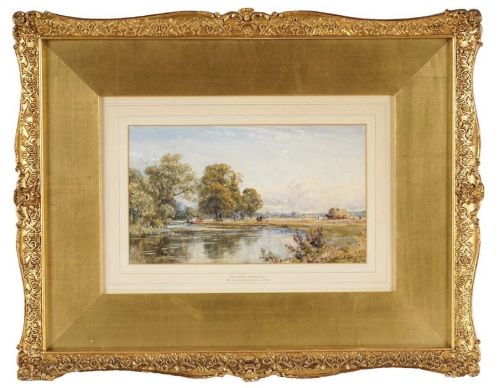
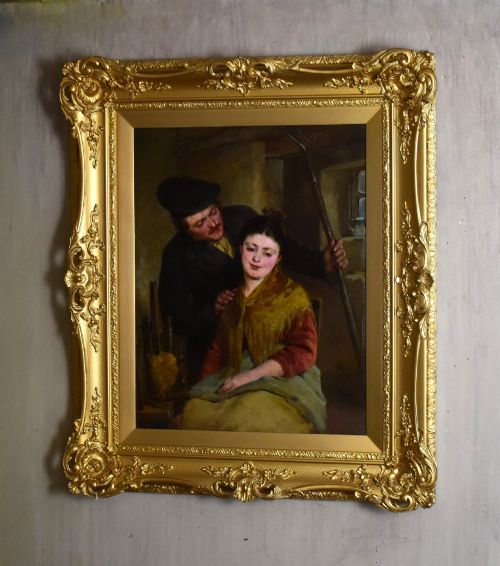
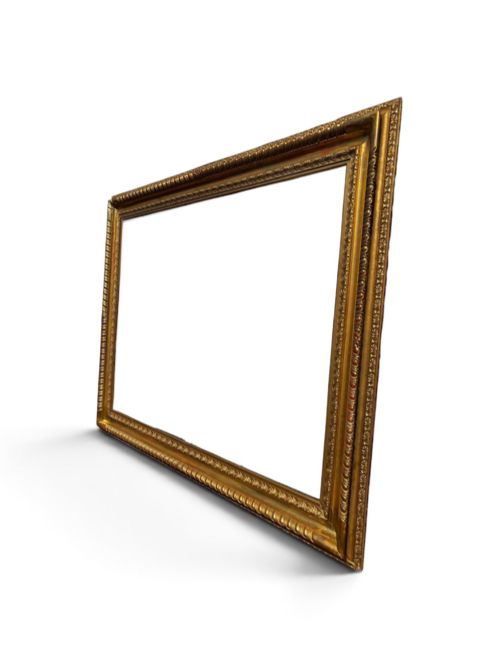
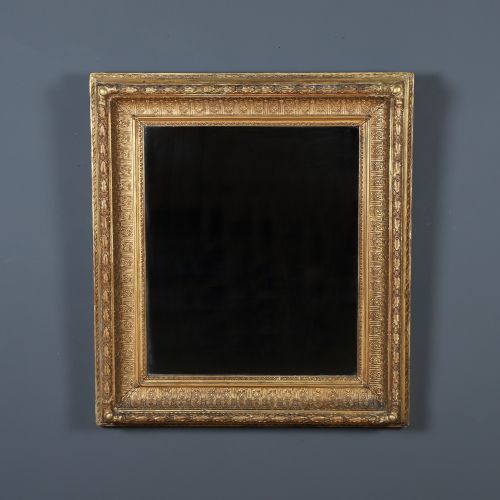
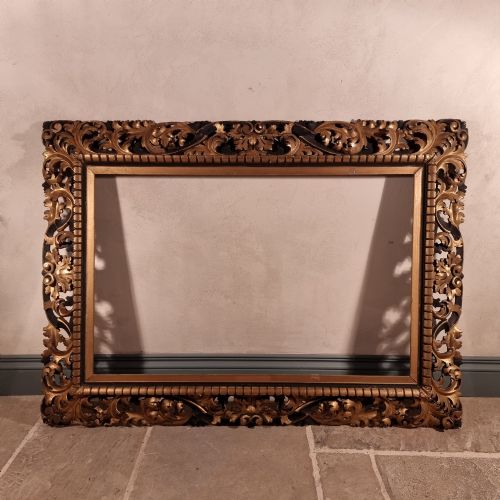
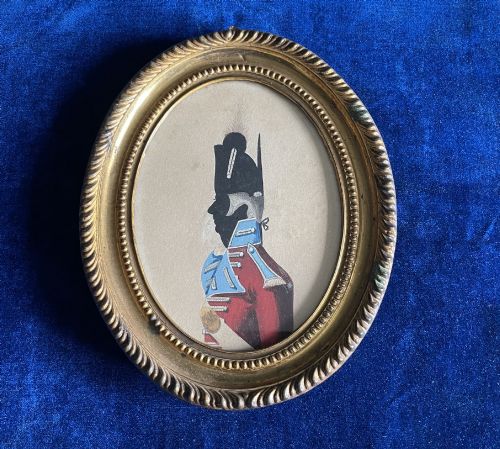
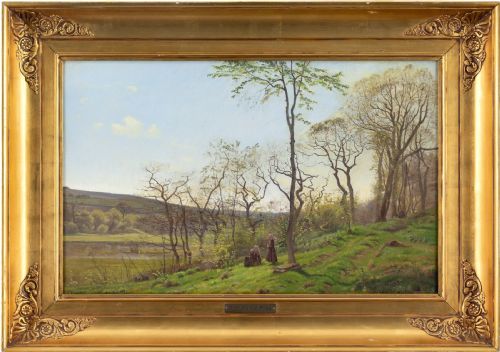
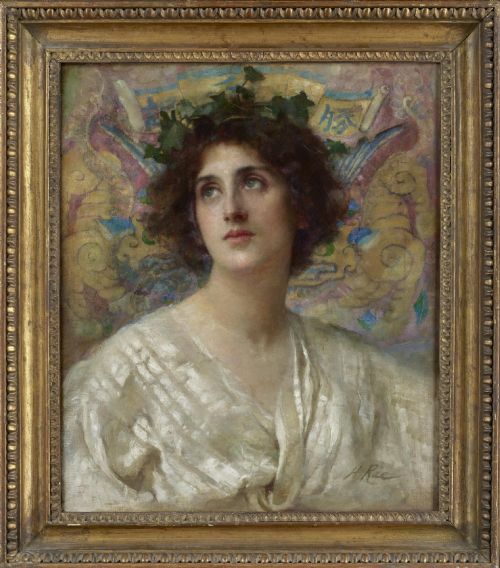
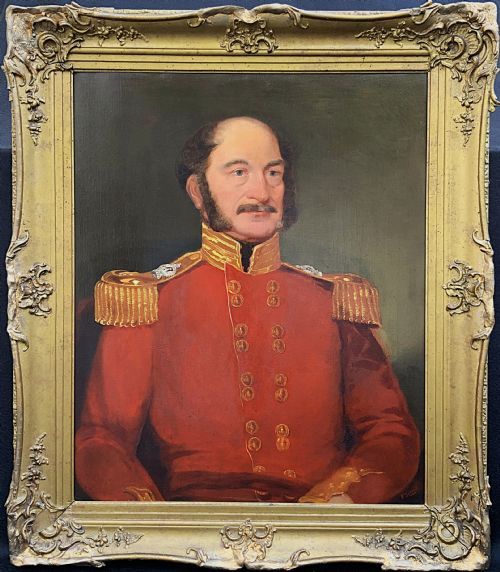
When searching for a gold leaf picture, a buyer encounters a diverse range of framed artworks and standalone frames spanning the eighteenth, nineteenth, and early twentieth centuries. The selection encompasses oil paintings, watercolours, portraits, landscapes, and engravings housed within ornate surrounds.
The most common versions met on this page are nineteenth-century Victorian pieces, frequently combining oil on canvas or wood with substantial giltwood and gesso frames. These items bridge decorative framing and traditional fine art from British and European schools.
How they were made
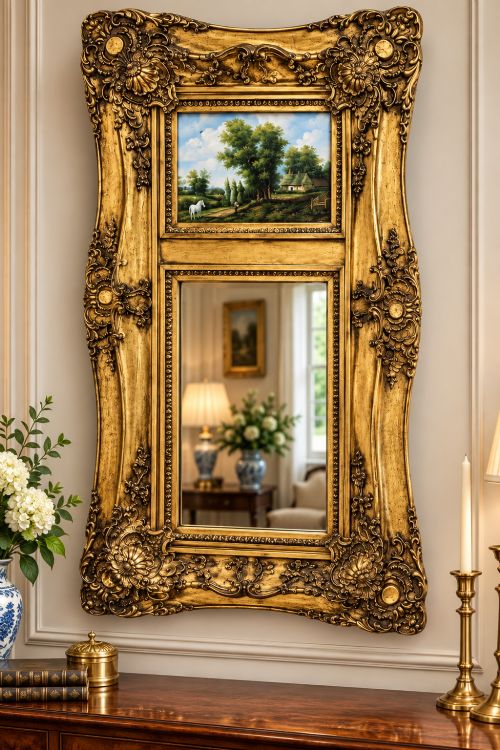
Makers constructed the structural foundations of these pieces using timber and wood, often applying layers of gesso to build up intricate surface details and relief ornamentation. Artisans then meticulously laid thin sheets of gold leaf over these prepared surfaces to achieve a luminous finish.
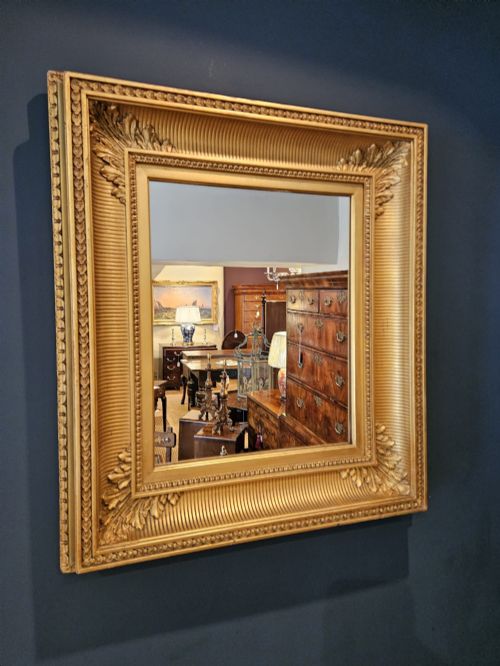
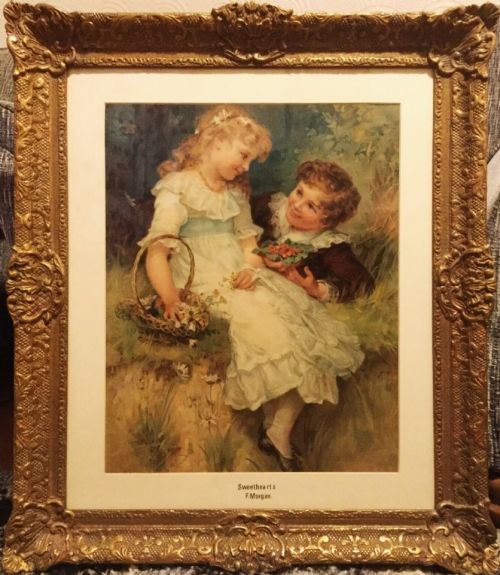
Artworks within these frames utilise traditional media including oil on canvas, watercolour, pastel, and print techniques such as stipple engraving and lithography. Carving and moulding techniques defined the aesthetic of the framing, ranging from simple reeded profiles to elaborate Rococo swept designs.
Materials recorded across the inventory include giltwood, gesso, glass, paper, and canvas framed in various revival styles.
What varies in quality
The depth of carving and the crispness of the gesso mouldings dictate the sculptural merit of the framing, distinguishing mass-produced composition work from hand-carved craftsmanship. Finer examples display sharp acanthus leaf decoration, balanced proportions, and well-preserved original gilding.
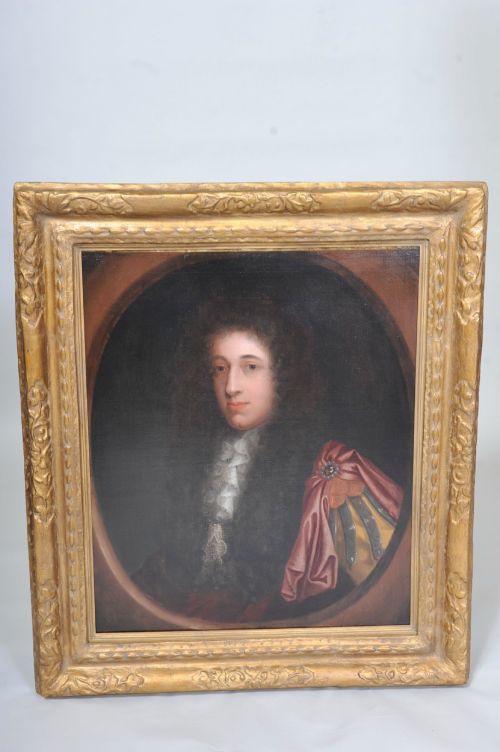
Artistic execution in the central artwork creates a clear hierarchy, where signed canvases and detailed portraiture or genre scenes command greater interest than standard prints or anonymous works. The harmony between the artwork and its specific period frame further elevates the overall standard of the piece.
Frederick Morgans·Howard Helmick·Harald Foss·Henrietta Rae·George Rankin·Renato Moretti·Herman S Melville·Benjamin Eugene Fichel·Charles William Wyllie·Henry Robinson Hall·Alfred George Morgan·William Etty·Thomas Sidney Cooper·Charles Burton Barber·Alice Mary Hughes
The Gold Leaf Picture Glossary
- Giltwood
- Wood that has been treated and covered with a thin layer of gold leaf or gold paint. This material forms the primary structure for many traditional decorative frames.
- Gesso
- A plaster-like mixture applied to wood surfaces to create a smooth base for gilding and moulding. Artisans carve intricate relief patterns directly into this hardened layer.
- Rococo Revival
- A nineteenth-century design style mimicking the asymmetrical curves, scrolls, and floral motifs of the eighteenth century. Frames in this taste often feature sweeping organic ornamentation.
- Slip
- A narrow recessed frame or border placed inside a larger picture frame to separate the artwork from the main moulding. It is frequently finished in plain gold or fabric lining.
- Stipple engraving
- A printmaking technique using dots to create tonal gradations and shadow rather than continuous lines. This method produced soft-textured imagery popular in earlier periods.
Gold Leaf Picture: Frequently Asked Questions
How do I date a gold leaf frame?
Dating relies on examining the timber construction methods, the composition of the gesso, and the specific styling of the decorative motifs. Earlier Georgian examples tend to feature hand-carved wooden elements, whereas Victorian pieces frequently utilise moulded gesso over timber.
Changes in profile depth and corner decoration also provide reliable chronological markers. Comparing the rebate construction and backboards helps confirm the period of origin.
Can I hang these paintings in modern rooms?
These framed artworks integrate effectively into contemporary interiors by providing a striking textural contrast against plain walls. Their metallic sheen reflects natural light, adding warmth and a focal point to minimalist spaces.
Positioning them away from direct sunlight and excessive humidity ensures the gold leaf and canvas remain preserved. Proper wall anchoring is essential due to the substantial weight of wood and gesso frames.
What is the difference between oil paintings and watercolours here?
Oil paintings utilise pigment suspended in drying oil on canvas or panel, offering rich textures and deep colour saturation. Watercolours employ water-soluble pigments on paper, creating a lighter, more transparent aesthetic that typically requires glass protection.
Framing styles often reflect this difference, with heavier giltwood surrounds housing oil works and simpler profiles accompanying works on paper. Both mediums represent distinct traditions within nineteenth-century visual art.
How should I clean a antique gilt frame?
Maintenance requires gentle dusting with a soft, dry brush to remove particles without disturbing the delicate metallic surface. Moisture and chemical solvents must be avoided, as they can lift the gold leaf and dissolve underlying gesso.
Professional restoration is recommended for significant damage or flaking areas rather than attempting home repairs. Regular inspection of hanging hardware ensures the structural security of heavier pieces.