

Traditional Country House Seating
Traditional country house seating encompasses robust armchairs, settles and dining chairs built to endure, offering deep comfort for relaxed interiors.
Traditional Country House Seating
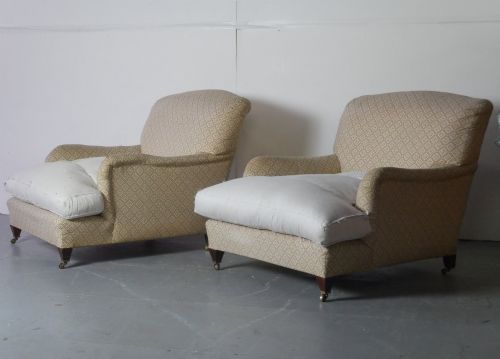
Traditional country house seating spans utilitarian dining chairs, sturdy settles and deep upholstered armchairs designed for comfort. These pieces originate across the eighteenth, nineteenth and early twentieth centuries, reflecting diverse domestic requirements from kitchens to libraries.
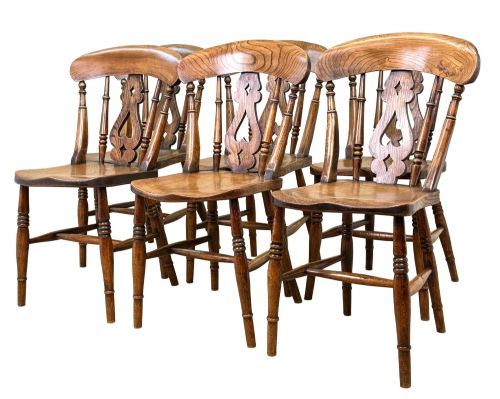
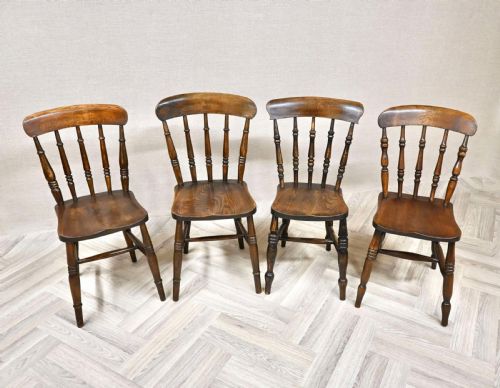
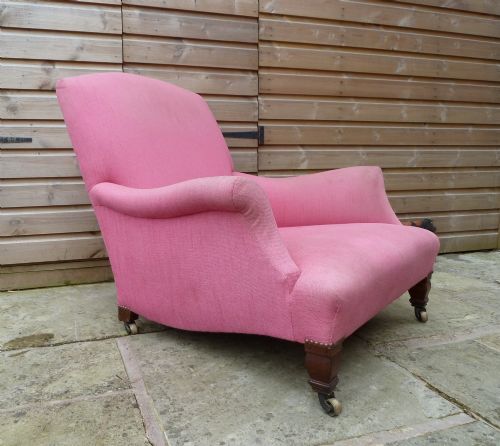
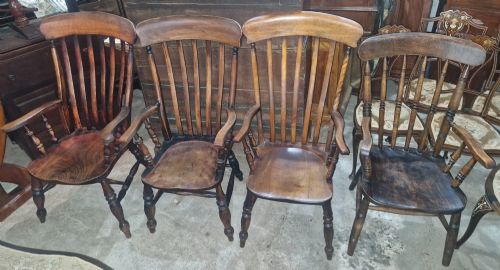
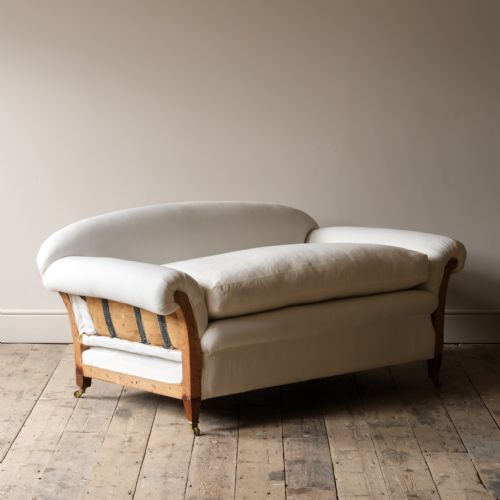
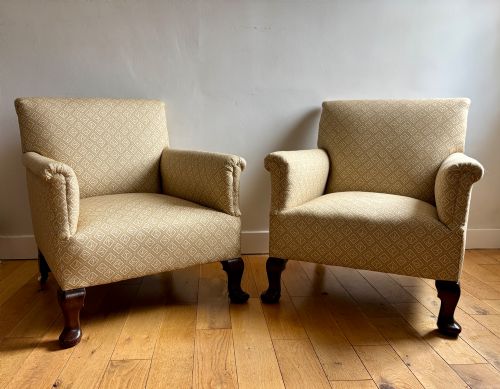
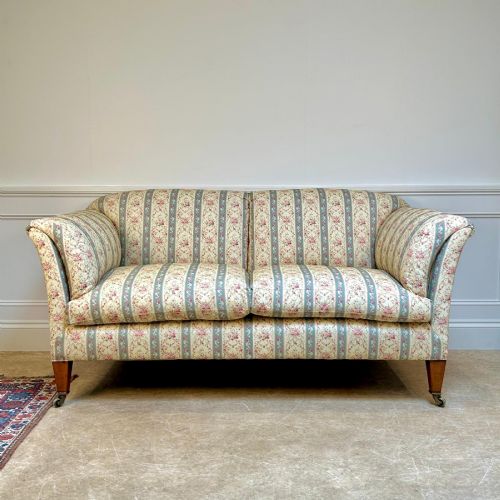
The most prevalent examples on this page are nineteenth-century Windsor kitchen chairs in elm and yew, alongside deep-seated upholstered armchairs and sofas from the Victorian and Edwardian eras. Buyers also encounter Georgian mahogany dining chairs, oak settles and ladderback seating.
Forms range from simple pub stools and hallway benches to generous multi-seater sofas, incorporating styles from rustic farmhouse to Georgian and Edwardian interpretations of classic proportions.
How they were made
Construction relies heavily on native timbers such as oak, elm, sycamore and mahogany, selected for strength and grain pattern. Frame assembly utilises traditional joinery techniques, combining solid wood structures with supportive webbing and stuffing.
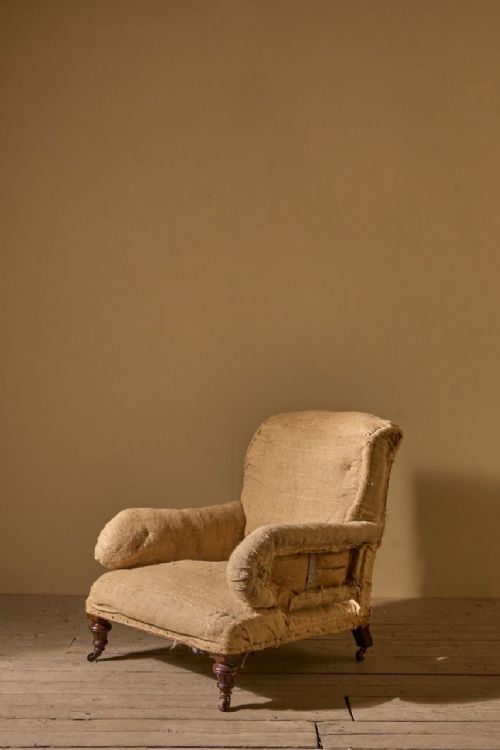
Upholstered pieces employ traditional coverings including calico, hessian and fabric to line deep seats and sprung interiors. Windsor chairs integrate turned spindles and bentwood parts, securing seats to legs with wedged tenons.
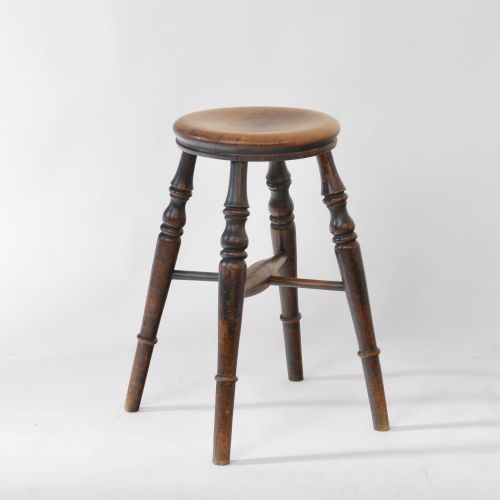
Pub and tavern stools from the nineteenth century bear the quiet, polished dents of generations of elbows leaning over ale.
What varies in quality
Quality differentiates by the integrity of the original timber frame and the retention of authentic structural components. Pieces retaining their initial proportions and uncompromised joinery demonstrate superior craftsmanship.
The execution of fine details, from the turning of Windsor chair legs to the shaping of ladderbacks and arm rests, separates standard utilitarian items from finer examples. The depth and resilience of the upholstery foundation also dictate the standard of the piece.
Howard and Sons·Whytock and Reid·Gillows
The Traditional Country House Seating Glossary
- Windsor chair
- A wooden chair constructed with a solid elm or timber seat into which the legs and back spindles are separately inserted. This method provides robust durability.
- Settle
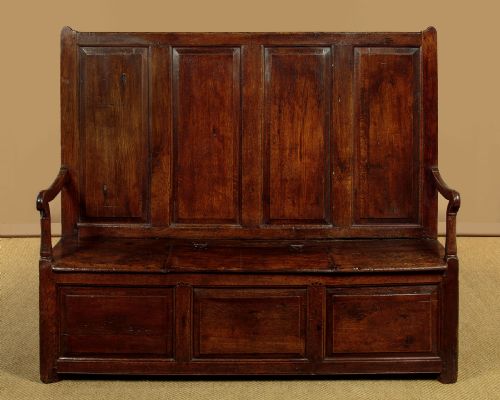
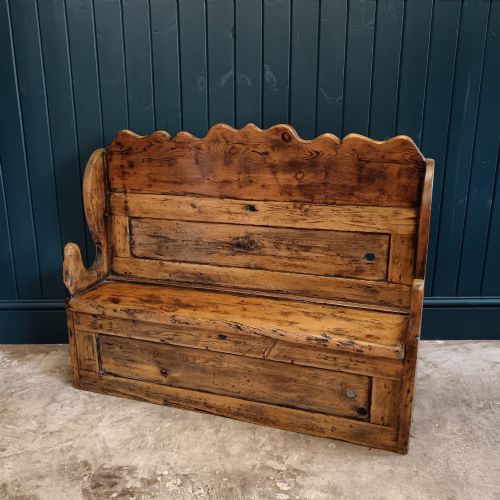
- A wooden bench featuring a high back to block draughts and solid side arms, often incorporating a box base for storage. They sat near hearths in traditional interiors.
- Ladderback
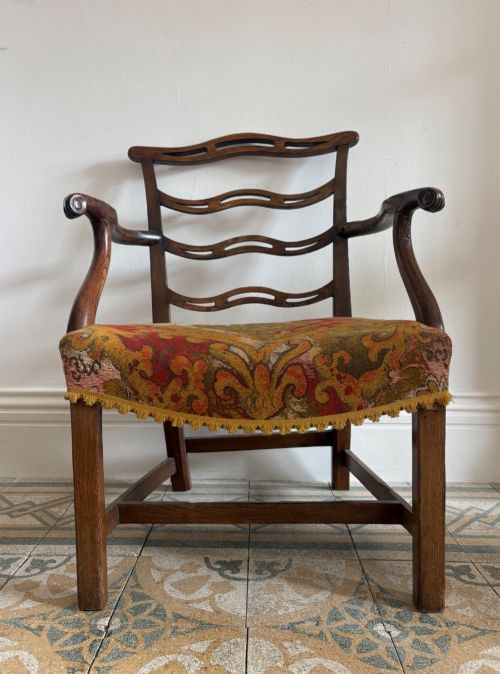
- A chair back constructed with horizontal arched slats resembling the rungs of a ladder. These frequent dining and armchair designs date across the Georgian and Victorian periods.
- Calico
- A plain-woven cotton fabric utilised as an under-upholstery layer to cover internal stuffings prior to top covering. It holds the inner materials firmly in shape.
- Hessian
- A coarse woven fabric made from jute fibres, traditionally applied beneath seats and inside arms to support interior padding.
Traditional Country House Seating: Frequently Asked Questions
How do I identify a true country house armchair?
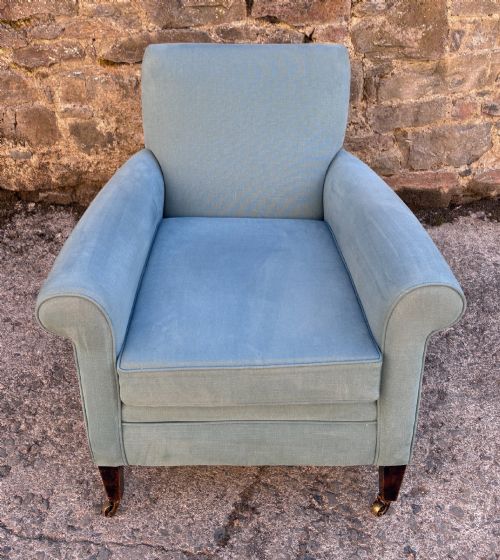
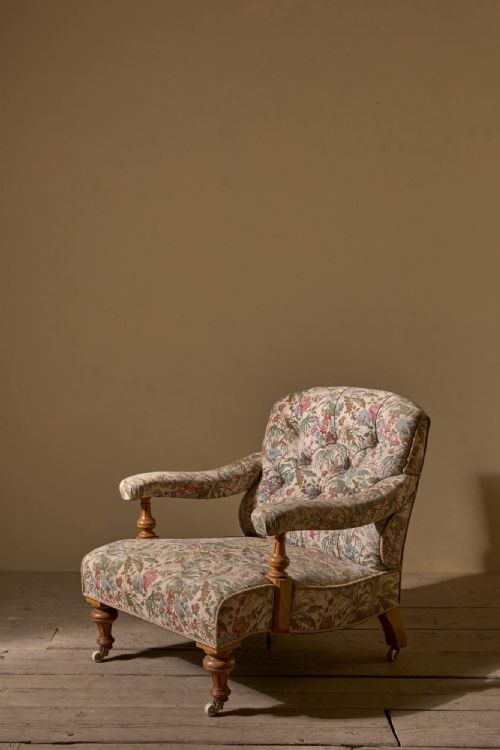
Look for generous proportions, deep seats designed for lounging and traditional upholstery foundations beneath the fabric. These seating options prioritise domestic comfort alongside robust timber frames.
Examine the legs, stretchers and arm supports for signs of hand-turning and period timber patination. The integration of materials like elm, mahogany or oak helps anchor the piece to its era.
What is the difference between a Windsor chair and a ladderback?
Windsor chairs feature solid wood seats with spindles and bow backs steam-bent into continuous curves. They originate predominantly from rural workshops utilising local hardwoods.
Ladderback chairs utilise horizontal slats set between two upright rear posts, often accompanied by rush or upholstered drop-in seats. Their frames follow formal or regional vernacular patterns across centuries.
How were box settles used in period homes?
Box settles served as dual-purpose furniture, offering seating near the hearth while storing household items beneath the hinged seat. The high wooden back shielded occupants from cold draughts in large rooms.
They stood in hallways, kitchens and living spaces of Welsh and English properties, functioning as permanent architectural fixtures of the room.
Are these chairs suitable for daily modern use?
These seating options are built with solid timbers and durable joinery designed for generations of regular use. Many pieces offer surprisingly deep, comfortable proportions suited to contemporary living rooms.
Upholstered sofas and armchairs can be maintained or recovered while preserving their internal frame construction. Wooden dining chairs and benches require minimal upkeep beyond basic timber care.