



Traditional Country House Cupboard
A traditional country house cupboard brings utilitarian history home, offering honest storage shaped by centuries of domestic use.
Traditional Country House Cupboard
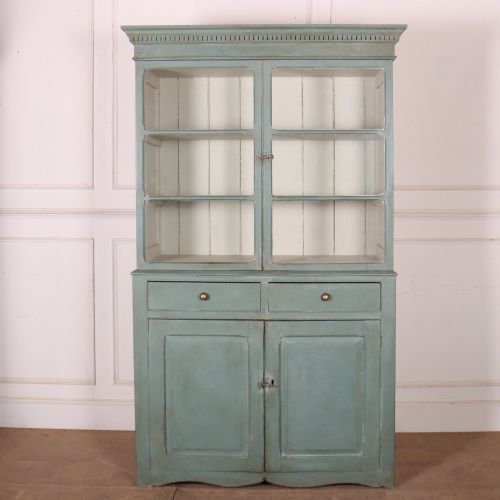
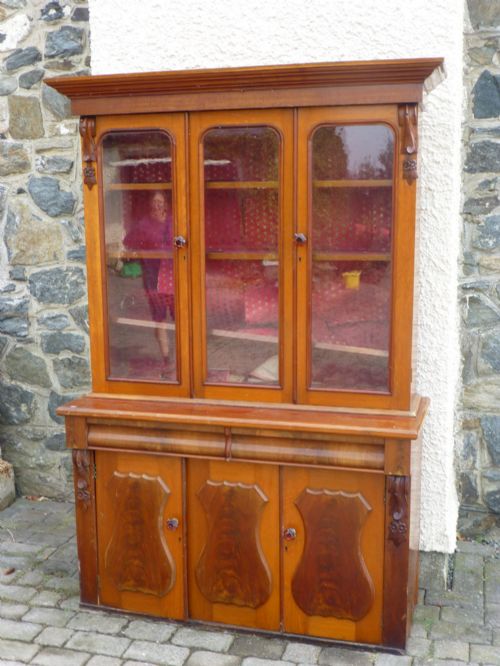
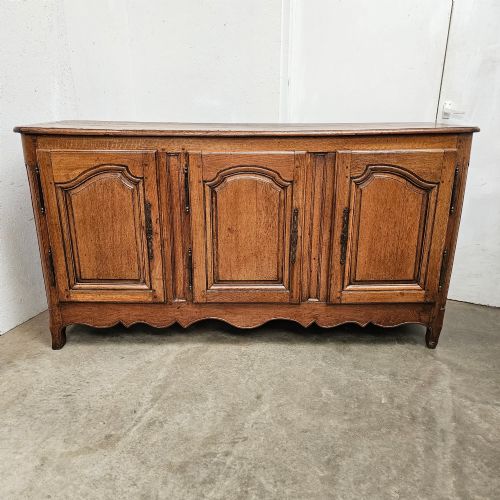
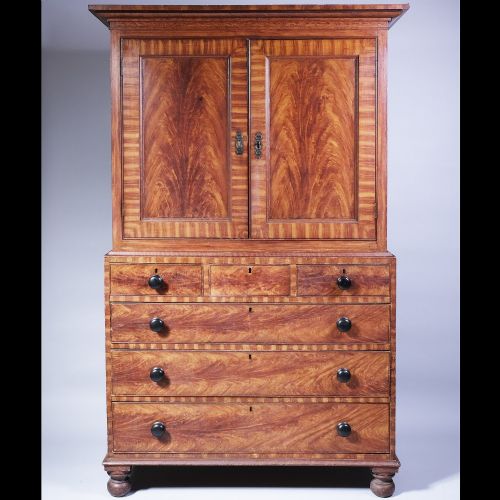
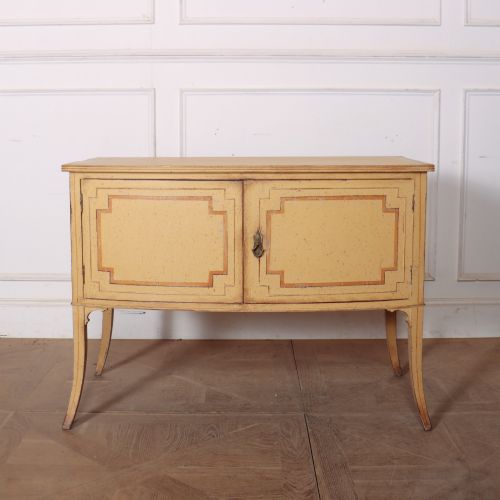
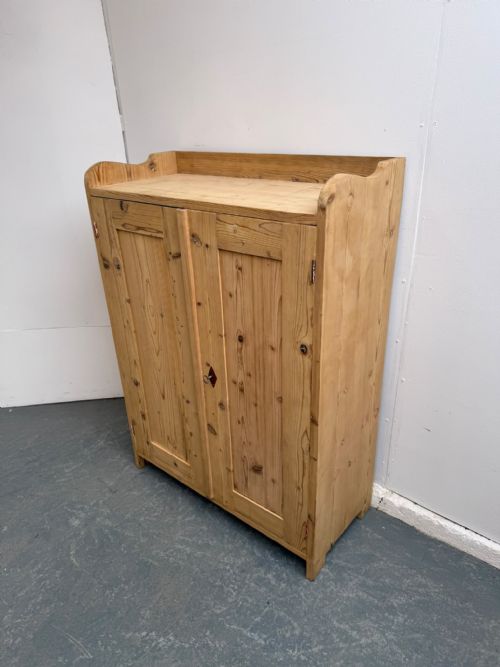
A traditional country house cupboard encompasses robust domestic storage pieces from the eighteenth and nineteenth centuries, including housekeepers cupboards, larder cupboards, and linen cupboards. These forms originate from English, Welsh, Irish, Dutch, Swedish, and Hungarian country houses, reflecting diverse regional vernacular traditions.
Buyers most frequently encounter pine, oak, and painted wood variants ranging across Georgian and Victorian periods. The selection spans utilitarian kitchen cabinets and dresser bases through to monumental breakfront wardrobes and library bookcases.
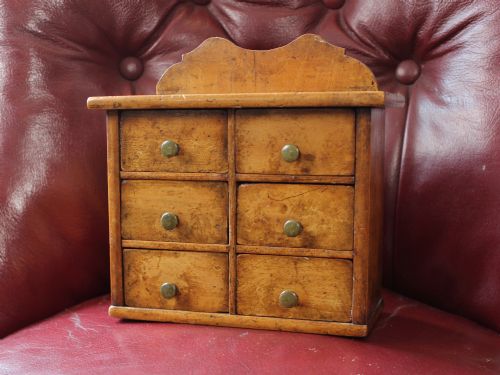
The enduring appeal lies in straightforward construction and honest utility, designed originally to service large country estates or modest sculleries. Each piece carries the marks of daily household administration, from spice drawers to extensive shelving.
Judging quality and integrity
Quality rests in the survival of original surfaces, whether through untouched historic paint, scumble finishes, or the deep patina developed on bare oak and pine over generations. Alterations to hardware, stripped timber, or replaced plinths diminish the historical integrity of the piece.
Proportion and scale dictate the success of the form, separating utilitarian workshop items from finer estate furniture. Superior examples maintain balanced proportions across large multi-door wardrobes, breakfront dressers, and tall library bookcases without feeling clumsy.
Listings feature eighteenth and nineteenth-century pieces spanning English, Welsh, Irish, Dutch, Swedish, and Hungarian regional traditions.
The Traditional Country House Cupboard Glossary
- Housekeeper's cupboard
- A large storage piece traditionally used in country houses for linens, dry goods, and domestic provisions. These tall cupboards typically combine upper shelving with lower drawers or doors.
- Scumble paint
- A decorative surface technique where a translucent glaze is dragged or manipulated over a base coat to imitate finer grain or add texture. This treatment appears frequently on nineteenth-century country furniture.
- Dresser base
- The lower section of a kitchen dresser, featuring cupboards and drawers beneath a flat top surface. In vernacular settings, these served as primary work counters before fitted kitchens.
- Breakfront
- A cabinet design where the central section projects forward from the flanking wings. This architectural arrangement breaks the linear monotony of large bookcases and wardrobes.
Traditional Country House Cupboard: Frequently Asked Questions
Where should I place a traditional country house cupboard?
These substantial storage pieces suit spacious kitchens, hallways, or living rooms where their scale anchors the room.
Ensure adequate wall clearance for large double or triple-door configurations before siting.
How do I care for historic painted pine and oak?
Dust surfaces regularly with a dry cloth and avoid modern chemical polishes that soften historic wax or paint.
Keep wooden furniture away from direct heat sources to prevent timber splitting.
What is the difference between a dresser and a housekeeper's cupboard?
Dressers usually feature an open rack for displaying ceramics above a base of drawers and cupboards.
Housekeeper's cupboards are entirely enclosed storage units designed primarily to conceal linens and provisions.
How can I tell eighteenth-century pieces from Victorian ones?
Eighteenth-century examples often display hand-forged blacksmith hardware, pegged oak joinery, and primitive construction details.
Victorian pieces frequently utilise machine-sawn pine, standardised brass fittings, and more uniform panelled doors.