

Traditional Country House Chair
A traditional country house chair brings layered comfort and history into a room, offering deep upholstery or robust timber frames built to endure.
Traditional Country House Chair
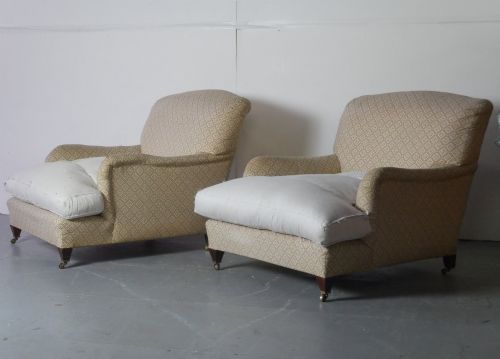
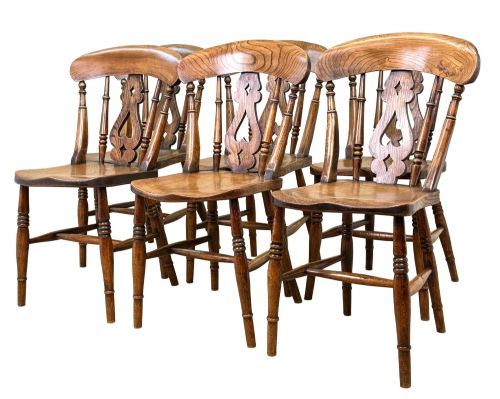
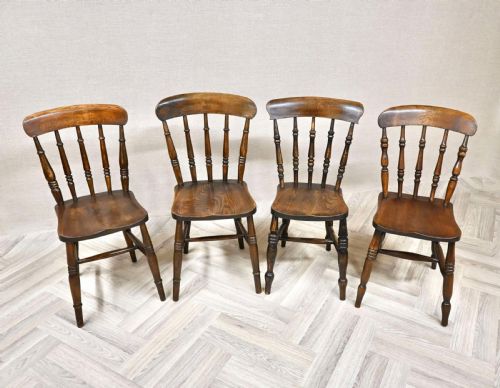
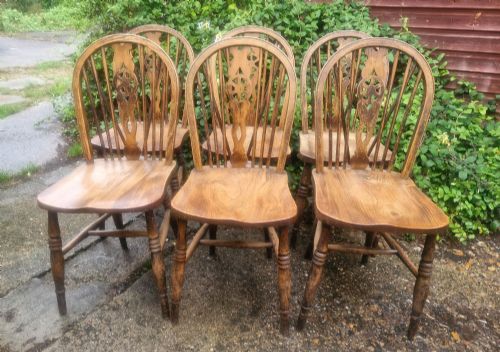
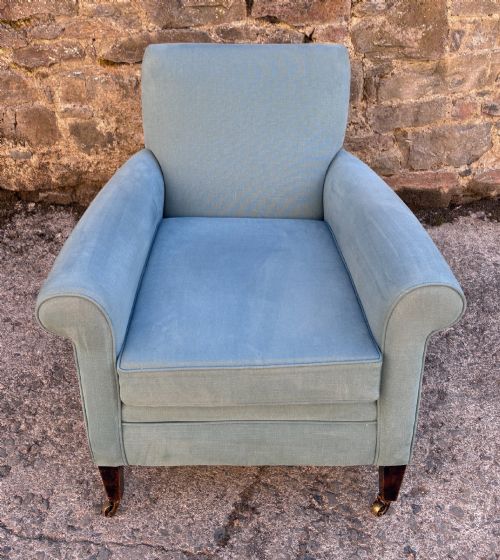
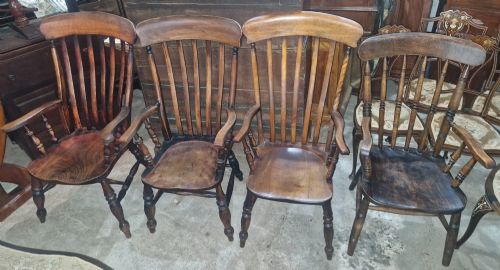
When searching for a traditional country house chair, a buyer encounters a diverse group of seating spanning centuries of domestic life. These pieces range from substantial upholstered armchairs designed for deep relaxation to robust timber dining chairs and Windsor forms intended for daily use.
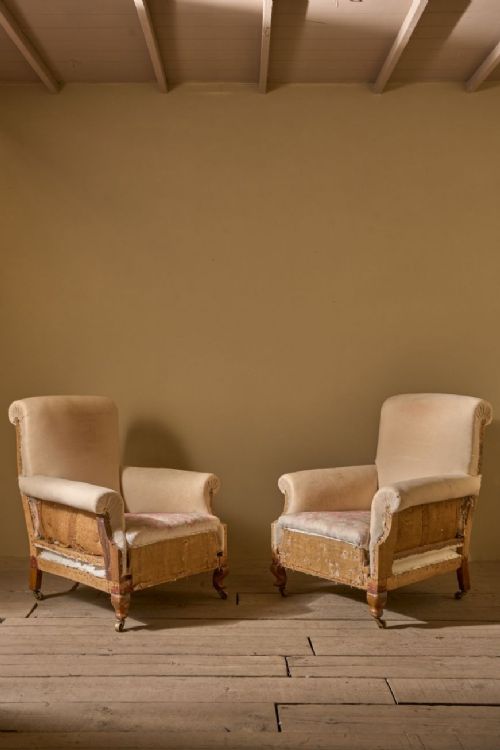
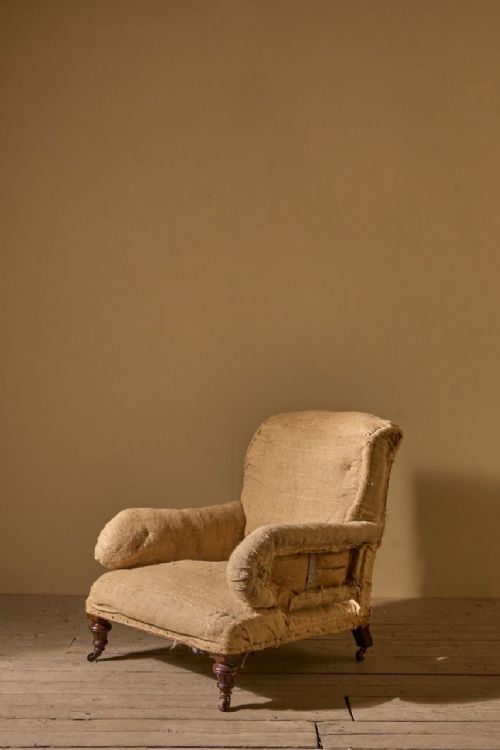
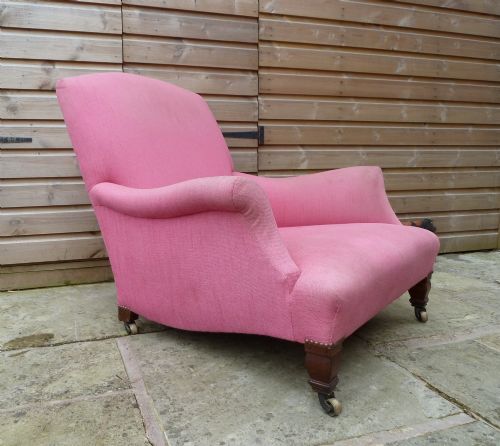
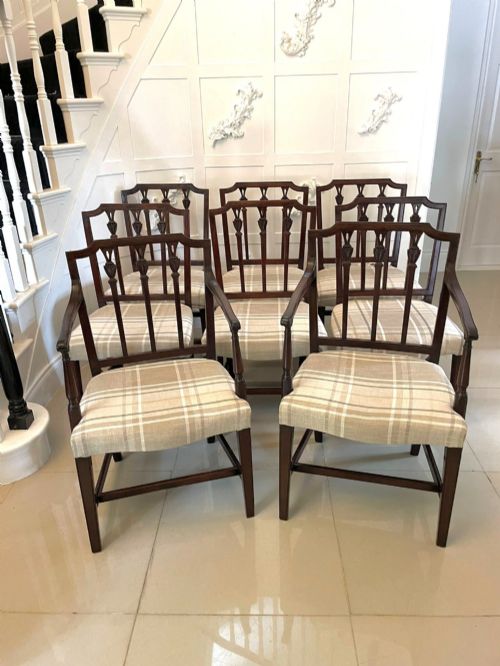
The most frequent examples on this page are generous nineteenth-century and Edwardian armchairs alongside sets of wooden dining chairs. Styles move between vernacular country designs, Georgian mahogany classics, and plush upholstered lounging seats that reflect centuries of English interior taste.
Judging quality and proportion
The standard of a traditional country house chair rests upon the integrity of its timber frame and the balance of its proportions. Finer examples display thoughtful carving, carefully turned spindles, and timber selection that highlights natural grain without artificial disguise.
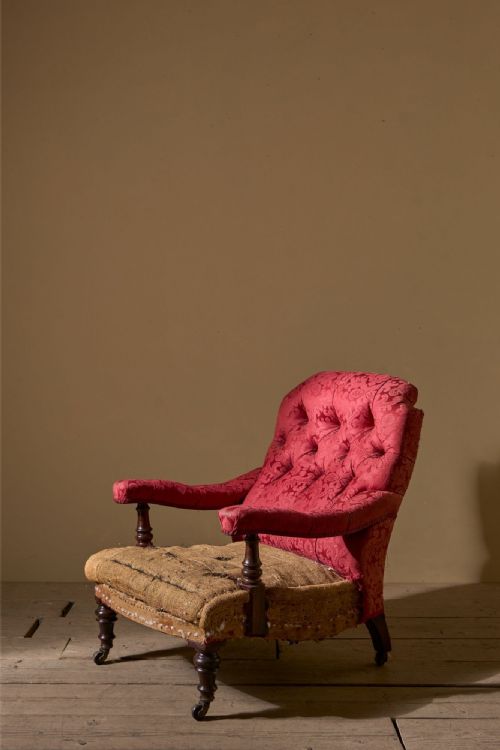
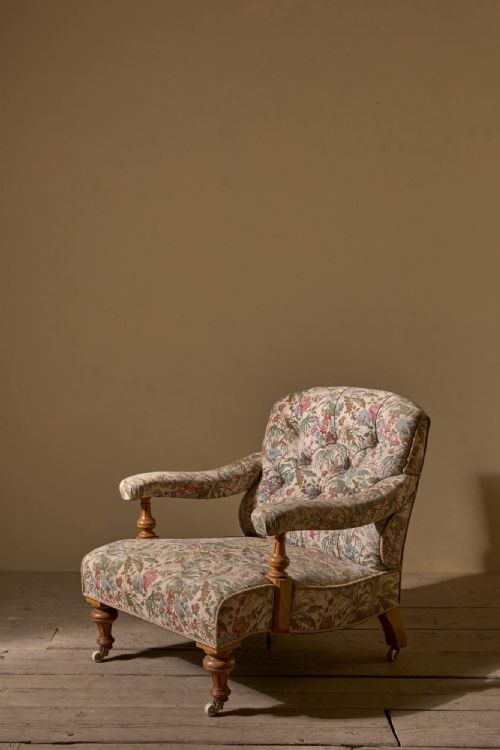
Upholstered pieces differ according to the depth of their seat construction and the sympathetic execution of revival styles such as the Howard aesthetic. Original frames retain their structural harmony, whereas lesser or heavily altered pieces lose the intended comfort and visual balance.
Listings feature periods spanning from the 18th century through to the 1920s, incorporating Georgian, Victorian, and Edwardian design movements.
Howard and Sons·Whytock and Reid·Morison and Co·SF Cullen·Gillows
The Traditional Country House Chair Glossary
- Windsor chair
- A wooden chair featuring a saddle-shaped seat into which the legs and back spindles are directly inserted. These vernacular seats often combine elm seats with ash or beech components.
- Ladderback chair
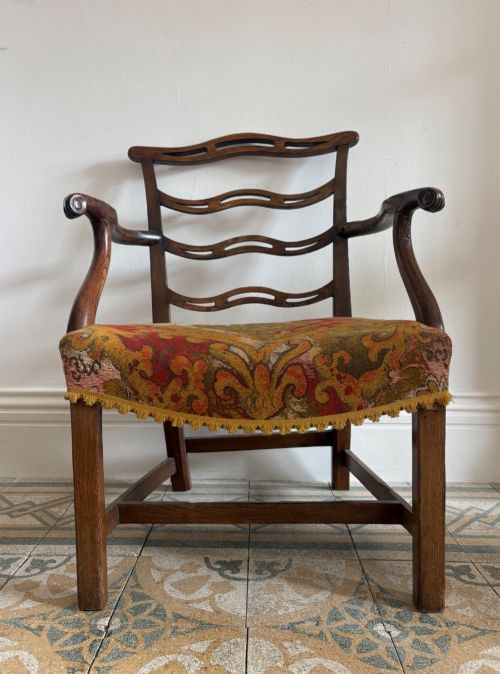
- A seating form defined by horizontal arched slats set between the upright rear posts. They appear frequently in regional dining chairs with woven or upholstered pads.
- Smoker's bow
- A low-backed Windsor elbow chair featuring a continuous curved arm rail above turned spindles. They were widely used in domestic libraries and country smoking rooms.
- Wingback armchair
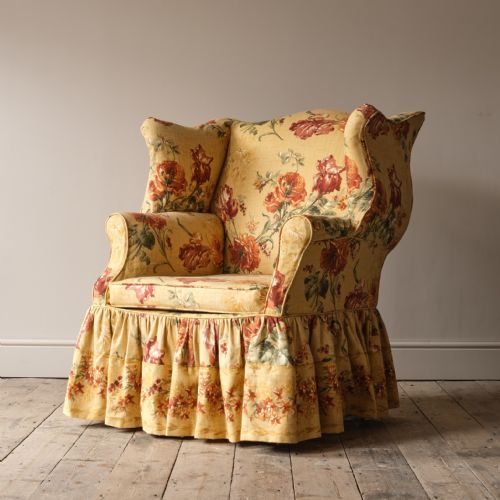
- A large upholstered seat with protective side panels designed to shield the occupant from draughts. Georgian and Victorian iterations offer deep proportions and generous padding.
- Bobbin chair
- A turned chair constructed using spool-shaped wooden segments linked together. This distinctive aesthetic gained popularity during the Victorian period.
Traditional Country House Chair: Frequently Asked Questions
How do I identify a country house armchair?
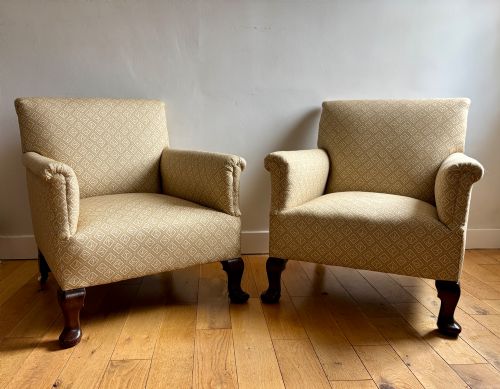
These armchairs typically combine generous proportions with deep seating designed for comfort in large domestic interiors. They often feature nineteenth-century or Edwardian upholstery over robust timber frames.
Look for traditional upholstery materials beneath the outer fabric, such as hessian and calico. Their silhouettes range from low-slung lounging styles to upright wingback forms.
How should I care for antique upholstery?
Antique upholstered seating requires gentle maintenance to preserve fragile outer fabrics and internal stuffing. Regular light vacuuming with a low-suction attachment removes surface dust.
Avoid placing these chairs in direct sunlight or near heat sources to prevent the timber frames and traditional textiles from drying out.
How do I date a ladderback chair?
Dating a ladderback chair involves examining the turning of the wood, the wear on the feet, and the construction of the joints. Eighteenth-century versions often display hand-carved details and aged patination.
Later nineteenth-century and twentieth-century examples tend to show more uniform machine turnings while maintaining traditional regional forms.