
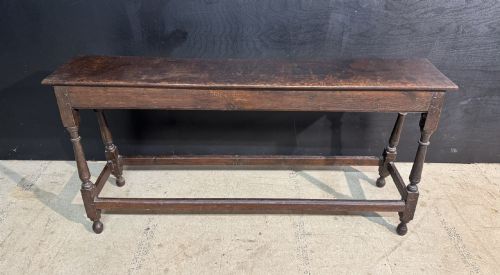
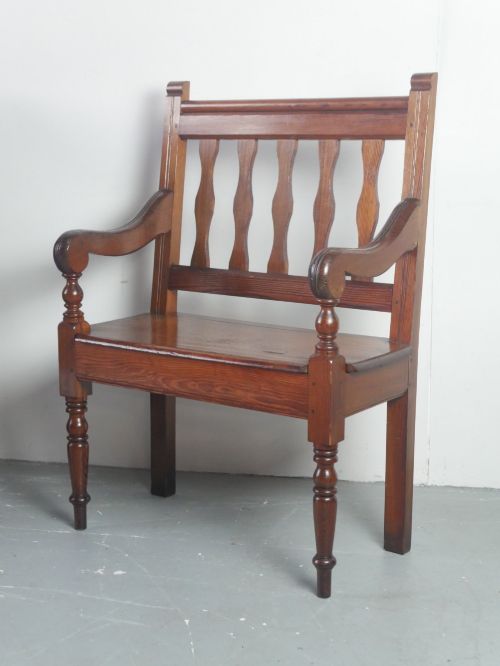
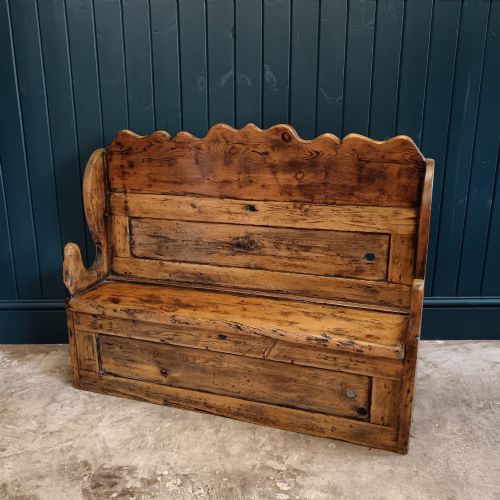
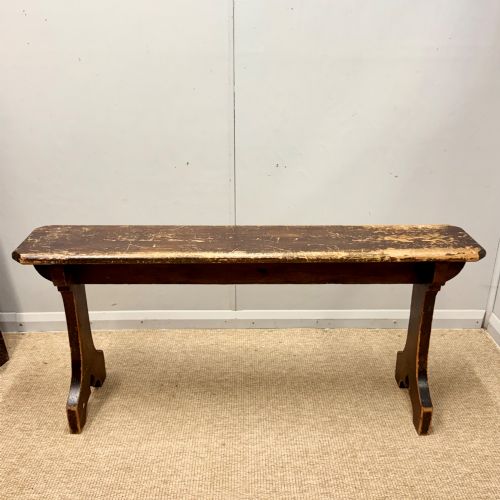
Traditional Country Bench
A traditional country bench brings honest vernacular timber and enduring utility to an interior, shaped by generations of regional domestic use.
Traditional Country Bench
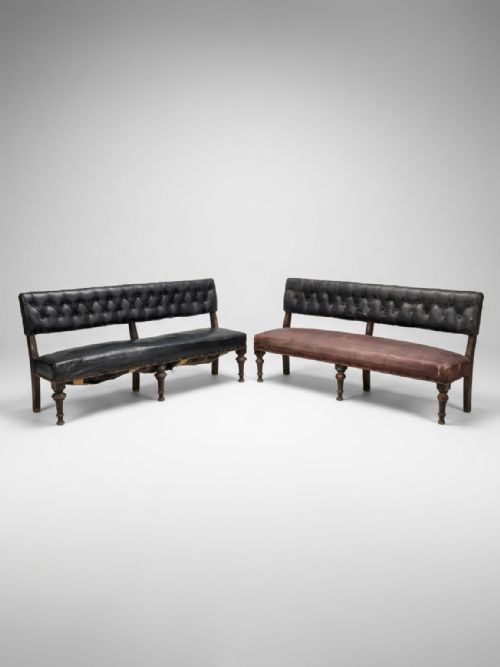
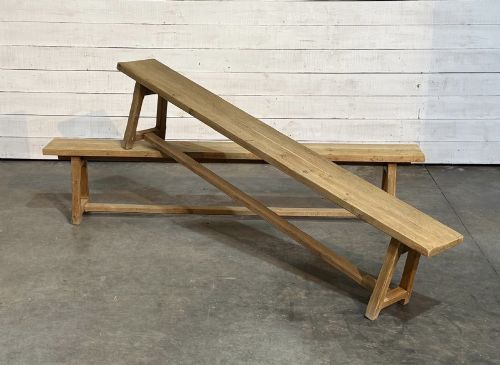
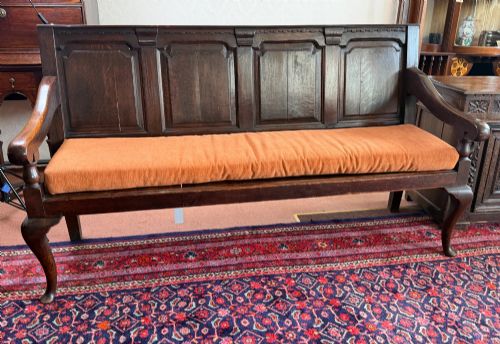
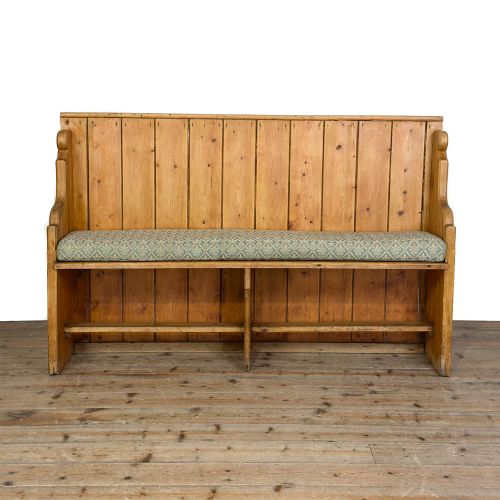
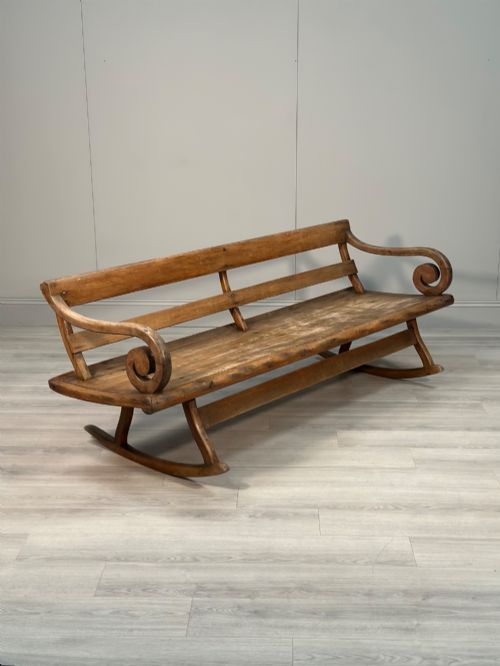
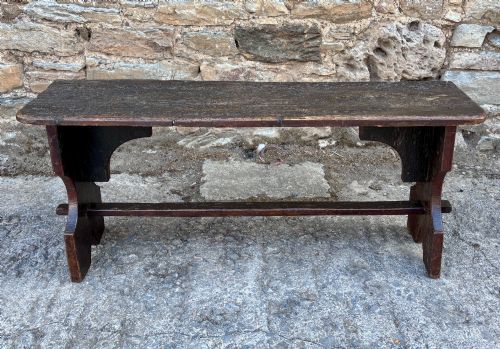
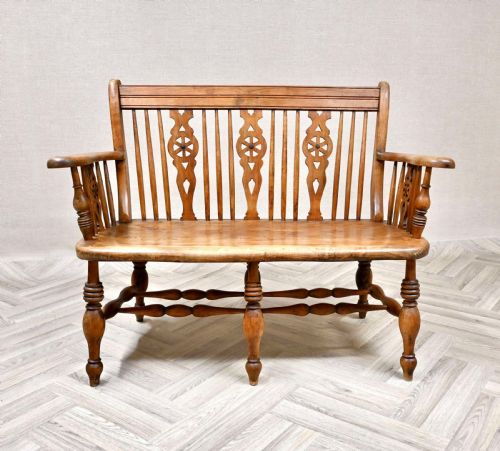
A traditional country bench encompasses robust utilitarian seating created from regional timbers across the eighteenth, nineteenth and early twentieth centuries. These pieces range from simple plank forms and joint stools to high-backed settles designed to keep out draughts in farmhouse kitchens and pubs.
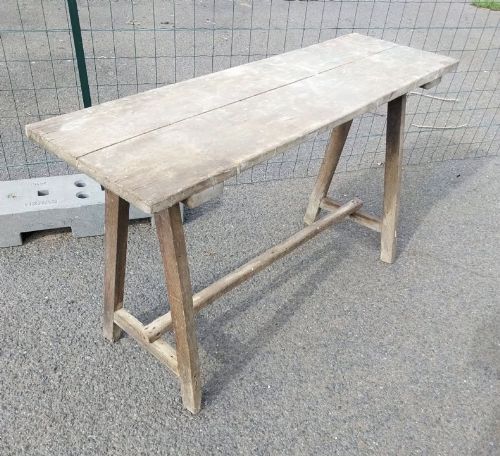
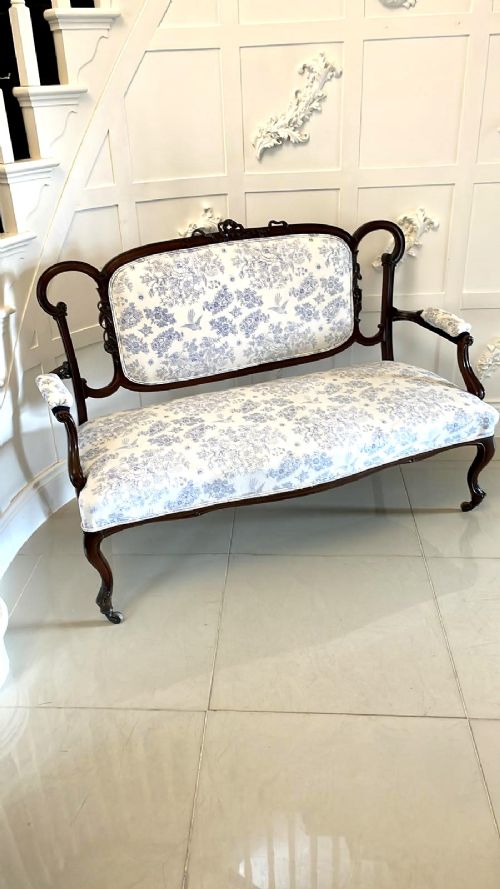
The variations seen here include vernacular examples in oak, pine and elm, alongside pieces featuring rush seats and storage box bases. Buyers frequently encounter nineteenth-century pine and oak hall benches, alongside earlier panelled settles and garden seating.
Makers working within these rural traditions prioritised utility and durability, resulting in honest construction using local materials. Each piece reflects the functional requirements of domestic and agrarian life.
How they were made
Construction relies heavily on solid regional timbers such as oak, pine, elm and ash, frequently joined using traditional methods like mortise and tenon. Carpenters selected these woods for their structural strength and local availability, often combining different timbers within a single piece.
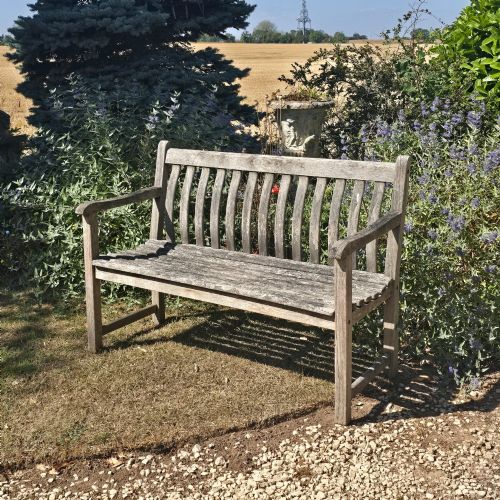
Surface finishes range from waxed patinas and original paint to weathered teak and sycamore, showing the natural grain of the wood. Joinery techniques prioritize stability, utilising pegging and solid board construction to withstand daily use.
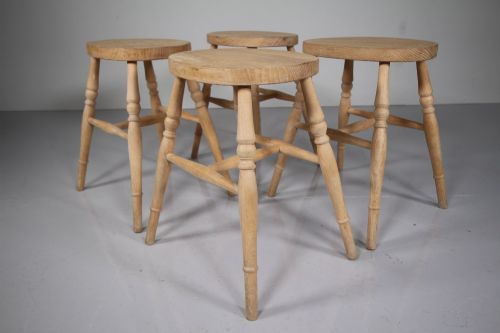
Primitive milking stools included in the selection retain the exact marks of agricultural labour from centuries past.
What varies in quality
The distinction between standard utility items and finer examples rests upon the integrity of the timber and the retention of original surfaces. Pieces displaying deep patination, untouched wax finishes and sound structural joinery command greater appreciation.
Proportion and regional character also dictate distinction, with well-balanced proportions and uncompromised vernacular details elevating a piece. Alterations to height or length diminish the original integrity of rural seating.
The Traditional Country Bench Glossary
- Settle
- A wooden bench with a high back, solid arms and frequently a storage box beneath the seat. This form protected sitters from cold draughts in historical domestic interiors.
- Joint stool
- A sturdy wooden stool constructed with mortise and tenon joints rather than turned legs. These pieces served versatile seating and utility roles in early homes.
- Vernacular
- Objects designed and built by local tradesmen using regional materials and traditional methods rather than grand academic styles. This approach defines the honest character of country furniture.
- Patina
- The surface sheen and colour developed by timber through age, handling and polishing over centuries. A desirable patina shows genuine historic use.
- Rush seating
- Weaving seats from dried marsh rushes around a wooden frame. This technique creates a resilient and flexible seating surface found on traditional chairs and benches.
Traditional Country Bench: Frequently Asked Questions
Where were settles placed?
Settles were traditionally positioned near hearths in farmhouses and rustic pubs to shield occupants from cold air circulating through stone rooms.
The high wooden backs and solid sides acted as windbreaks, creating a warm microclimate close to the open fire.
How do I identify pine age?
Older pine pieces display deep honey brown patinas, surface wear and hand-planed board variations developed through extended domestic use.
Examination of construction joints and fastening methods also helps distinguish eighteenth and nineteenth-century examples from later work.
What is a box settle?
A box settle incorporates an enclosed storage compartment beneath the hinged seat, offering practical space for household blankets or provisions.
This dual-purpose design maximised utility in smaller traditional rooms where floor space was strictly limited.
Are these benches comfortable?
Traditional country benches offer firm wooden support, often shaped with contoured seats or high backs for upright posture.
Adding loose cushions or wool textiles provides extra comfort while maintaining the historic aesthetic of the seating.