
Rustic Oak Seating
Rustic oak seating brings sturdy honesty to a room, offering practical forms built for everyday utility from solid timber.
Rustic Oak Seating
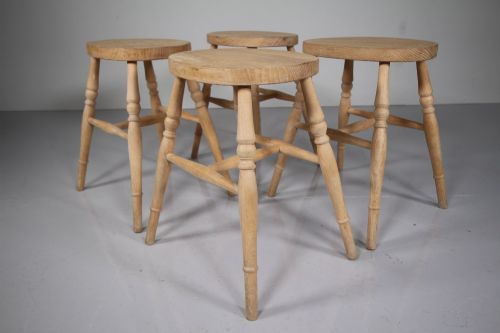
Rustic oak seating encompasses utilitarian furniture designed for heavy use, appearing across forms such as dining chairs, armchairs, benches, settles, and stools. These pieces originate from periods spanning the eighteenth, nineteenth, and early twentieth centuries, reflecting traditional domestic and tavern environments.
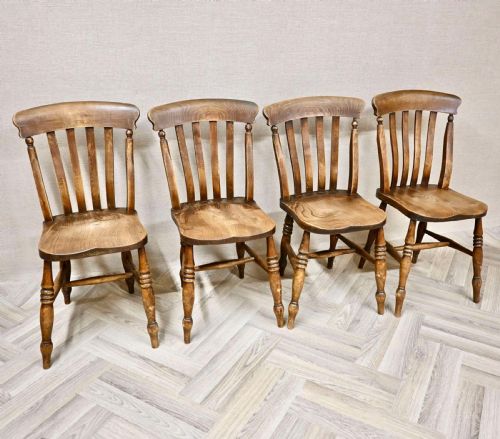
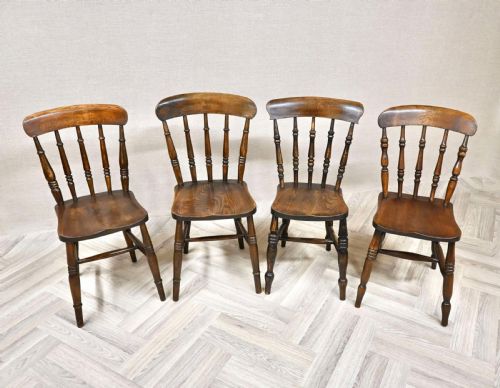
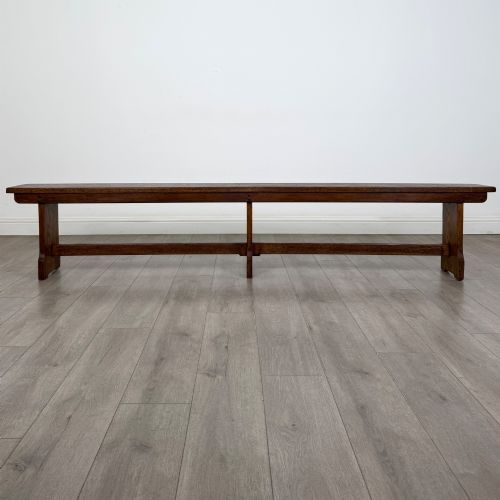
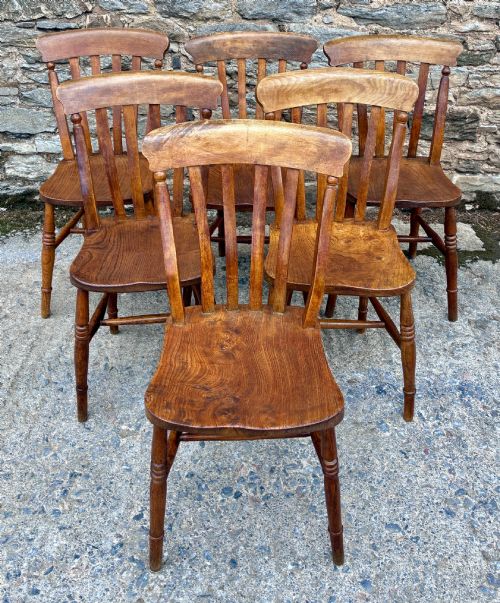
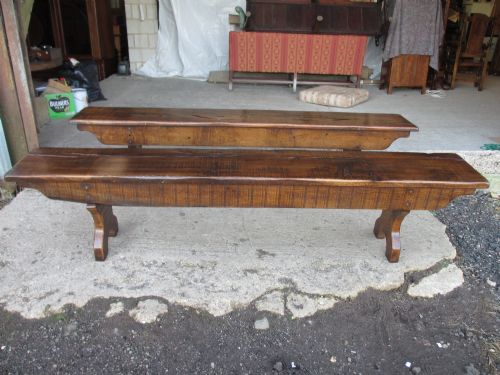
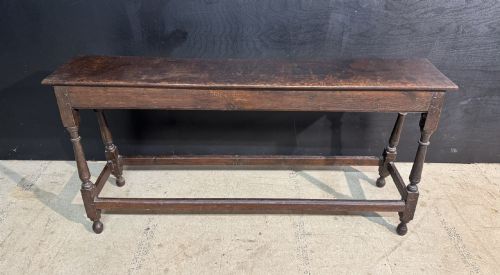
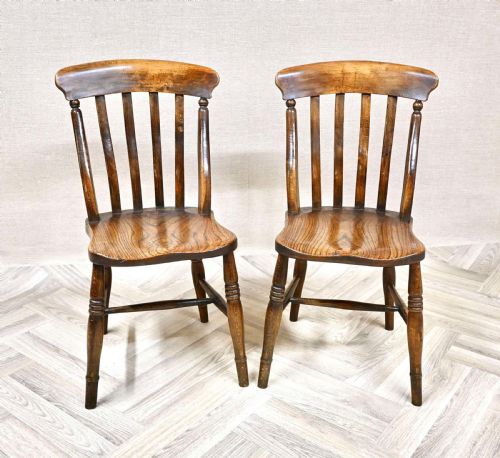
The most common examples on this page are nineteenth-century Windsor chairs and country kitchen seating, alongside sturdy joint stools and long tavern benches. Makers utilised local hardwoods and straightforward construction methods to produce reliable furniture intended for constant service.
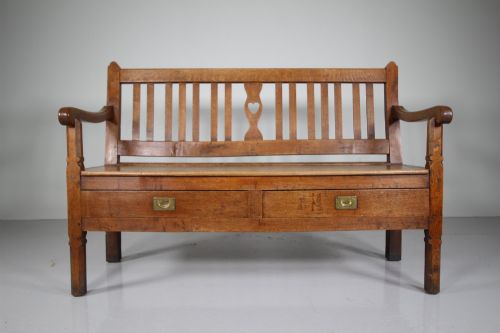
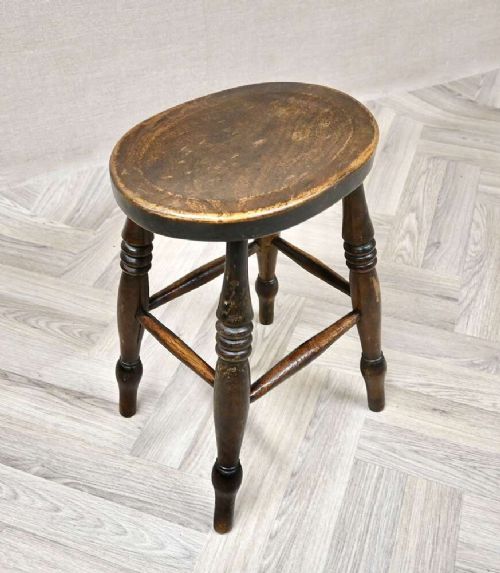
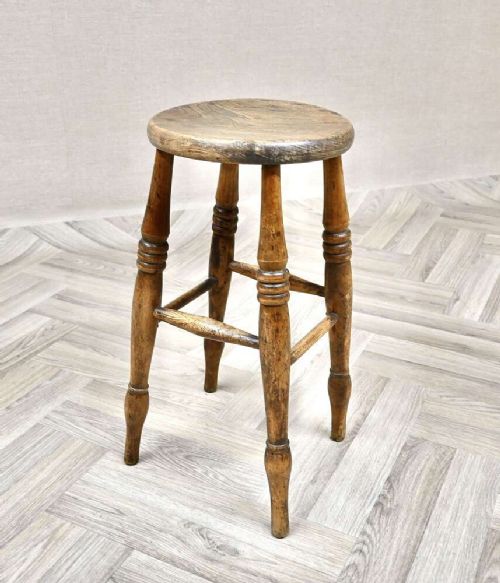
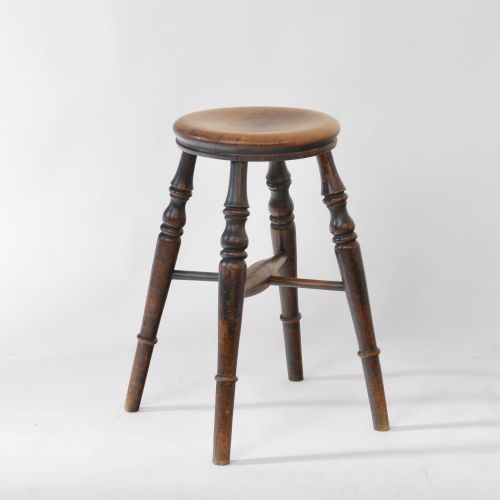
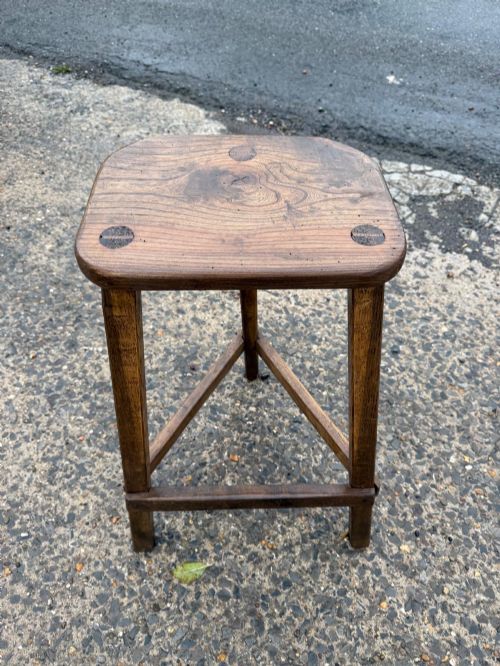
Forms range from simple three-legged stools to high-backed box settles with integrated storage, capturing the straightforward domestic requirements of earlier households. These items bridge utilitarian purpose and enduring design, functioning effectively in modern or traditional interiors.
Construction and Materials
Makers relied primarily on oak, supplemented by elm, ash, beech, sycamore, and pine for secondary components or specific structural elements like seats. Rush and timber served for seating pads and frames, uniting regional materials with functional carpentry.
Construction techniques involved traditional joinery such as pegged mortise and tenon joints, turned spindles, and shaved Windsor components. Surfaces display the tool marks and varied grain patterns inherent to solid hardwoods worked by hand.
Listings span the eighteenth century through the Edwardian era, predominantly featuring oak, elm, and rush across diverse seating forms.
Assessing Quality
Quality reveals itself in the integrity of the timber, the tightness of the joinery, and the preservation of original surfaces. Pieces retain greater character when structural repairs remain minimal and the wood displays natural patination from decades of use.
Proportion and execution distinguish finer examples from standard utility pieces, visible in the shaping of arm bows, spindle turnings, and the heft of solid oak seats or trestle ends.
The Rustic Oak Seating Glossary
- Windsor chair
- A chair built with a solid wooden seat into which the legs and back spindles are separately inserted. This construction provides robust support through wedged tenons.
- Settle
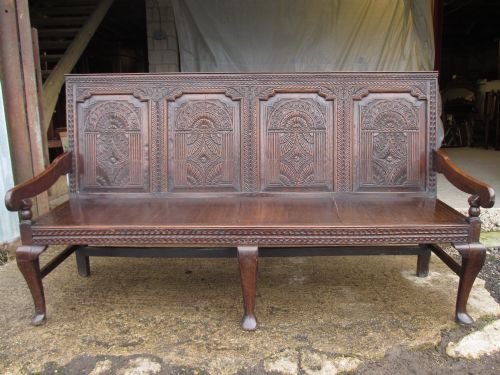
- A wooden bench featuring a high back to block draughts, often incorporating enclosed storage beneath the seat. These served near hearths in early domestic interiors.
- Joint stool
- A sturdy wooden stool constructed with mortise and tenon joints pegged together. Carpenters utilised this method before the widespread adoption of glued joints.
- Rush seat
- A seating surface woven from dried marsh rushes around a wooden frame. This technique creates a resilient and slightly flexible pad.
- Refectory table
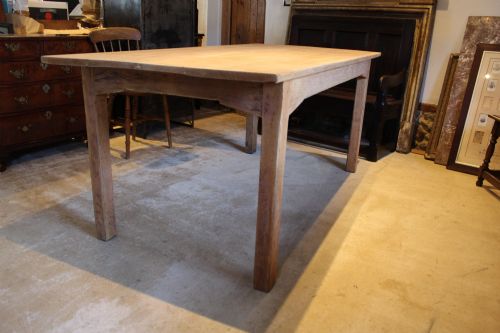
- A long dining table traditionally used in communal halls. Examples in this category feature heavy oak construction with shaped trestle ends.
Rustic Oak Seating: Frequently Asked Questions
Where were settles used in the home?
Settles were traditionally placed close to the hearth in kitchens and public houses to provide seating sheltered from cold drafts.
The high wooden back and enclosed base kept heat near the occupant while offering practical storage for household items.
Can I mix different styles of country chairs?
Mixing different styles of country chairs, known as assembling a harlequin set, is a traditional way to seat people around a farmhouse table.
Matching chairs by wood type, such as oak or elm, helps create a cohesive appearance while retaining individual character across each piece.
What is the difference between a bench and a settle?
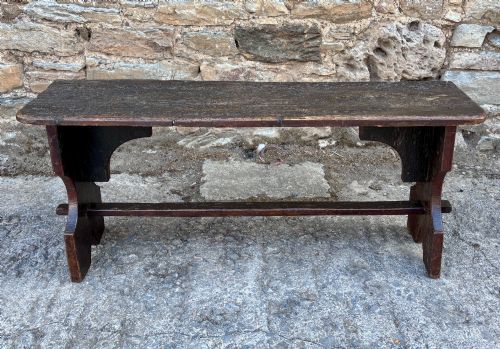
A standard bench consists of a simple seat supported by legs or trestles, designed for open seating along walls or tables.
A settle includes a solid high back and often armrests or storage beneath, providing a more enclosed and substantial seat.