
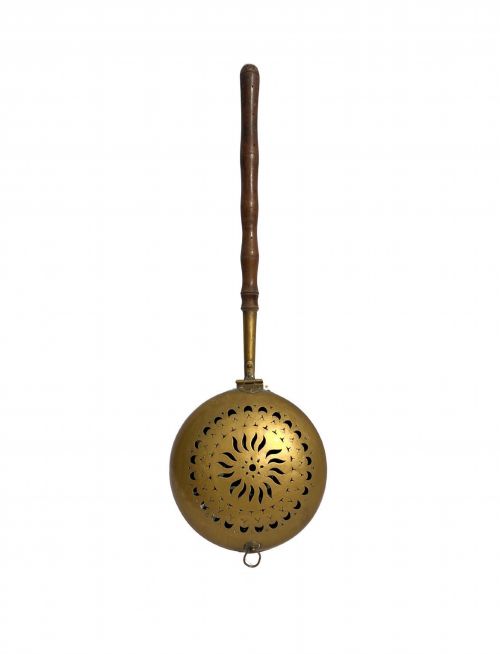


Traditional Copper Pan
A traditional copper pan brings honest warmth and utility to a kitchen, prized for both practical cooking and simple display.
Traditional Copper Pan
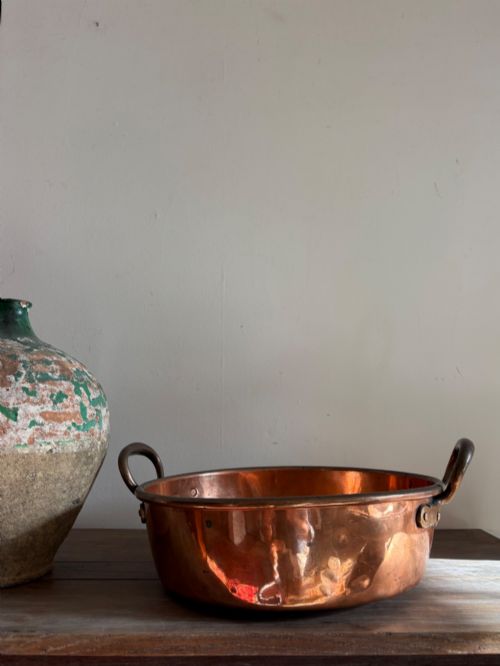
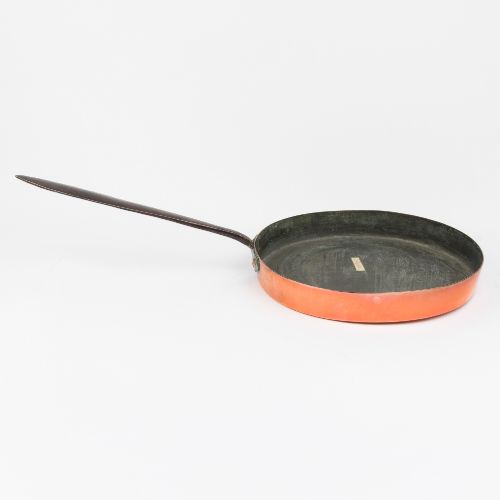
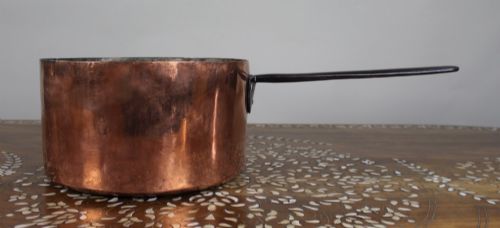
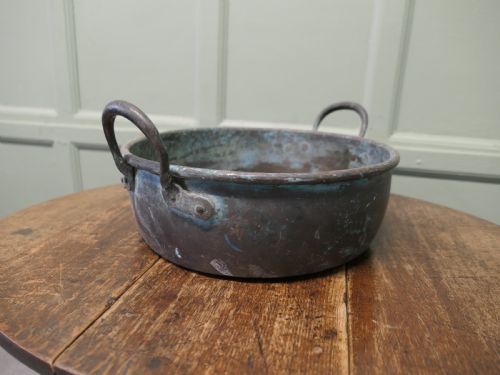
A traditional copper pan covers heavy preserving vessels, deep saucepans, and lidded sauté pieces originating across the Victorian, Georgian, and Edwardian eras. Buyers frequently encounter large preserve pans with brass handles or matched sets of four and five items designed for serious kitchen tasks.
Beyond standard cookware, the selection includes specialised forms such as fish kettles, cream setting pans, and bed warming pans alongside copper and iron balance scales. These items stretch from rustic farmhouse origins in England and France to domestic hearths of the nineteenth century.
Materials and construction methods
Construction relies heavily on thick copper sheets combined with durable brass handles, iron fittings, and occasionally tin linings for food safety. Riveted joints secure the handles firmly to the body, with wrought iron and cast iron utilised for heavy support.
Makers shaped these vessels by hand, resulting in heavy walls designed to conduct heat evenly across open fires and kitchen ranges. Wooden components appear on handles and warmers, adding tactile contrast to the metal work.
Some pans spent their retirement warming sheets on chilly nights rather than simmering jam.
Assessing quality in antique copper
Quality rests on the thickness and weight of the copper sheet, where heavier pieces withstand centuries of use without buckling. The neatness of the hand-riveting and the substantial nature of the brass or iron attachments signal workshop standards.
Matched sets and signed pieces by known makers hold distinct advantages over single, unmarked items found in standard rustic kitchenware. Preserved surface patination and straight rims without excessive denting also separate everyday vessels from finer examples.
Hodges & Sons·Griffiths Patent
The Traditional Copper Pan Glossary
- Preserve pan
- A wide, open vessel designed for boiling fruit and sugar, usually featuring a sturdy swing handle for lifting.
- Saucepan
- A deep cooking pot with a long handle, used for general stove work and liquid preparation.
- Fish kettle
- An elongated oval vessel fitted with a lid and internal drainer, made specifically for poaching whole fish.
- Brasero
- A traditional Spanish heating bowl constructed from metal, often set on a stand for burning charcoal.
- Cream setting pan
- A shallow domestic vessel used in dairies to allow cream to rise to the surface of milk.
Traditional Copper Pan: Frequently Asked Questions
Can I still cook with a traditional copper pan?
Many of these vessels remain entirely functional for modern cooking, provided the interior tin lining is intact and clean.
Buyers should inspect the surface closely to ensure the metal is suitable for food preparation before using it on a heat source.
How do I clean tarnished copper?
Traditional copper develops a natural dark patina over decades, which many collectors prefer to leave undisturbed.
If a bright finish is desired, a gentle paste of salt and acid or a dedicated metal polish will restore the shine without scratching.
How do I date an antique copper pan?
Dating relies on observing handle attachment styles, dovetail seams, and maker marks stamped into the metal.
Georgian and Victorian pieces often show heavier hand-beaten construction and specific handle profiles compared to later Edwardian examples.
Where were most of these pans made?
The pieces originate primarily from English and French workshops, reflecting domestic and farmhouse cooking traditions.
Regional variations appear in the shaping of handles and the thickness of the heavy rolled rims.