
Traditional Column Table Lamp
Traditional column table lamp designs bring classical architectural form to domestic lighting, offering sturdy brass, silver plated, and wooden shafts that suit period and modern rooms alike.
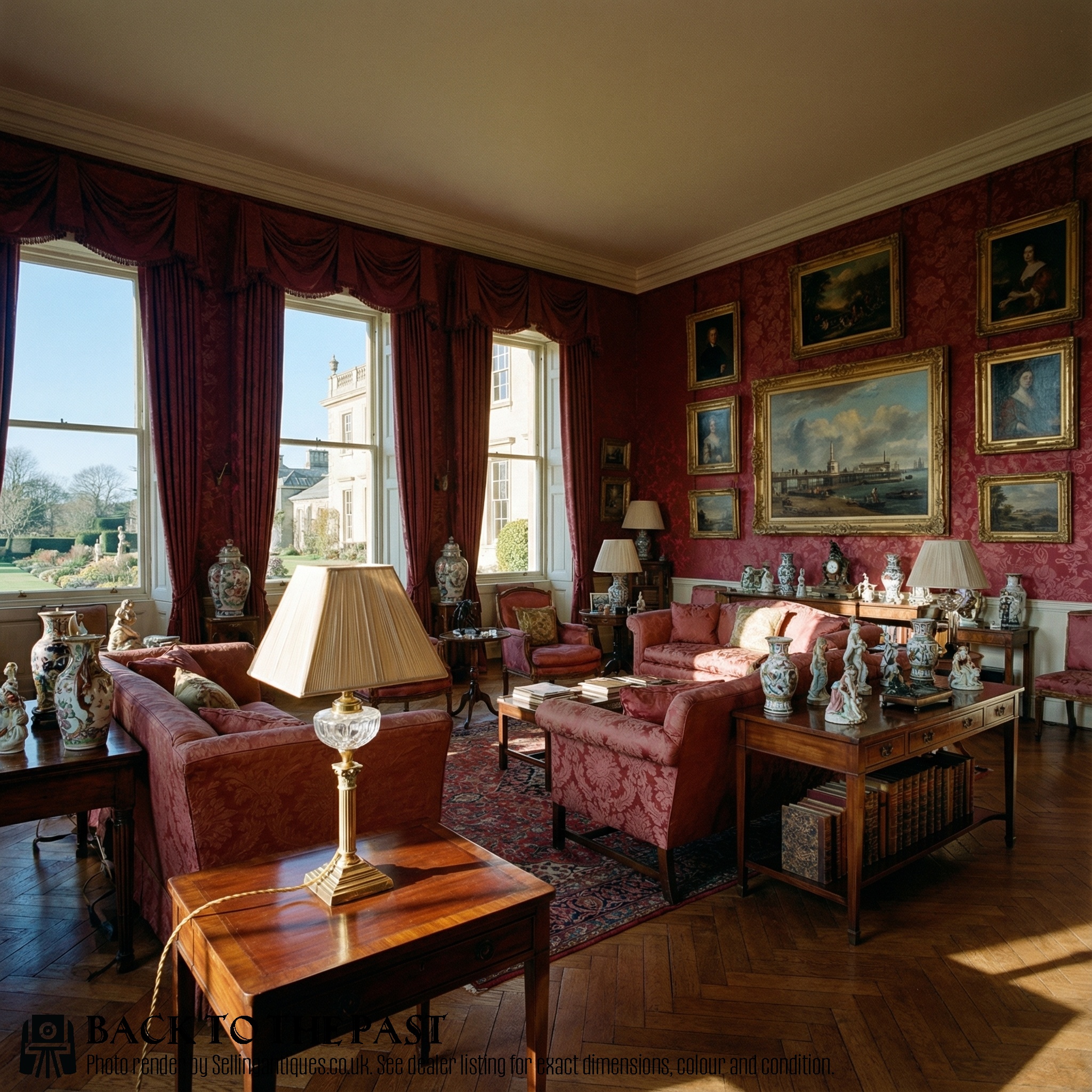
Traditional Column Table Lamp
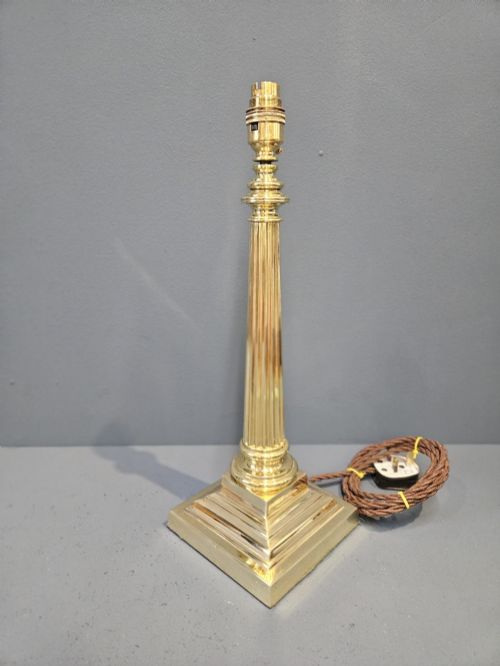
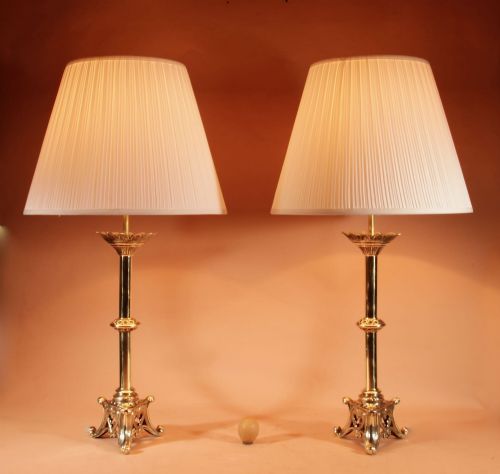
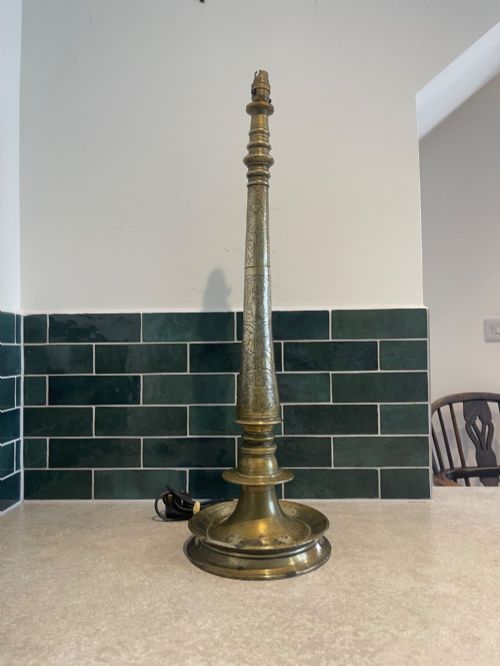
A traditional column table lamp draws on classical architectural orders, translating monumental stone columns into domestic lighting forms made from brass, silver plate, and timber. These pieces emerge primarily from the Victorian and Edwardian eras, spanning the late nineteenth century into the early decades of the twentieth century.
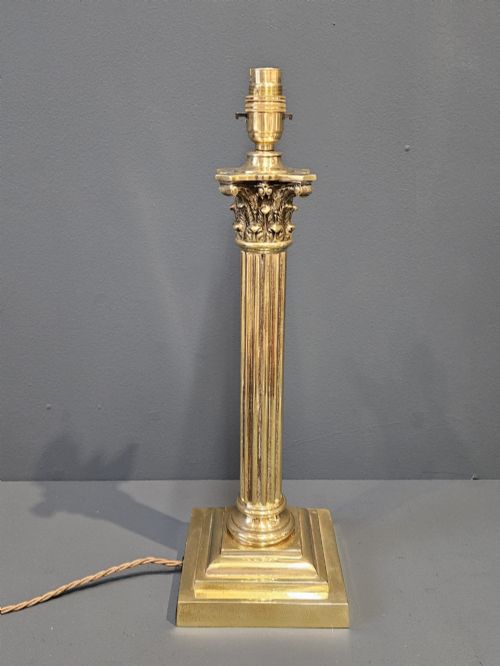
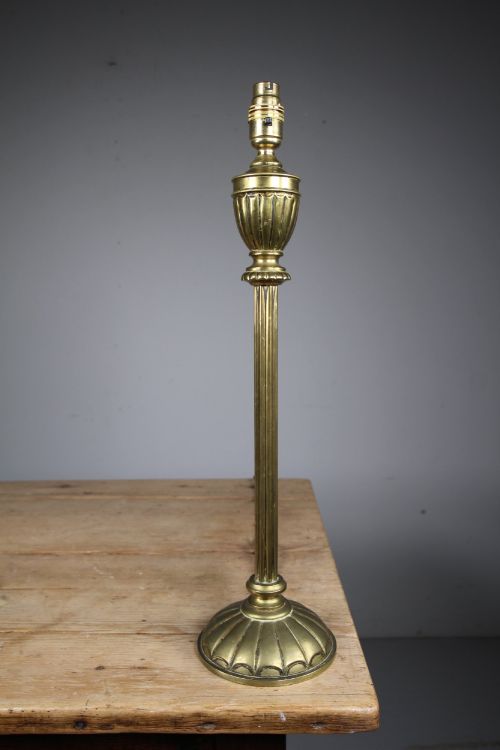
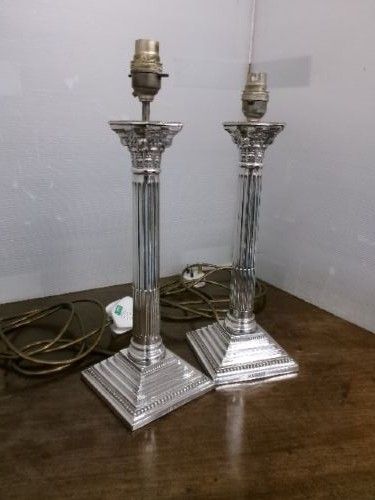
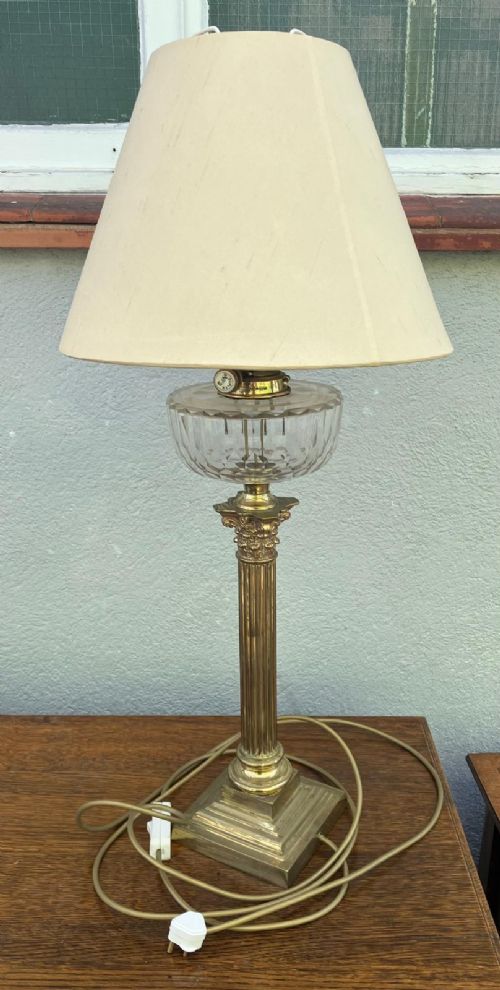
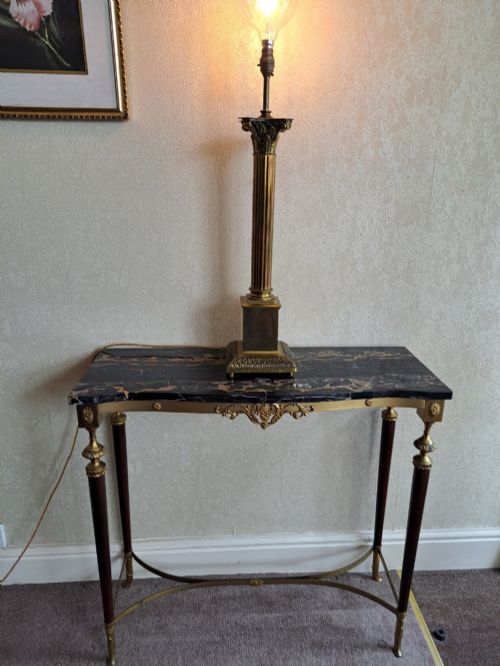
The most common examples on this page adopt the Corinthian or Ionic order, featuring detailed capitals atop reeded, fluted, or barley twist shafts. Makers also adapted older lighting technology, converting nineteenth-century oil lamps and candlesticks into electrified table lamps during later decades.
How traditional column table lamps were made
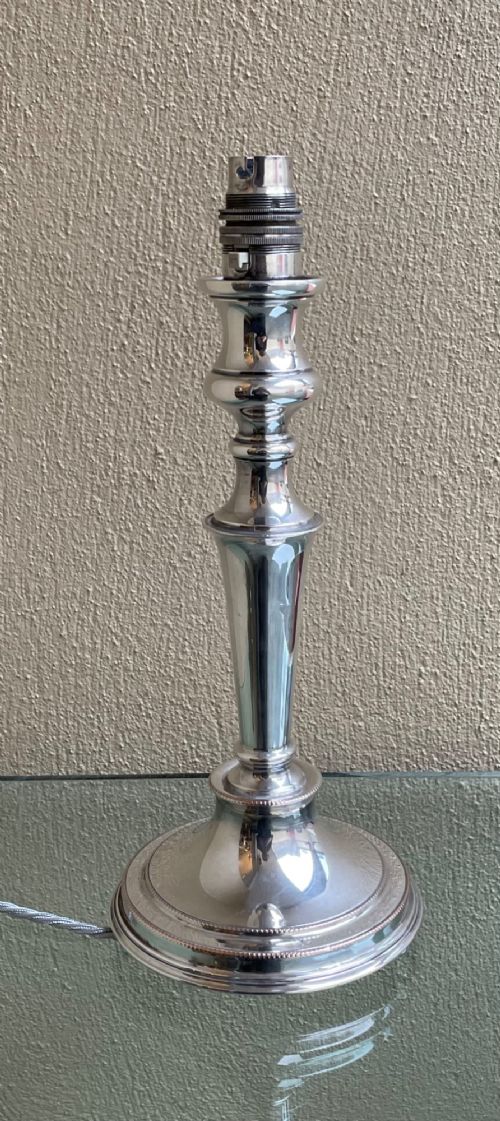
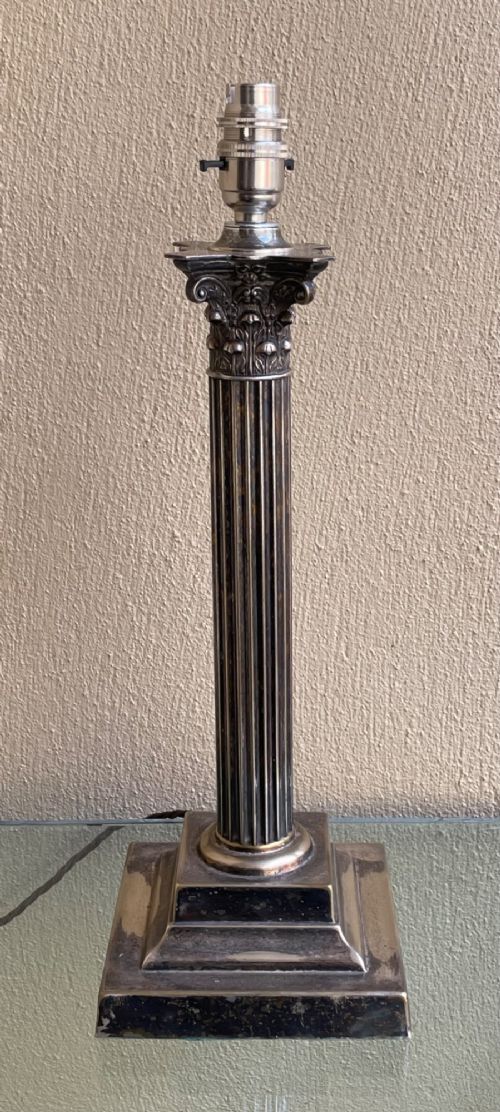
Metalworking dominates the construction of these pieces, utilising cast brass, fine cast brass, and silver plating over base metals. Workshops shaped columns through turning and casting, applying crisp detailing to the acanthus leaves of Corinthian capitals and the stepped bases.
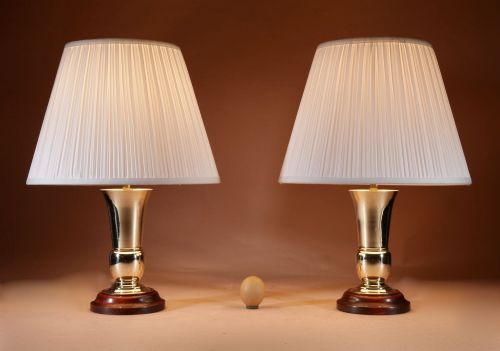
Listings feature traditional column table lamps spanning the Victorian and Edwardian eras, constructed from brass, silver plate, glass, and mahogany.
What varies in quality
The sharpness of the casting defines the upper tier of metal lamps, where fine cast brass retains crisp edges on capital scrolls and fluted channels. Lesser examples exhibit softened detail and lighter gauge metal that lacks substantial weight at the base.
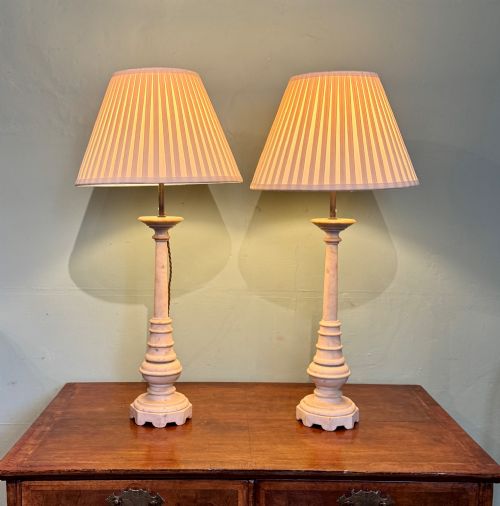
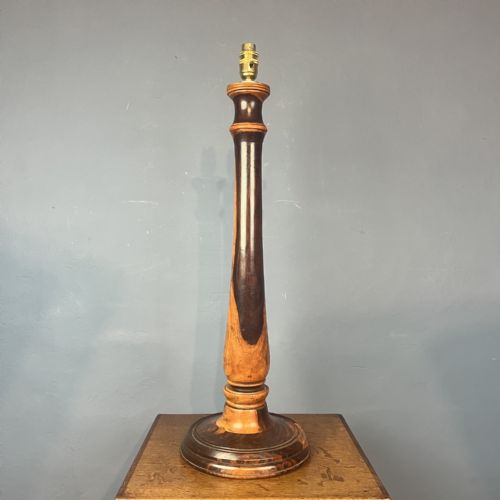
Proportion and material integrity separate ordinary lamps from exceptional ones, particularly in timber pieces where dense grains like lignum vitae or figured mahogany are turned with precision. Plated pieces show quality through the durability and even coverage of the silver over the underlying metal.
The Traditional Column Table Lamp Glossary
- Corinthian column
- A classical architectural column style featuring an ornate capital decorated with rows of acanthus leaves and small scrolls. This motif appears frequently on nineteenth-century and Edwardian metal table lamps.
- Ionic column
- A classical column design distinguished by twin spiral scrolls known as volutes on its capital. It offers a slightly more restrained profile than the Corinthian order.
- Reeded column
- A shaft decorated with parallel convex mouldings running vertically along its length. This technique adds texture and catches the light on brass lamp bodies.
- Silver plated
- A thin layer of silver bonded to a base metal core such as brass or copper. Many Edwardian and Victorian lamps utilised this method to achieve the look of solid silver.
- Duplex burner
- A double-wick mechanism found on Victorian oil lamps designed to produce a brighter flame. Lamps featuring these heavy brass burners were frequently converted to electricity later.
Traditional Column Table Lamp: Frequently Asked Questions
How do I date a brass column lamp?
Dating relies on stylistic markers, manufacturing techniques, and material combinations recorded across the Victorian and Edwardian periods. Earlier nineteenth-century examples often feature heavier sand castings and integrated oil fonts.
Later Edwardian and early twentieth-century pieces frequently display lighter construction and adaptations for early electrical wiring. Examining the base weights and assembly screws helps narrow the production decade.
What is a Corinthian capital?
The Corinthian capital is the decorative top section of a column adorned with carved or cast acanthus leaves. It serves as the most prominent decorative feature on classical table lamps.
Victorian and Edwardian makers reproduced these intricate capitals in brass and silver plate to mimic ancient stone architecture.
Were these lamps originally electric?
Many metal and wooden column lamps began their lives as oil lamps, duplex burners, or heavy candlesticks rather than electrical fittings. Workshops converted these functional objects into table lamps during the twentieth century as domestic electricity spread.
Rewired examples retain their antique metal or wooden columns while incorporating modern internal wiring for safe daily use.
Where should I place a column lamp?
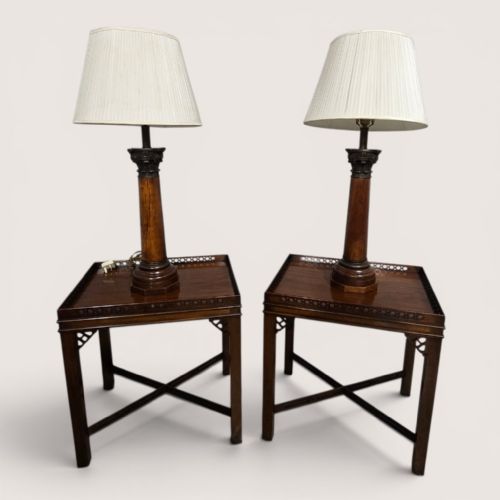
Column lamps suit side tables, occasional tables, and heavy mahogany furniture where their vertical height balances surrounding decor. Their classical proportions work effectively in traditional studies, libraries, and drawing rooms.
Pairing them with fabric shades allows the brass or wooden shafts to anchor the lighting scheme of a room.