



Glass Reservoir Lamp Base
A glass reservoir lamp base brings Victorian weight and period illumination into a room, offering tactile metal and glass combinations that modern lighting simply cannot match.
Glass Reservoir Lamp Base
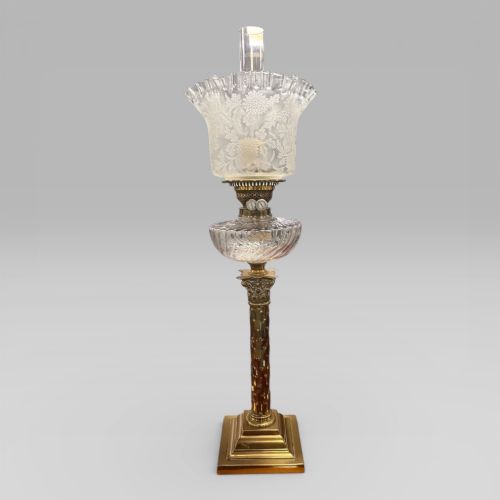
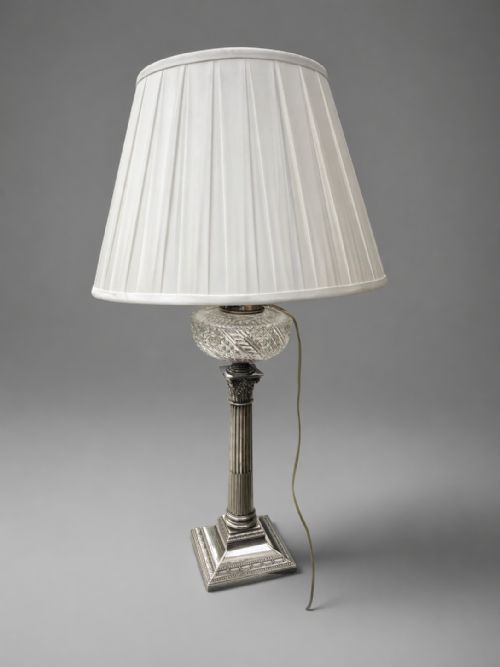
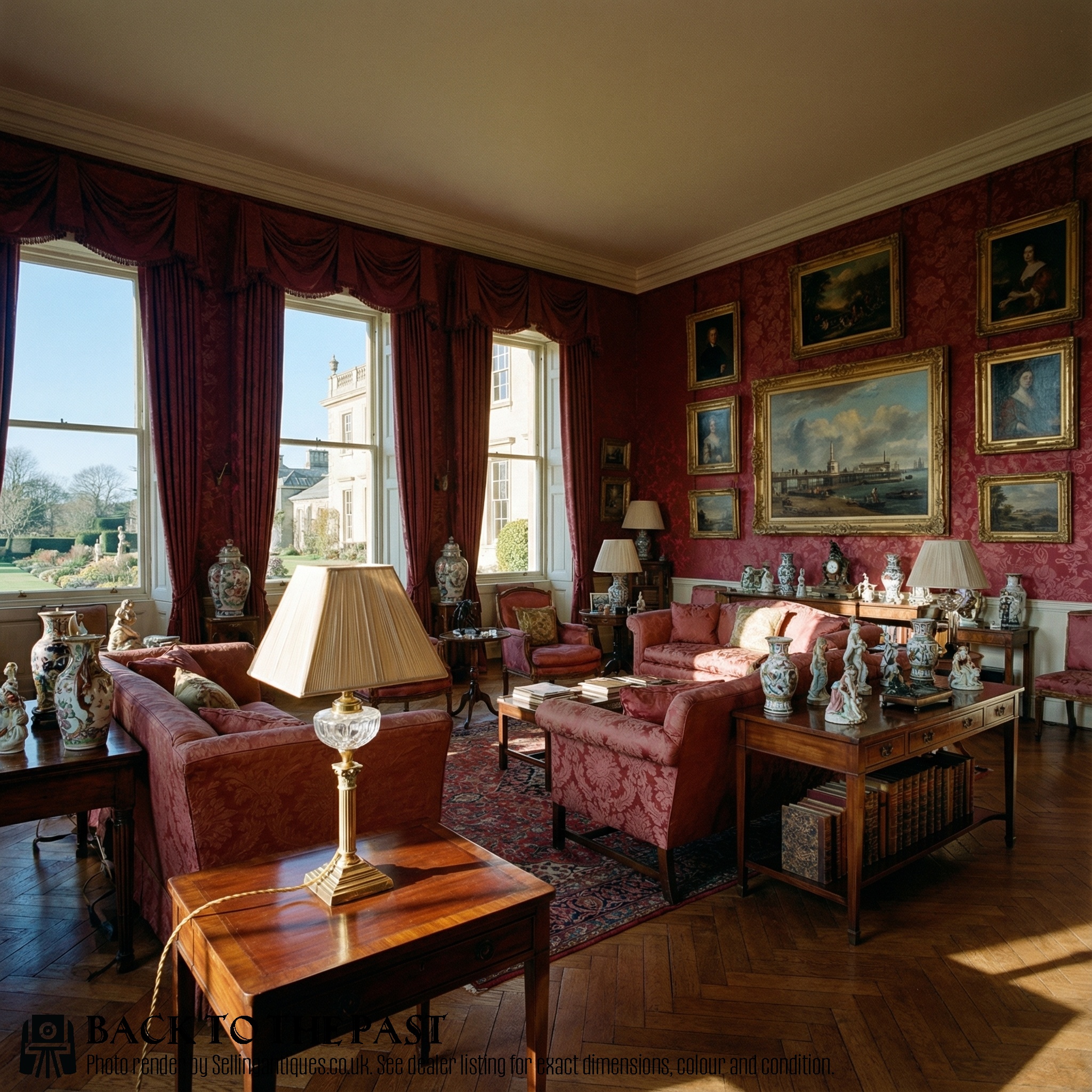
A glass reservoir lamp base sits at the intersection of practical nineteenth-century lighting and decorative Victorian interior design. When you search for a glass reservoir lamp base, you find functional oil lamps and converted table lamps that combine a glass fuel container with sturdy metal or ceramic supports.
The examples most commonly met on this page date from the Victorian era and the turn of the twentieth century. These pieces range from simple cottage table lamps to elaborate Corinthian column designs topped with cut glass reservoirs.
Many survivors retain their original proportions while others have been adapted for modern electrical wiring. Their forms reflect the changing domestic lighting technology of the nineteenth century, moving from utilitarian burners to ornamental drawing-room showpieces.
Materials and construction
Makers combined heavy cast metals with blown or pressed glass to create stable table lamps that could support the weight of fuel and burners safely. Brass columns and silver plated mounts provide the structural backbone, often paired with black glass bases for added stability and contrast.
Glass reservoirs show significant variety in technique, utilising satin glass, cut glass, and ceramic elements. Metal components frequently take Neoclassical revival forms, including Corinthian columns cast in brass or finished with silver plating.
Art Nouveau examples introduce organic bronze forms that depart from strict classical revivalism. The integration of fabric shades and ceramic bodies further expands the repertoire of materials handled by nineteenth-century lamp makers.
Glass Reservoir Lamp Base Retail Price Guide 2026
Typical asking prices for glass reservoir lamp base among the pieces listed under this phrase on Sellingantiques today, from the lower quarter to the upper quarter. They describe what is for sale here now, not the wider market.
The listings span from 1850 through the late Victorian period to 1900, incorporating brass, satin glass, and silver plate.
Assessing quality and finish
Quality in these pieces rests upon the crispness of the metal casting and the depth of the glass cutting. Superior brass and silver plated columns display sharp fluting and well-defined capitals, whereas simpler work lacks this precision.
The weight and clarity of the glass reservoir dictate much of the piece's overall character. Heavy cut glass or fine satin glass denotes a higher grade of production than plain pressed alternatives, reflecting the investment of the original owner.
The Glass Reservoir Lamp Base Glossary
- Reservoir
- The container that held the lamp oil beneath the burner assembly. It is typically made of clear, cut, or satin glass to show the fuel level.
- Peg Lamp
- A small oil lamp designed with a tapered metal peg at the base. This peg allowed the lamp to drop directly into a candlestand or separate receiver.
- Satin Glass
- Glass treated with hydrofluoric acid to produce a velvety, matte surface texture. It was popular for Victorian decorative objects and soft lighting effects.
- Silver Plated
- A thin layer of silver bonded to a base metal core such as brass or copper. This technique offered the luxurious appearance of solid silver at a lower cost.
Glass Reservoir Lamp Base: Frequently Asked Questions
Were these lamps used for lighting rooms?
Yes, these served as primary interior lighting before domestic electricity became widespread in homes.
They burned paraffin or other lamp oils to produce steady light in parlours, dining rooms, and bedrooms.
Can I use an antique oil lamp today?
Many examples on the market have been safely converted to electricity for modern household use.
Conversion usually involves running a cord through the original burner mechanism without altering the historical metal or glass structure.
How do I date a Victorian lamp base?
Dating relies on stylistic clues such as architectural column orders and the specific type of glass manufacturing.
Pieces carrying Neoclassical revival details typically point to the high Victorian period, while flowing organic lines suggest the later Art Nouveau turn of the century.
What metals were used in the bases?
Foundries relied heavily on brass, cast iron, and silver plated base metals for structural stability.
These materials provided the necessary weight at the foot of the lamp to prevent accidental tipping of the oil reservoir.