

Traditional Column Reading Lamp
A traditional column reading lamp brings architectural order to a room, offering focused height and classical proportion.
Traditional Column Reading Lamp
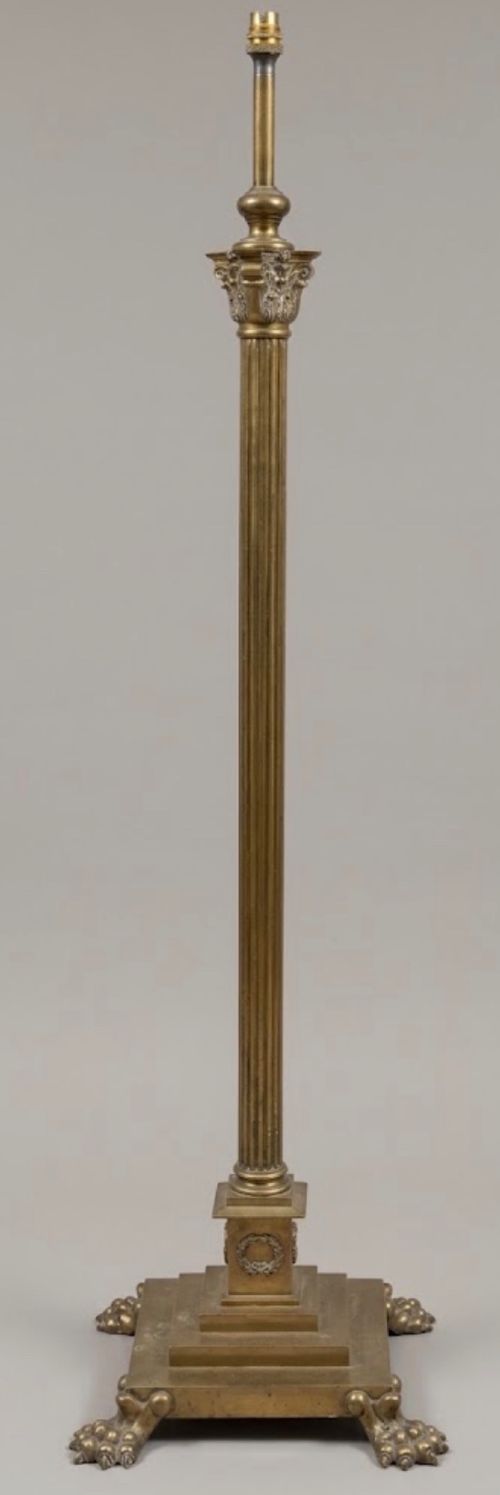
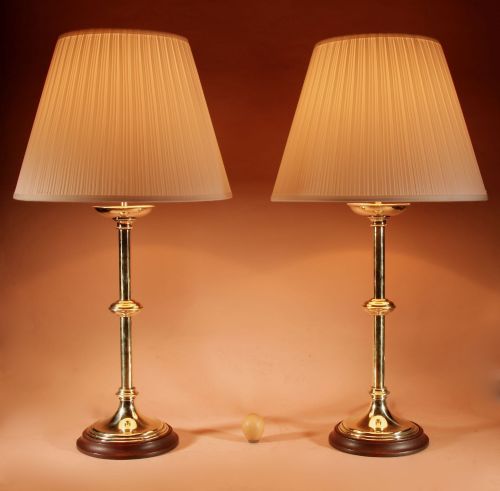
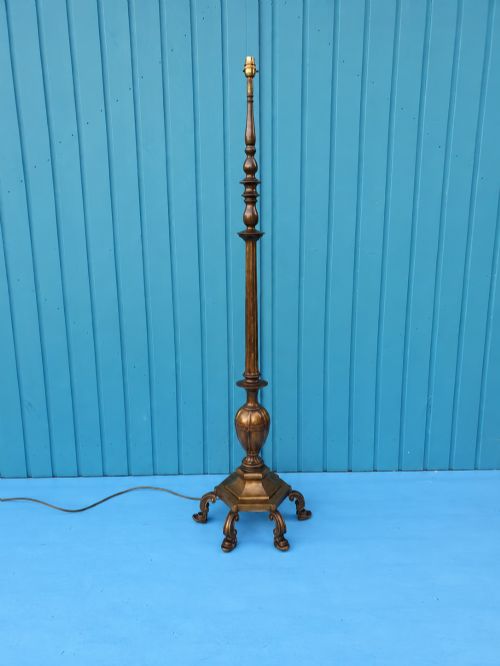
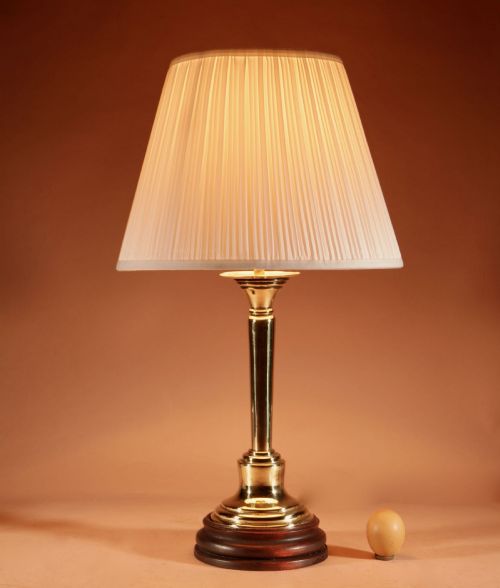
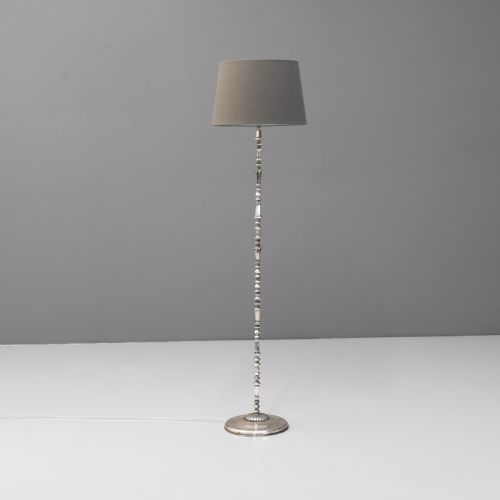
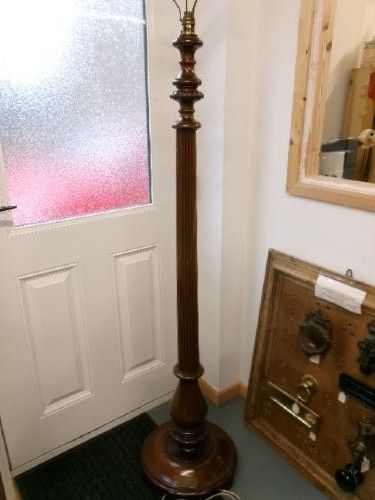
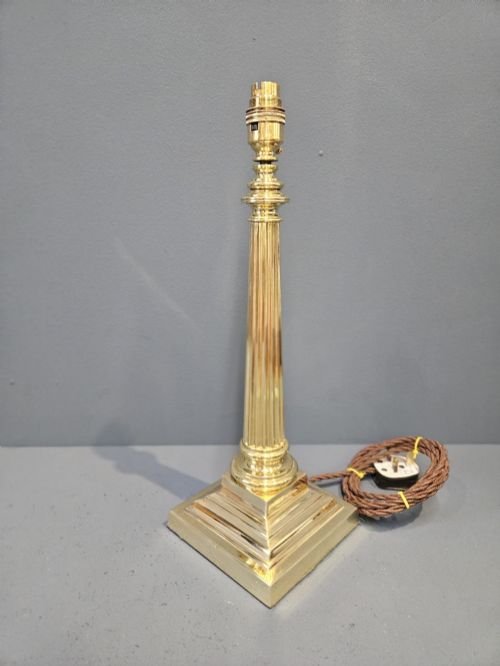
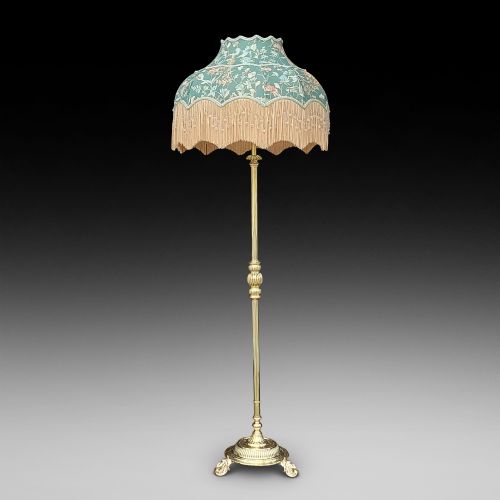
A traditional column reading lamp takes its design cues from ancient architectural orders, translating stone capitals and fluted shafts into domestic illumination. These pieces range from compact table models to tall floor-standing standard lamps designed to sit beside a desk or armchair.
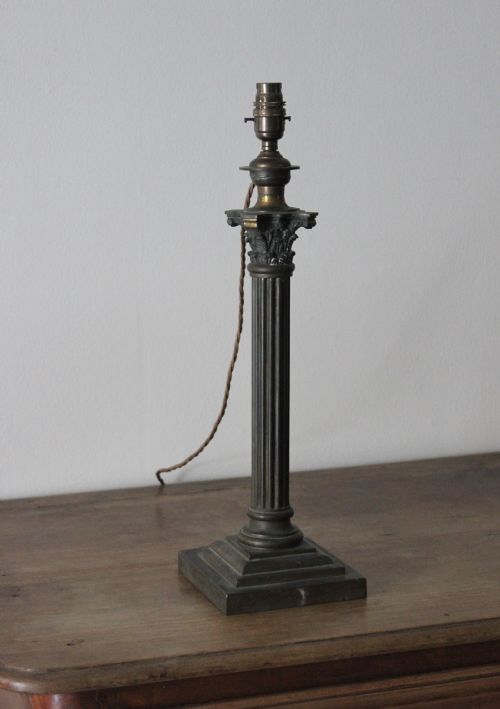
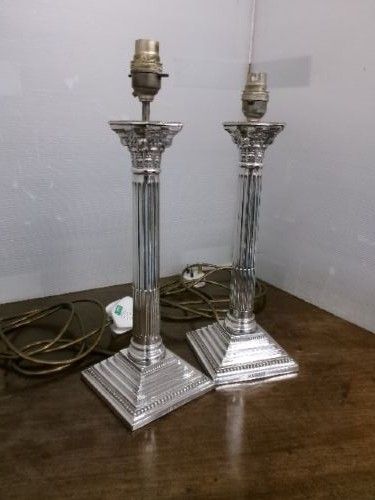
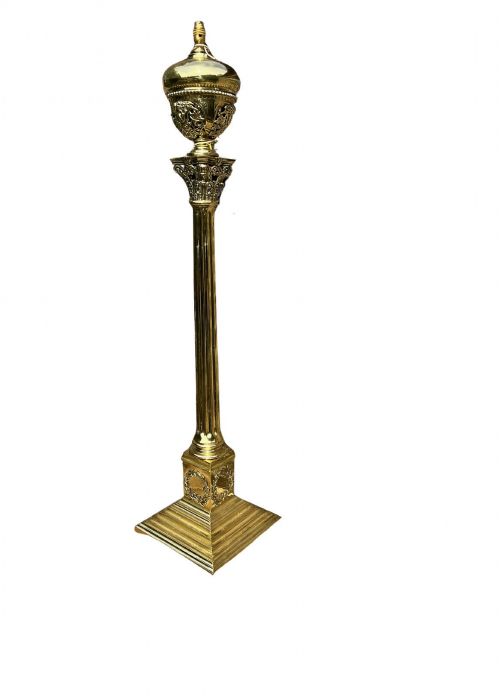
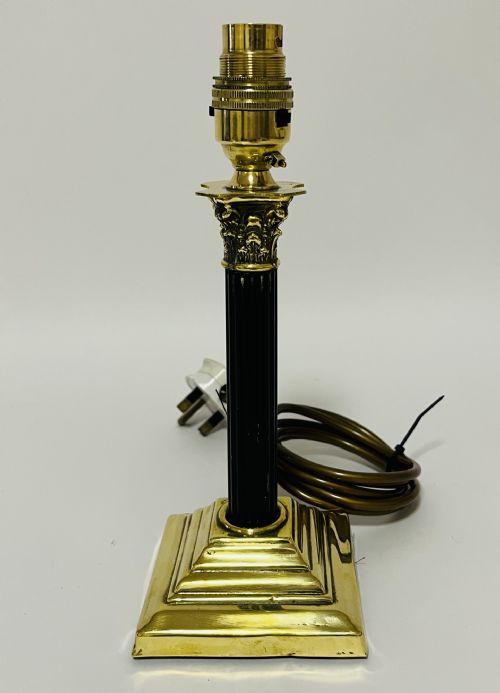
Most examples encountered on this page date from the Victorian and Edwardian eras through to the early decades of the twentieth century, reflecting a long period of domestic electrification and adaptation from oil burners. The forms draw heavily on Neoclassical, Corinthian, and Doric styles, often incorporating stepped square bases and detailed capitals.
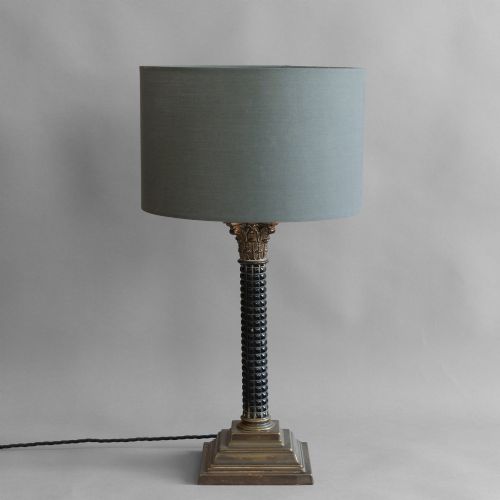
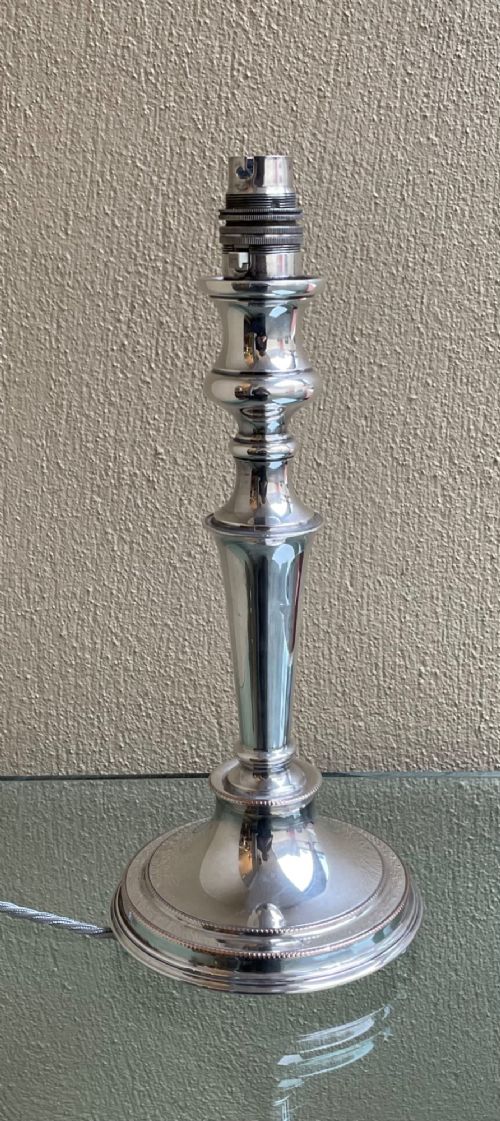
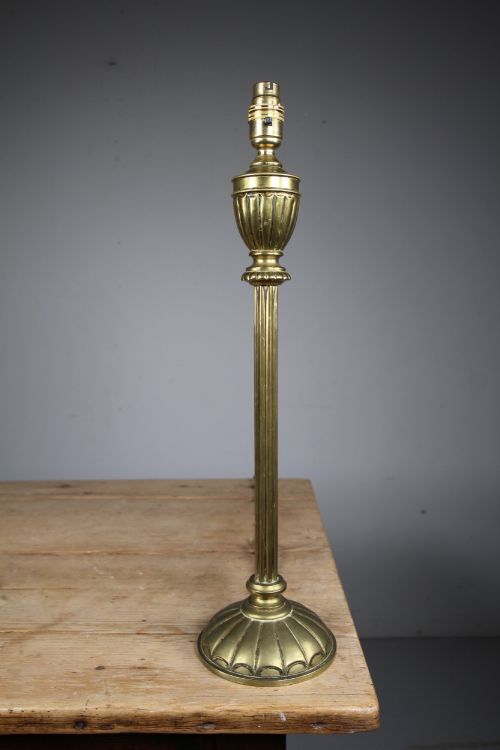
Makers produced both table lamps and standard lamps in brass, silver plate, and bronze, sometimes pairing metal shafts with glass reservoirs or majolica ceramic inserts. The proportion of the column remains the defining characteristic, lending stability and an upright silhouette to the fitting.
How They Were Made
Foundry casting formed the structural core of these pieces, utilising brass and bronze to create substantial shafts, weighted bases, and intricate capitals. Metalworkers turned columns on lathes to achieve smooth reeded or fluted profiles, while silver plating provided a bright reflective finish for more formal drawing room pieces.
Assembly involved threading central rods through stacked metal components, securing decorative acanthus leaves or volutes to the column tops by hand. Manufacturers paired these rigid metal stands with fabric, silk, or cut glass elements to diffuse the light downward for reading.
Traditional Column Reading Lamp Retail Price Guide 2026
Typical asking prices for traditional column reading lamp among the pieces listed under this phrase on Sellingantiques today, from the lower quarter to the upper quarter. They describe what is for sale here now, not the wider market.
Listings feature traditional column reading lamps spanning the Victorian, Edwardian, and early twentieth-century periods, constructed primarily in brass, silver plate, and bronze.
What Varies in Quality
The crispness of the casting defines the upper tier of these lamps, where capital details such as volutes and bead-and-reel mouldings remain sharp and deep. Lesser examples exhibit softened definition from worn moulds or mass-produced simplification in the ornamentation.
Substance and weight separate finer pieces from lighter alternatives, with high-quality lamps utilising heavy gauge brass and solid weighted bases to support tall column heights without tipping. The integrity of the plating or the rich natural patina of the underlying metal also signals original manufacturing standards.
The Traditional Column Reading Lamp Glossary
- Corinthian column
- A classical shaft style featuring an ornate capital decorated with carved acanthus leaves and delicate scrolls. This order appears frequently on nineteenth-century brass table and floor lamps.
- Doric column
- A sturdy and unadorned classical architectural order that forms a simpler, more robust lighting shaft. It provides a clean silhouette compared to highly detailed leaf-carved capitals.
- Reeded column
- A cylindrical shaft carved with parallel convex mouldings running vertically along the length of the metal. This technique catches the light and adds textural interest to standard lamps.
- Silver plate
- A thin layer of silver fused or electroplated over a base metal body such as brass or copper. It offered households the brilliance of solid silver at a more accessible scale.
- Majolica
- A colourful tin-glazed earthenware pottery often incorporated into the body or base of Victorian table lamps. It adds a contrasting band of colour beneath the metal column.
Traditional Column Reading Lamp: Frequently Asked Questions
How do I date a brass column lamp?
Dating relies on combining the stylistic clues of the capital ornamentation with the manufacturing methods visible on the base and internal components. Victorian and Edwardian pieces often display heavier cast construction and hand-finished details.
Later twentieth-century reproductions generally use lighter gauge metals and machine-stamped fittings rather than heavy foundry castings. Examining the wiring access points and switch types also helps establish the production era.
Are standard lamps different from floor lamps?
In historical terminology, standard lamps and floor lamps refer to the same tall upright lighting fixtures designed to stand directly on the floor. Both terms appear interchangeably across nineteenth and early twentieth-century pieces.
The height allows the light source to cast illumination downward over a reading chair or writing desk. Table lamps share the exact same column design but feature shorter shafts scaled for placement on furniture.
Did these lamps start as oil lamps?
Many tall standard lamps and table pieces began their lives as oil-burning lamps before being converted to electricity during domestic modernization. You can often identify conversion pieces by the presence of original fuel reservoirs or burner assemblies adapted to house bulb fittings.
This historical transition explains the varying heights and the inclusion of glass reservoirs found among the brass and bronze columns. The conversion process preserves the original decorative metalwork while updating the functionality for modern interiors.
How do I choose a shade for a column lamp?
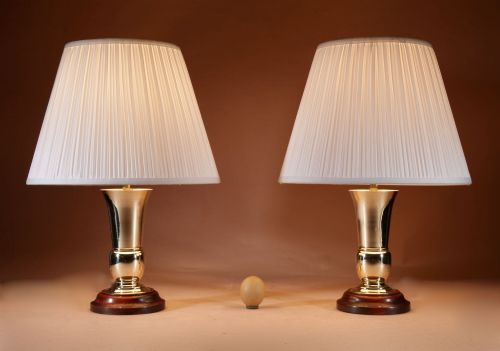
Selecting a shade involves balancing the height and weight of the classical column with appropriate proportions in fabric and form. Traditional styles often pair well with pleated silk or tailored fabric shades that complement the formal silhouette.
The scale of the shade should match the diameter of the stepped base, ensuring the lamp remains visually balanced. Neutral tones or traditional dark fabrics help anchor the metallic finish of the brass or silver plate.