





Traditional Chinese Lighting
Traditional chinese lighting brings decorative porcelain and bronze into interiors through adapted vessels and floor standards.
Traditional Chinese Lighting
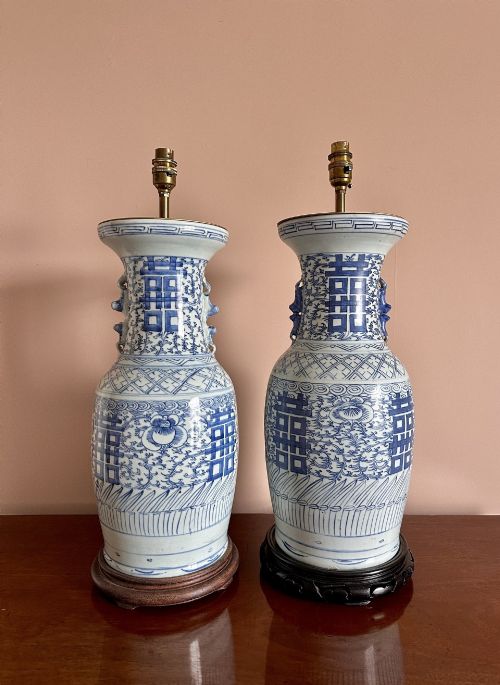
Traditional chinese lighting centres on ceramic vessels and bronze bases adapted for electrical use across several centuries. Buyers seek these pieces to introduce distinct oriental colour and form into domestic spaces.
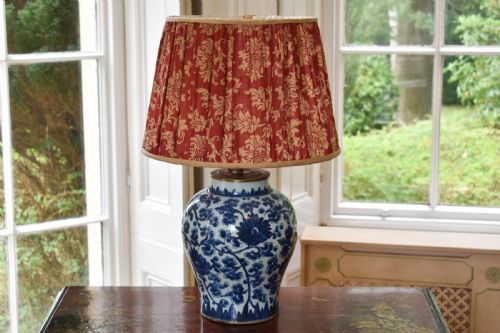
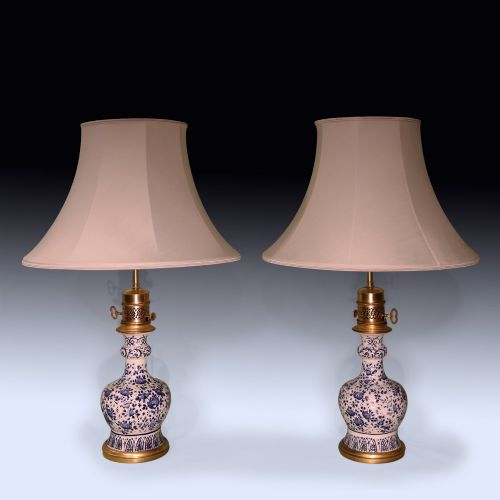
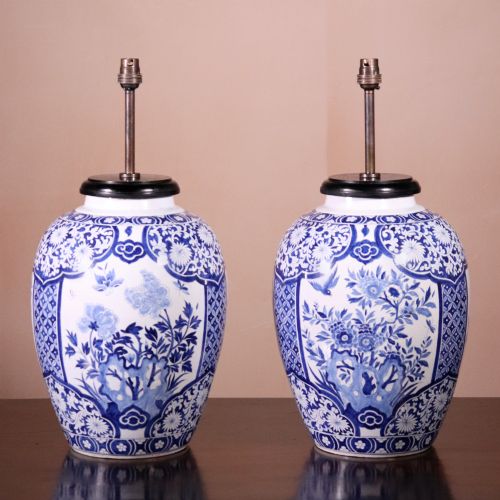
The objects take the shape of blue and white jars, cloisonné vases, and floor standing lamps. Many examples date from the nineteenth century and the early twentieth century.
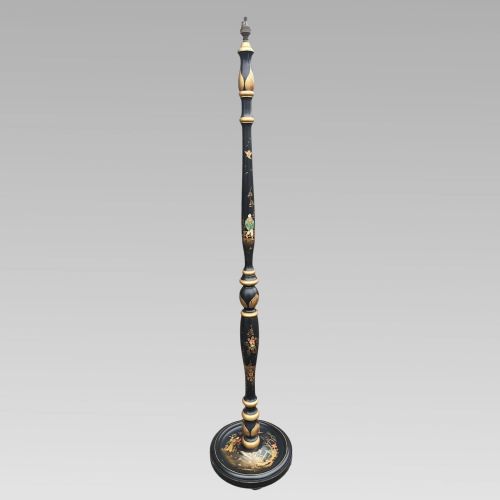
Vessels such as ginger jars and baluster vases form the bulk of the ceramic selection, while standard lamps utilise hardwoods like padauk and elm.
Materials and construction
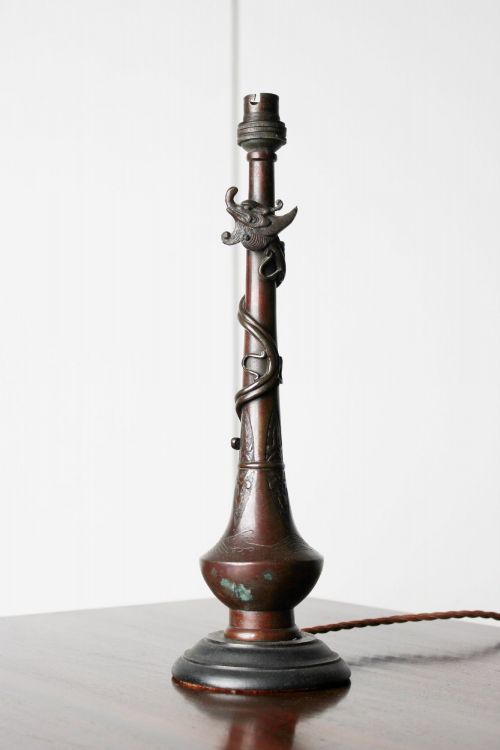
Ceramic pieces utilise porcelain bodies decorated with blue and white glazes, crackleware, and famille verte or famille rose enamels. Bronze and brass form the structural mounts and lamp fittings.
Wood elements rely on elm, pickled elm, and padauk, often carved or lacquered in black. Silk and fabric frequently complete the standards as fitted lamp shades.
Traditional Chinese Lighting Retail Price Guide 2026
Typical asking prices for traditional chinese lighting among the pieces listed under this phrase on Sellingantiques today, from the lower quarter to the upper quarter. They describe what is for sale here now, not the wider market.
The listings feature porcelain, brass, wood, fabric, elm, silk, enamel, and lacquer across nineteenth and early twentieth-century periods.
Quality variations
Quality rests on the depth of the porcelain glaze and the crispness of the hand-painted decoration across the body. Superior examples display intricate detailing in famille rose or cloisonné work.
The integrity of the timber framework and the weight of the metal bases dictate the standard of the larger floor and table pieces. Original surfaces on lacquer and hardwood retain greater character than later refinished items.
The Traditional Chinese Lighting Glossary
- Famille Rose
- A palette of opaque enamels dominated by pink, introduced during the Qing dynasty. It appears frequently on nineteenth-century porcelain vase lamps.
- Cloisonné
- An enamel technique where metal wire forms compartments on a vase surface to hold coloured paste. These pieces are often converted into lamp bases.
- Crackleware
- A ceramic glaze characterised by a network of fine cracks intentionally created during firing. This finish is common on nineteenth-century blue and white vase lamps.
- Padauk
- A heavy tropical hardwood valued for its dense grain and durability, utilised in standard lamps. It provides a sturdy dark frame for floor lighting.
Traditional Chinese Lighting: Frequently Asked Questions
What is traditional chinese lighting?
Traditional chinese lighting comprises lamps made from converted nineteenth-century porcelain vases, cloisonné vessels, and carved hardwood standards.
These pieces combine historical Asian craftsmanship with modern electrical wiring to serve as functional table and floor lighting.
How do I date these lamps?
Dating relies on examining the ceramic style, glaze characteristics, and the period of the associated woodwork such as elm or padauk.
Nineteenth-century examples often feature blue and white or famille rose porcelain, while Edwardian pieces introduce specific lacquer finishes.
Were these originally made as lamps?
Most ceramic examples began as decorative vases, ginger jars, or storage vessels before receiving electrical fittings later.
Only certain standards and specific forms were conceived from the outset for illumination, alongside lantern stands.
How do I place these in a room?
These lamps function effectively on console tables, side tables, or as floor-standing standards in living spaces and halls.
Their decorative ceramic bodies and lacquered wood frames complement both traditional and eclectic interior schemes.