


Traditional Chinese Ceramic Vase
Traditional chinese ceramic vase forms combine centuries of kiln tradition with hand-painted cobalt and enamel decoration that instantly anchors a room.
Traditional Chinese Ceramic Vase
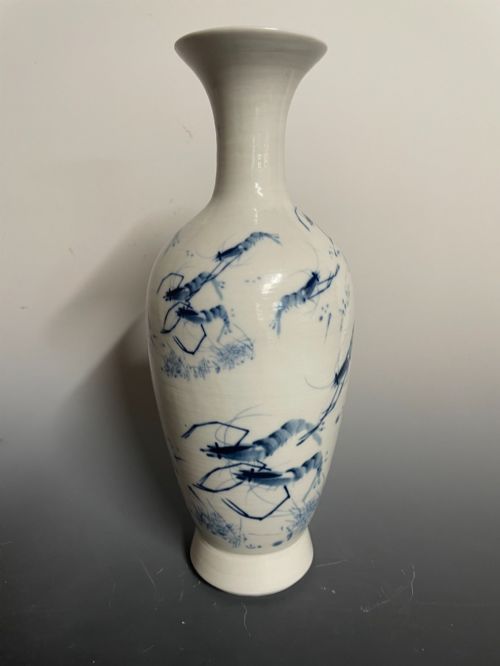
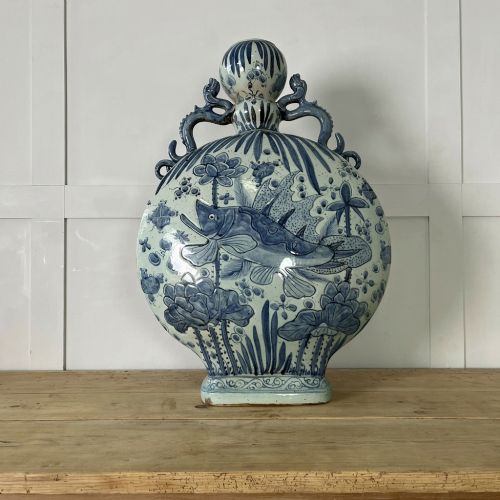
A traditional chinese ceramic vase brings centuries of East Asian kiln heritage directly into domestic spaces through enduring forms such as bottle vases, meipings, moon flasks, and baluster shapes. The selection on this page leans heavily toward nineteenth-century production, running from the eighteen-sixties through the Edwardian era up to the nineteen-thirties.
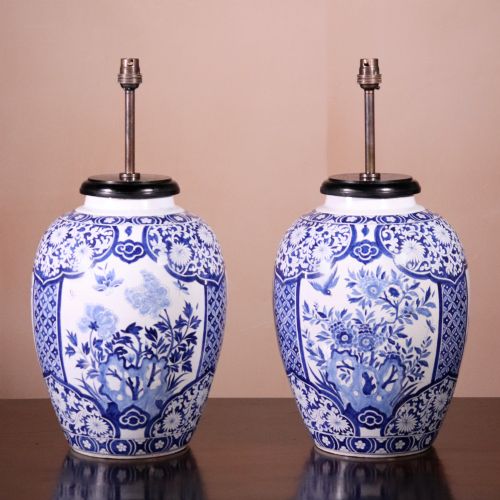
Buyers encounter numerous blue and white pieces alongside vibrant famille rose, famille verte, celadon, crackleware, and flambe examples. Many of these vessels have been wired as table lamps over time, combining their original ceramic bodies with brass fittings, wood bases, and fabric shades.
The decorative vocabulary draws heavily on Qing Dynasty aesthetics, Chinese export porcelain styles, and traditional motifs like dragons and floral sprays. Forms range from modest cabinet vessels to monumental floor-standing pieces adapted for modern interiors.
Materials and production methods
These traditional chinese ceramic vase pieces rely on hard-paste porcelain shaped by hand and fired in high-temperature kilns. Artisans utilised cobalt underglaze to achieve deep blue designs beneath a clear glass-like finish, or applied polychrome enamels over the glaze for richer palettes.
Specialised techniques include crackleware glazing, where intentional crazing creates a web of fine lines across the surface, and monochrome flambe glazes that pool in striking gradients. Many finished vessels were subsequently paired with carved wooden stands and brass lamp hardware during later adaptations.
Current listings feature porcelain vases from the nineteenth century, Edwardian era, and early twentieth century alongside brass, wood, and silk elements.
Quality factors in traditional chinese ceramic vase selection
The division between average and exceptional work rests on the clarity of the painted detail and the precision of the form. Hand-drawn brushwork on pieces bearing imperial marks or intricate dragon motifs displays a fluidity and control that mass-produced or purely decorative later wares lack.
The tactile quality of the glaze and the resonance of the porcelain body also signal superior production. Uniformity in high-temperature firing, balanced proportions, and well-preserved enamel colours separate standard domestic export pieces from the finest studio creations.
The Traditional Chinese Ceramic Vase Glossary
- Cobalt Underglaze
- A pigment applied directly to the raw clay body before glazing and firing. This method ensures the blue design remains permanently sealed beneath the glassy surface.
- Famille Rose
- A palette of opaque enamel colours introduced in the eighteenth century, dominated by pink and rose shades. It allowed for delicate, shaded depictions of florals and figures.
- Celadon
- A pale green jade-like glaze created by iron oxide in a reduction kiln atmosphere. The subtle coloration mimics the prized appearance of natural jade.
- Moon Flask
- A flattened circular flask form supported on a low foot, featuring a short neck and two small loop handles. It draws on ancient bronze vessel shapes translated into porcelain.
Traditional Chinese Ceramic Vase: Frequently Asked Questions
How do I spot an older traditional chinese ceramic vase?
Older pieces typically display subtle iron-spotted cobalt, hand-cut foot rims showing natural clay variation, and genuine wear consistent with nineteenth-century handling. Examining the weight and thickness of the porcelain body also helps distinguish period work from later reproductions.
Base markings, while useful, require careful context alongside the potting technique and glaze chemistry. Faint crazing and natural imperfections often point to authentic kiln conditions rather than modern manufacturing.
Why are so many listed as lamps?
Many nineteenth-century and early twentieth-century vases were converted into table lamps to suit Western domestic interiors during the Victorian and Edwardian periods. This conversion often involved drilling a small hole near the base for wiring or mounting the vessel with custom brass hardware.
Buyers often choose these lamp conversions because they preserve antique porcelain bodies within a functional, everyday lighting accessory. The wooden bases and fabric shades can easily be updated to match contemporary decor.
What is the difference between blue and white and famille rose?
Blue and white porcelain relies on cobalt oxide painted directly onto the clay before a clear glaze is applied and fired at high temperatures. This creates a durable, two-tone finish that has been produced in China for centuries.
Famille rose pieces incorporate an opaque pink enamel fired at a lower temperature over an already glazed surface, alongside greens, yellows, and reds. This technique permits a much wider, multi-coloured palette and highly detailed pictorial scenes.