



Traditional Chinese Carving
Traditional chinese carving brings together dense rosewood furniture, jade animals and lacquer figures shaped by centuries of workshop tradition.
Traditional Chinese Carving
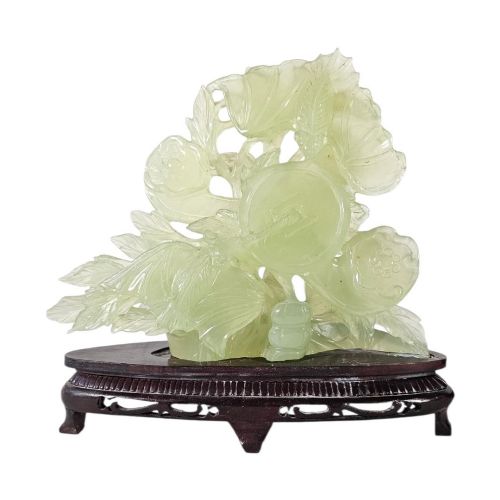
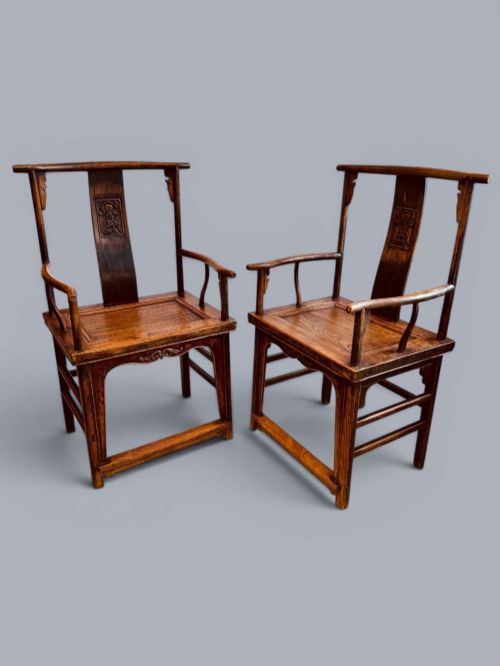
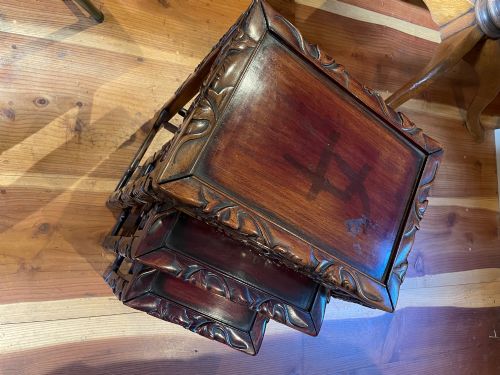
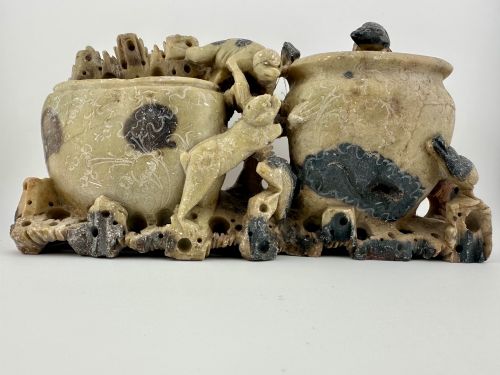
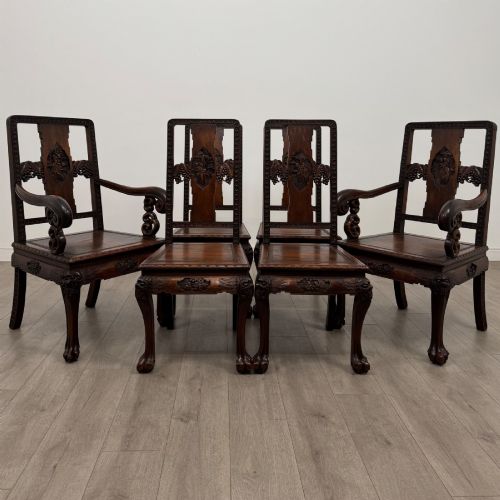
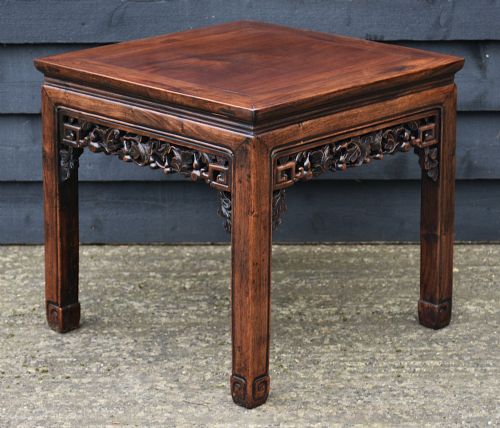
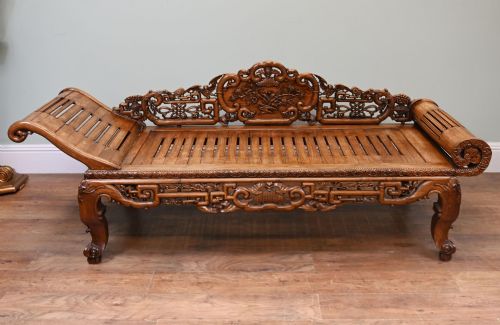
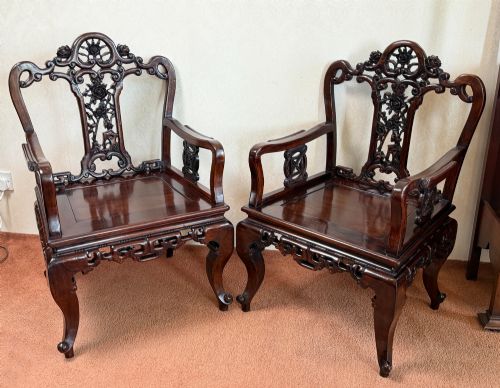
Traditional chinese carving encompasses functional furniture and decorative objects originating from the Qing Dynasty through the early twentieth century. Buyers encounter rosewood low tables, hardwood armchairs, altar tables and small jade or horn sculptures across these listings.
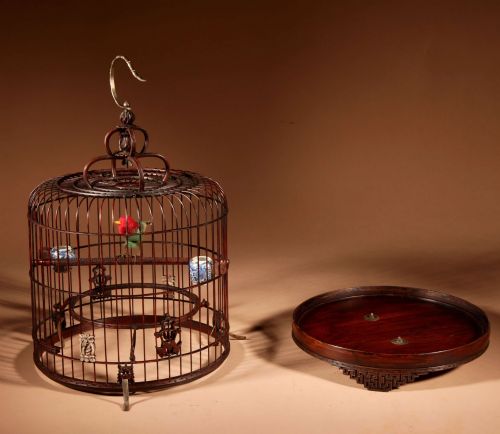
The domestic forms range from nesting tables and camphor trunks to horseshoe-back armchairs and intricate bird cages. Each piece reflects specific interior uses of past centuries, combining utilitarian design with deeply detailed surface work.
Materials and construction methods
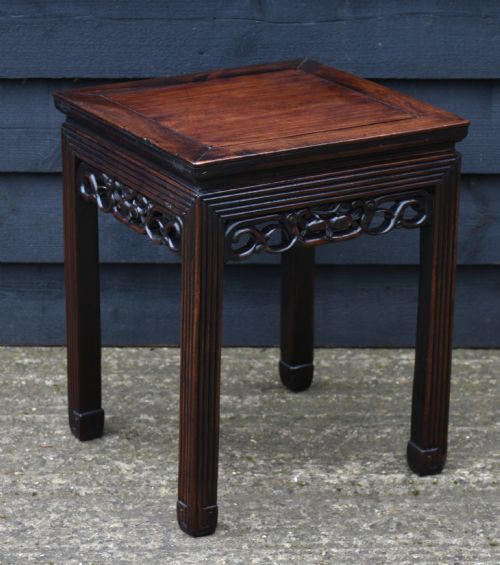
The makers relied on dense hardwoods including rosewood, huanghuali, padouk and elm, often joined without metal fasteners using traditional mortise and tenon techniques. Surfaces received carved relief work, red lacquer coatings, or inlaid mother of pearl details.
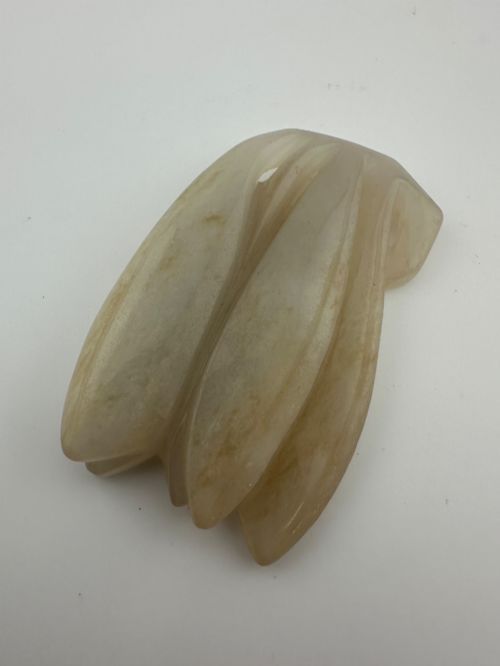
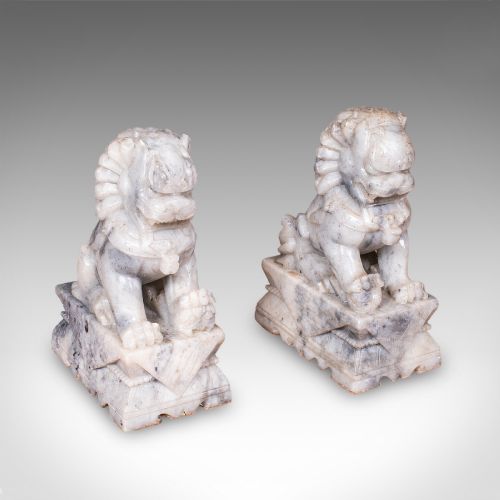
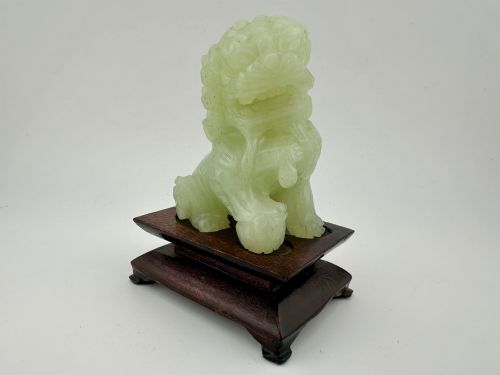
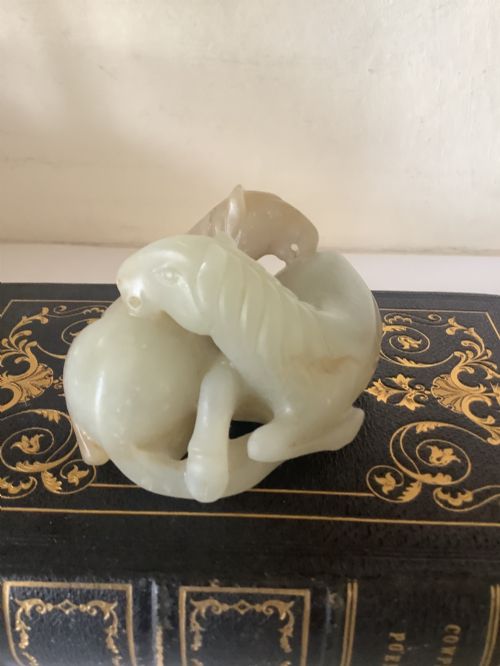
Smaller works utilise nephrite jade, pale celadon jade, water buffalo horn and bamboo. These media required meticulous hand abrasion and piercing to achieve the smooth contours seen on mythical beasts, deities and desk seals.
Traditional Chinese Carving Retail Price Guide 2026
Typical asking prices for traditional chinese carving among the pieces listed under this phrase on Sellingantiques today, from the lower quarter to the upper quarter. They describe what is for sale here now, not the wider market.
The listings span the eighteenth through the early twentieth centuries, featuring elm, rosewood, jade, and lacquer across diverse forms like altar tables and jade carvings.
Evaluating standard and execution
The division between ordinary and exceptional pieces rests entirely on the crispness of the hand-carved detail and the selection of the timber. Deep undercut relief on furniture or faultless translucency in a jade carving separates superior examples from mass production.
Proportion and the preservation of original patination dictate the desirability of larger items like altar tables and armchairs. Pieces retaining their natural grain under traditional finishes command closer attention from discerning collectors.
The Traditional Chinese Carving Glossary
- Qing Dynasty
- The final imperial dynasty of China, lasting from sixteen forty-four to nineteen twelve. Most antique furniture and carvings originate from its later decades.
- Jade
- A tough metamorphic stone encompassing nephrite and jadeite. Artisans carved this material into intricate censers, seals and animal figures.
- Hardwood
- Dense timber species such as rosewood and huanghuali used for structural stability in traditional seating and tables. These woods take a high natural polish.
- Lacquer
- A durable resin finish applied in multiple layers to wood surfaces. It provides a glossy protective coating that often accepts polychrome paint or gilding.
- Libation cup
- A ritual vessel form, historically carved from horn or jade. These containers often feature intricate motifs relating to immortals and pine trees.
Traditional Chinese Carving: Frequently Asked Questions
How do I care for rosewood furniture?
Rosewood furniture requires stable indoor humidity and protection from direct sunlight to prevent timber splitting. Regular dusting with a soft cloth maintains the natural surface.
Avoid silicone polishes which build up residue over time; instead, occasionally feed the wood with traditional wax.
What is an altar table used for?
Altar tables originally served ritual purposes in domestic shrines and temples to support ceremonial vessels and offerings. Their elongated proportions and upturned ends defined their sacred function.
Today, collectors utilise these substantial hardwood tables as striking console surfaces in modern hallways and living spaces.
How do I date a jade carving?
Dating jade relies on analysing the tool marks, stone colour, iconography and the execution style of the subject matter. Qing Dynasty pieces often display distinct, confident relief work.
Examining the accompanying hardwood stand can also provide clues regarding the period when the sculpture was mounted.