
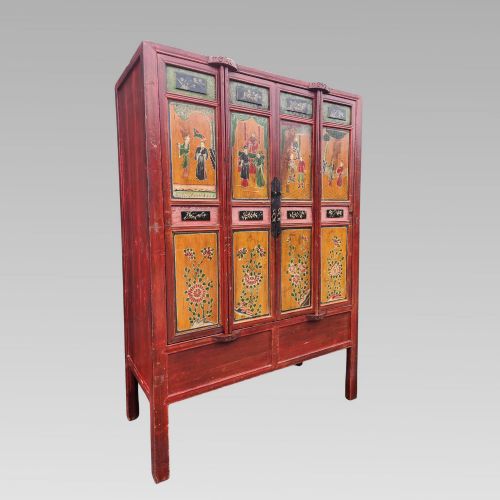


Traditional Chinese Armoire
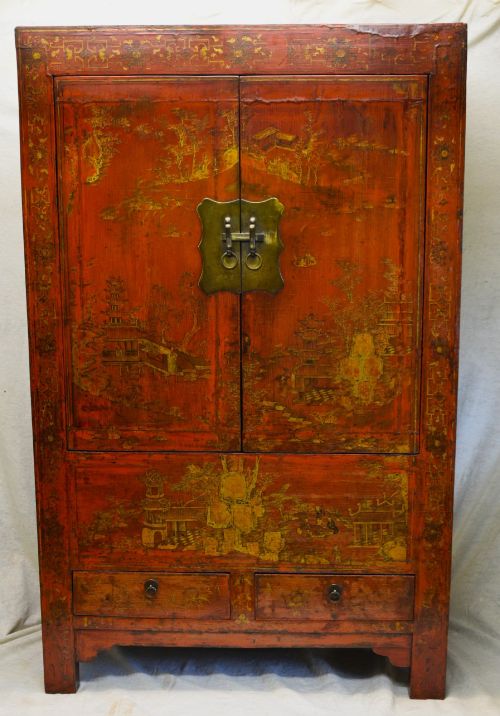
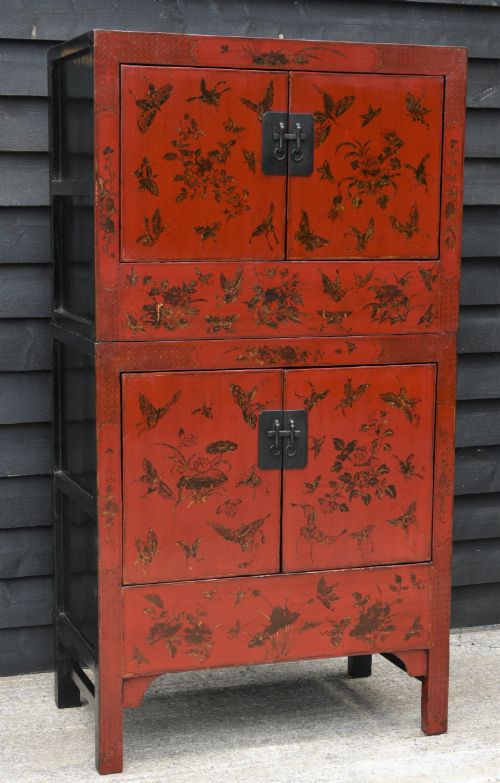
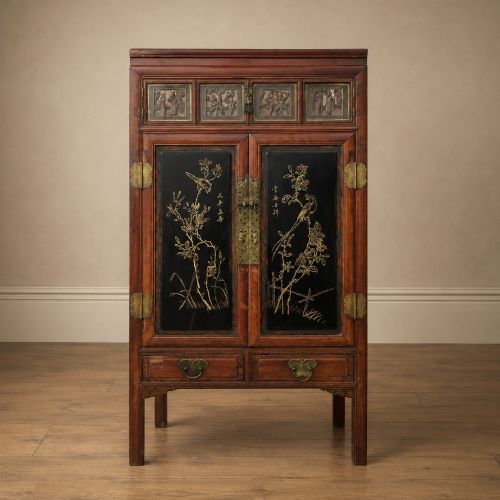
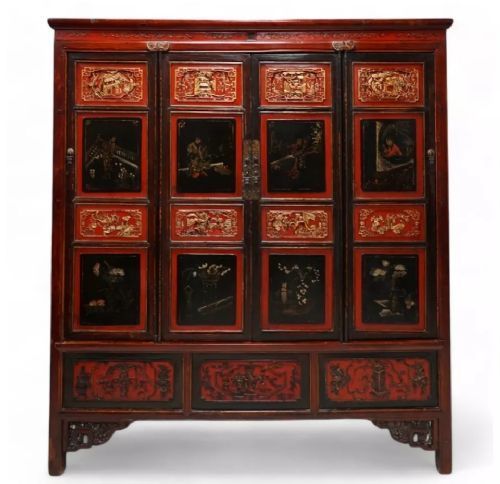
These traditional chinese armoire pieces are striking storage items that anchor a room with rich lacquer and timber grain.
Traditional Chinese Armoire
When you search for traditional chinese armoire, you find substantial timber cabinets designed for storage, often associated with marriage or domestic use. These pieces bring striking scale and historic presence to an interior space.
The selections available here span the nineteenth century and the early twentieth century, including pieces reflecting Qing Dynasty traditions and regional styles such as Fujian and Shanxi. Marriage cabinets and compound cabinets dominate the forms you encounter.
Makers utilised various regional aesthetics, creating works from red and black lacquer, elm, hardwood, camphor wood, and zitan. Each cabinet offers a distinct silhouette, from tall compound cupboards to noodle cabinets.
How they were made
Woodworkers built these traditional chinese armoire cabinets using solid timbers like elm, camphor wood, and hard hardwoods such as zitan, often employing traditional joinery that avoided nails. This method allowed the large structures to accommodate seasonal wood movement.
Surface finishes involved multiple layers of red or black lacquer applied to wood, sometimes decorated with carved details depicting dragons or motifs. Brass and iron hardware provided functional hinges and locking plates that doubled as decorative accents.
Materials recorded across the inventory include brass, iron, camphor wood, elm, zitan, and red or black lacquer.
What varies in quality
The distinction between standard and superior traditional chinese armoire pieces lies in the depth of the lacquer finish, the crispness of any carved wood details, and the integrity of the original timber. Better examples retain their deep pigment and stable structural joinery.
Original hardware, such as brass or iron locking plates and hinges, contributes significantly to a piece's integrity. Replacement fittings or heavily restored surfaces alter the original character that collectors value.
The Traditional Chinese Armoire Glossary
- Armoire
- A tall wardrobe or cabinet used primarily for hanging or folding garments. These pieces offer substantial enclosed storage.
- Lacquer
- A durable finish made from natural resin applied in thin coats and polished. It provides a smooth, glossy surface often seen in red or black on Asian furniture.
- Compound cabinet
- A two-part storage unit where a smaller cabinet sits atop a larger base. This modular form allows for easier transport of monumental pieces.
- Zitan
- A dense, heavy hardwood prized in traditional Chinese furniture making. It darkens over time and takes a fine carved detail.
- Marriage cabinet
- A traditional large cabinet given as part of a bride's dowry. They typically feature striking red lacquer and auspicious hardware.
Traditional Chinese Armoire: Frequently Asked Questions
What is a traditional chinese armoire used for?
These cabinets serve as focal points for storage in modern and traditional interiors alike. Their deep internal shelving and hanging space accommodate clothing, linens, or general household items.
Placed in living rooms, hallways, or bedrooms, they provide monumental storage while displaying rich historic finishes like red lacquer or dark timber.
How do I identify a Qing Dynasty piece?
Qing Dynasty pieces often feature traditional joinery, heavy timber construction, and characteristic brass or iron hardware. Look for regional finishes such as red and black lacquer from Fujian or Shanxi.
Dates typically span the nineteenth century up to the early twentieth century, showing authentic wear patterns and period-specific decorative motifs like dragon carvings.
Are these cabinets made of solid wood?
Yes, traditional pieces utilise solid timbers including elm, camphor wood, zitan, and general hardwoods. Artisans built them to withstand daily domestic use without modern manufactured board.
Natural timber movement is managed through traditional joinery techniques, ensuring the large structure remains stable across changing seasons.
How do I care for lacquered wood?
Lacquered surfaces require gentle dusting with a soft, dry cloth to prevent scratching the polished finish. Avoid using chemical cleaners or placing the furniture in direct sunlight.
Maintaining a stable indoor humidity helps protect both the wood substrate and the delicate lacquer layers from cracking over time.