

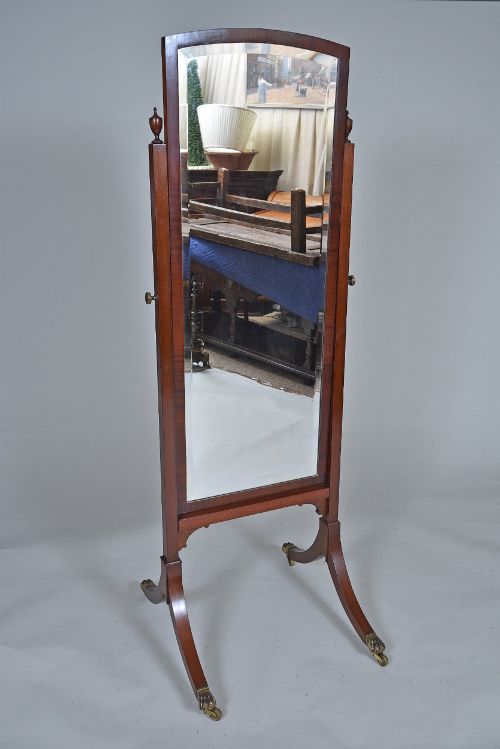
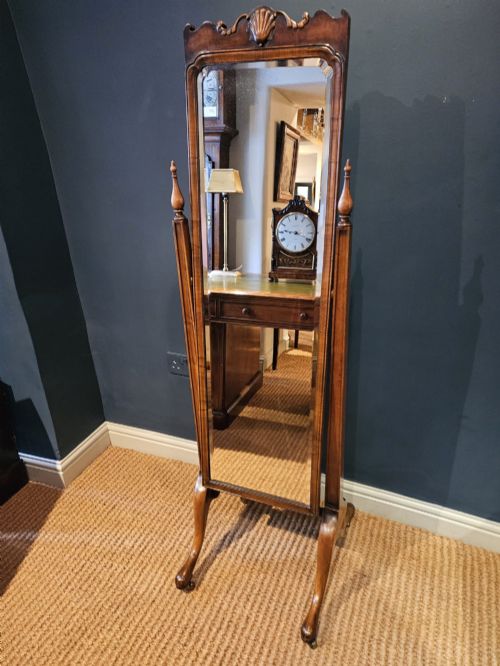
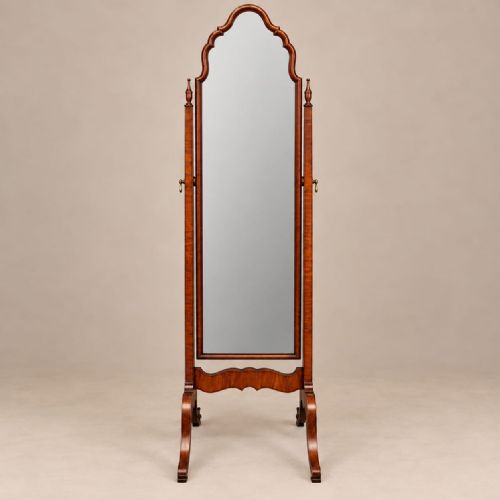
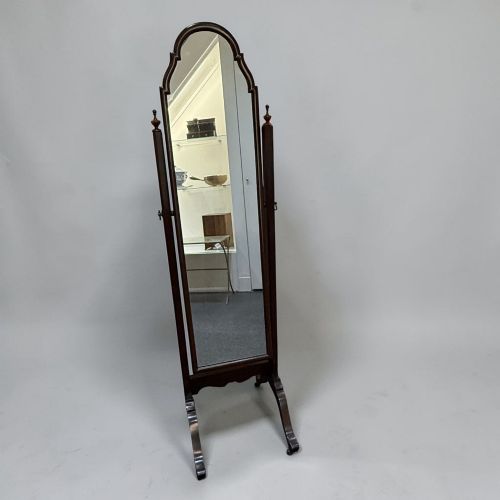




Traditional Cheval Mirror
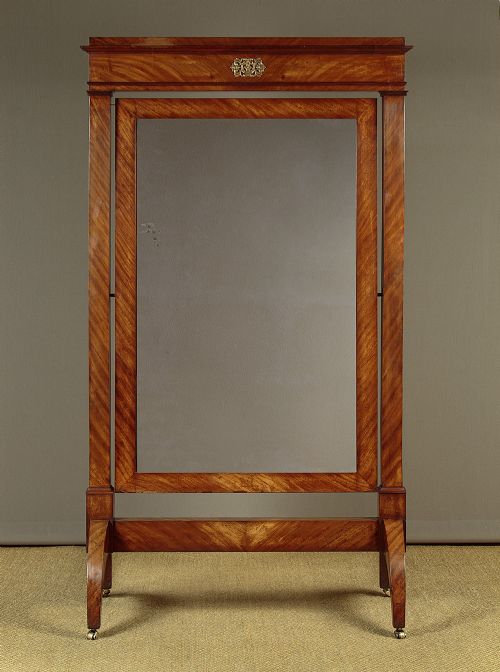
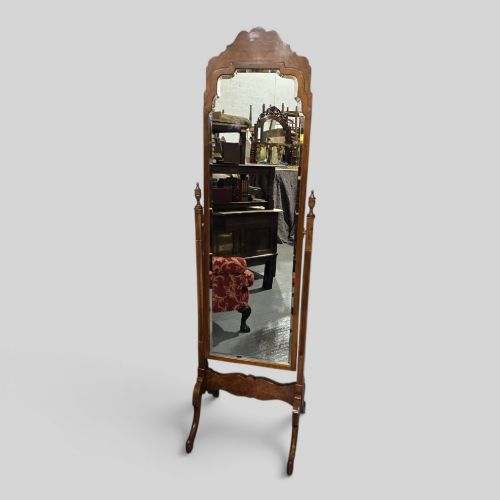
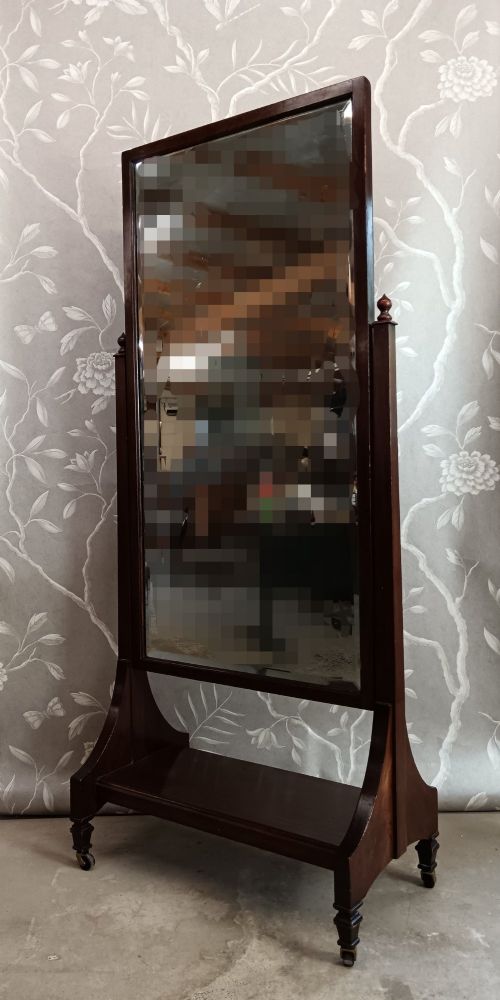
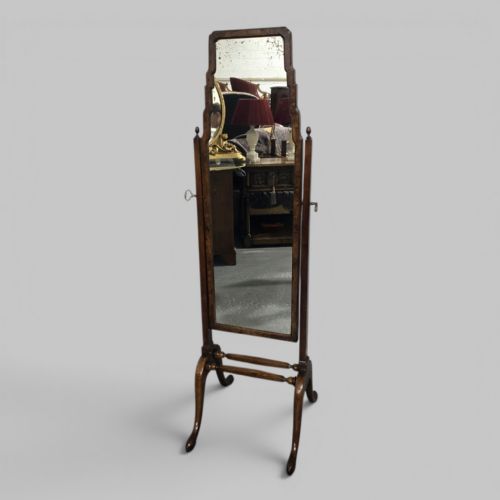
These traditional cheval mirrors are freestanding swing mirrors designed for full-length dressing, offering both practical utility and period elegance to a room.
Traditional Cheval Mirror
When you search for a traditional cheval mirror, you encounter freestanding dressing glasses designed to tilt within a supporting frame. The pieces on this page span several distinct eras, including Georgian, Victorian, Edwardian, and Regency periods.
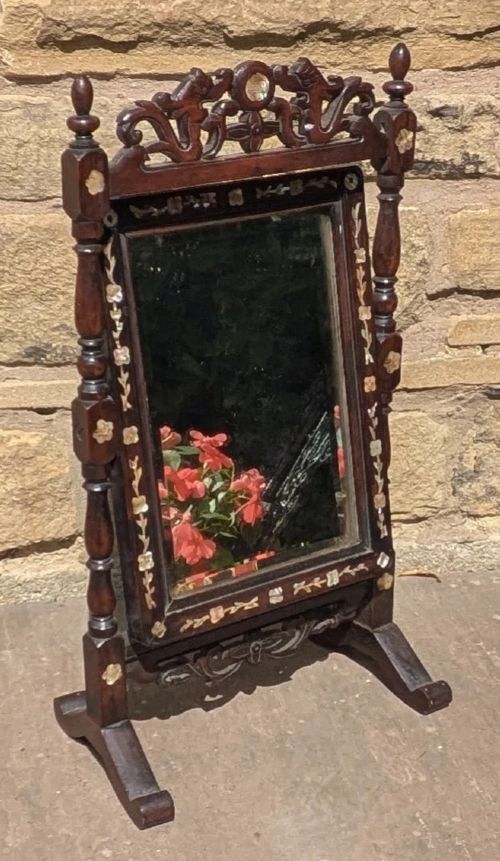
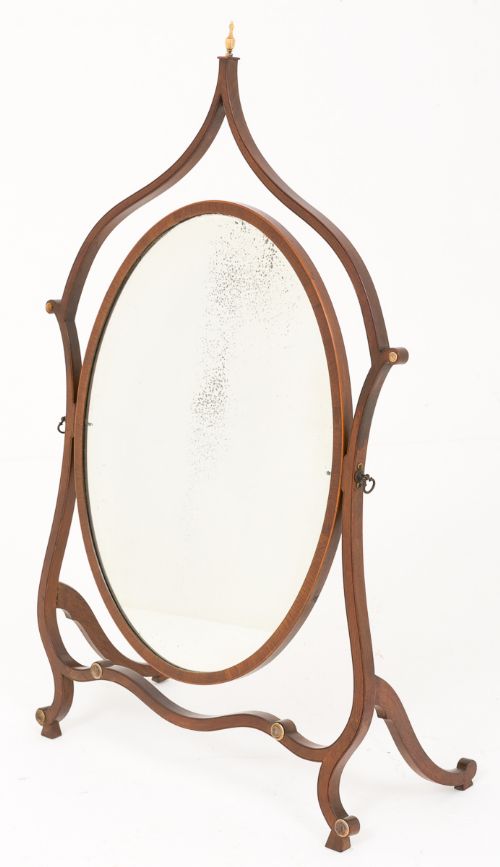
Mahogany and walnut form the backbone of these offerings, though hardwood varieties with mother of pearl inlay also appear. Forms range from full-height floor standing examples to smaller table or toilet mirrors.
The selection includes specific stylistic revivals such as Queen Anne and Hepplewhite alongside Chinese Qing Dynasty pieces. Most examples function as large floor-standing mirrors intended for bedrooms and dressing rooms.
How they were made
Cabinet makers constructed these frames primarily using timbers such as mahogany, walnut, and pitch pine. Burr walnut veneers and detailed turning are frequently employed to add texture and visual interest to the upright supports.
Specialised techniques like mother of pearl inlay appear on hardwood structures from the Qing Dynasty. Brass fittings commonly secure the pivoting mirror plates within their wooden frames, allowing the glass to swing freely.
Traditional Cheval Mirror Retail Price Guide 2026
Typical asking prices for traditional cheval mirror among the pieces listed under this phrase on Sellingantiques today, from the lower quarter to the upper quarter. They describe what is for sale here now, not the wider market.
Listings feature woods such as mahogany, walnut, pitch pine, and burr walnut across Victorian, Edwardian, and Georgian periods.
What varies in quality
The distinction between standard examples and superior pieces rests on the choice of timber and the sophistication of the joinery. Figured woods like burr walnut and dense mahogany denote a higher standard of manufacture.
Proportion and stability define the better freestanding mirrors, where heavy bases prevent tipping when the glass tilts. Finer execution shows in the crispness of turned wooden elements and the quality of the brass pivot hardware.
The Traditional Cheval Mirror Glossary
- Cheval mirror
- A freestanding full-length dressing mirror supported on a vertical frame with side pivots. The term derives from the French word for horse.
- Swing mirror
- A glass plate mounted on pivots between two upright posts that allows the angle of reflection to be adjusted. These are also known as toilet mirrors when placed on tables.
- Burr walnut
- A highly prized wood grain featuring swirling patterns caused by growth deformations on walnut trees. It provides a decorative surface on luxury cabinet work.
- Pitch pine
- A durable softwood with prominent growth rings utilised for large Victorian frames. It accepts turned details particularly well.
Traditional Cheval Mirror: Frequently Asked Questions
What is a cheval mirror?
A cheval mirror is a freestanding full-length glass mounted on a pivoting frame that lets you adjust the viewing angle.
They were traditionally used in bedrooms and dressing rooms to check complete outfits from head to toe.
How do I date a traditional cheval mirror?
Dating relies on identifying timber choices, stylistic details, and construction methods characteristic of periods like Georgian, Victorian, or Edwardian.
Mahogany and walnut frames often carry the distinct proportions and decorative motifs of their respective eras.
Where should I place a floor mirror?
These mirrors suit bedrooms, dressing areas, or large hallways where full-length reflection is useful.
Positioning them opposite a window helps bounce natural light deeper into the room.
Are these mirrors stable on carpets?
Most large floor-standing examples feature substantial wooden feet or heavy bases designed to distribute weight evenly.
Heavier hardwood frames generally remain secure, though placement on flat flooring offers the best support.