






Traditional Caucasian Wool Carpet
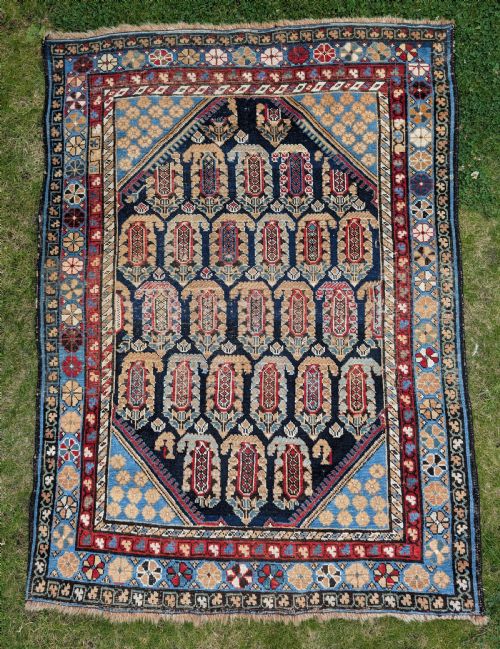
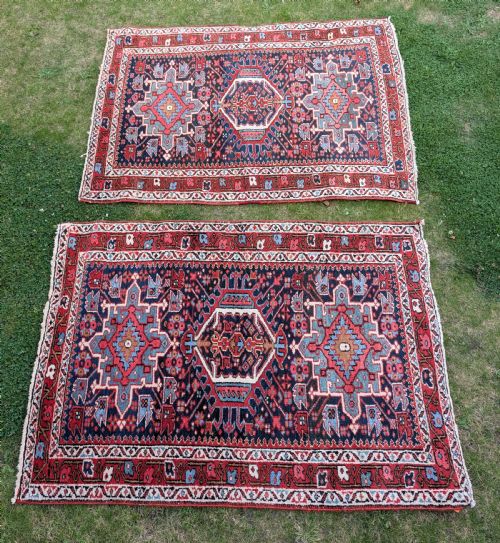
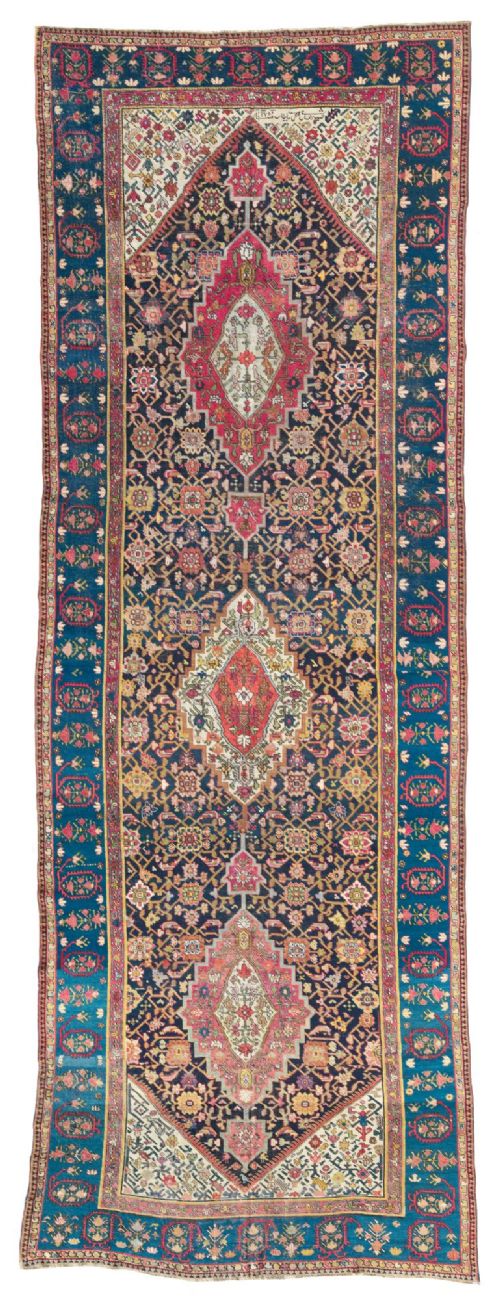
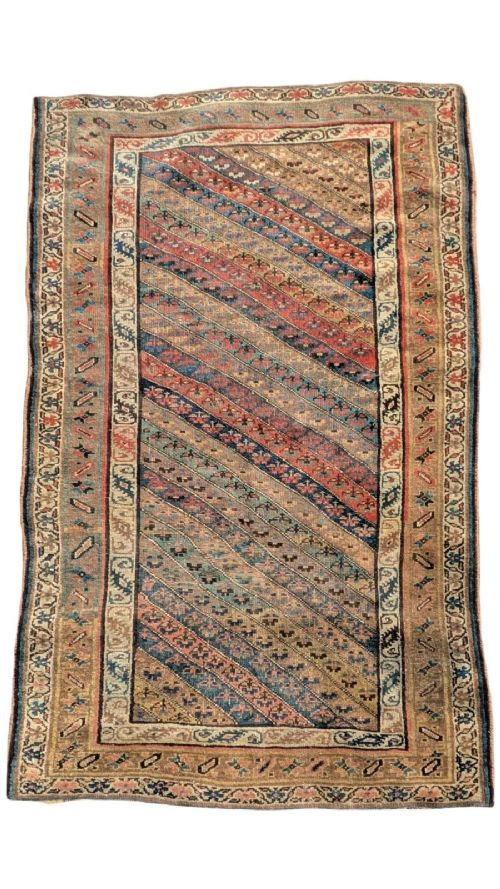
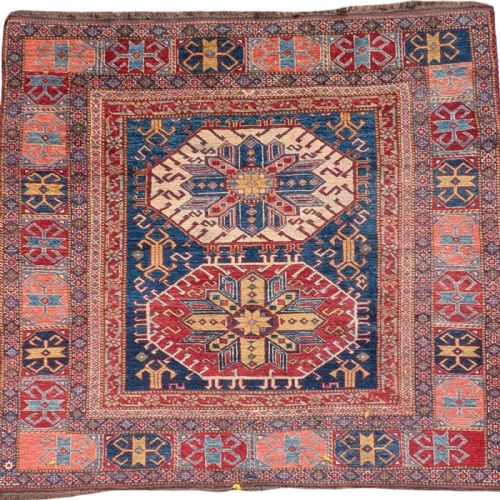
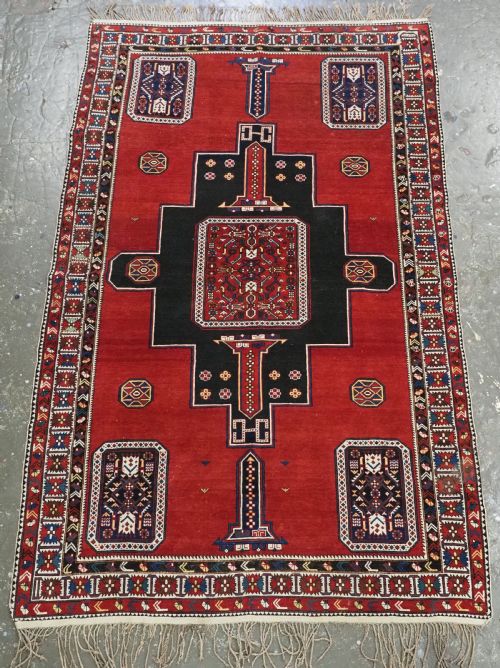
These traditional caucasian wool carpet examples bring tribal geometric motifs and rich colour from nineteenth and early twentieth century weaving traditions directly to the floor.
Traditional Caucasian Wool Carpet
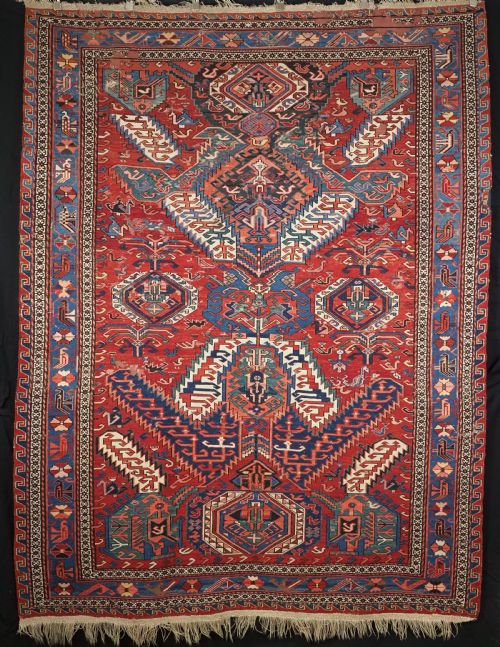
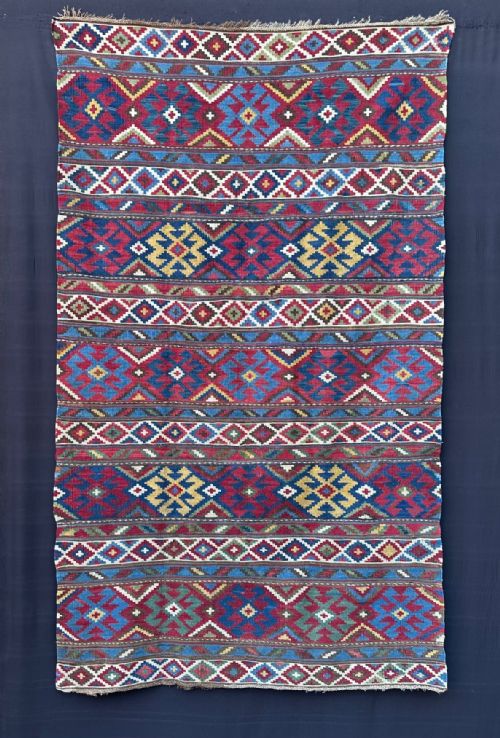
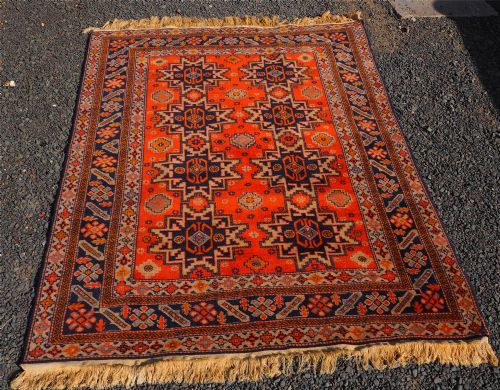
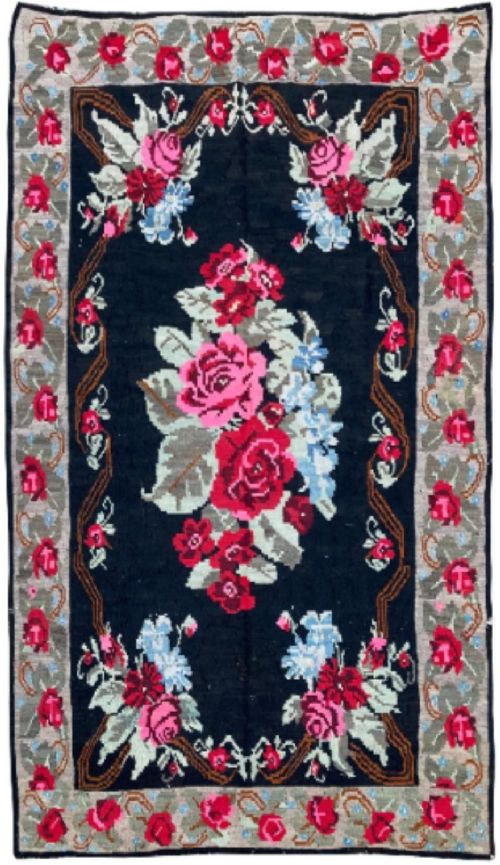
A traditional caucasian wool carpet encompasses room-sized carpets, runners, prayer rugs and flat-woven kilims originating from the Caucasus region and neighbouring tribal areas. The listings here span the late nineteenth century through to the early decades of the twentieth century, including pieces attributed to specific groups such as Kazak, Karabagh, Shirvan, Kuba and Kurdish weavers.
Buyers encounter distinct formats ranging from compact square formats to long narrow runners and larger carpet sizes. Designs typically rely on bold geometric medallions, repeating lattice patterns, animal motifs and cruciforms rather than sweeping floral curves.
Materials and structures reflect regional nomadic traditions, with wool pile knotted onto wool or cotton foundations, alongside flat-woven Sumak and kilim structures. The palette relies heavily on natural dyes that mellow gracefully over decades of use.
How they were made
The materials rely fundamentally on wool and hand-spun wool for the pile, supported by wool or cotton warps and wefts. Artisans utilised natural dyes derived from plants and minerals to colour the fibres before hand-knotting or flat-weaving the textiles.
Construction techniques include symmetric knotting on upright looms alongside supplementary weft-wrapping methods seen in Sumak structures and slit-weave tapestry techniques used in kilims. These traditional methods produced dense, durable floor coverings designed for practical daily use.
Several pieces preserve small animal motifs woven directly into the field, offering a quiet glimpse into the weaver's immediate surroundings.
What varies in quality
Quality rests upon the density of the knotting, the crispness of the geometric drawing and the depth achieved by natural dyestuffs. Tighter construction secures the wool pile more firmly and maintains the sharpness of intricate medallions over generations.
The vibrancy and harmony of the palette distinguish finer examples, as skilled dyers produced rich tones that age with subtle variation. Condition also plays a role, separating intact pieces from those with heavy wear or structural restoration.
The Traditional Caucasian Wool Carpet Glossary
- Kazak
- A designation for rugs woven in the southern and western regions of the Caucasus, known for bold geometric designs and bright primary colours. They typically feature thick wool piles and sturdy structures.
- Karabagh
- A style originating from the Karabagh region in the eastern Caucasus, noted for both medallion carpets and floral or garden patterns influenced by Persian designs. These pieces often utilise a rich range of mellow tones.
- Sumak
- A flat-weave technique where coloured weft threads are wrapped around the warp threads to create a durable textile without a cut pile. This method allows for crisp diagonal lines and detailed animal or geometric motifs.
- Kilim
- A flat-woven carpet lacking pile, produced by tightly interweaving warp and weft strands to create a smooth surface. These textiles are lighter than knotted rugs and frequently feature bold geometric patterning.
- Kelleh
- A large format rectangular carpet traditionally used in Middle Eastern and Caucasian interiors as a room rug. They offer extended proportions suited to specific architectural spaces.
Traditional Caucasian Wool Carpet: Frequently Asked Questions
How do I clean an antique wool rug?
Gentle surface brushing and professional specialist washing preserve the natural wool fibres and historic dyes. Avoid harsh chemical agents and excessive water immersion.
Regular light vacuuming without a rotating power brush helps remove grit from the pile base without stressing the antique foundation threads.
Can these carpets be placed in hallways?
Long runner formats and narrow kelardasht or gendje pieces suit hallways and corridors when paired with a quality underlay. The sturdy wool construction handles moderate foot traffic well.
Rotating the rug periodically ensures even wear patterns across high-traffic transit areas.
What underlay should I use?
A breathable, rubberised mesh underlay prevents slipping on hard floors and protects the antique foundation from friction. It also provides a slight cushion that absorbs impact.
Ensure the underlay is slightly smaller than the rug perimeter so it remains hidden from view.
How do I identify regional designs?
Regional attribution relies on examining specific motifs, border arrangements, colour palettes and structural knots. Kazak pieces favour large primary medallions, whereas Shirvan rugs often display tighter repeating lattices.
Comparing structural details like warps and edge finishes helps confirm the likely origin within the Caucasus.