

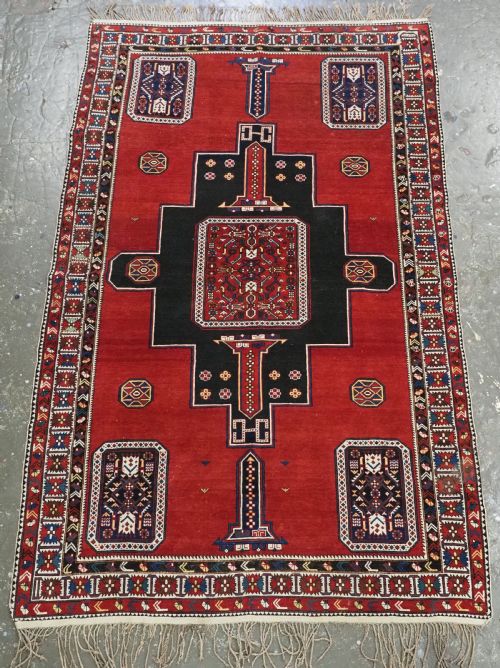
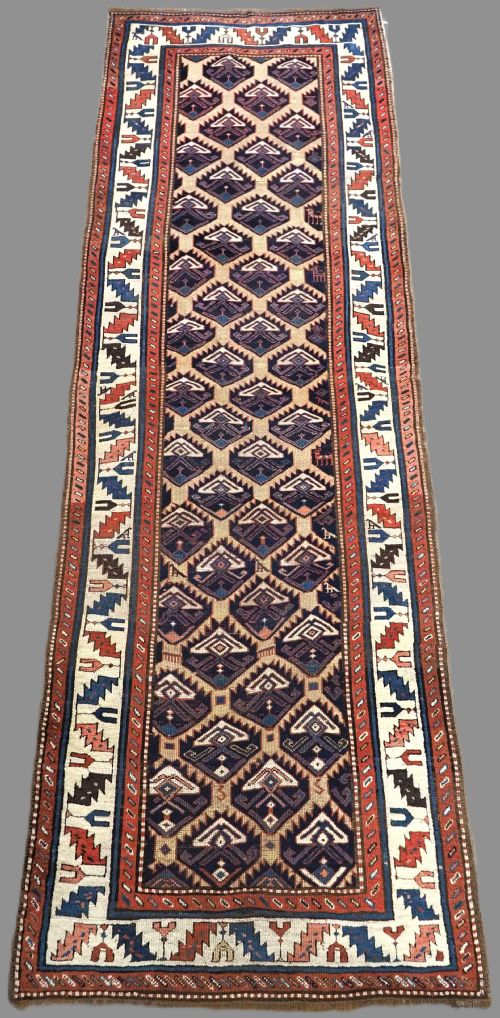
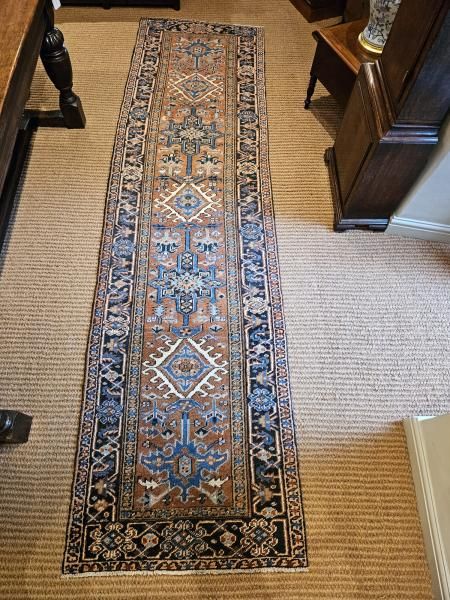
Traditional Caucasian Rug
A traditional caucasian rug brings geometric strength and rich regional character into a room.
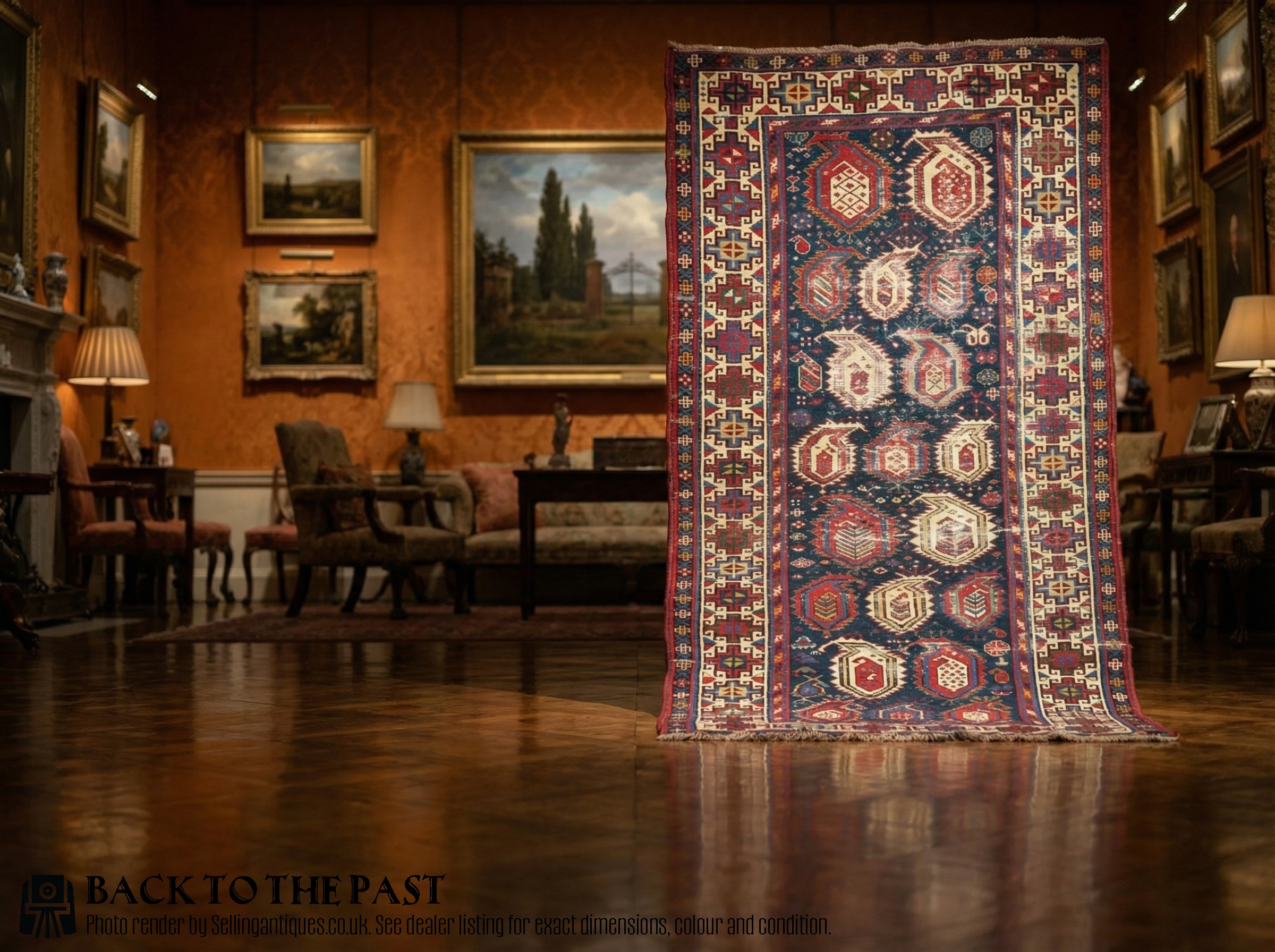
Traditional Caucasian Rug
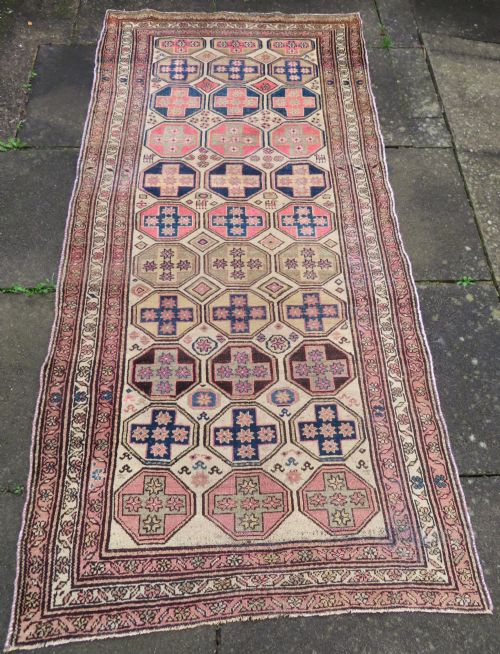
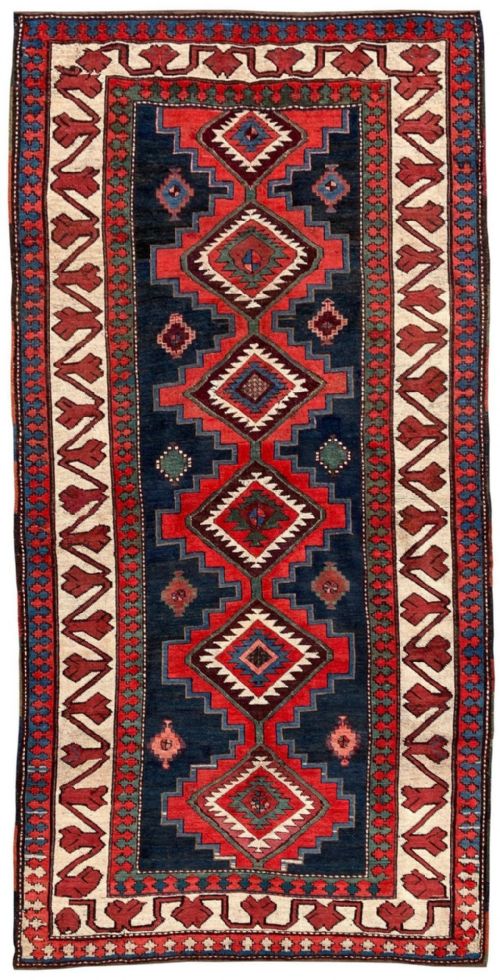
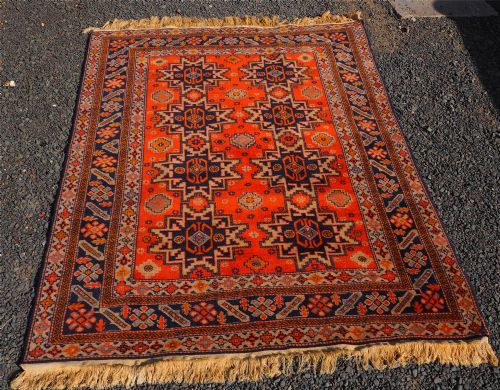
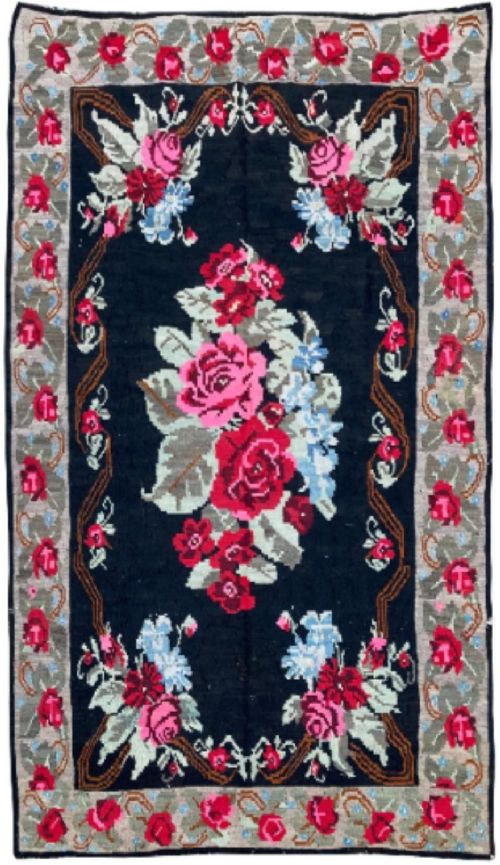
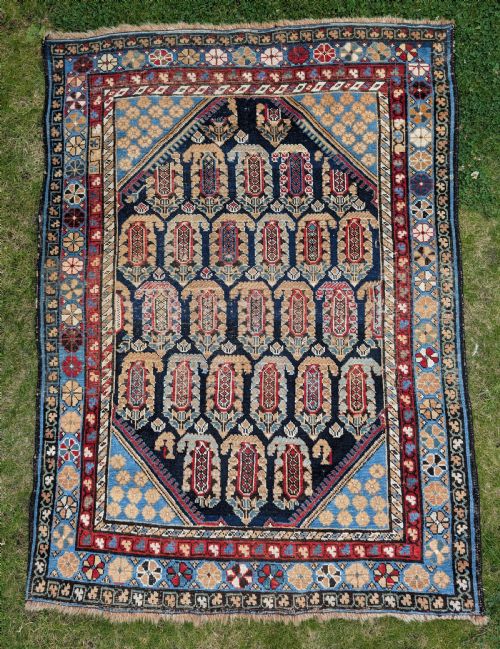
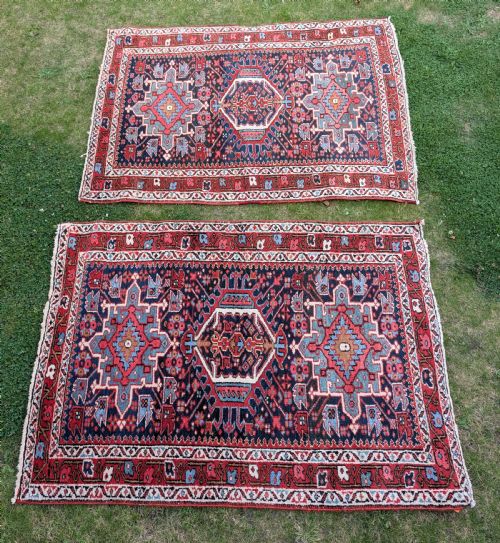
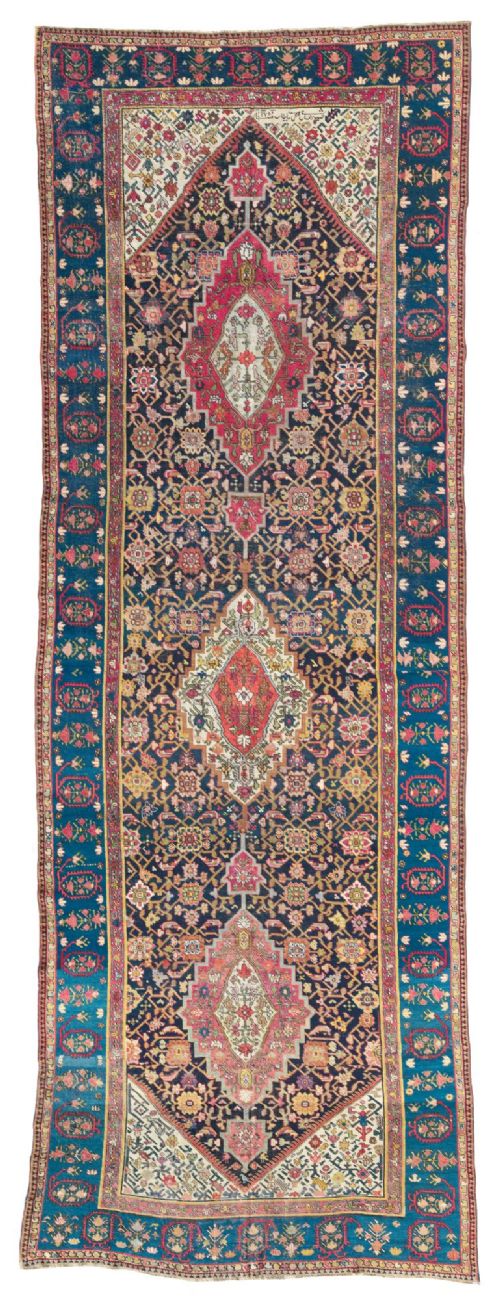
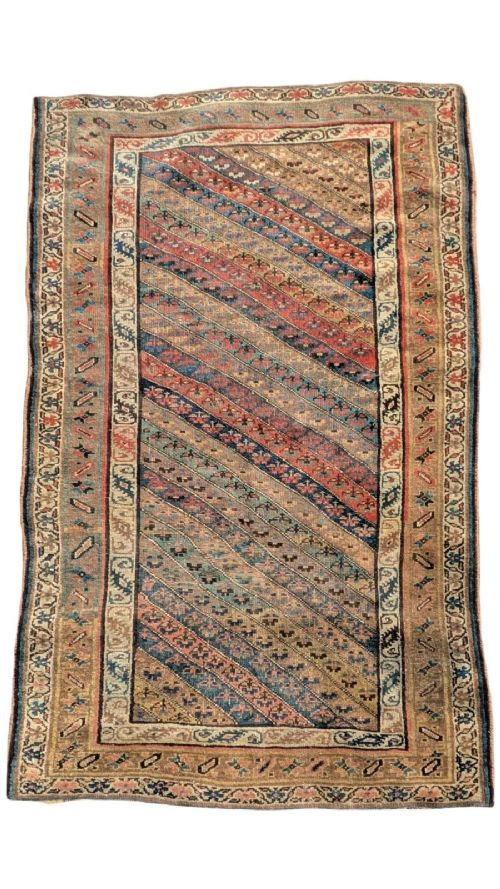
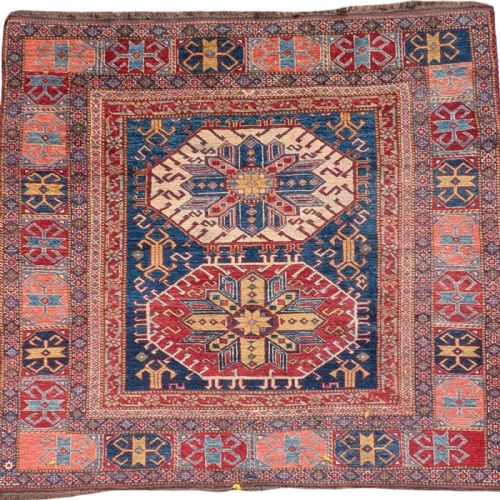
A traditional caucasian rug is a hand-knotted textile originating from the Caucasus region, produced across tribal workshops and villages during the nineteenth and early twentieth centuries. These pieces display distinct regional identities through bold geometric patterns, medallions, and animal motifs.
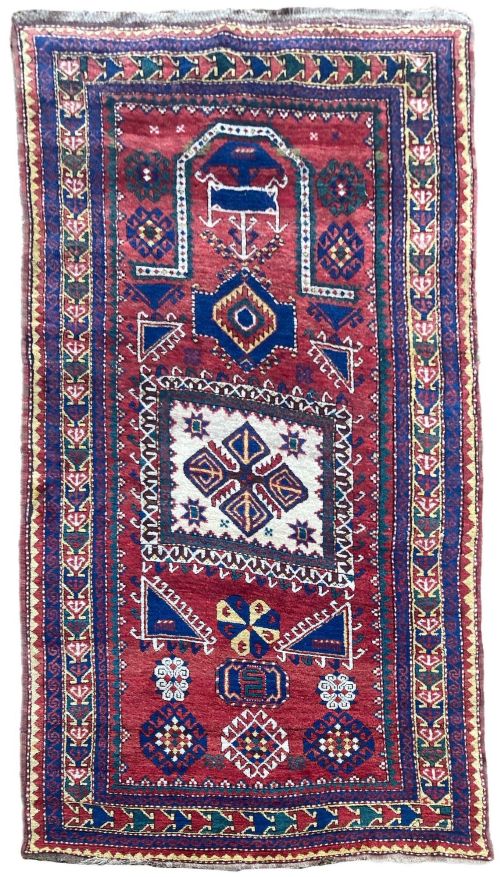
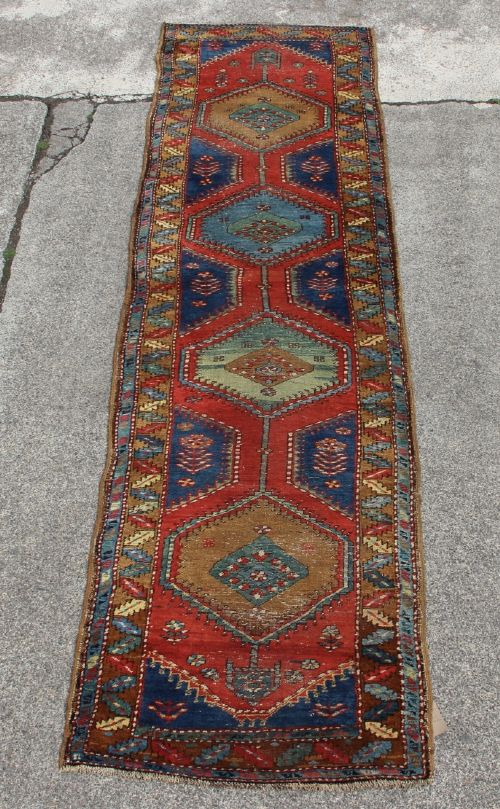
Buyers will most frequently encounter formats such as Kazak, Karabagh, Shirvan, and Kuba rugs alongside functional runners and prayer rugs. Dating primarily from the late nineteenth century to the 1930s, these floor coverings utilise traditional tribal designs passed down through generations of weavers.
How they were made
These textiles rely on hand-spun wool for the pile and foundation yarns, often combined with cotton foundations in later or specific regional examples. Weavers utilise natural dyes to achieve deep saturation in colours ranging from mellow tones to striking contrasts.
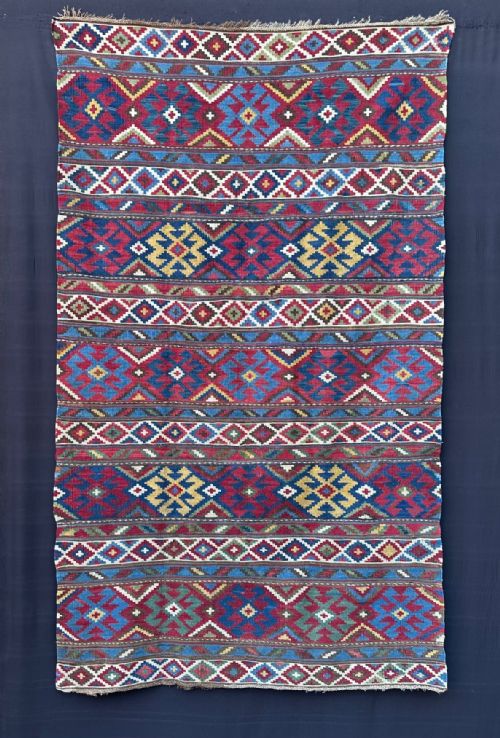
Construction techniques include standard pile knotting as well as flatwoven sumak and kilim structures. The combination of local wool and natural dyestuffs accounts for the enduring resilience and ageing characteristics of the weave.
Traditional Caucasian Rug Retail Price Guide 2026
Typical asking prices for traditional caucasian rug among the pieces listed under this phrase on Sellingantiques today, from the lower quarter to the upper quarter. They describe what is for sale here now, not the wider market.
Early weavers frequently embedded small animal motifs and hidden tribal symbols directly into the geometric fields.
What varies in quality
Quality rests in the crispness of the geometric drawing and the depth of the natural dyestuff palette. Finely knotted examples maintain structural integrity and sharp design lines across the field.
The handle of the wool and the complexity of regional motifs, such as cruciform medallions or dragon designs, set finer examples apart from simpler village productions.
The Traditional Caucasian Rug Glossary
- Kazak
- A type of rug originating from the western Caucasus known for bold geometric medallions and primary colour palettes.
- Kilim
- A flatwoven textile produced without a pile, often featuring sharp geometric slit-weave patterns.
- Sumak
- A flatweaving technique where decorative coloured weft threads are wrapped around the warp threads to create a textured surface.
- Runner
- A long, narrow carpet format designed for hallways, corridors, or narrow spaces.
- Prayer rug
- A small format featuring a mihrab or niche design, traditionally used for individual prayer.
Traditional Caucasian Rug: Frequently Asked Questions
Where were traditional caucasian rugs made?
These textiles were produced across the Caucasus region, encompassing areas such as Shirvan, Karabagh, Kuba, and Kazak. Each specific district developed distinct local motifs and colour combinations.
Weavers working in these mountainous districts utilised indigenous materials and traditional tribal patterns passed down through local families.
How do I clean an antique rug?
Gentle surface vacuuming without a beater bar removes loose dirt from the wool pile. Professional specialist cleaning remains essential for deep washing.
Water saturation and harsh chemical detergents damage natural dyes and historical wool foundations.
Are these rugs suitable for high traffic?
Hand-spun wool and sturdy knotting provide natural durability suitable for domestic use. Placing a quality underlay beneath the textile prevents slipping and reduces wear.
Heavily distressed pieces or flatwoven kilims require more gentle placement in low-traffic areas.
How do I identify a Kazak rug?
Kazak pieces typically display large, bold geometric medallions and primary saturated colours on wool foundations. The wool often feels thick and heavy with a resilient pile.
Regional variations include specific border designs and characteristic animal motifs unique to the western Caucasus.