
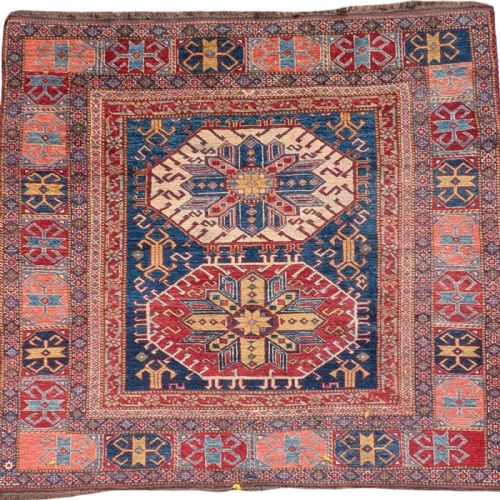
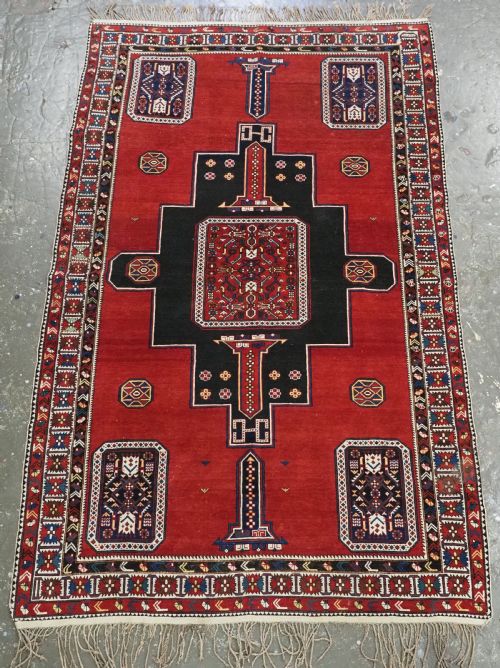
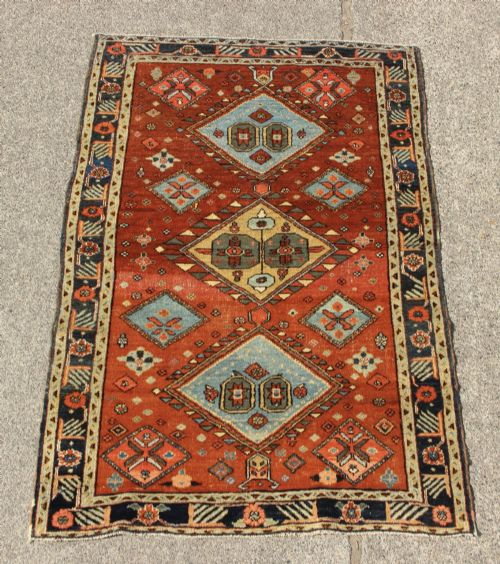
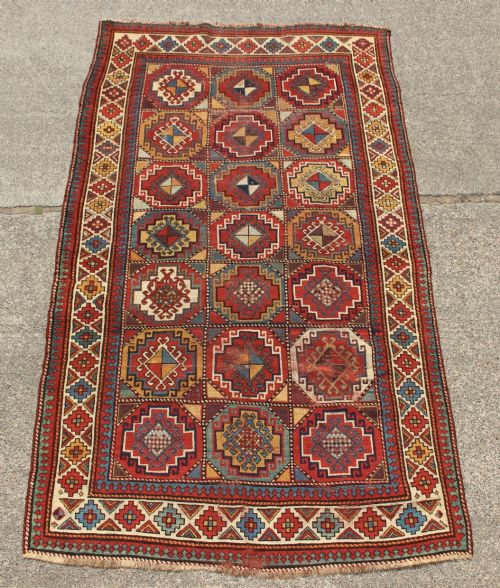
Traditional Caucasian Area Rug
A traditional caucasian area rug brings geometric strength and rich colour into a room, drawn from nineteenth and early twentieth-century weaving traditions.
Traditional Caucasian Area Rug
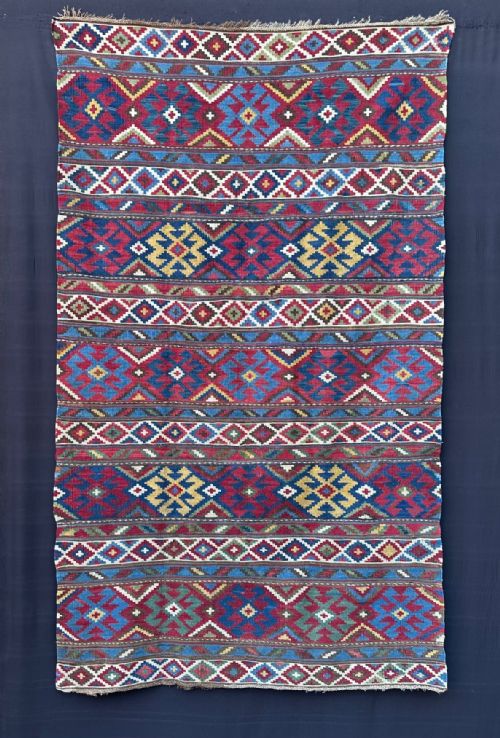
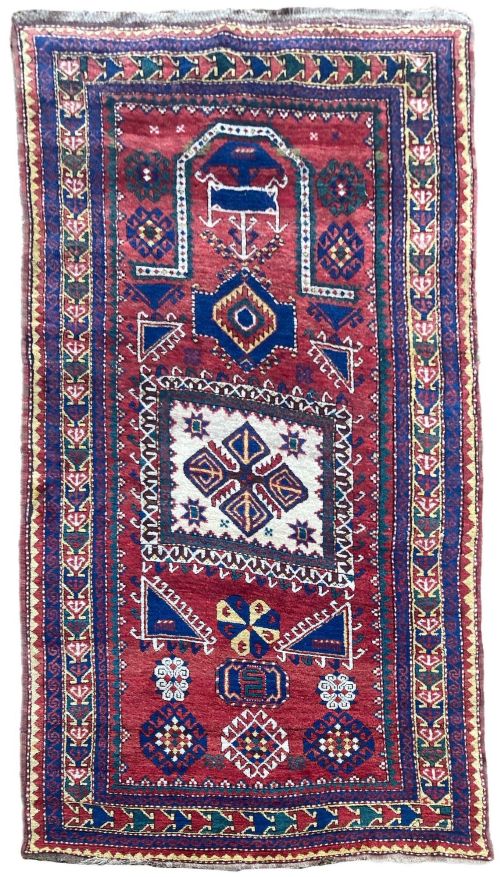
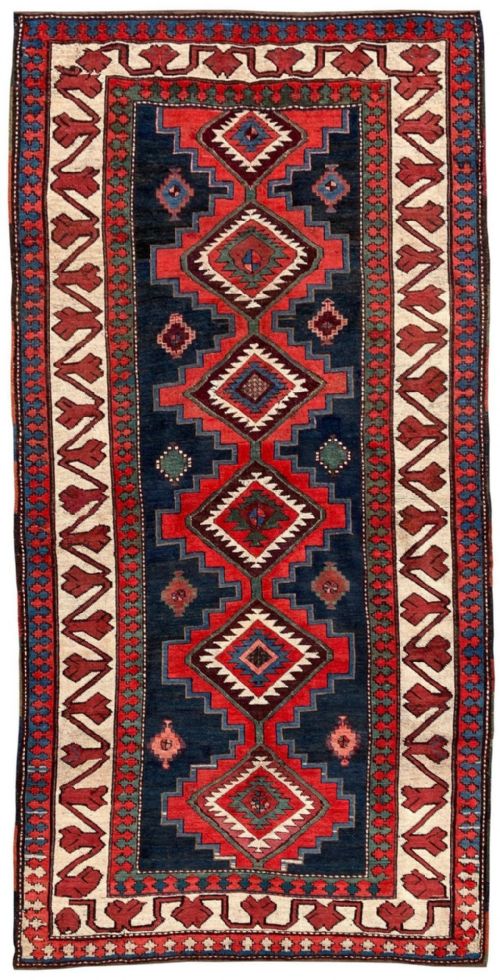
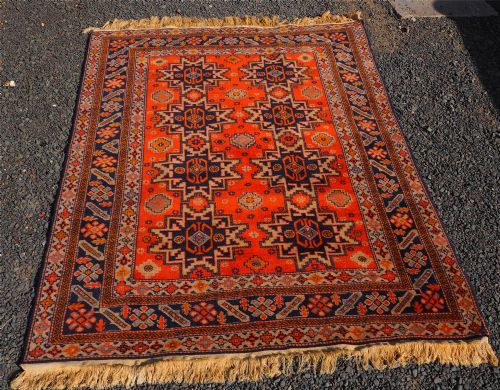
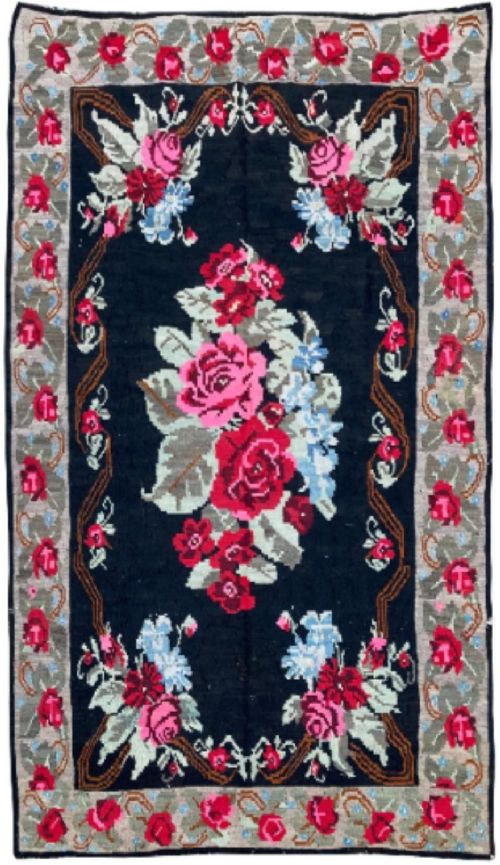
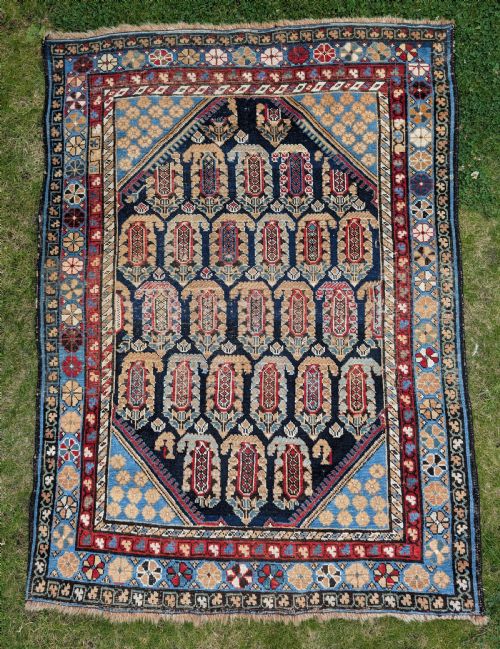
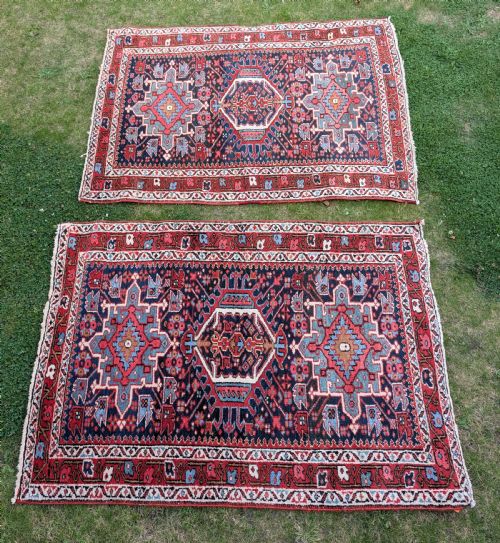
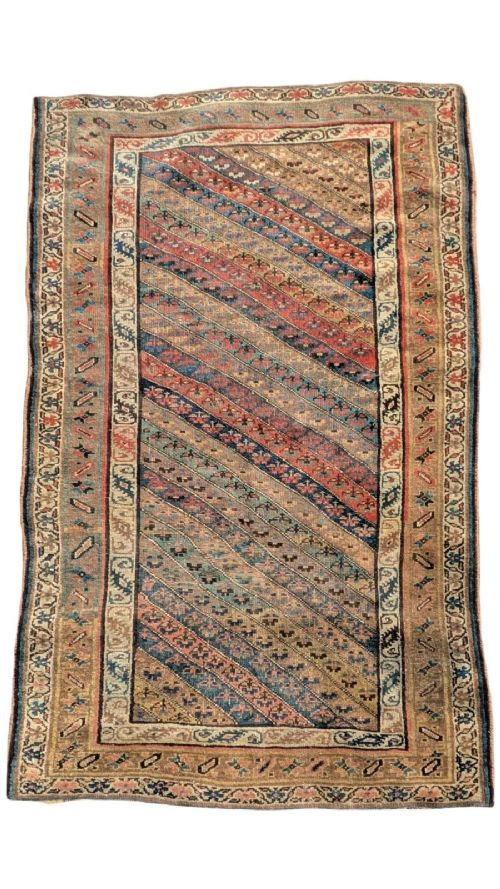
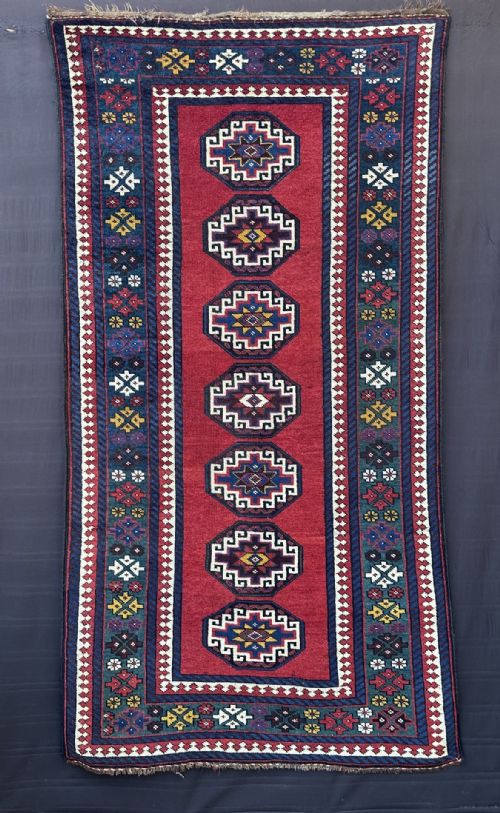
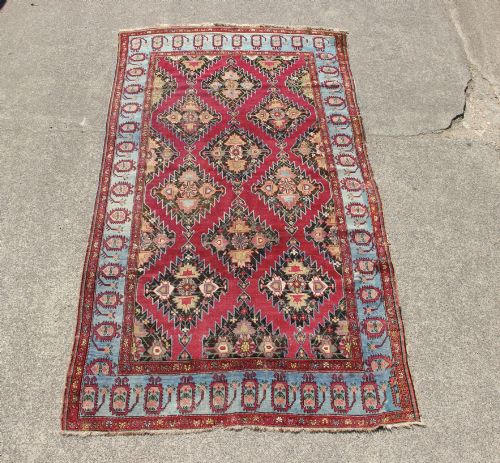
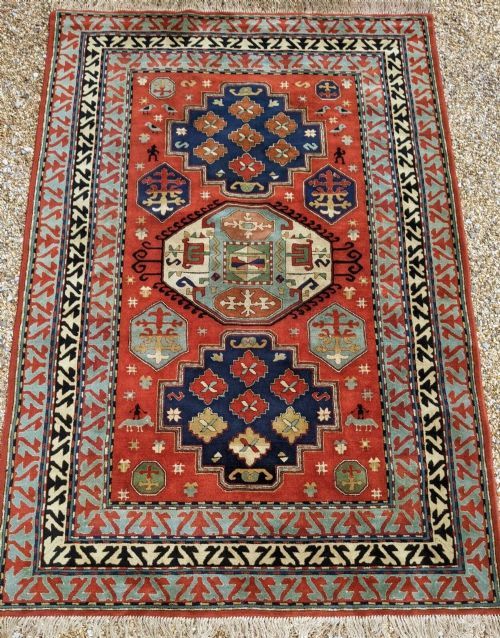
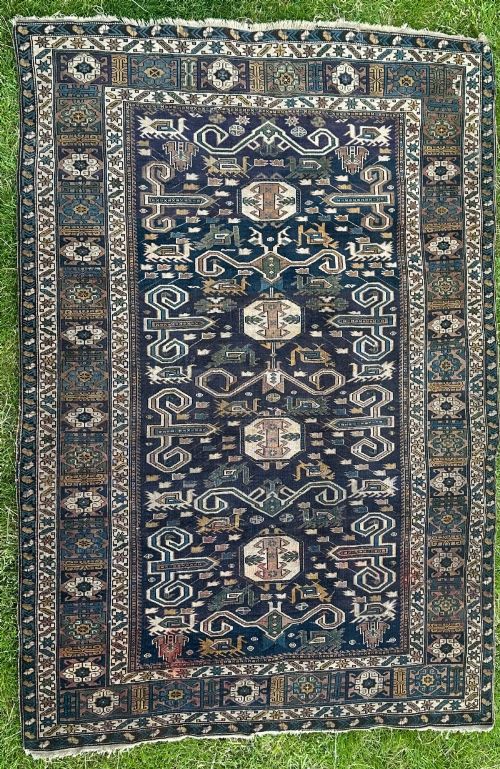
A traditional caucasian area rug comprises hand-knotted and flatwoven floor coverings originating from the Caucasus region and related tribal centres, spanning dates from the late nineteenth century into the twentieth century. These textiles appear in various formats, including runners, prayer rugs, and larger carpets featuring distinct regional designs.
The pieces on this page span several specific weaving groups such as Kazak, Shirvan, Karabagh, Kuba, and Daghestan. Buyers frequently encounter geometric medallions, tribal motifs, and star patterns that reflect the heritage of these specific eastern and southern Caucasian districts.
How they were made
Makers constructed these rugs using hand-spun wool for the pile and foundation yarns, often combined with cotton foundations in later examples. Natural dyes provided the palette, creating deep tones that age gracefully across the surface of the wool pile.
Weavers tied dense knots by hand across wool warps and wefts, producing durable flatweaves or pile rugs designed for practical use. The integration of hand-spun materials ensures a tactile texture and varied pile response across each finished carpet.
Several rugs secretly hide small animal motifs woven right into the geometric fields, waiting for eagle-eyed spotters.
What varies in quality
Knot density and structural tightness set finer examples apart from coarser tribal pieces, determining how sharply geometric motifs and medallion outlines resolve. The crispness of drawing within a Kazak or Shirvan design indicates the weaver's control over the wool pile.
The depth and brilliance of the natural dyes used in the wool determine visual richness, with certain rugs displaying more complex colour saturation. Integrity of the original wool borders and flatwoven ends also distinguishes well-preserved specimens from heavily altered textiles.
The Traditional Caucasian Area Rug Glossary
- Kilim
- A flatwoven carpet or rug made without a pile, produced by tightly interweaving warp and weft strands. These pieces rely on sharp geometric colour transitions for their pattern.
- Medallion
- A central ornamental motif set in the middle of the rug field. It typically anchors the surrounding geometric patterns and border designs.
- Prayer rug
- A small format rug featuring a mihrab or arch design at one end, traditionally used for individual prayer. The niche points toward Mecca during use.
- Runner
- A long, narrow carpet format suited for hallways and corridors. These pieces adapt repeating motifs to fit elongated rectangular dimensions.
- Natural dye
- Colour extracted from plant, insect, or mineral sources rather than synthetic chemicals. These dyes yield rich, complex tones that mellow harmoniously over decades.
Traditional Caucasian Area Rug: Frequently Asked Questions
How do I identify a Kazak rug?
Kazak rugs typically display bold geometric medallions, primary primary colours, and strong tribal motifs woven with a thick wool pile. Their origins lie in the western Caucasus region.
These pieces often feature rectilinear animals, stars, and hooked polygons arranged with a distinct, robust symmetry.
Where were Shirvan rugs made?
Shirvan rugs originate from the eastern Caucasus, an area known for producing finely knotted pieces with balanced geometric patterns and subdued palettes. They frequently incorporate repeating star motifs or narrower borders.
Weavers in this region favoured slightly lower pile heights and precise, delicate drawing compared to their western neighbours.
Can I use an antique rug in a hallway?
Runners and smaller formats from the nineteenth and early twentieth centuries fit well in hallways when paired with a quality underlay. The dense wool construction of these rugs withstands moderate foot traffic.
Rotating the rug periodically ensures even wear along corridors and high-traffic areas.
What is a Karabagh carpet?
Karabagh carpets stem from a highland region influenced by both Caucasian and Persian design traditions, featuring varied medallion layouts and floral or animal motifs. Their colour palette often includes deep reds, blues, and mellow tones.
These versatile textiles range from smaller scatter sizes to larger room-sized formats dating around the turn of the twentieth century.