



Traditional Cast Iron Pots
Traditional cast iron pots are enduring metal vessels and heavy garden urns shaped in the Victorian and Edwardian eras for domestic or decorative use.
Traditional Cast Iron Pots
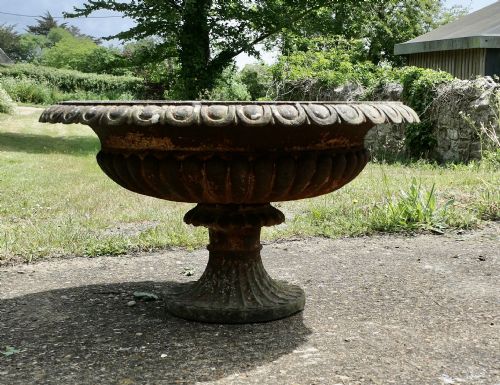
Traditional cast iron pots and related garden vessels on this page primarily span the Victorian period, the nineteenth century, and the early twentieth century. Buyers encounter robust campana urns, garden planters, and utility items shaped from heavy metal.
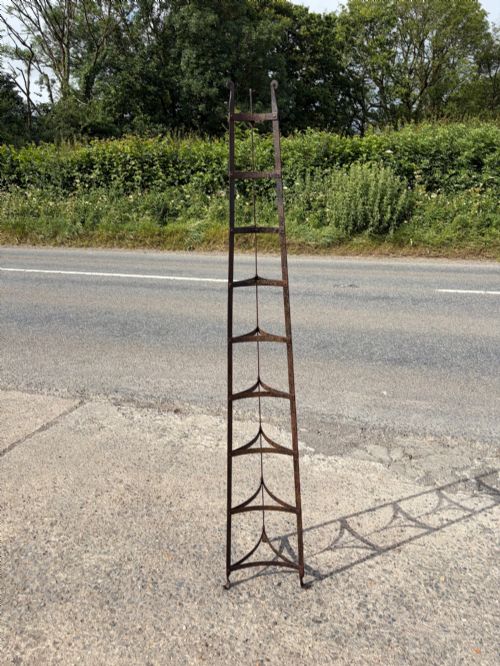
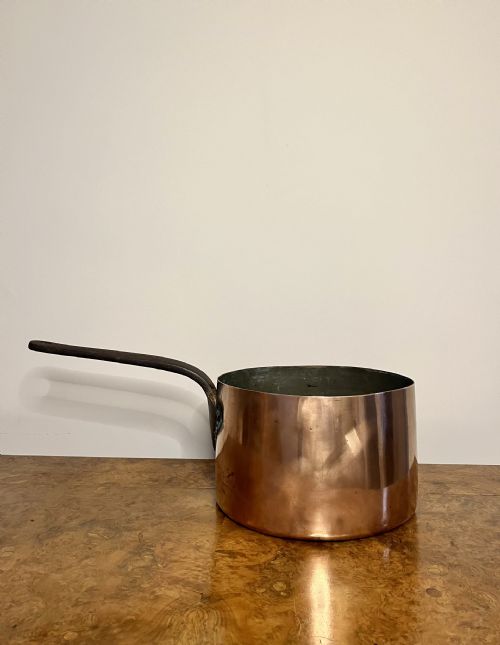
The selection extends to related metalware and kitchen pieces, including copper pans, pan stands, and Japanese sake kettles with cloisonne lids. Victorian examples sit alongside French country and rustic nineteenth-century designs.
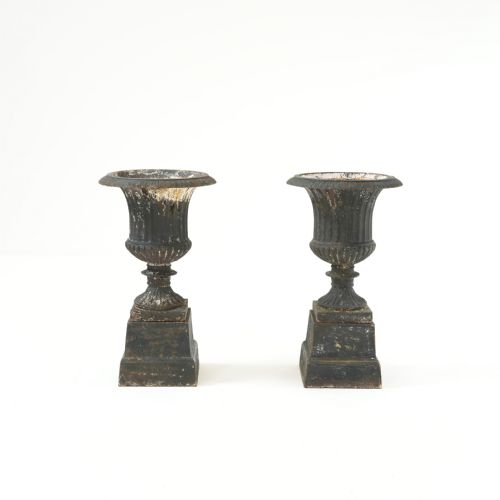
Most pieces serve as decorative garden ornaments, such as fluted urns on plinths and jardinieres, reflecting classical revival and neoclassical styles from 1850 through 1950.
How they were made
Foundries utilised durable cast iron poured into moulds to create heavy garden urns and cookware with gadrooned or fluted details. Artisans also incorporated wrought iron for stands and handles, combining sturdy structural metals.
Certain domestic kitchen pieces combine heavy cast iron bodies with hammered copper and bronze components. Painted surfaces and specialised metal finishes appear across nineteenth-century and mid-century items.
Some nineteenth-century French artisans managed to craft sturdy workbenches with vices alongside their copper pans.
What varies in quality
Quality rests in the crispness of the cast metal ornament, particularly on campana urns and plinths where gadrooning and fluting define the classical revival style. Thicker metal walls and heavier overall weight indicate superior foundational casting.
Original painted surfaces, untouched patination, and maker attribution separate standard utility items from notable foundry productions. Pairs of urns matching in size and proportion command greater attention from collectors.
Andrew Handyside·Hodges & Sons
The Traditional Cast Iron Pots Glossary
- Campana Urn
- A bell-shaped garden vessel popular during the Victorian period. These classic forms usually feature a flared rim and sit upon a square plinth base.
- Gadrooned
- A decorative carved or cast ornamental pattern consisting of convex curves in a parallel series. This motif frequently decorates the rim or body of nineteenth-century garden urns.
- Jardiniere
- An ornamental pot or receptacle designed to hold plants or flowers. They appear frequently in cast iron across Victorian and Edwardian garden listings.
- Cloisonne
- An ancient technique for decorating metal object surfaces with enamel compartments. It is seen on the lids of specific Japanese kettles from the Edo period.
- Plinth
- A heavy heavy base or slab supporting a pillar, statue, or garden urn. Many cast iron urns are mounted directly onto matching metal or stone plinths.
Traditional Cast Iron Pots: Frequently Asked Questions
Where were traditional cast iron pots used?
These heavy iron vessels and urns were placed in Victorian gardens, courtyards, and country estates as decorative planters and focal points.
Smaller cookware versions functioned inside nineteenth-century kitchens for hearth cooking and boiling.
How do I care for cast iron garden urns?
Cast iron garden items require periodic inspection for surface oxidation and weathering if left outdoors through damp winters. Applying appropriate protective metal paint helps preserve the original surface.
Keeping drainage holes clear prevents trapped water from expanding and cracking the metal during freezing weather.
Are these urns heavy to move?
Cast iron is extremely dense and heavy, meaning large nineteenth-century campana urns and jardinieres generally require two people or equipment to lift safely.
Placing them on stable stone or paved surfaces prevents the heavy base from sinking into soft garden soil.
How do I identify a Victorian urn?
Victorian cast iron urns typically display classical revival motifs such as fluting, gadrooning, and campana bell shapes derived from antiquity. They often show heavy foundry casting marks and deep patination accumulated over generations.
Matched pairs from this era usually exhibit consistent wall thickness and bolted sectional construction.