

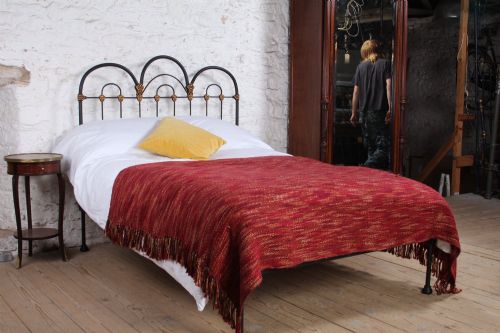
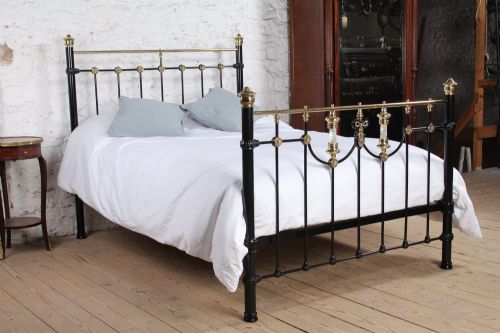

Traditional Cast Iron Bed
A traditional cast iron bed brings industrial heft and domestic elegance together, offering a durable framework for any bedroom.
Traditional Cast Iron Bed
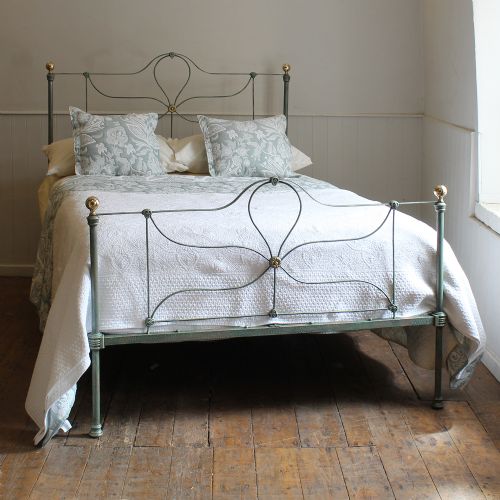
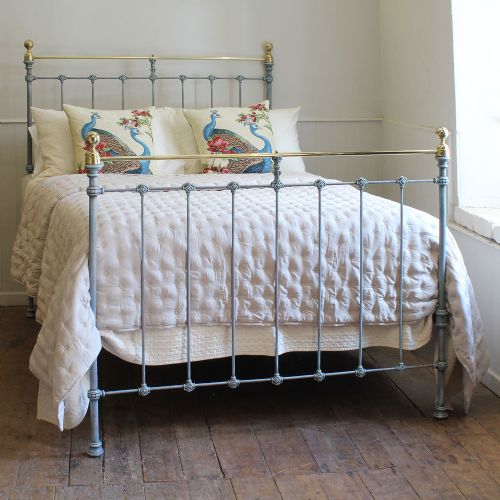
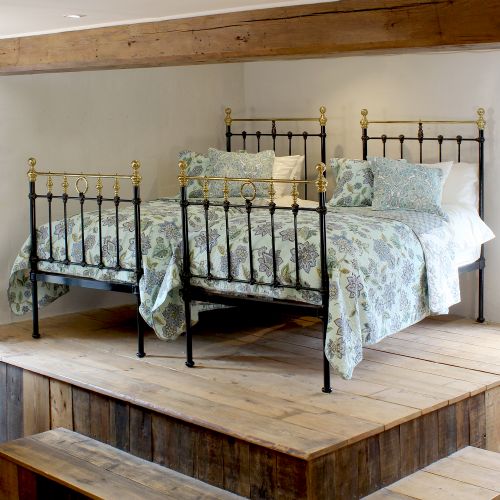
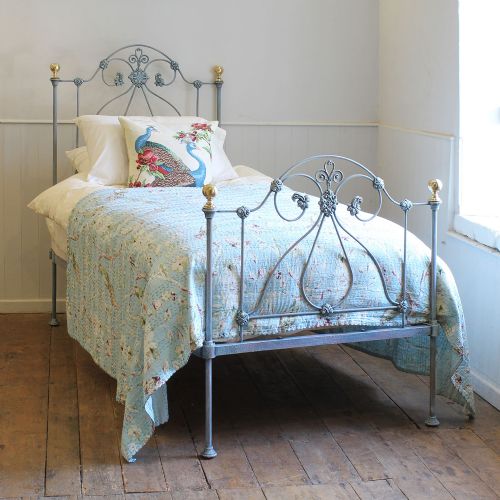
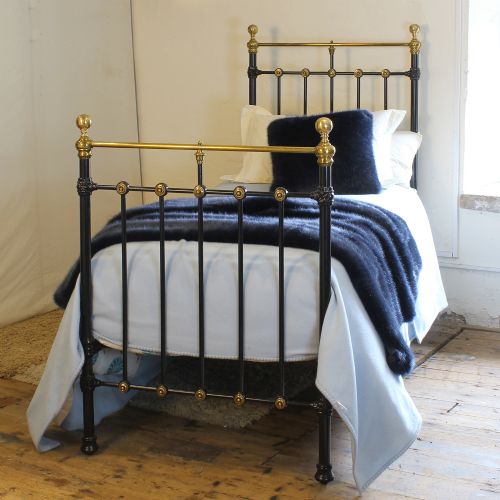
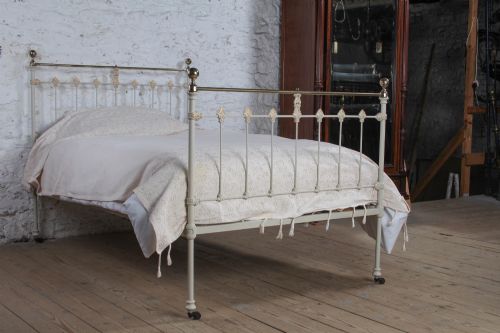
A traditional cast iron bed combines structural iron components with decorative elements, frequently paired with polished brass details or ceramic touches. These heavy bedsteads appear in various sizes from single frames up to super king dimensions, often featuring distinctive Victorian or Edwardian shaping.
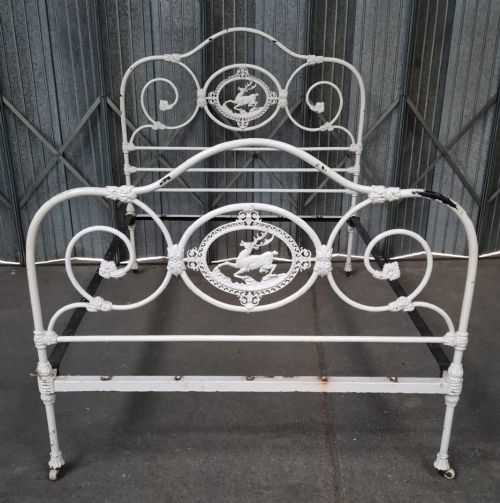
Makers utilised resilient materials to construct frames that endured through the nineteenth and early twentieth centuries. Surviving examples reflect styles ranging from plain utilitarian forms to ornate Celtic revival or Art Nouveau designs.
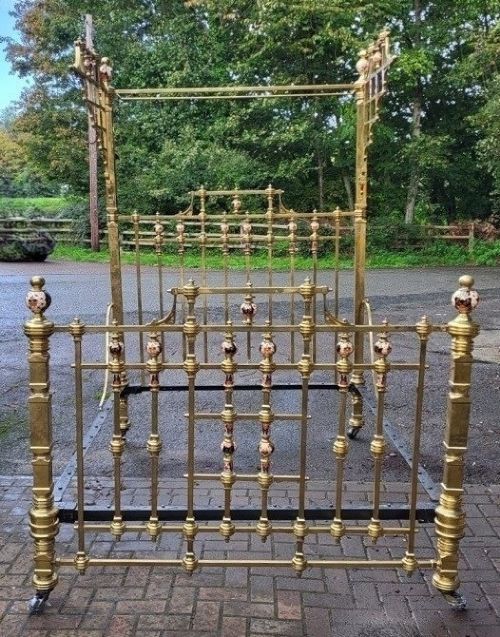
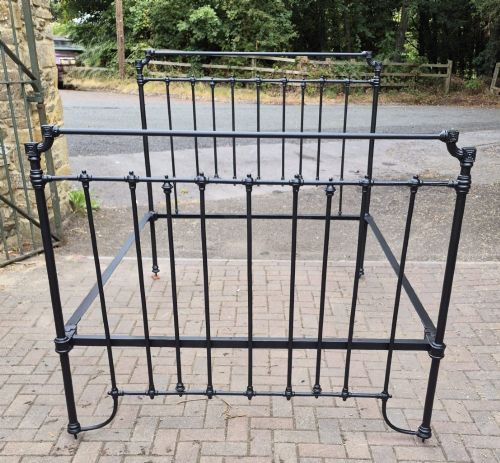
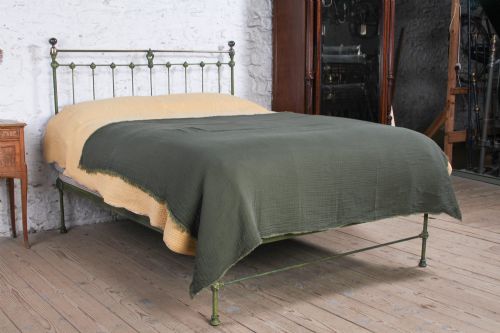
Buyers encounter numerous formats, including standard end posts, low profile no end configurations, and half tester structures. Each piece demonstrates the heavy metalworking methods typical of the period.
Materials and construction methods
Foundries cast molten iron into detailed moulds to create sturdy headboards, footboards, and side rails. These heavy metal sections were then joined using slot-in frame systems, sometimes supported on small castors.
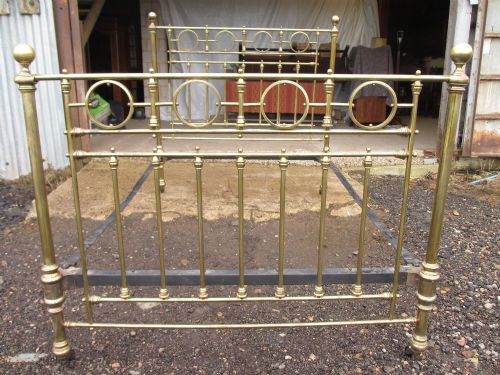
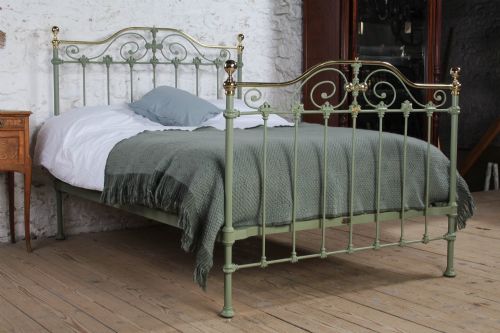
Brass tubing and decorative metal castings provided visual contrast against the dark iron framework. Makers occasionally incorporated ceramic roundels, mother of pearl inlays, or applied paint finishes to decorate the surfaces.
Listings span the Victorian and Edwardian eras, incorporating iron, brass, ceramic, and mother of pearl elements across single, double, and king sizes.
Assessing quality in metal frames
Quality rests in the crispness of the castings and the weight of the iron components. Finer examples display cleanly rendered decorative mouldings and substantial brass embellishments rather than plain, thin tubing.
Original structural integrity determines usability, particularly where side rails meet the headboard and footboard. The presence of authentic maker marks and retained castors elevates the status of a piece.
R W Winfield·Winfield
The Traditional Cast Iron Bed Glossary
- Bedstead
- A framework of a bed consisting of head, foot, and side rails. This term frequently appears in nineteenth-century listings for complete iron and brass bed structures.
- Castor
- A small wheel fitted to the legs of a bed for ease of movement. Many Victorian iron beds utilise these beneath the primary posts.
- Dip rail
- A horizontal top bar on a headboard or footboard that curves downward towards the centre. Edwardian designs often employ this configuration.
- Half tester
- A canopy extending partway over the head of a bed. These grand structures usually feature substantial brass framework.
Traditional Cast Iron Bed: Frequently Asked Questions
How do I choose the right size?
Listings designate sizes ranging from single and small double up to king and super king dimensions. Measure your room carefully to accommodate the substantial proportions of these metal frames.
Consider whether you require a standard footboard or a low profile no end version to fit your available floor space.
Are these beds suitable for modern mattresses?
Most traditional frames accommodate standard modern mattress sizes when paired with appropriate modern slat systems or supportive bases. Check the internal dimensions provided in individual listings before purchase.
Slot-in iron frames generally provide a robust platform for contemporary mattress weights.
How do I date a cast iron bed?
Dating relies on stylistic clues, such as the flowing organic lines of Art Nouveau designs or the simpler geometric forms of Edwardian pieces. Victorian examples often feature heavier brass enrichment and ornate castings.
Makers' marks stamped into the iron components can also help pinpoint the origin and production era.
How do I care for iron and brass?
Dust the iron frame regularly with a dry cloth to prevent accumulation. Avoid harsh chemical cleaners that might strip original painted surfaces.
Polish brass elements gently with a suitable metal cleaner, taking care not to stain adjacent painted or enamelled iron sections.