

Traditional Carved Oak Box
A traditional carved oak box brings genuine tactile history into a room, offering sturdy storage built from enduring timber.
Traditional Carved Oak Box
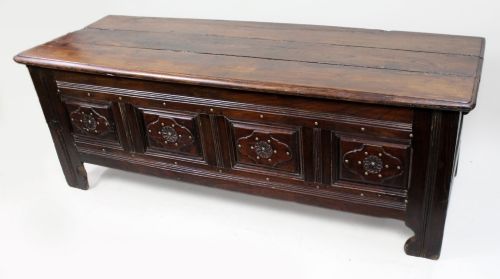
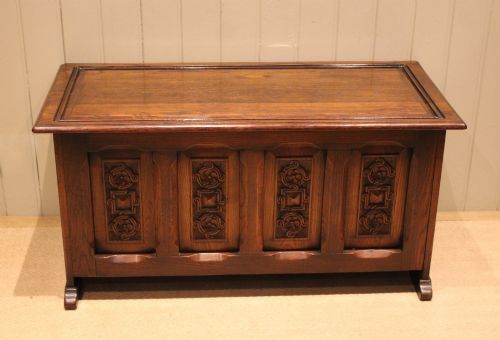
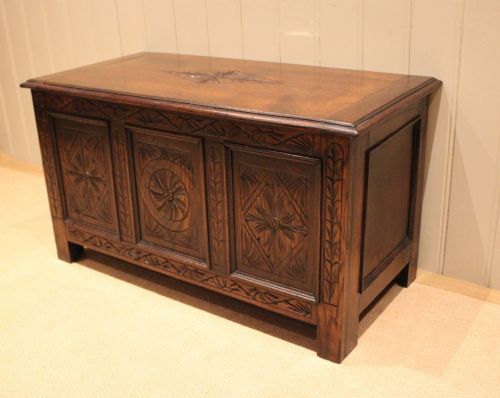
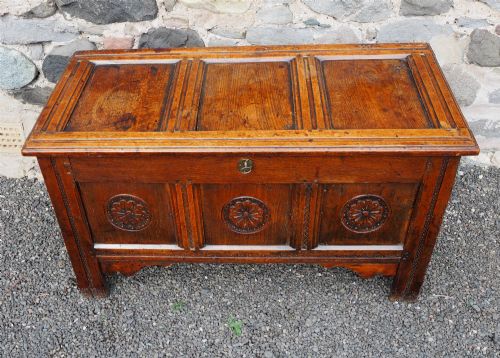
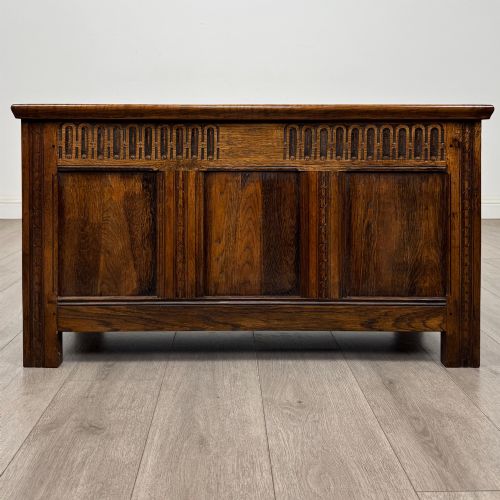
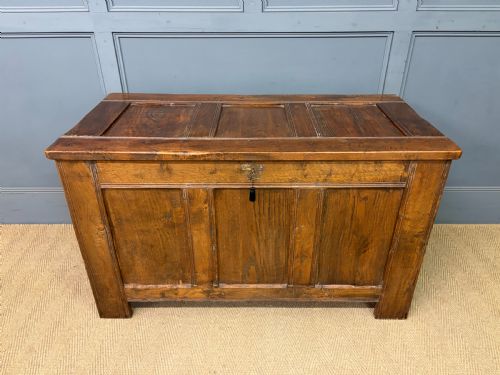
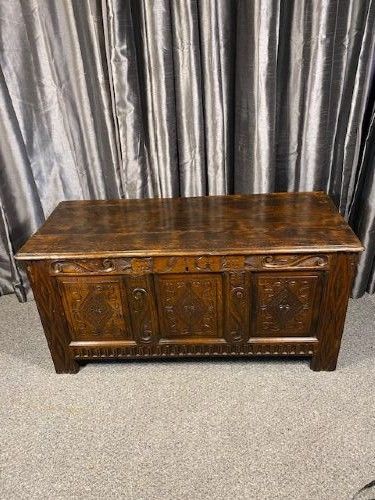
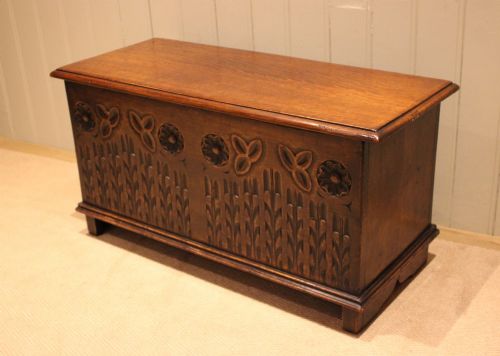
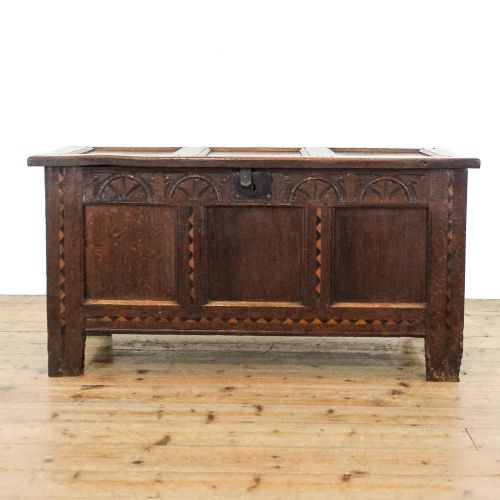
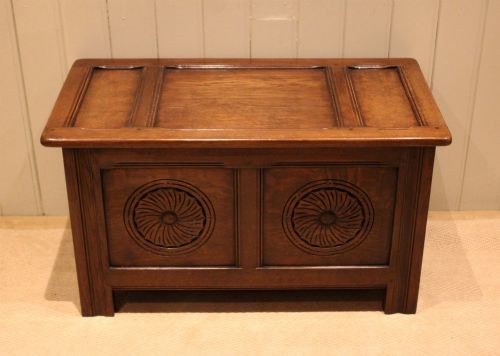
A traditional carved oak box encompasses robust storage pieces designed for domestic utility and security, spanning forms like blanket chests, coffers, mule chests, and table boxes. Buyers seeking these items will frequently encounter substantial 17th-century and 18th-century pieces, alongside later revival examples from the Victorian and Edwardian eras.
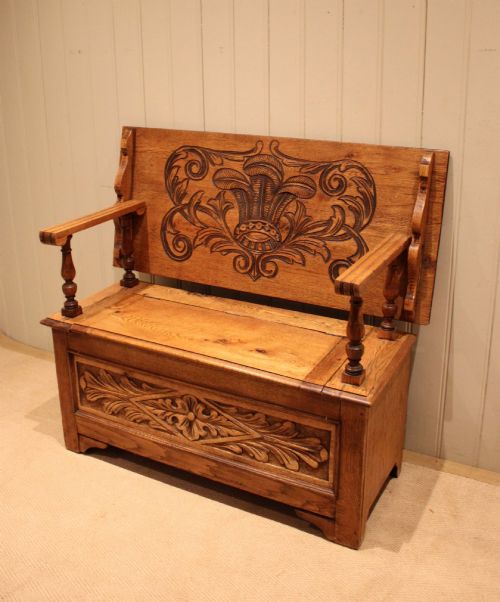
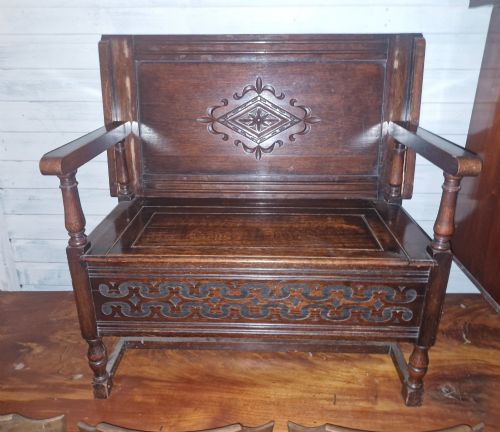
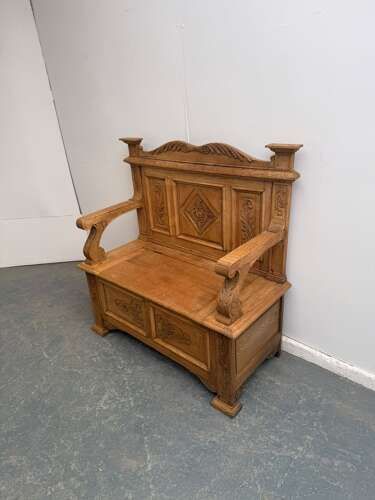
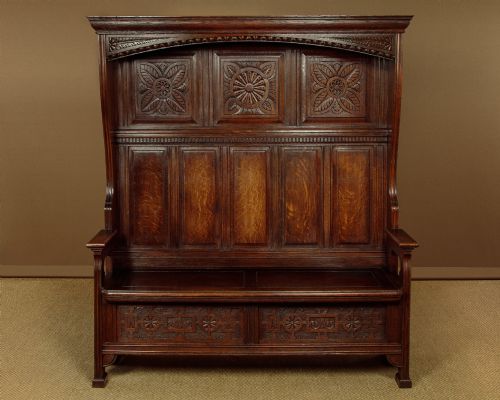
The selection ranges from simple country trunks to architectural joined coffers featuring panelled construction. Alongside standard storage chests, the inventory includes specific seating and utility forms such as hall benches, settles, and foot warmers.
How they were made
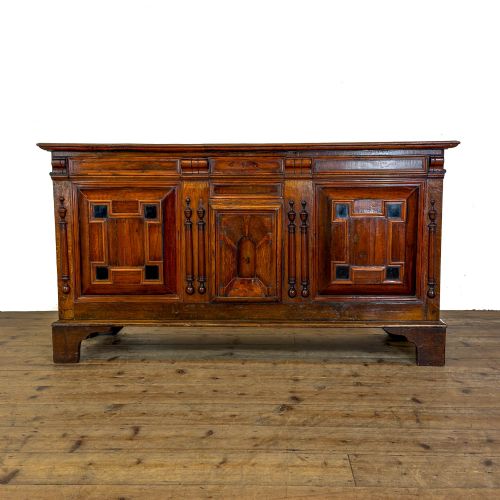
Construction relies heavily on solid oak, often joined using traditional framing techniques and pegged mortise and tenon joints to ensure structural rigidity. Surfaces frequently display hand carving, chip carving, or inlaid details, sometimes complemented by iron or brass hardware.
Finishes vary from natural waxed treatments that highlight the grain to darker patinas developed over centuries of use. Secondary timbers like pine occasionally appear in internal sections or secondary framing.
Foot warmers appear among the listings, demonstrating that historical comfort involved miniature wooden boxes housing hot coals.
What varies in quality
Quality rests primarily in the crispness of the hand carving and the integrity of the original construction rather than decorative flourish alone. Pieces exhibiting deep, well-defined carving and untouched joined framing distinguish themselves from later revivals or heavily restored examples.
The retention of original hinges, internal till boxes, and uncompromised timber patination elevates an example above those altered or re-boarded over time.
The Traditional Carved Oak Box Glossary
- Coffer
- A heavy wooden chest traditionally used for storing valuables or household goods. These pieces often feature hinged lids and sturdy joined construction.
- Mule chest
- A traditional chest featuring one or more drawers at the base beneath the main storage compartment. This form emerged as storage needs evolved in domestic settings.
- Joined oak
- Furniture constructed using interlocking timber frames secured with wooden pegs. This method provides superior strength compared to nailed joints.
- Chip carving
- A decorative technique where small chips are removed from the surface of the wood to create geometric patterns. It appears frequently on provincial and folk art items.
Traditional Carved Oak Box: Frequently Asked Questions
How do I date a traditional carved oak box?
Dating relies on observing construction methods, such as joined frames versus later mechanical fixings, alongside the style of the carving. Tool marks and timber shrinkage also offer clues to age.
Earlier pieces from the seventeenth century typically display hand-riven boards and pegged joints, while revival pieces from the Victorian and Edwardian periods show more uniform machining.
What was a mule chest used for?
A mule chest served as a dual-purpose storage item for blankets, linens, and clothing, combining trunk space with accessible drawer storage below. The addition of drawers marked a significant development in domestic furniture design.
Households utilised these pieces in bedrooms and living quarters to keep garments protected from dust and dampness.
Where should I place a heavy oak coffer?
Sturdy oak coffers suit hallways, living rooms, and bedrooms, where they function as focal points while providing substantial internal storage. Their flat lids allow them to double as display surfaces or casual seating.
Avoid placing antique timber directly against heat sources or in damp areas to prevent wood movement and splitting.
What is the difference between a coffer and a blanket chest?
A coffer generally denotes a heavier, highly secured storage chest built with joined frame and panel construction, often dating to the seventeenth or eighteenth centuries. Blanket chests frequently encompass lighter provincial or later revival items designed specifically for textiles.
Both types share a hinged lid and deep internal storage capacity.