
Traditional Carved Elbow Chair
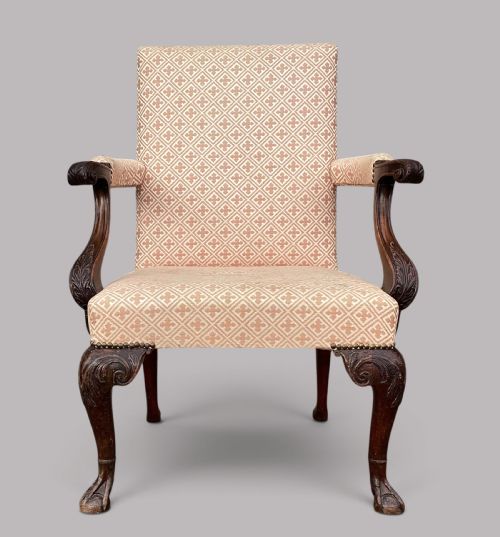
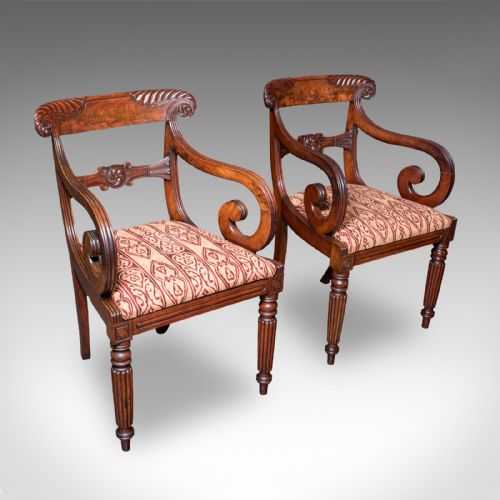
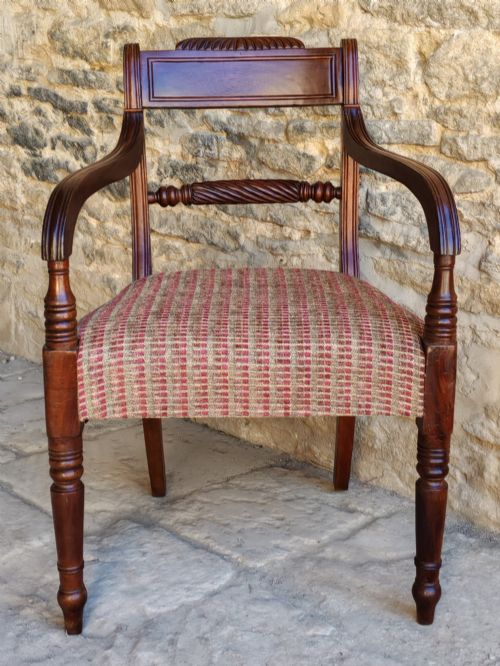
A traditional carved elbow chair offers sturdy seating with armrests, spanning periods from the Georgian era through the Victorian age in mahogany, oak and elm.
Traditional Carved Elbow Chair
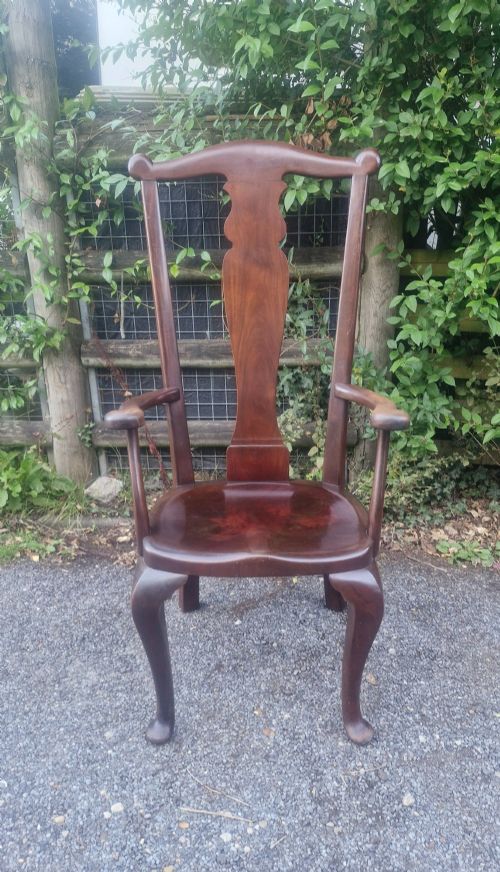
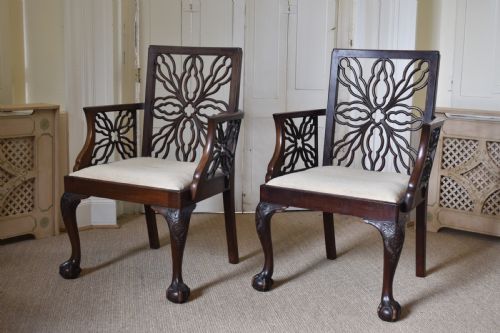
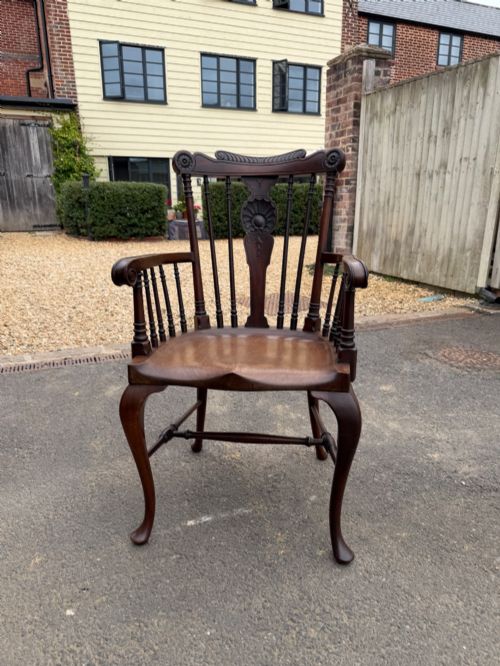
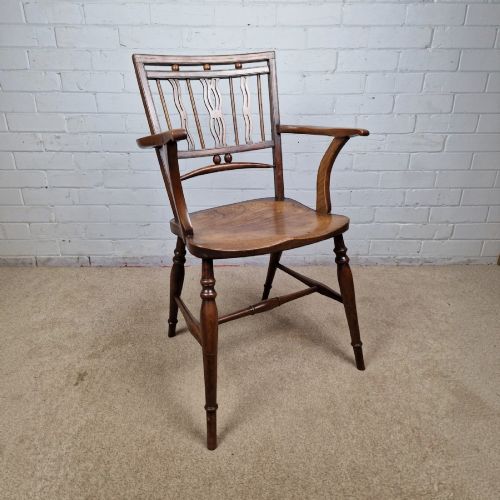
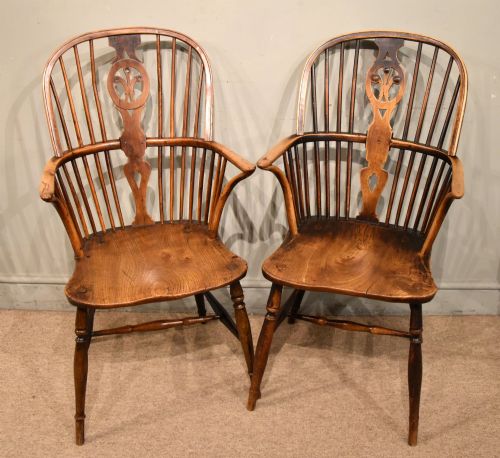
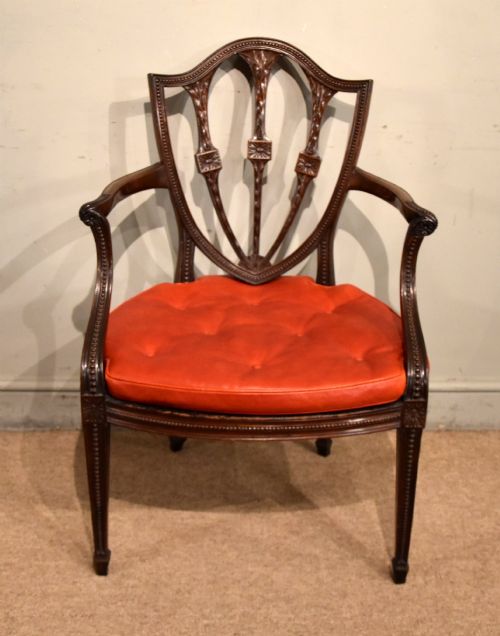
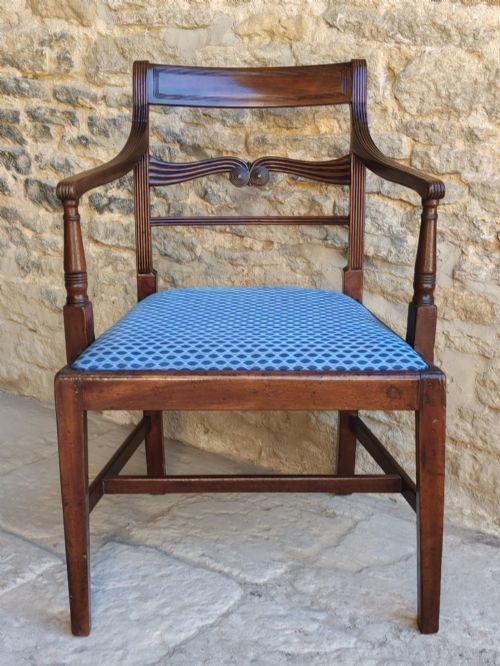
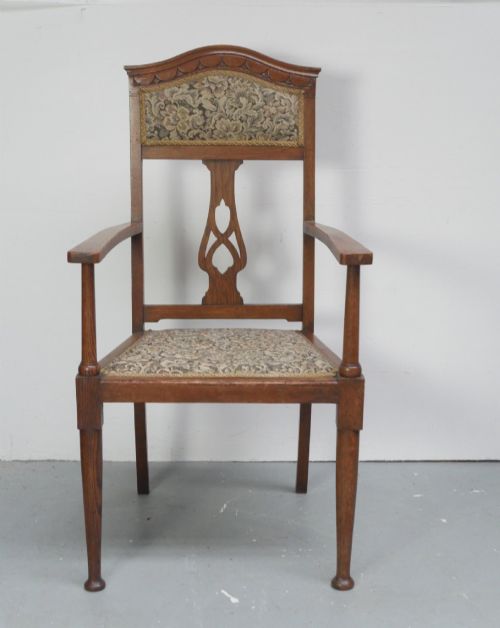
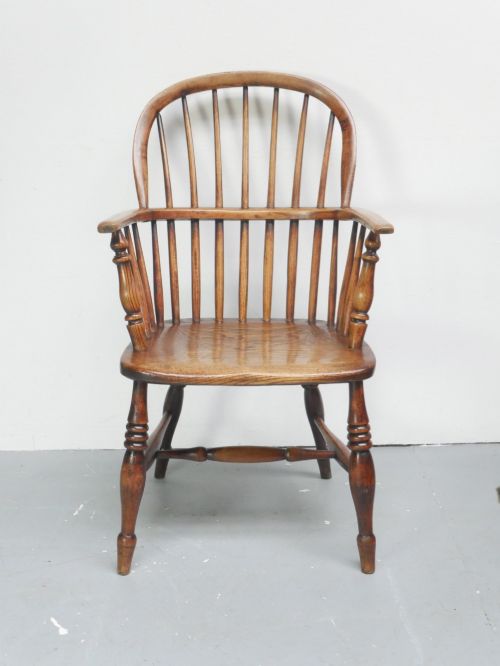
When you search for a traditional carved elbow chair, you encounter a wide selection of seating designed with armrests for desks, dining rooms and libraries. The examples seen on this page range from formal mahogany revival pieces to sturdy country windsor armchairs made from elm, ash and fruitwood.
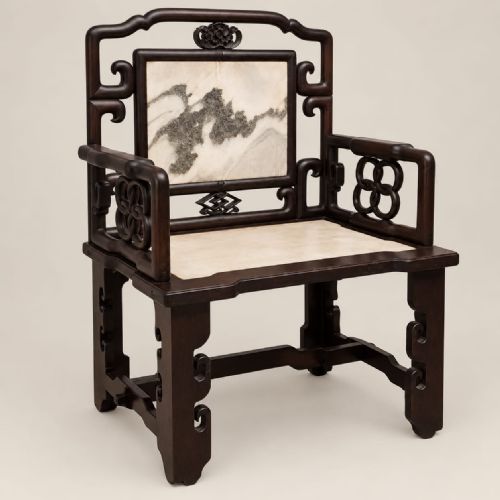
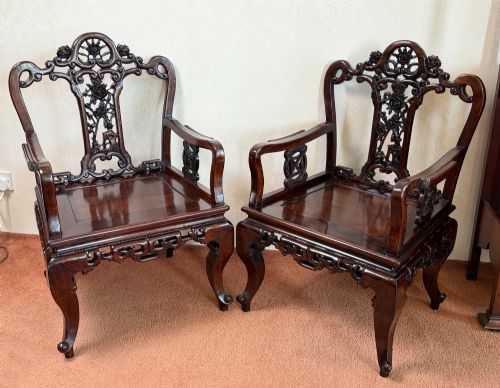
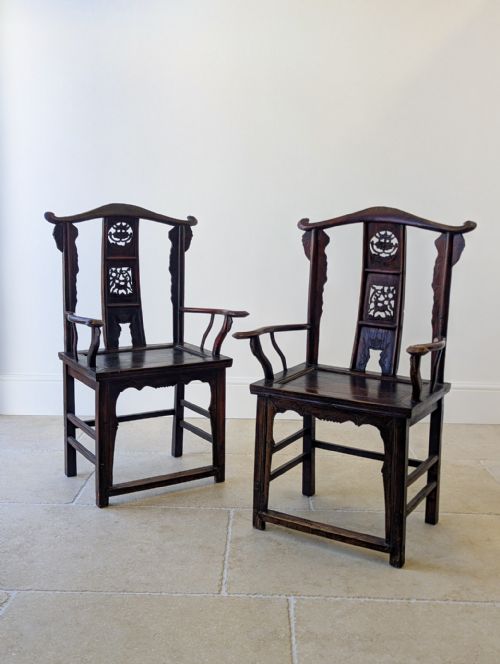
The selection includes specific regional forms such as mendlesham chairs and scottish windsor armchairs alongside chinese hardwood yoke-back chairs and swedish country armchairs. Buyers most frequently meet nineteenth-century mahogany carvers and nineteenth-century elm farmhouse armchairs.
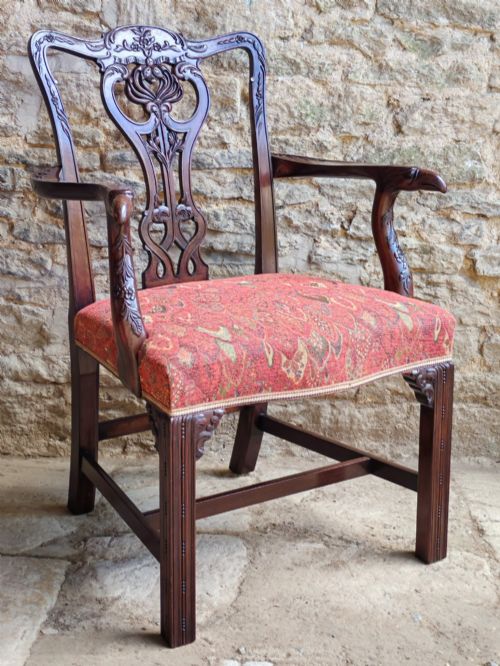
These seats serve multiple domestic roles, functioning as desk chairs, reception seats and occasional armchairs. The construction varies from formal chippendale style mahogany frames to primitive multi-wood country designs.
How they were made
Cabinet makers and country joiners utilised solid hardwoods including mahogany, oak, walnut and yew, often combining flexible timbers like elm and ash for Windsor chair seats and spindles. Turnery and steam-bending shaped the components of country armchairs, while urban workshops relied on precise joinery and hand carving.
Surface details incorporate applied cane work for seats and backs, alongside detailed upholstery in fabric. Carved ornamentation ranges from ropebacks and lyre motifs to elaborate revival styles reflecting georgian, regency and Victorian preferences.
Several armchairs incorporate up to four different woods in a single frame, uniting yew, elm, fruitwood and laburnum.
What varies in quality
The distinction between standard examples and finer pieces rests upon the crispness of the hand carving and the selection of timber figures. Superior mahogany carvers exhibit deeply undercut ornamentation and balanced proportions, whereas simpler country chairs depend on the harmonious combination of contrasting woods like yew, fruitwood and laburnum.
Structural integrity and originality of materials dictate the standing of an elbow chair. Pieces retaining their original cane panels, timber surfaces and uncompromised joinery demonstrate higher standards of craftsmanship than those altered over time.
Howard and Sons·Gillows
The Traditional Carved Elbow Chair Glossary
- Carver
- An armchair designed to match a set of dining chairs, usually featuring elbows and a wider seat. These chairs stand at the head of a dining table.
- Windsor
- A traditional chair construction featuring a solid wooden seat into which the legs, back spindles and bow are wedged and secured. Country versions frequently combine ash, elm and fruitwood.
- Yoke-back
- A distinctive chair top rail shaped to resemble a traditional Chinese ox yoke. This form appears on Chinese hardwood armchairs.
- Smokers bow
- A low-backed Windsor armchair with a curved arm rail supported by turned spindles, popular in nineteenth-century settings.
- Cane
- Woven rattan material used to form light, flexible panels for chair backs and seats. It appears frequently on revival library armchairs.
Traditional Carved Elbow Chair: Frequently Asked Questions
What is an elbow chair?
An elbow chair is simply an armchair, often used as a carver at the dining table or as a desk seat. The term highlights the presence of wooden or upholstered armrests.
These chairs appear across multiple centuries and stylistic revivals, offering both formal and rustic seating options for domestic interiors.
How do I identify a Windsor chair?
Windsor chairs feature a thick wooden seat where the legs and back components are joined directly into bored holes rather than using a traditional frame. They often combine different timbers, such as elm for the seat and ash or yew for the spindles.
Regional variations include high backs, comb backs and low smoking bows originating from English and Welsh workshops.
Where were these chairs used?
Historically, elbow chairs served multiple rooms including libraries, studies, morning rooms and dining spaces. Formal mahogany carvers sat around dining tables, while sturdy elm Windsors furnished farmhouses and country homes.
Today, they function easily as accent chairs, desk seats or reception chairs in modern living spaces.
How do I date a wooden armchair?
Dating relies on observing the timber species, construction methods, tool marks and stylistic revival details. Nineteenth-century pieces often display machine-assisted elements alongside hand finishing, while earlier Georgian examples use dense, patinated mahogany or oak.
Comparing the turned spindles, leg shapes and carving motifs to documented historical periods helps narrow down the decade of production.