
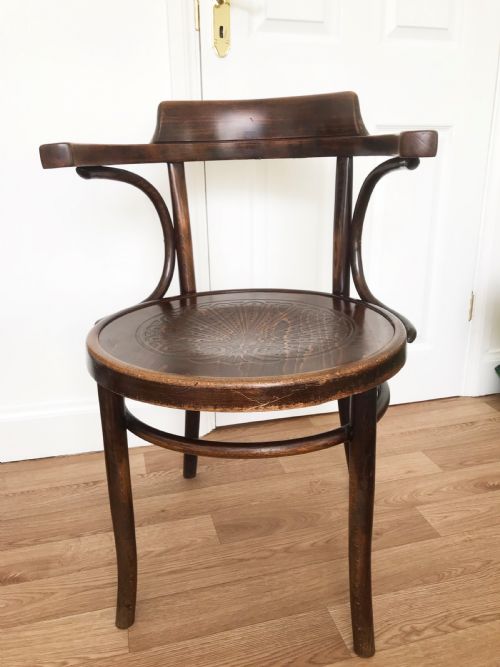


Antique Captain Chair Carver
An antique captain chair carver brings sturdy timber and generous proportions to a desk or dining table, offering robust support for daily work.
Antique Captain Chair Carver
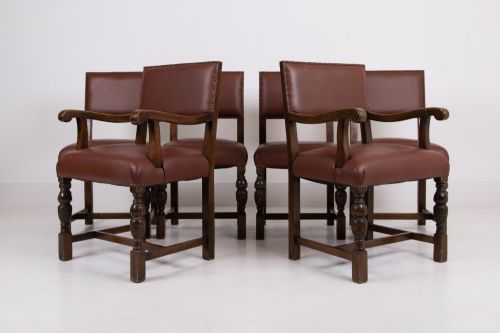
The antique captain chair carver designation covers a broad family of sturdy seating designed for offices, studies, and dining rooms across the eighteenth, nineteenth, and early twentieth centuries. Buyers seeking an antique captain chair carver will encounter heavy timber armchairs, low-back desk chairs, and spacious country carvers intended for sustained daily sitting.
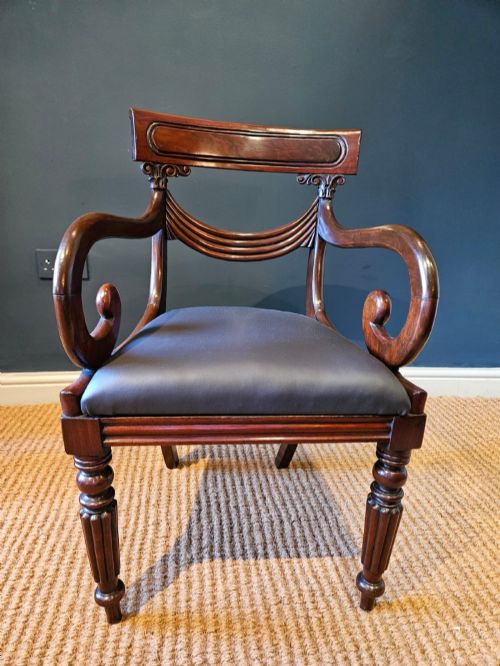
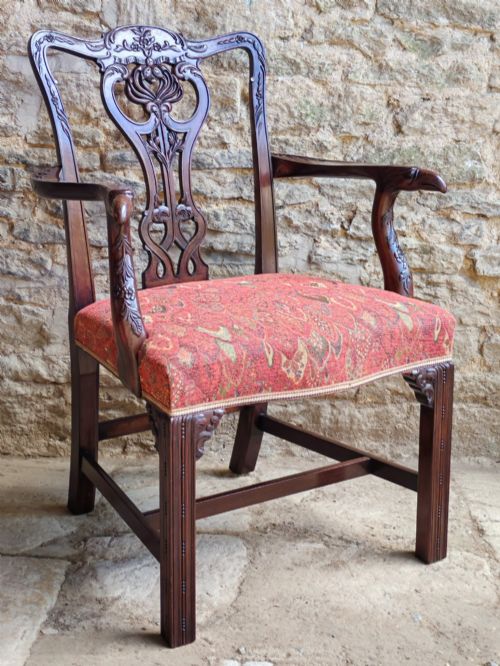
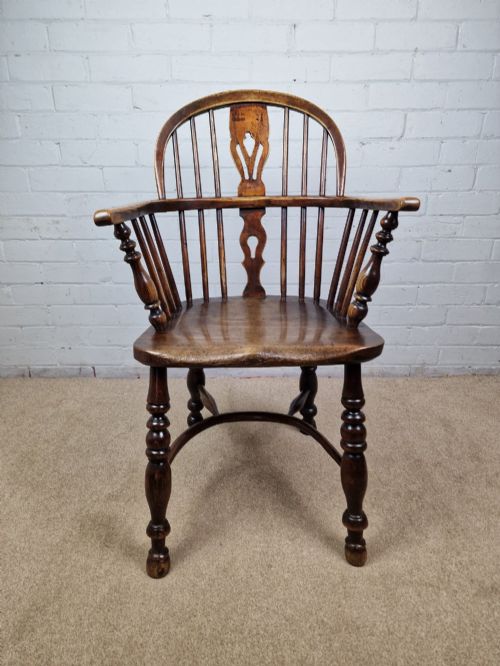
The selection ranges from formal mahogany scroll-arm designs of the Regency and William IV periods to robust regional Windsor armchairs shaped from ash, elm, and yew. Many examples double as desk chairs or dining carvers, providing wider seats and supportive curved backrests compared to standard side chairs.
Makers and regional joiners utilised local hardwoods such as oak, beech, and alder to construct these seats, resulting in varied regional traditions from Nottinghamshire country workshops to urban cabinet-making studios. Surviving pieces span Georgian elegance, Victorian solidity, and Edwardian revival styles.
Materials and construction methods
Makers constructed these chairs using durable domestic and imported timbers, pairing dense mahogany for formal library and dining carvers with flexible ash, elm, and yew for country Windsor frames. Seat bases often consist of thick, single-piece carved elm or ash saddles fitted with spindles or solid wooden splats.
Joinery methods combined traditional mortise and tenon joints with steam-bent wooden bows and armrests, ensuring structural rigidity under heavy daily use. Leather upholstery, brass fixings, and woven drop-in seats were added to formal desk chairs, while country windsor examples relied on wedged leg tenons driven straight through the seat base.
Listings span the nineteenth and early twentieth centuries, featuring timbers such as mahogany, elm, ash, and oak across diverse forms like Windsor and desk carvers.
Assessing build quality and execution
Quality in these chairs is determined by the selection of timber and the precision of the joinery, particularly where the arms and back bow meet the main seat. Superior examples display carefully matched wood grain, tight joints without excessive modern reinforcement, and well-proportioned turnings on the legs and spindles.
The distinction between standard utility seating and high-tier library pieces rests on hand-carved detailing, such as scroll arms, inlay work, and original hand-dyed leather upholstery. Pieces retaining their structural integrity and original timber surfaces command greater appreciation than those altered by heavy restoration or replacement components.
Howard and Sons·Henry Maxwell
The Antique Captain Chair Carver Glossary
- Carver chair
- An armchair designed to match a set of dining side chairs, usually placed at either end of a dining table. They offer wider proportions and supportive armrests.
- Windsor chair
- A wooden chair built with a heavy solid seat into which the legs, back spindles, and bow are separately tenoned. They often feature bentwood components and ergonomic saddle seats.
- Scroll arm
- An armchair arm shaped into a curved, upward-rolling scroll at the terminus. This detail appears frequently on formal mahogany seating from the Regency and Victorian periods.
- Broad arm Windsor
- A regional variation of the Windsor chair featuring one exceptionally wide, flat armrest designed to serve as a writing surface. They are typically constructed from ash and elm.
- Comb-back
- A Windsor chair back design where the central vertical spindles rise to pierce a top rail, resembling the teeth of a comb.
Antique Captain Chair Carver: Frequently Asked Questions
What is an antique captain chair carver?
An antique captain chair carver is a sturdy armchair with supportive armrests, originally built for use at a desk, a ship's table, or the head of a dining table. These chairs prioritize comfort and solid construction.
They appear in various styles ranging from formal mahogany Regency desk chairs to rustic elm and ash country Windsor armchairs.
Were these chairs used at desks?
Many formal carver chairs from the Georgian, Regency, and Victorian periods served primarily as desk or library seating. Their sturdy arms and wider seats accommodated long hours of paperwork.
Examples often feature mahogany frames, scroll arms, and occasionally leather-upholstered seats for added comfort during work.
How do I care for antique wooden carvers?
Caring for these wooden chairs involves keeping them away from direct heat sources and sudden temperature changes that can dry out old timber. Regular dusting with a soft cloth preserves the polished finish.
Leather seats benefit from occasional conditioning to prevent cracking, while wooden frames require minimal intervention beyond natural beeswax.