
Traditional Brown Wood Table
When you search for a traditional brown wood table, you are looking at centuries of timber craftsmanship designed for daily service.
Traditional Brown Wood Table
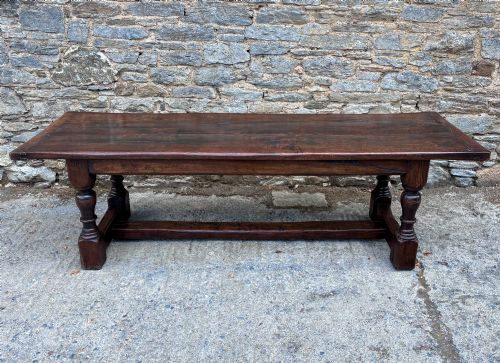
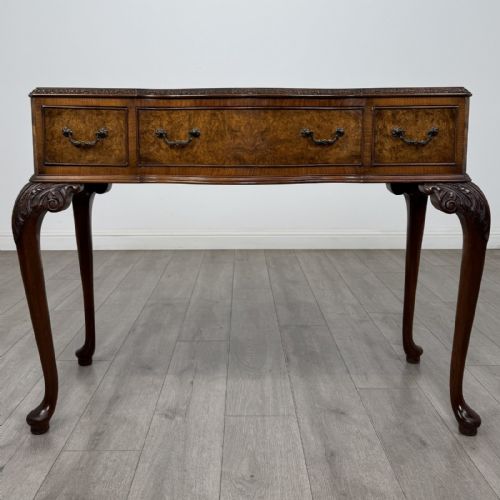
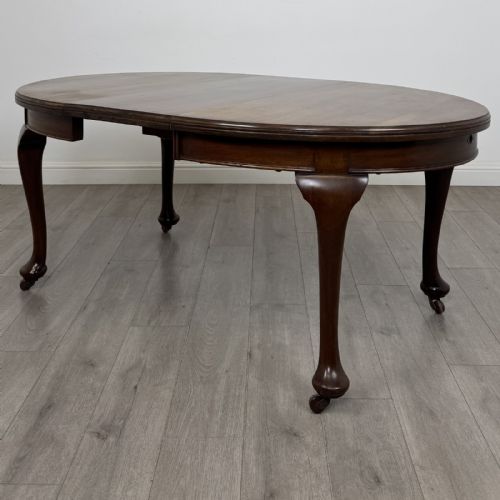
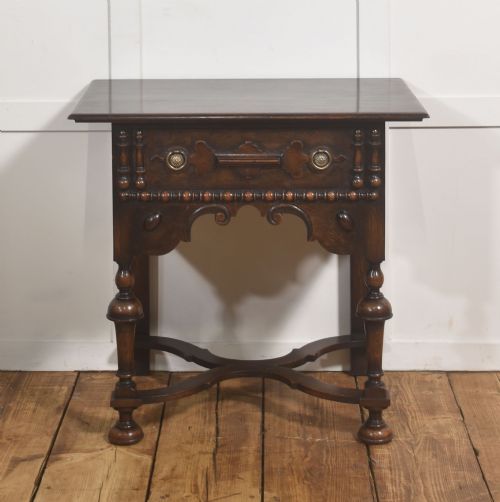
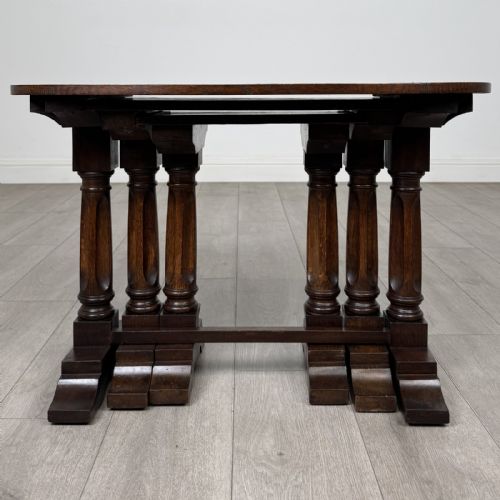
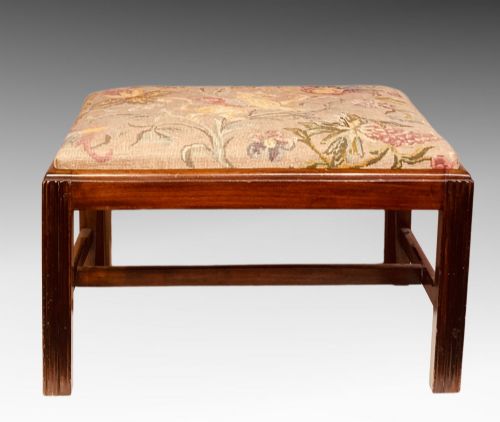
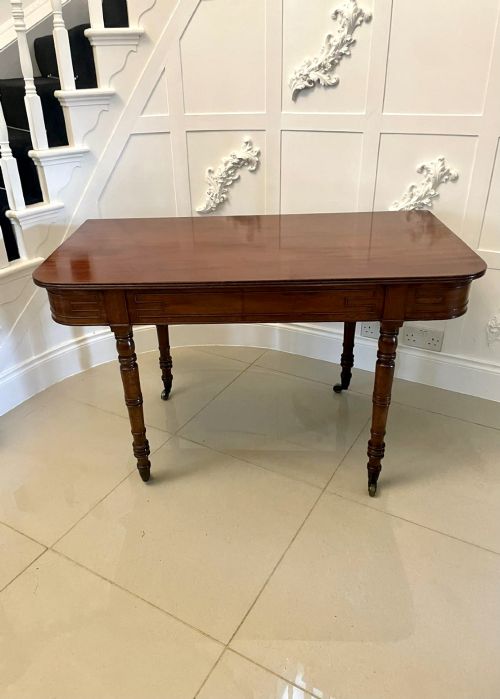
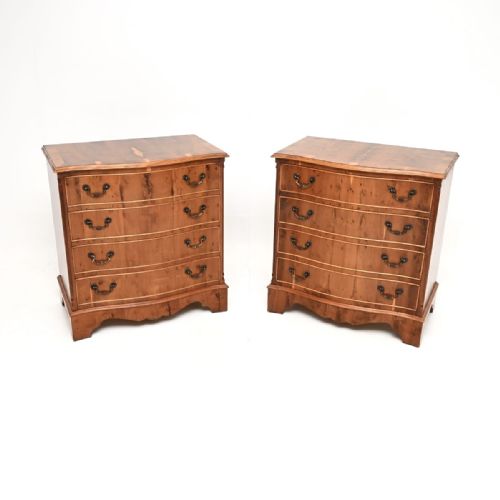
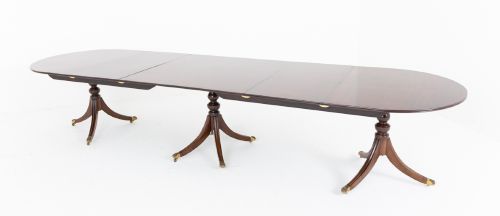
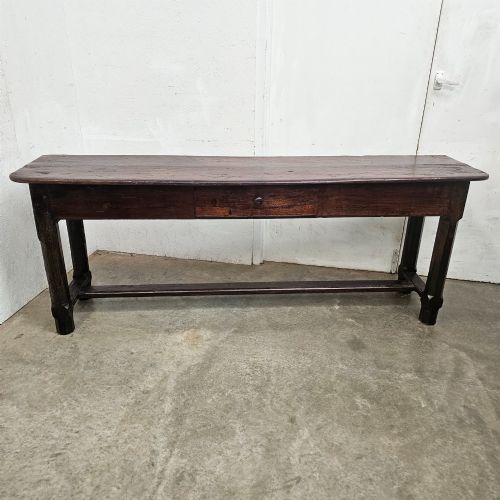
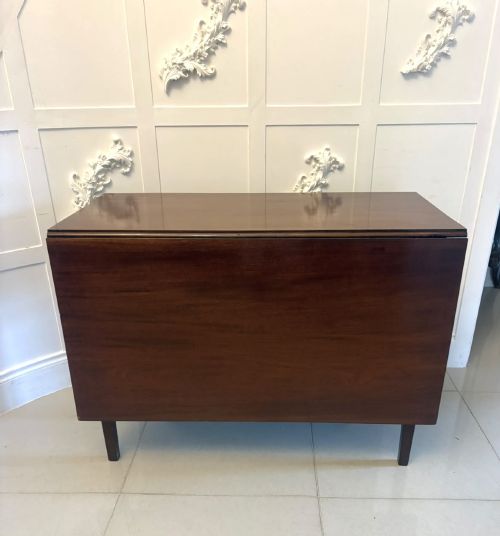
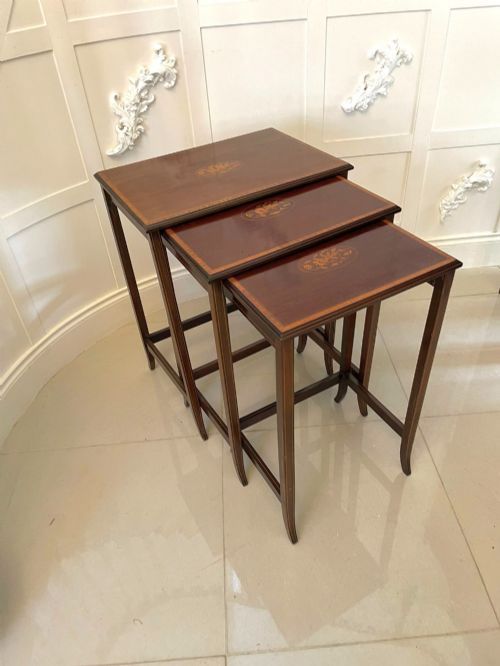
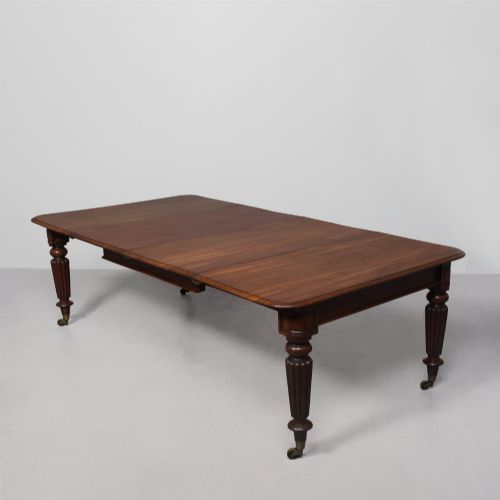
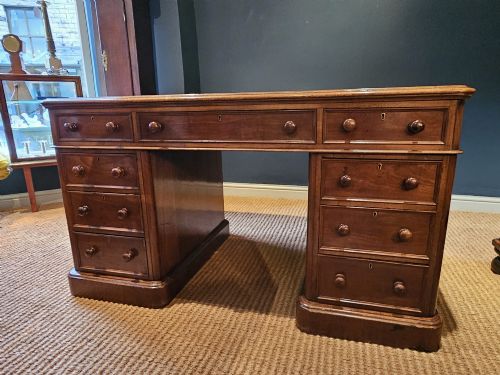
A traditional brown wood table appears in numerous domestic forms across this selection, ranging from large dining boards to compact bedside chests and occasional stands. Dining and serving pieces dominate the larger formats, while side tables and writing desks cater to smaller rooms.
The material palette spans several centuries, drawing heavily from the 18th century, Victorian era, and Edwardian period. Oak, mahogany, and walnut recur most frequently across these centuries, shaped into styles from rustic farmhouse to Georgian revival.
Materials and Construction
Cabinet makers utilised solid timbers alongside figured veneers, selecting oak for robust vernacular structures and mahogany or walnut for finer reception furniture. Secondary woods such as ash, pine, and sycamore often reinforce the internal frames and drawer linings.
Joinery methods rely on traditional techniques including mortise and tenon joints for structural stability and dovetailed drawer construction. Surfaces are frequently polished with wax or shellac to bring out the natural grain and deep brown colour of the wood.
Form variations range from single plank dining boards to miniature burr walnut sutherland tables.
Markers of Quality
The standard of timber selection dictates much of the visual depth, separating plain boards from richly figured flame mahogany and burr walnut. Finer pieces demonstrate careful grain matching across tabletops, drawer fronts, and friezes.
Execution of carved details and inlaid decoration reveals the hand of the maker. Crisp mouldings, well-fitted drawers, and original brass hardware elevate an everyday item to a superior standard of cabinet work.
Trollope & sons·Warings Liverpool
The Traditional Brown Wood Table Glossary
- Mahogany
- A durable, reddish-brown tropical hardwood favoured by cabinet makers for its stability and fine grain. It accepts carving and polishing exceptionally well.
- Walnut
- A rich brown timber prized for its intricate figuring and decorative potential in veneers. It was widely used in high-status furniture during various periods.
- Dovetailed
- A method of joining two pieces of wood by interlocking wedge-shaped fingers. This interlocking joint provides immense tensile strength for drawer construction.
- Console table
- A table designed to stand against a wall, frequently supported by wall brackets or console legs. These pieces often serve decorative roles in hallways and reception rooms.
Traditional Brown Wood Table: Frequently Asked Questions
How do I clean a wooden table?
Dust surfaces regularly with a soft, dry cloth to prevent particulate accumulation. Avoid silicone-based sprays, opting instead for traditional beeswax to nourish the timber.
Keep wooden tables away from direct heat sources and strong sunlight to prevent the timber from drying out or warping. Use mats under hot dishes and liquids to protect the polished surface.
What is figured mahogany?
Figured mahogany refers to timber cut from specific parts of the tree, such as crotches or burls, where the grain creates natural patterns. This variation produces striking flame or feather effects across large surfaces like tabletops.
Cabinet makers reserved these premium veneers for the most visible areas of high-status furniture. They require careful book-matching during construction to achieve a symmetrical design.
Are these tables suitable for daily use?
Solid oak and mahogany tables were originally built for heavy domestic service and withstand regular activity. Using coasters, placemats, and tablecloths helps preserve the antique finish against daily wear.
Minor scuffs often blend into the patina of older wooden furniture over time. Routine maintenance with wax keeps the timber sealed and protected from accidental moisture.
How can I tell the period of a table?
Examine the construction methods visible underneath and inside the piece, such as drawer dovetails and tool marks. Hand-cut joints generally indicate an origin prior to the widespread adoption of industrial machinery.
Compare the overall style, turning shapes, and hardware against known design periods like the Victorian or Edwardian eras. Secondary timbers used in internal framing also offer clues regarding geographic origin and date.