




Vintage Mahogany Supper Table
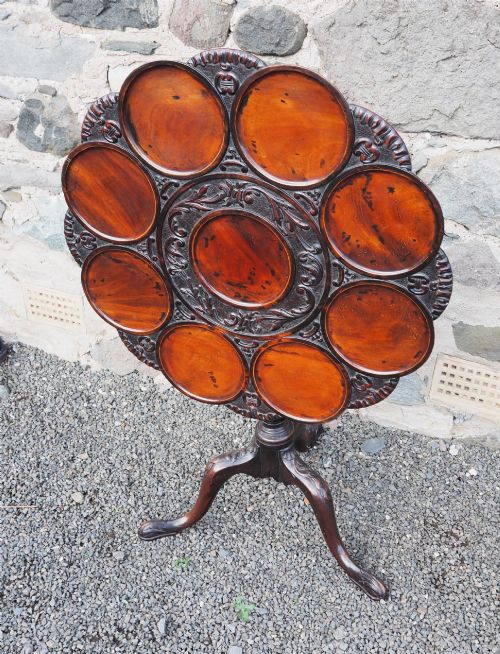
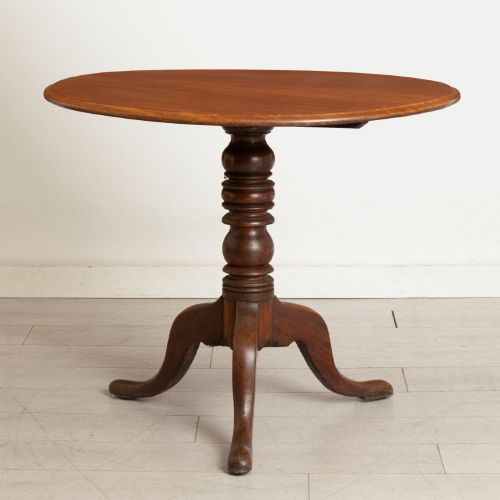
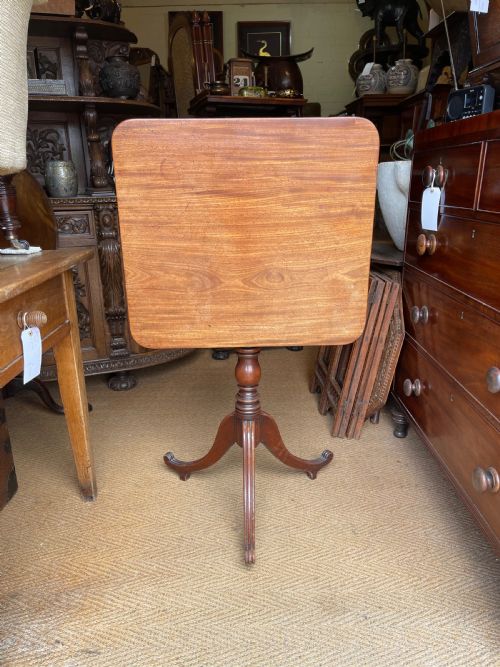
A vintage mahogany supper table brings eighteenth and nineteenth century dining utility straight into a modern room.
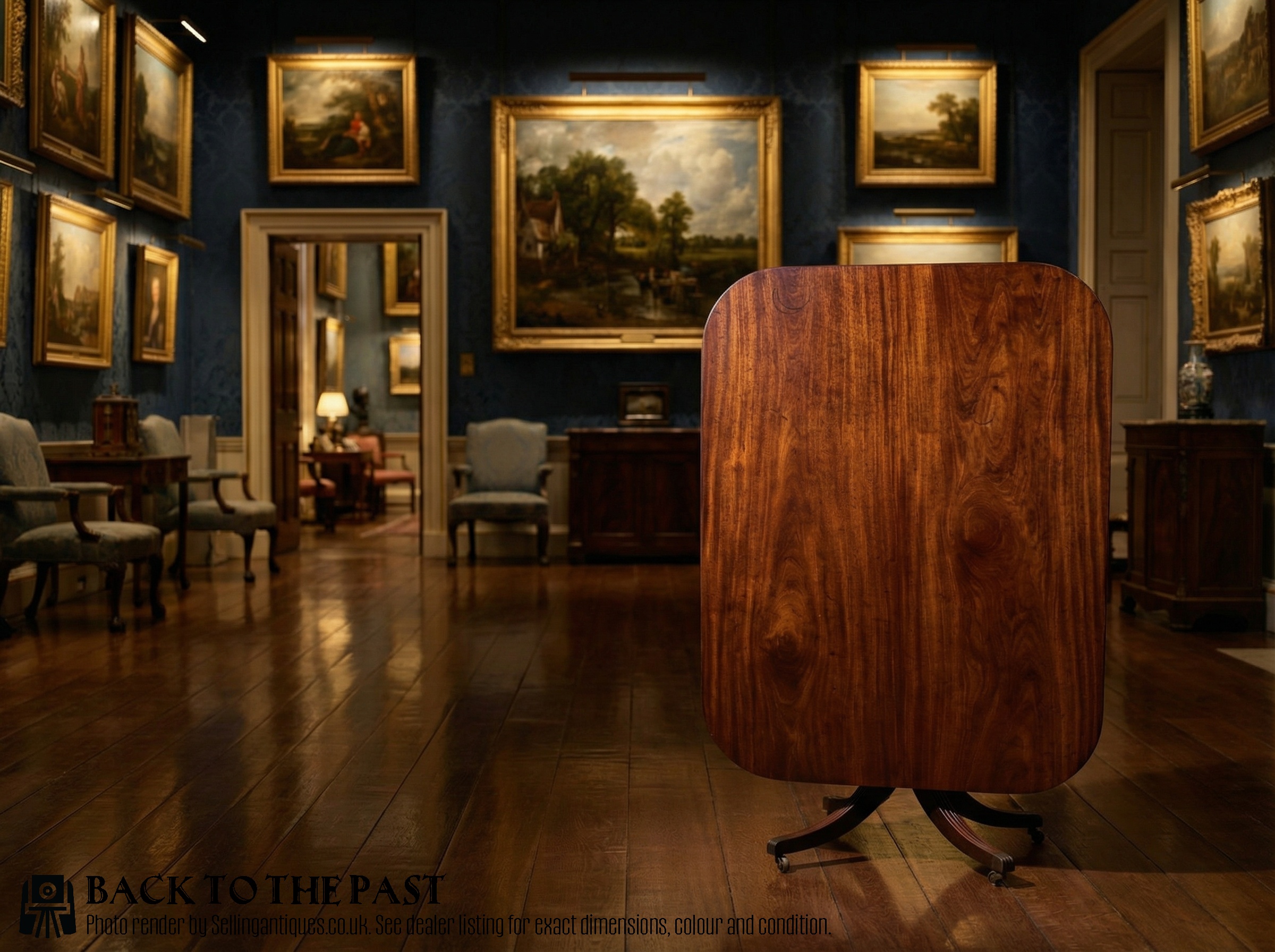
Vintage Mahogany Supper Table
A vintage mahogany supper table encompasses dining tables, occasional tables, and tilt top designs originating from the eighteenth and nineteenth centuries.
Buyers meet pieces spanning Georgian, Regency, and Victorian eras, alongside later revivals from nineteen ten and nineteen twenty.
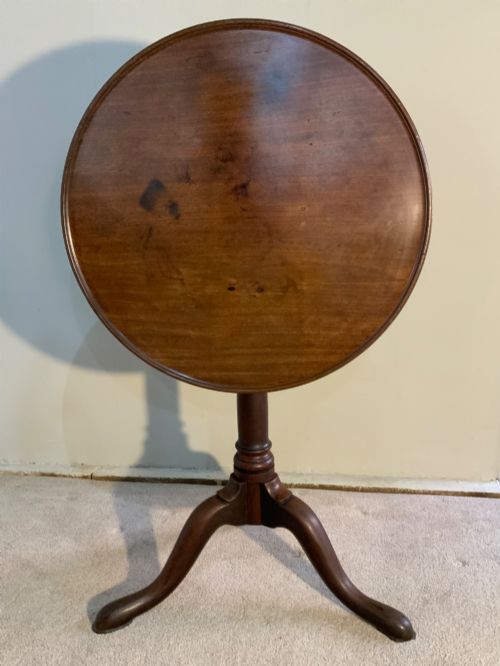
Common formats include tripod bases, birdcage mechanisms, and drop leaf constructions tailored for evening meals and social gatherings.
Materials and construction
Construction relies heavily on rich mahogany timber, occasionally paired with brass mounting for hinges and castors.
Joinery techniques include tilt top mechanisms, birdcage supports, and double fold over frames designed to save space between meals.
Some tables feature birdcages that let the top spin like a lazy Susan while tilted.
Assessing craftsmanship and finish
Quality differentiates by the depth of timber figure, the crispness of carved details in Chippendale and Neoclassical styles, and the smooth operation of tilt top hinges.
Earlier Georgian examples demonstrate finer cabinet work compared to later mass production, though period brassware and solid Honduras mahogany remain desirable benchmarks across all decades.
The Vintage Mahogany Supper Table Glossary
- Mahogany
- A durable tropical hardwood prized for its deep reddish brown colour and smooth grain. It forms the primary material for these tables.
- Tilt top
- A table top hinged to pivot vertically when not in use. This allows the piece to stand flat against a wall.
- Tripod table
- A small occasional table supported by a pillar above three spreading legs. Stability depends entirely on the accuracy of the joint.
- Birdcage
- A revolving wooden framework beneath a tilt top table top. It permits the top to both pivot and rotate.
Vintage Mahogany Supper Table: Frequently Asked Questions
What is a supper table?
A supper table is a versatile piece designed for evening dining, games, or social gatherings in domestic rooms.
Many examples feature drop leaves, tilt mechanisms, or fold over tops to adapt for different uses throughout the day.
How do I date a mahogany table?
Dating relies on stylistic clues like Chippendale carvings, Georgian proportions, or Regency lines alongside construction methods.
Secondary woods and hardware fittings also help distinguish eighteenth century work from later nineteenth century manufacturing.
Where should I place a tripod table?
Tripod tables suit corners, beside seating, or in hallways as occasional surfaces for lamps and decorative items.
Their compact circular footprints make them easy to position in rooms where large dining tables overwhelm the floor space.
How do tilt top tables work?
A brass or wooden catch releases the table top so it swings from horizontal to vertical.
This ingenious mechanism allowed historic households to clear floor space quickly after an evening meal concluded.