

Traditional Brown Accent Table
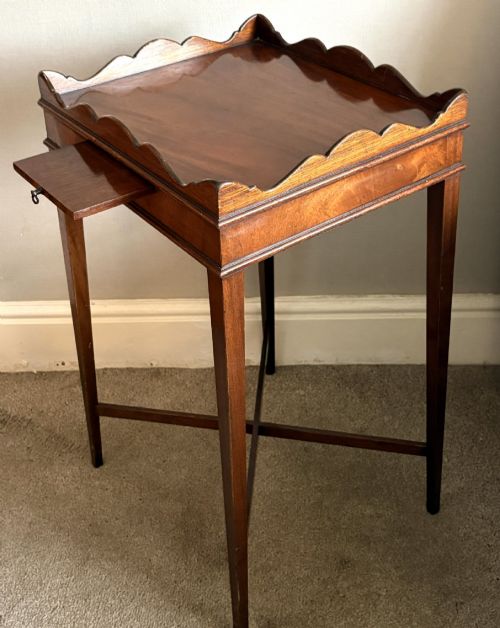
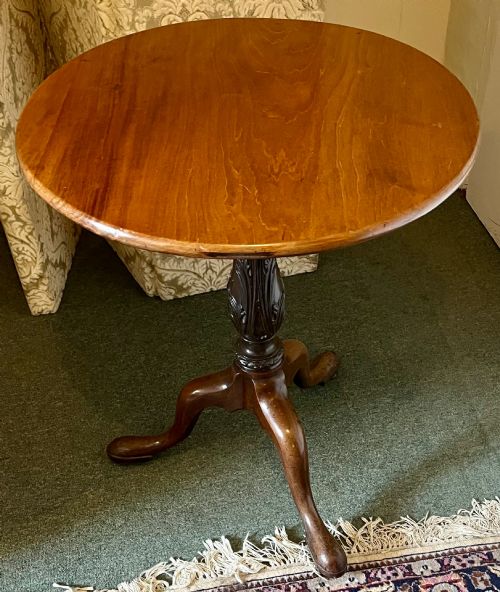
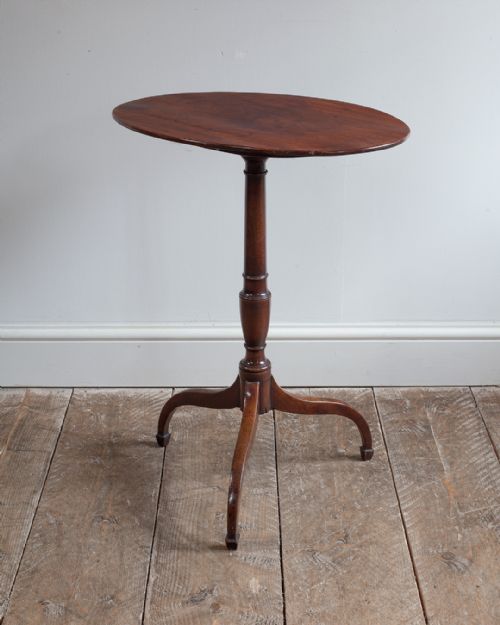
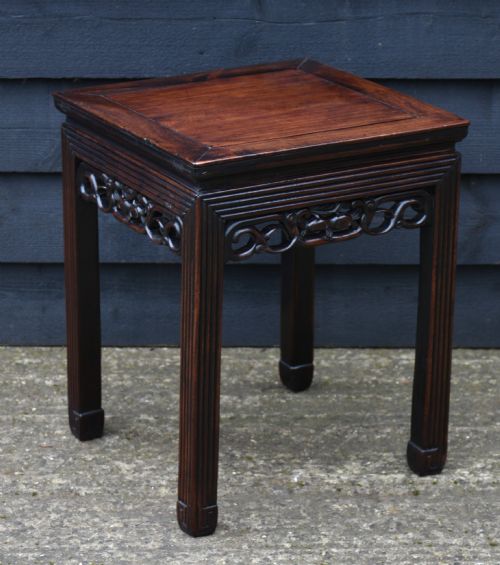
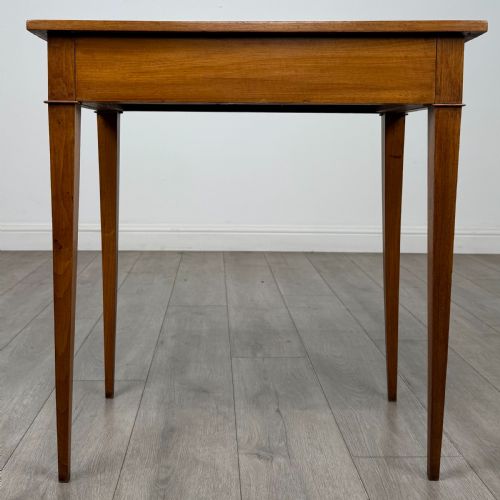
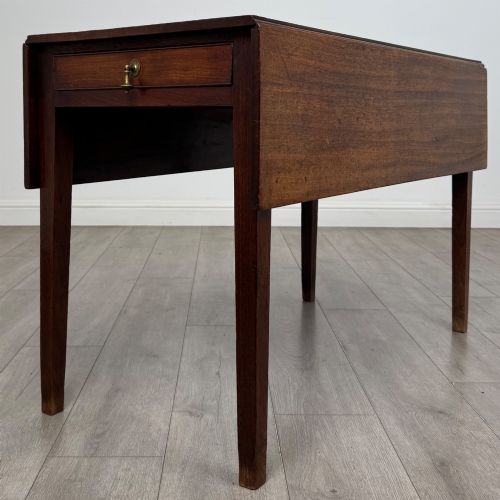
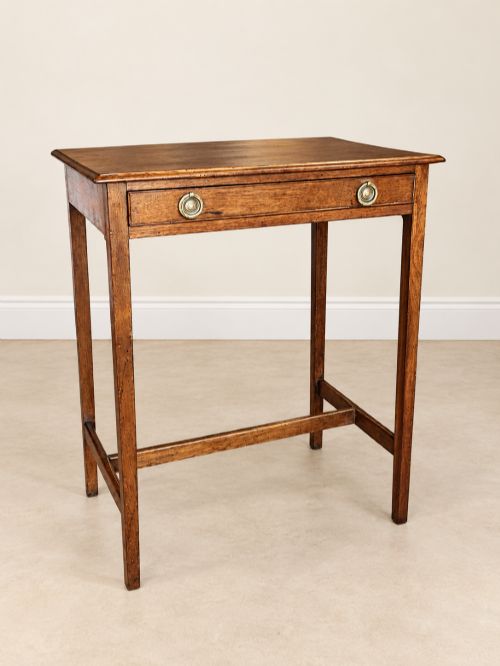
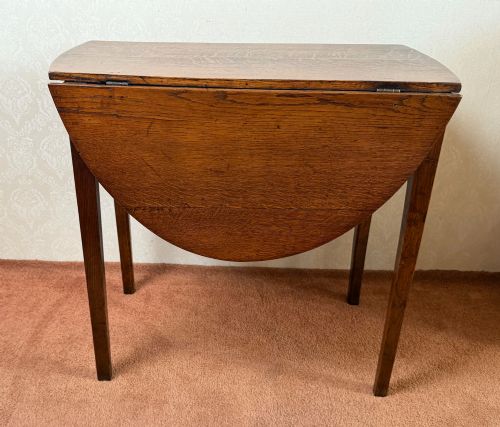
These traditional brown accent tables span centuries of timber craft, offering practical surface space alongside rich historic character.
Traditional Brown Accent Table
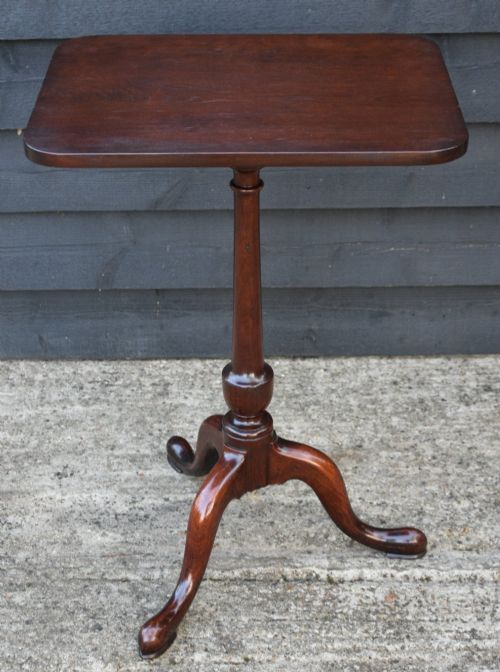
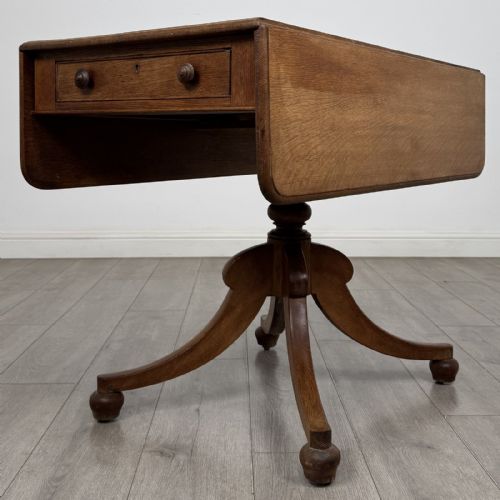
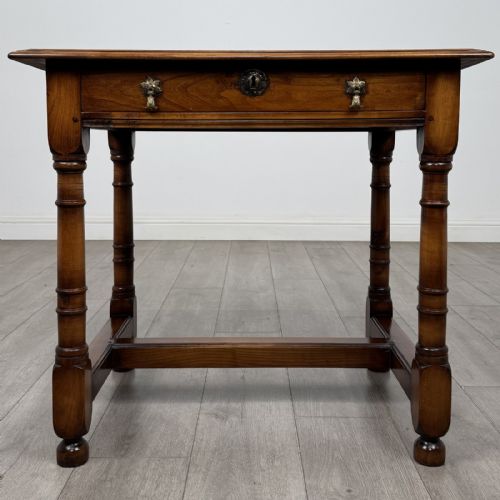
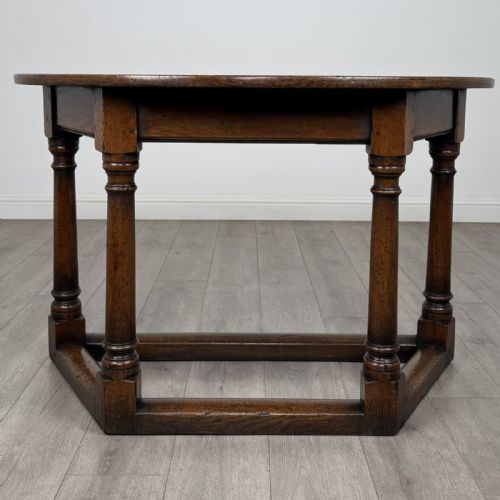
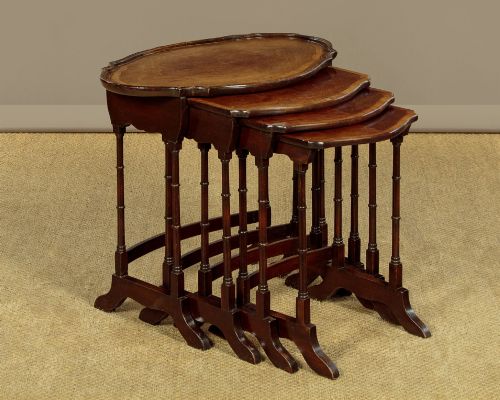
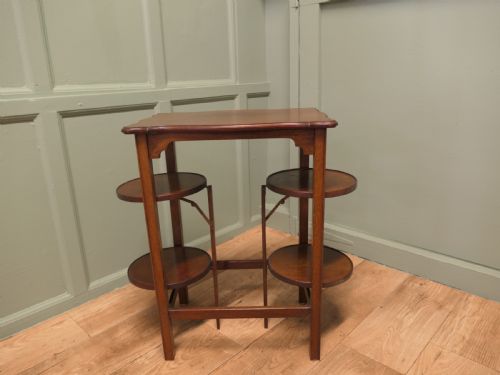
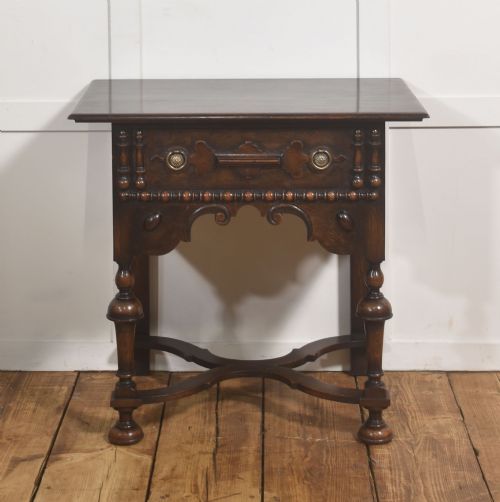
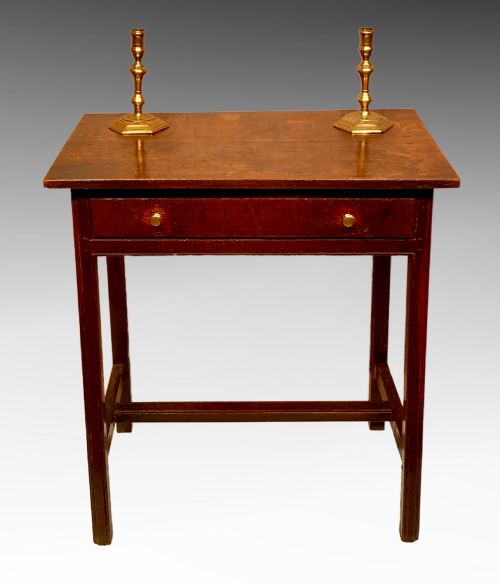
A traditional brown accent table encompasses smaller auxiliary furniture pieces designed for specific domestic tasks. Side tables, occasional tables, nests of tables, wine tables and plant stands dominate this selection. These forms originate across various eras, running from the eighteenth century through the Victorian period and into the early twentieth century.
Oak and mahogany represent the most frequent timbers encountered among these listings. Pieces range from straightforward joint stools and cricket tables to refined George III style designs and inlaid walnut coffee tables. Regional variations appear alongside revival styles such as Jacobean and Sheraton.
Domestic interiors benefit from these compact items because they fit easily beside seating or in hallways. A buyer encounters everything from tripod tables with tilt tops to gateleg tables and two-tier occasional stands.
Materials and construction
Cabinet makers utilised solid hardwoods including oak, mahogany, walnut, yew wood and cherry. Timber selection dictated the structural strength of smaller surfaces like wine tables and spider leg lamp tables, whilst contrasting woods provided decorative detail through wood inlay.
Traditional joinery methods bind these pieces together. Pegged joints appear on joint stools and early oak tables, while later Edwardian and Victorian examples employ fine turning on legs, bobbin supports and drop leaves.
Traditional Brown Accent Table Retail Price Guide 2026
Typical asking prices for traditional brown accent table among the pieces listed under this phrase on Sellingantiques today, from the lower quarter to the upper quarter. They describe what is for sale here now, not the wider market.
Current listings feature pieces constructed from oak, mahogany, walnut, yew wood, satinwood, brass and hardwood across several centuries.
Craftsmanship and finish
The standard of timber selection and surface finish separates standard items from superior examples. Better pieces display carefully matched wood grains, crisp carving and balanced proportions across tripod bases or pedestal stands.
Original hardware and structural integrity dictate long-term durability. Refined edge moulding, tight joints in gateleg mechanisms and intact wood inlay reflect the skill of the original maker.
The Traditional Brown Accent Table Glossary
- Sutherland table
- A narrow drop-leaf table featuring exceptionally slender gate legs that support the leaves when raised. This clever folding design allows the piece to store in minimal space.
- Joint stool
- A sturdy wooden stool constructed with mortise and tenon joints, often utilised as a low side table in early interiors. Carpenters built these items to bear substantial weight.
- Cricket table
- A small three-legged wooden table originating from domestic use, typically featuring a round top supported by raked legs. The configuration ensures stability on uneven floors.
- Tilt-top table
- A table equipped with a mechanism that allows the top surface to pivot into a vertical position. This function enabled owners to store the furniture flat against a wall when not in use.
- Quartetto nest
- A set of four graduating occasional tables designed to slide neatly beneath one another. Walnut and mahogany versions became popular during the Edwardian era.
- Gateleg table
- A table with hinged leaves supported by swing-out legs that resemble a swinging gate. This design provides an expandable surface area while maintaining a compact profile when folded.
Traditional Brown Accent Table: Frequently Asked Questions
How do I date an oak table?
Dating relies on examining construction techniques, timber characteristics and stylistic markers present in the design. Pegged joinery and heavy mouldings often point towards earlier periods.
Later Edwardian pieces display lighter proportions and different turning styles on the legs.
Where should I place a nest of tables?
A nest of tables works effectively beside a sofa or in a corner where surface space is required intermittently. The smaller tables pull out when needed for guests.
This arrangement maximises floor space in smaller rooms.
What is a Sutherland table used for?
A Sutherland table serves as a flexible surface that expands when both leaves are raised on their gate legs. It functions as a compact tea table or side surface.
When folded down, the slim profile tucks away easily against a wall.
Are these tables solid wood?
The listings feature pieces constructed from solid timbers such as oak, mahogany, walnut, yew wood and cherry. Cabinet makers also applied decorative wood inlay to enhance surfaces.
Construction methods reflect the period in which each item was made.