


Traditional Bronze Vessel
These traditional bronze vessel pieces bring centuries of metalwork craftsmanship into your rooms, offering lasting tactile presence.
Traditional Bronze Vessel
A traditional bronze vessel covers a diverse range of functional and decorative metalwork spanning several global traditions and centuries of production. When you search for this phrase, you encounter objects from Asian, Middle Eastern, and European origins that served domestic, ritual, or display purposes.
The selections available here lean heavily towards nineteenth-century examples, including Chinese scholar items and Japanese garden urns alongside Indian and Ottoman ewers. Mortars and pestles also appear frequently, representing the more utilitarian side of this metalwork category.
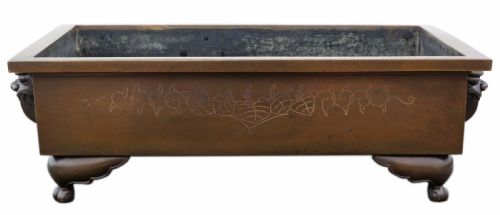
Forms vary significantly, from tripod wine vessels and hanging incense burners to large planters and sake kettles. Each piece reflects the distinct aesthetic conventions of its specific regional origin and historical period, whether Edo, Qing, or Victorian.
How they were made
Makers utilised bronze, brass, and copper alloy, often shaping them through casting techniques that allowed for intricate surface details and robust walls. Heavier items demonstrate substantial metal thickness, which contributed both to durability and stability during use.
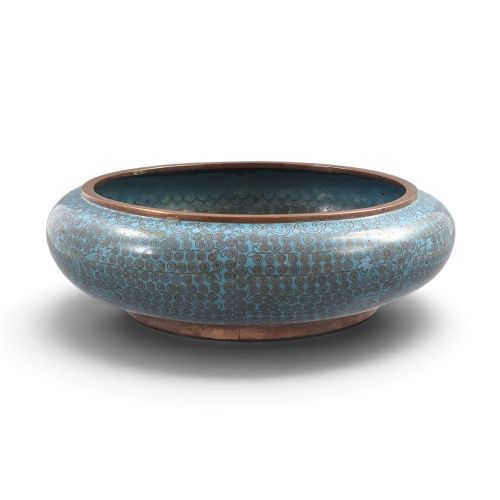
Many surfaces incorporate cloisonné enamel, verdigris finishes, or gilded metal elements to add colour and textural contrast. Artisans applied these decorative layers by hand, creating complex patterns and vibrant highlights that endure across generations.
Listings feature periods spanning the nineteenth century alongside items from the 1930s and 1950s.
What varies in quality
Quality in a traditional bronze vessel depends upon the crispness of the casting and the precision of any applied enamel work. Superior examples display sharply defined motifs, balanced proportions, and secure joins on handles or finials.
The integrity of the patina also influences the overall character, with intentional verdigris or aged surfaces adding depth rather than masking structural wear. Finer pieces maintain their original decorative elements, such as lids, handles, and matching bases, without clumsy replacement parts.
The Traditional Bronze Vessel Glossary
- Bronze
- A copper alloy typically containing tin, prized for its strength, corrosion resistance, and ability to take fine cast details. This metal develops a natural patina over time that enhances its visual depth.
- Cloisonné
- A technique where enamel paste is applied within compartments created by soldered wire strips on a metal base. Firing fuses the glass paste to the metal, producing colourful decorative patterns.
- Aftaba
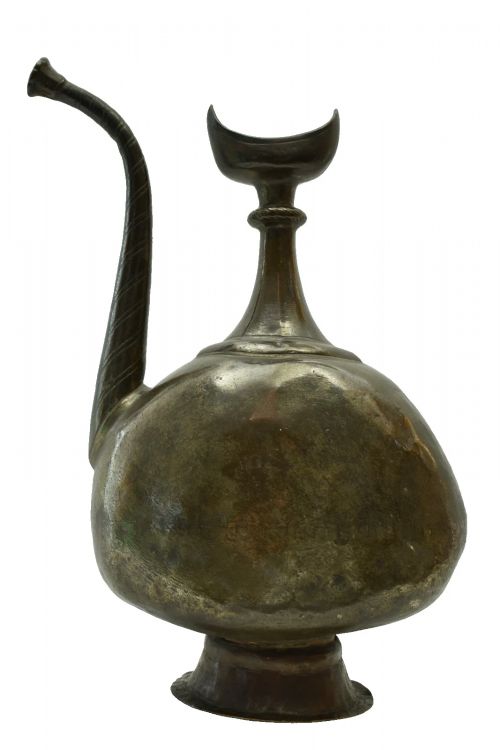
- A traditional metal ewer or pitcher used in Islamic and South Asian cultures primarily for ritual ablutions or hand-washing. These vessels often feature long spouts and distinctive finials.
- Jue
- An ancient style of Chinese ritual tripod wine vessel featuring distinctive pointed rims and small side posts. These forms reference much older bronzes while appearing in later revival periods.
- Usubata
- A specific type of Japanese bronze vase designed for flower arrangement, often featuring a broad basin and a distinct pedestal base. They are traditionally utilised in Ikebana displays.
- Patina
- The surface layer formed on metal through oxidation, handling, and age. Collectors value stable patinas for recording the history and authenticity of the object.
Traditional Bronze Vessel: Frequently Asked Questions
What is a traditional bronze vessel used for?
These pieces served diverse functions, ranging from ritual ceremonies and scholar pursuits to practical household tasks like grinding or pouring liquids.
Today, they primarily function as decorative objects, interior planters, or focal points in room displays due to their sculptural forms.
How do I care for bronze vessels?
Maintenance requires only gentle dusting with a soft cloth to protect the surface and preserve the existing patina. Avoid abrasive cleaners or metal polishes that strip away historical surface finishes.
How can I tell the period?
Dating relies upon examining casting methods, stylistic motifs, and material signatures characteristic of specific eras like the Edo period or Victorian times. Regional decoration styles also provide strong clues to an object's origin.
Are these pieces heavy?
Many examples are notably heavy because they were cast from solid bronze or thick copper alloys designed for durability. This substantial weight is often a good indicator of older manufacturing standards.