





Traditional British Landscape Picture
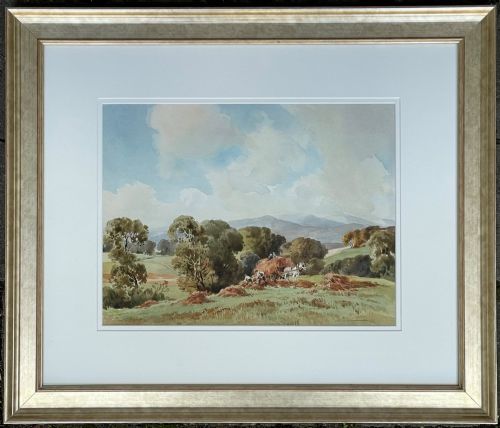
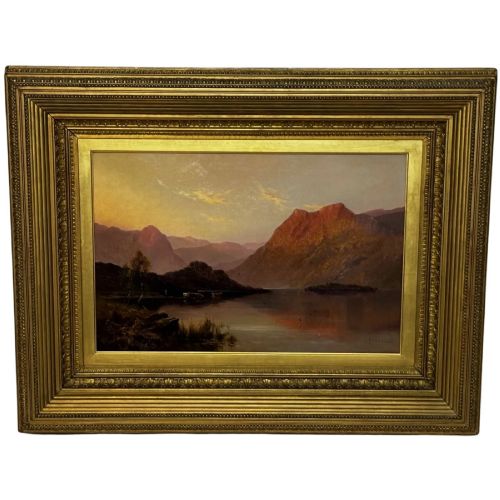
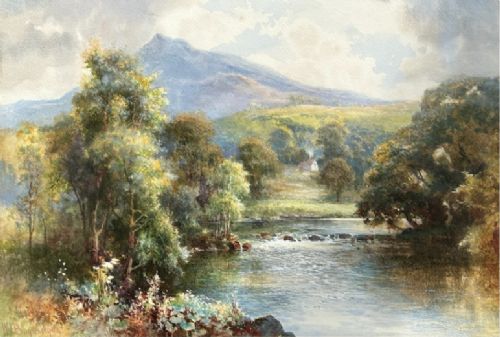
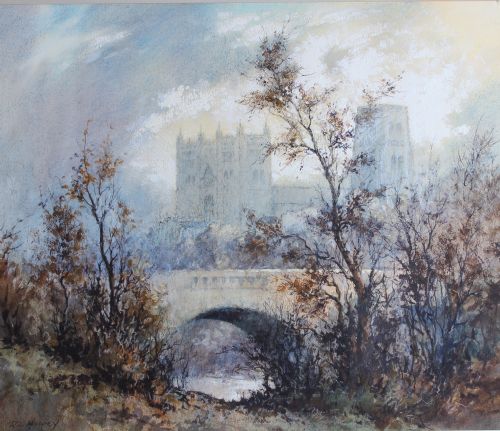
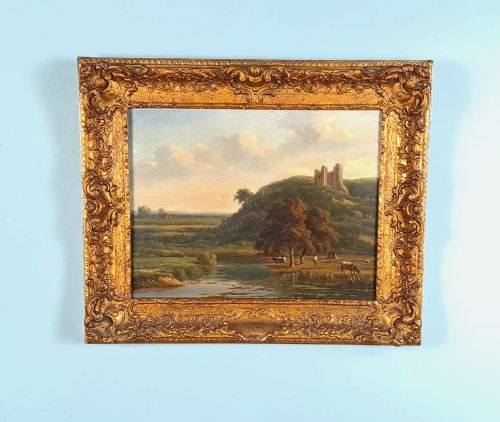
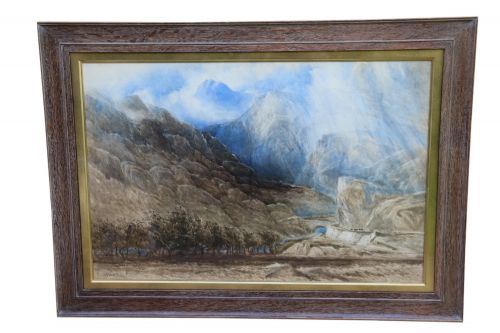
A traditional british landscape picture captures rural scenery through oil and watercolour, offering a direct view into the countryside.
Traditional British Landscape Picture
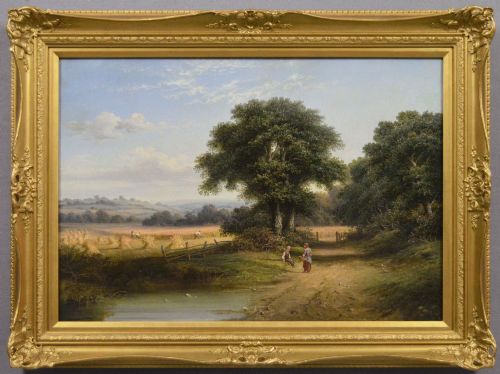
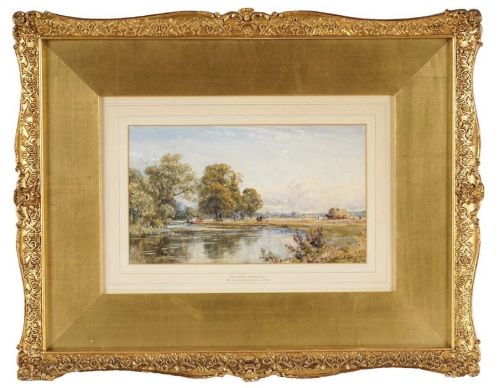
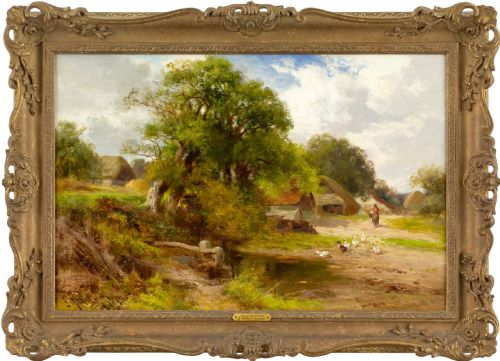
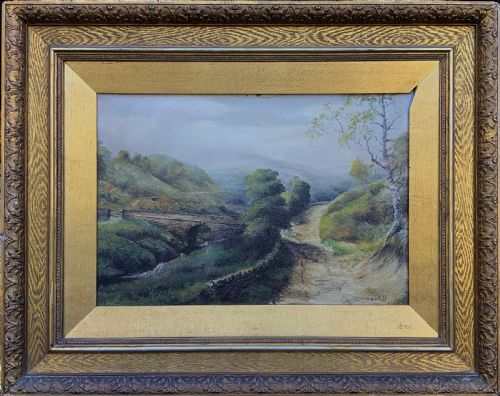
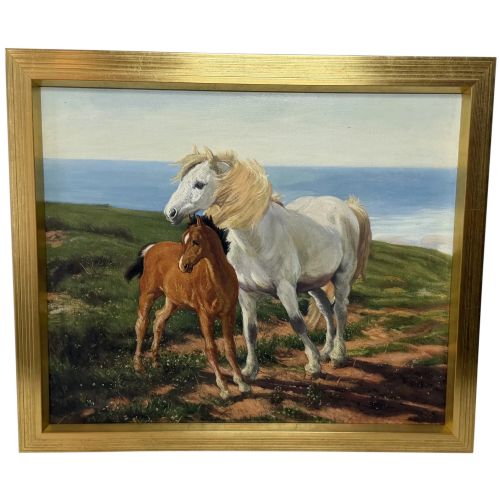
A traditional british landscape picture depicts countryside views, rivers, and coastal scenes created during the nineteenth and early twentieth centuries. These artworks record rural life, agricultural harvests, and natural topography across England, Wales, and Scotland.
The version most commonly met on this page is a nineteenth-century or Edwardian oil painting on canvas or panel, alongside watercolours on paper. Many examples focus on specific regional locations such as the Thames Valley, Welsh river valleys, and Yorkshire moors.
How They Were Made
Artists painted primarily using oil on canvas, oil on wood panel, or watercolour on paper, framed in giltwood or wood. These materials formed the standard foundation for landscape art throughout the Victorian and Edwardian periods.
Makers applied pigments with brushwork ranging from detailed realism to looser British impressionist touches. Works on paper typically relied on transparent watercolour washes, whereas panel and canvas paintings utilised heavier oil layers.
Listings feature works spanning the nineteenth century through the Edwardian period, utilising oil on canvas, panel, and watercolour on paper.
What Varies in Quality
Quality rests upon the artist's handling of light, atmospheric depth, and topographical accuracy within the scene. Superior works demonstrate confident brushwork and a balanced composition that brings vitality to foliage, water, and sky.
Materials and framing also distinguish individual pieces, as original giltwood frames and stable canvas supports preserve the physical integrity of the artwork. The specificity of the location and the reputation of the signed hand further separate standard works from exceptional examples.
William H Myers·Alfred Young Nutt·Percy Lancaster·William Howard Hardy·Alfred Fontville de Breanski Jr·Edward Mills·William Joseph Boyes·David Bates·Walter Heath Williams·Robert Thorne Waite·John Horace Hooper·Robert Leslie Howey·T C Hofland·Henry Martin Pope·William Greaves·David Cox·Charles Edward Wilson·Sydney Yates Johnson·A M Gauci·Hubert Wellington·Charles Walter Simpson·Henry Charles Fox·Robert Little·Fred Lawson·Henry John Yeend King
The Traditional British Landscape Picture Glossary
- Oil on Canvas
- A traditional painting medium where pigment mixed with drying oil is applied to stretched woven fabric. This technique allows for rich colour blending and textured brushwork.
- Watercolour
- A painting method where fine pigments are suspended in a water-soluble binder on paper. It produces translucent washes that capture changing light effects.
- Giltwood
- Wood that has been coated with a thin layer of gold leaf or metallic gilt paint. It is commonly found on antique picture frames.
- Panel
- A flat wooden support used as an alternative to canvas for oil paintings. Artists frequently utilised wood panels for smaller portable works.
- Victorian Pastoral
- An artistic style celebrating rural idylls, farming life, and peaceful countryside vistas. These compositions emphasise harmony between figures and nature.
Traditional British Landscape Picture: Frequently Asked Questions
What subjects appear in these landscapes?
These artworks depict rivers, coastal views, mountain passes, and agricultural harvest scenes across British regions. Many compositions include figures, livestock, or cottages nestled within rural settings.
Artists frequently recorded specific locations, ranging from Welsh valleys and Yorkshire moors to southern river paths.
How do oil and watercolour differ?
Oil paintings utilise pigment bound in drying oil on canvas or wood panel, creating dense layers and rich textures. Watercolours apply water-soluble pigments onto paper to achieve translucent, luminous effects.
Oils generally required heavier frames, while watercolours needed glass protection against moisture.
How should I hang a landscape?
Display these pictures away from direct sunlight and damp environments to protect the canvas, paper, and giltwood frames. Stable indoor wall locations prevent the wood panels and canvas from warping over time.
Matching the frame weight to your wall space ensures secure mounting for heavier nineteenth-century canvases.
How are periods identified?
Signatures, dates, and stylistic markers help place a work within nineteenth-century, Victorian, or Edwardian eras. Subject matter and framing techniques also offer clues regarding the decade of creation.
Examine the reverse of the panel or canvas for historical inscriptions and artist labels.