

Traditional Brass Stands
Traditional brass stands bring heavy utility and warm metal tones to a room, spanning floor lamps, umbrella holders and desk accessories.
Traditional Brass Stands
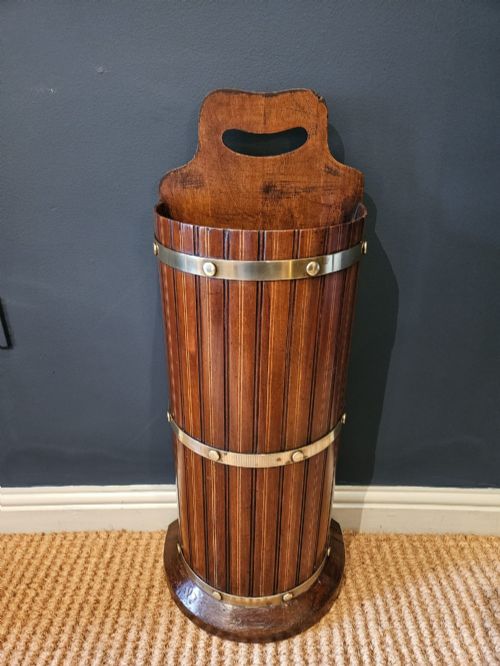
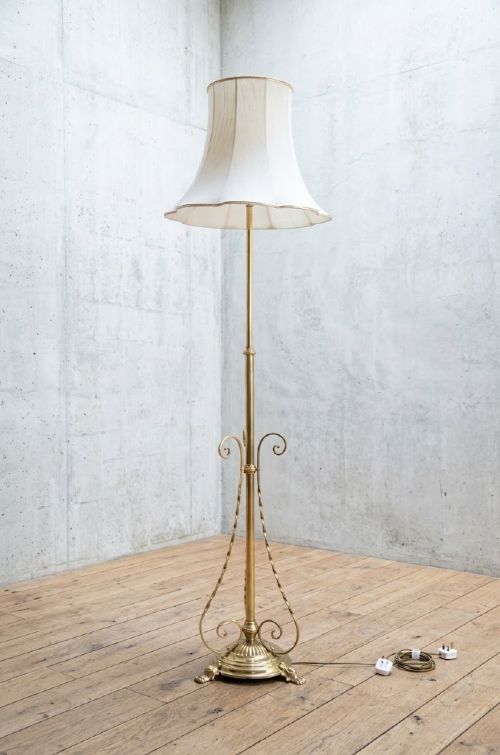
Traditional brass stands cover several distinct functional forms, most frequently appearing as floor lamps, standard oil lamps, and umbrella or stick holders. Buyers searching for traditional brass stands will encounter pieces ranging from Victorian adjustable lighting to early twentieth century demi-lune umbrella holders.
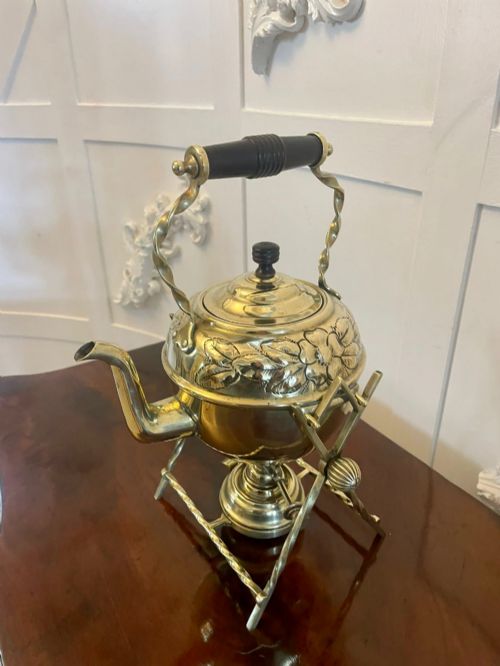
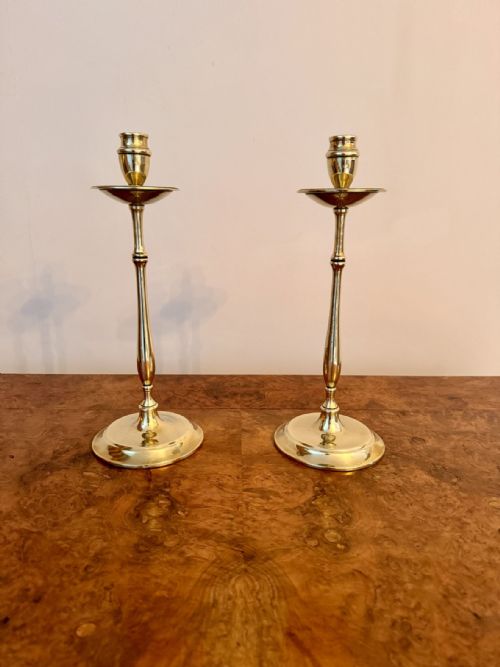
The materials paired with brass in these items include cast iron, oak, and mahogany, often anchoring tall vertical shafts or supporting heavy frames. Candlesticks and desk bells also feature among the heavier metal configurations seen in these listings.
How they were made
Maker construction relies on heavy castings, seamed brass sheets, and patinated finishes, frequently combined with structural iron bases for stability. Standard lamps and floor lighting utilise adjustable mechanisms, while umbrella stands incorporate bounded wooden barrels or cast metal frames.
Makers shaped the metal through casting and hammering, pairing polished surfaces with darker patinated sections. The integration of wood such as oak and mahogany provides structural support for metal fittings and desk accessories.
Listings span the Georgian, Victorian, and Edwardian periods, featuring materials such as brass, cast iron, oak, and mahogany.
What varies in quality
Quality rests on the weight of the casting and the crispness of the turning or assembly, separating mass-produced utility items from finer workshop pieces. Better examples display careful seaming, solid structural joints in any supporting wood, and robust adjustable fittings that retain their position securely.
The richness of the metal patina and the integrity of combined materials like cast iron or mahogany dictate the overall standard. Pieces with complex functional elements, such as adjustable oil lamp mechanisms or heavy floor lighting frames, demonstrate higher initial craftsmanship.
James Hendrie Falkirk·James McCabe·Winsor Bishop Norwich
The Traditional Brass Stands Glossary
- Brass
- An alloy of copper and zinc known for its bright golden appearance and durability. It forms the primary structural and decorative component for these stands.
- Patina
- The surface sheen and colour acquired by metal or wood through age and use. Natural patination indicates unpolished or gently aged surfaces.
- Demi-lune
- Half-moon shape in furniture and stand design. This profile allows umbrella and stick stands to sit flush against a hallway wall.
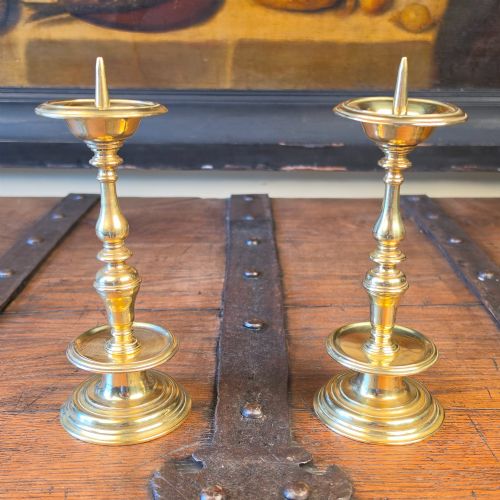
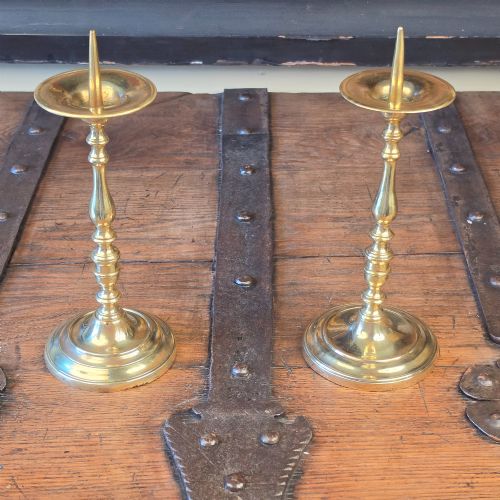
- Pricket candlestick
- A candlestick featuring a sharp metal spike to hold a candle in place rather than a socket. These often appear in revival styles.
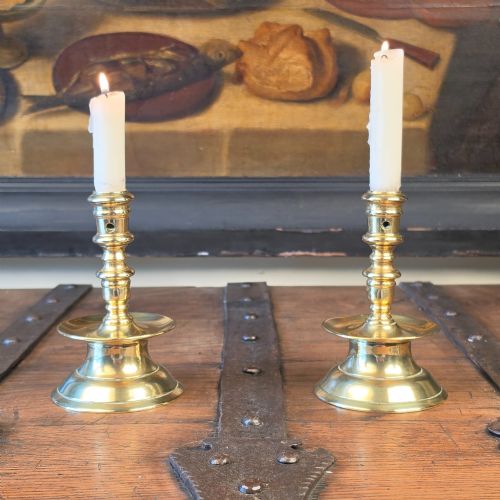
- Ejector candlestick
- A candlestick fitted with an internal mechanism to push out the remaining candle stub. This technique aids in cleaning and maintenance.
Traditional Brass Stands: Frequently Asked Questions
What are traditional brass stands used for?
These items serve practical roles as umbrella holders, floor lighting, and desk accessories in domestic interiors. Their sturdy metal construction is suited for everyday hallways and living spaces.
They combine utility with decorative metalwork, functioning equally well as active furnishings or period display pieces.
How do I date a brass standard lamp?
Dating relies on observing the switch mechanisms, base weights, and overall style characteristics such as Arts and Crafts or Art Nouveau detailing. Victorian and Edwardian examples often feature adjustable height columns and heavier cast iron sub-bases.
Comparing the manufacturing techniques, such as seaming or casting marks, helps narrow down the production era.
How do I clean a brass stand?
Maintenance involves gentle dusting and occasional cleaning with appropriate metal care products depending on the desired finish. Preserving the dark or patinated surface is often preferable to achieving a bright polish.
Harsh chemical cleaners can strip historical patination and diminish the visual depth of the metal.
Where should I place a stick stand?
Umbrella and walking stick stands fit naturally in entrance halls, porches, and boot rooms where wet weather gear is stored. Their compact footprints, such as demi-lune shapes, allow them to occupy narrow wall spaces.
Positioning them away from direct moisture helps protect any integrated wooden elements like oak or mahogany.