


Traditional Brass Light Stands
Traditional brass light stands bridge functional illumination and period design, offering robust metal columns and adjustable heights that anchor domestic spaces.

Traditional Brass Light Stands
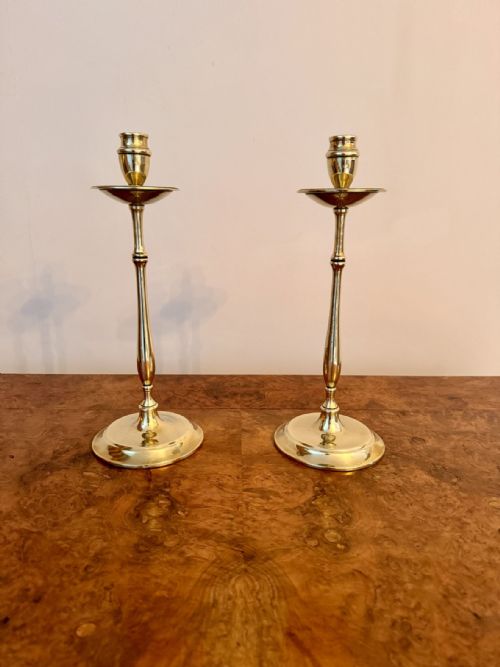
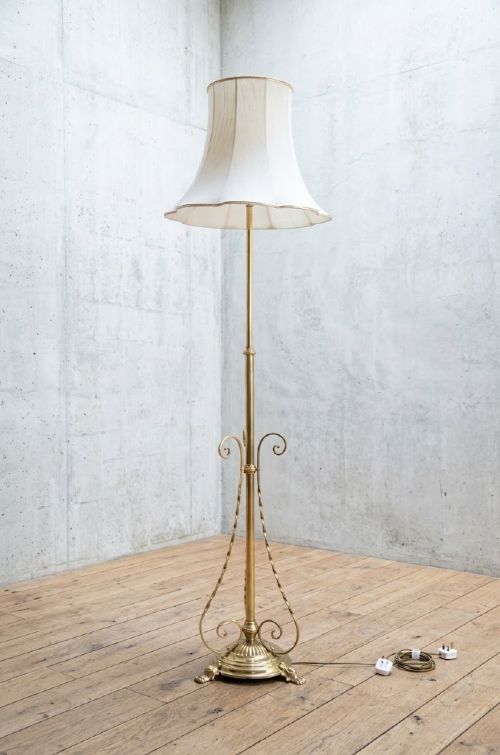
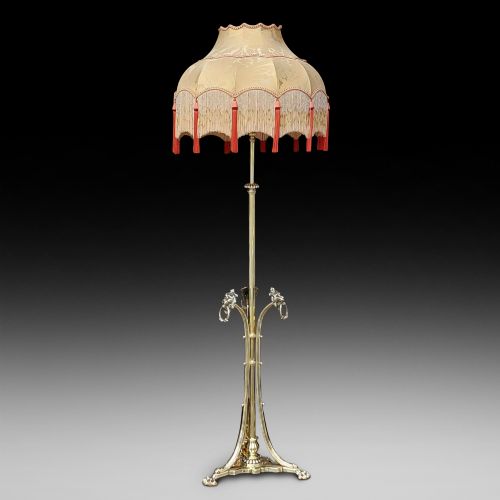
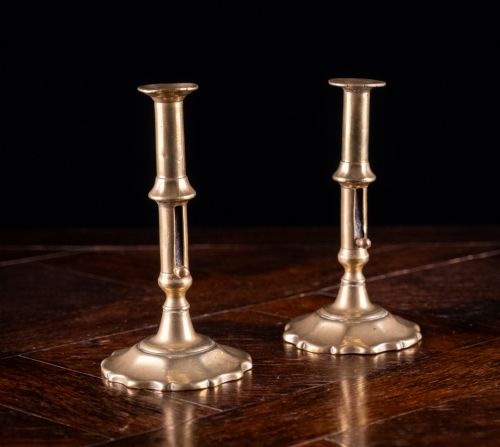
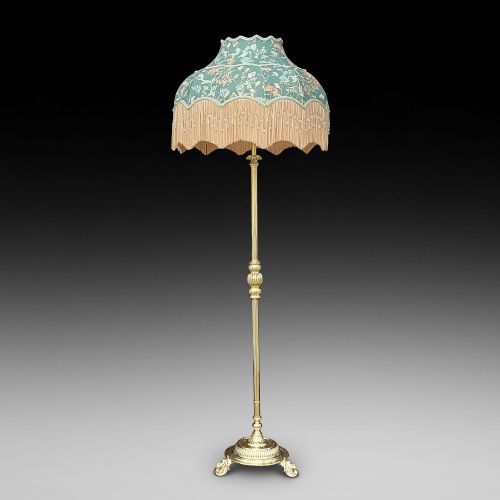
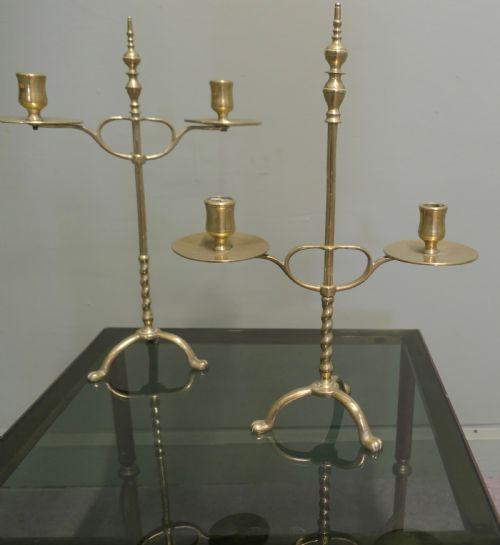
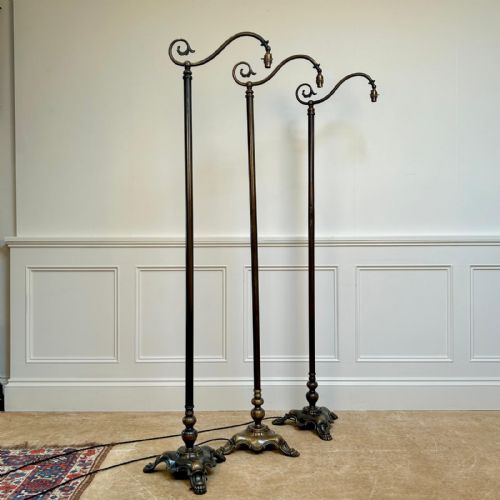
Traditional brass light stands encompass both towering floor lamps and smaller table models, all falling under the broader heading of traditional brass light stands. Buyers encounter varied forms ranging from towering standard lamps designed for reading to diminutive desk candlesticks.
The selection includes tall church standards alongside domestic floor lamps, often equipped with height adjustment mechanisms. Examples stretch from Georgian iterations through Victorian and Edwardian periods.
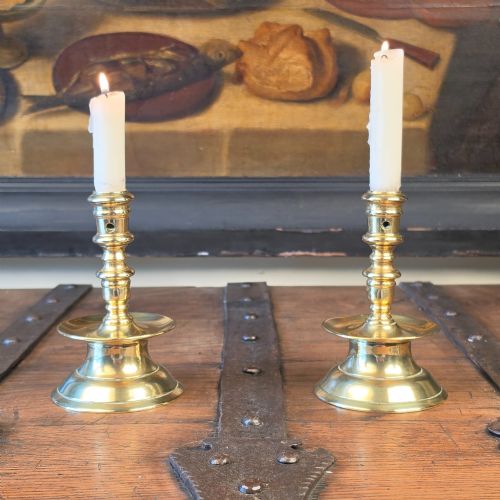
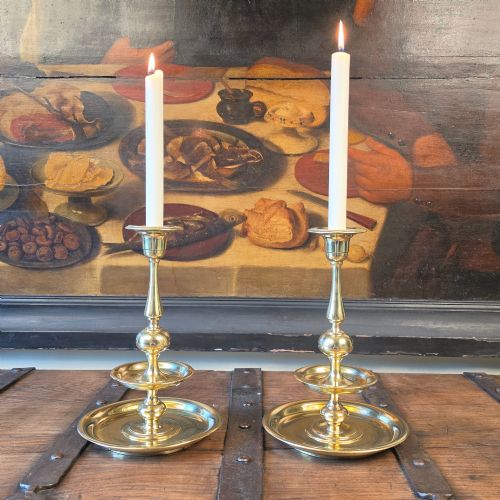
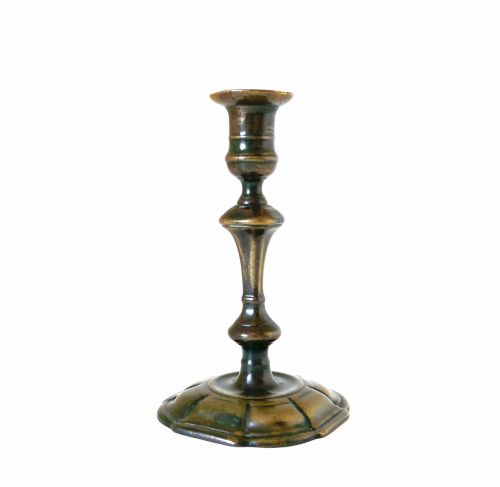
Candlesticks and oil lamp conversions sit alongside standard lamps, frequently paired with fabric shades in silk or cotton. These objects reflect centuries of interior lighting evolution in brass, oak and mahogany.
Materials and construction methods
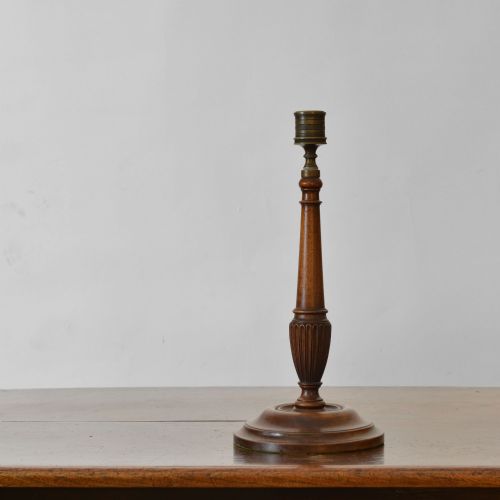
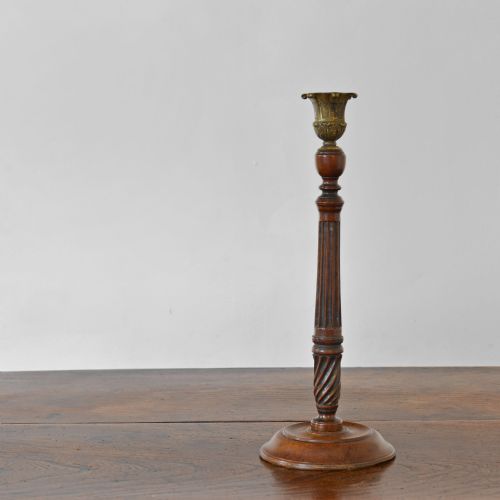
Makers utilised cast and patinated brass alongside solid timber shafts in oak or mahogany. Heavy brass components provided stability for tall columns, while seamed construction techniques marked earlier production.
Adjustable shafts relied on internal mechanisms and keys to raise and lower the light source. Surfaces received varying patination treatments, ranging from bright polished finishes to darkened, aged tones.
Materials documented in current stock include cast brass, patinated brass, oak, mahogany, silk and fabric.
Assessing construction standards
Quality rests upon the weight of the metal casting and the integrity of any height-adjustment fittings. Heavy, solid brass bases ensure stability, whereas lighter pieces risk tipping when extended.
Detailing on columns, such as barley twist turns or neoclassical fluting, distinguishes standard production from finer workshop output. The retention of original patination and intact mechanical components signals superior preservation.
J.T. & Co
The Traditional Brass Light Stands Glossary
- Standard lamp
- A tall floor-standing lamp designed to illuminate a room from a corner or beside seating. These often feature adjustable heights and heavy weighted bases.
- Ejector candlestick
- A candlestick fitted with an internal internal stem or slide to push out the remaining candle stump. This mechanism simplifies the removal of burnt wax.
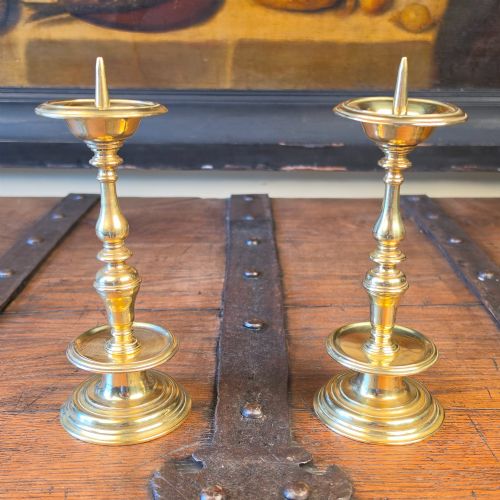
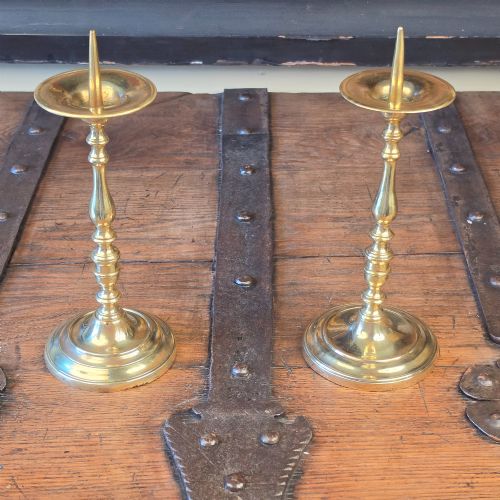
- Pricket candlestick
- A candlestick that holds a candle upon a sharp metal spike rather than inside a socket. These frequently appear in ecclesiastical contexts.
- Patination
- The natural surface ageing and oxidation acquired by metal over decades of exposure to air and handling. Collectors value original patination for its historical depth.
Traditional Brass Light Stands: Frequently Asked Questions
How do I adjust the height safely?
Adjustable models usually incorporate a sliding mechanism secured by a thumbscrew or key on the column. Loosen the fitting gently while supporting the upper shaft to prevent sudden drops.
Ensure the power is disconnected if the lamp has been electrified before altering the height or moving heavy standard lamps.
Can these old lamps take modern bulbs?
Many standard lamps and floor lamps have been rewired for modern safety standards and standard bulb fittings. A professional electrician can inspect older internal wiring to ensure compatibility.
Original oil lamp conversions may require specific adapter fittings to house modern lamp holders without altering historic metalwork.
How should I clean polished brass?
Dust the metal regularly with a soft, dry cloth to prevent the accumulation of grime. Avoid harsh chemical cleaners that strip away historic patination.
If polishing is necessary, use a mild brass cleaner applied sparingly with a cloth, taking care to avoid fabric shades or wooden components.
Are these pieces heavy to move?
Standard lamps and floor lamps often feature heavy cast brass or iron bases to ensure stability during use. This weight makes them sturdy but requires care when shifting locations.
Lift the stand from the lower section of the shaft rather than the top or decorative arms to protect internal adjustment mechanisms.