




Oriental Lacquered Table Lamps
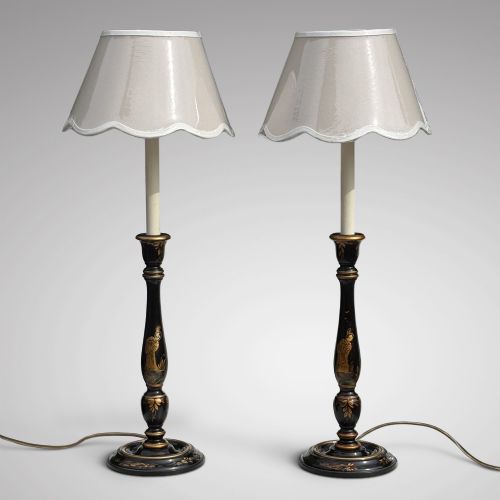
Oriental lacquered table lamps bring rich hand-painted detail and glossy finishes to an interior, drawing on diverse stylistic traditions from the nineteenth and early twentieth centuries.
Oriental Lacquered Table Lamps
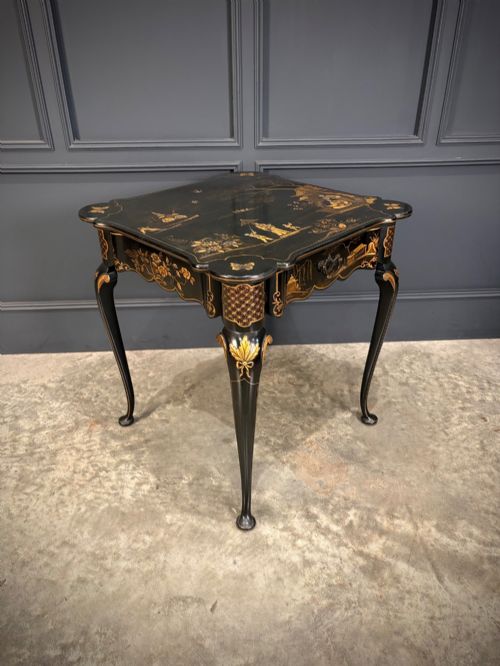
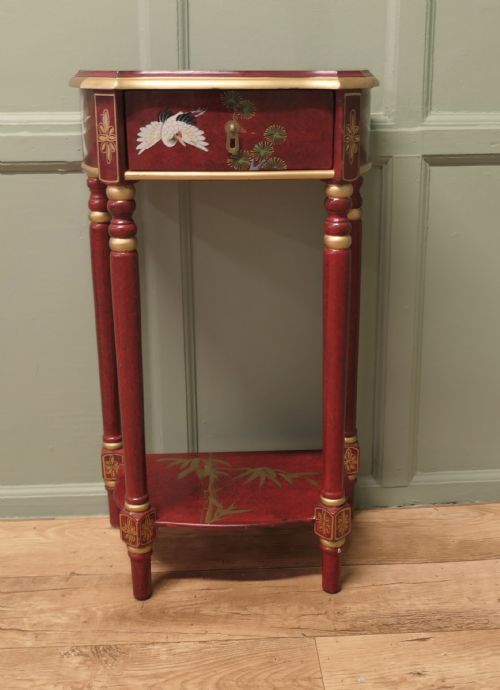
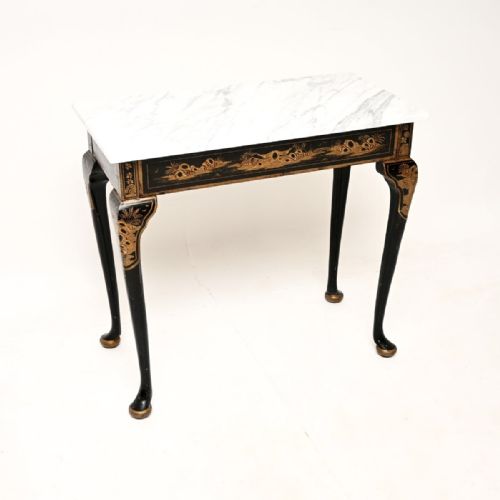
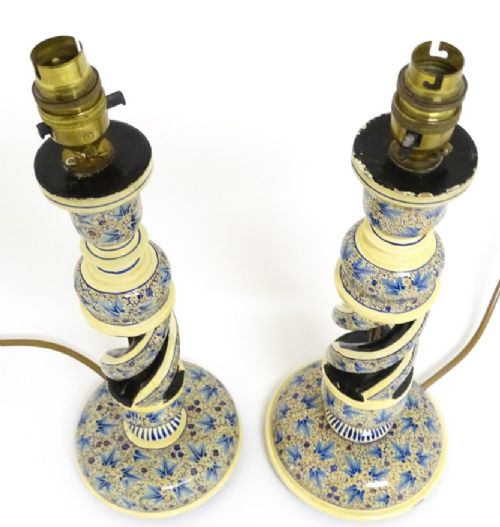
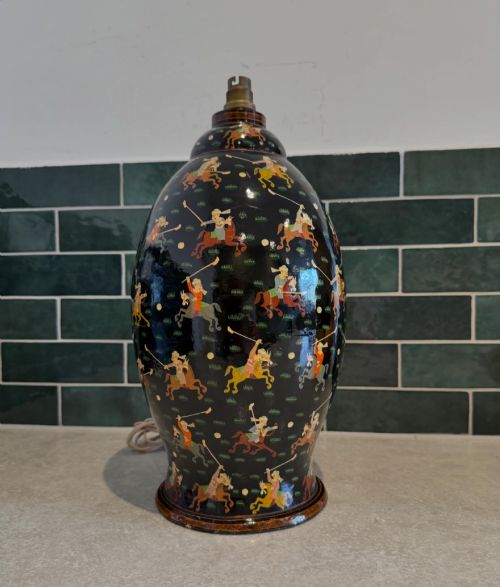
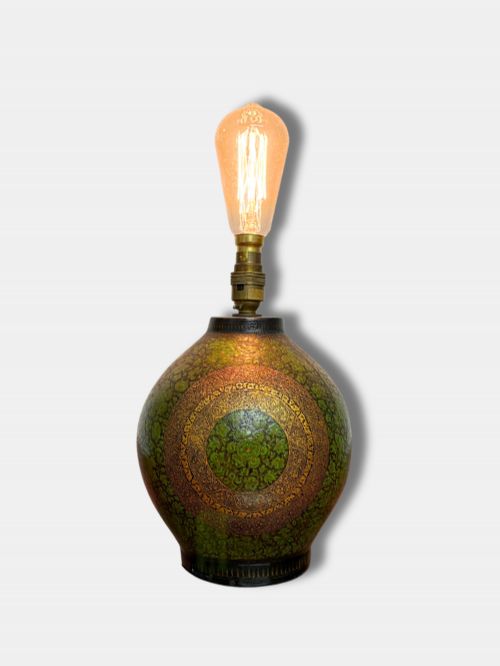
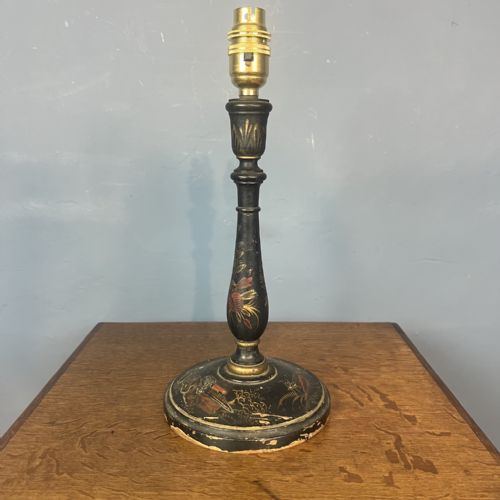
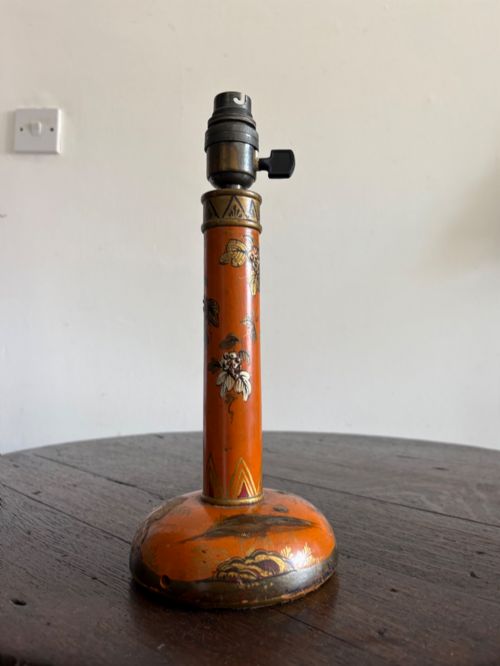
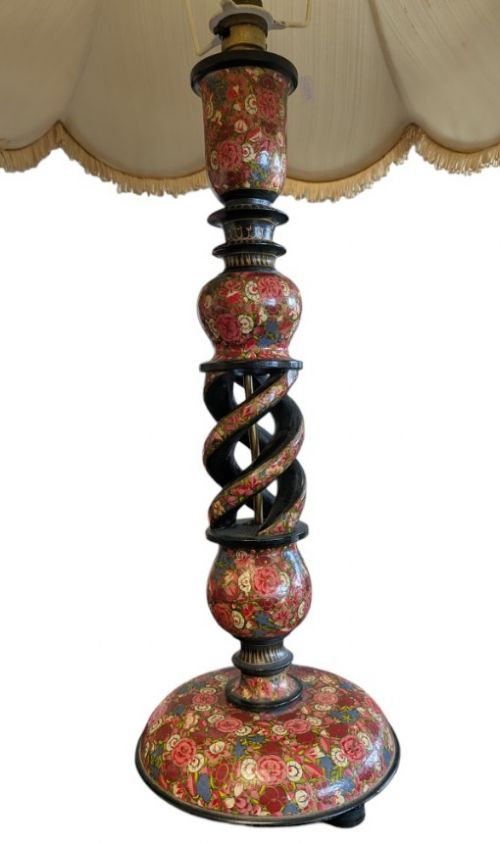
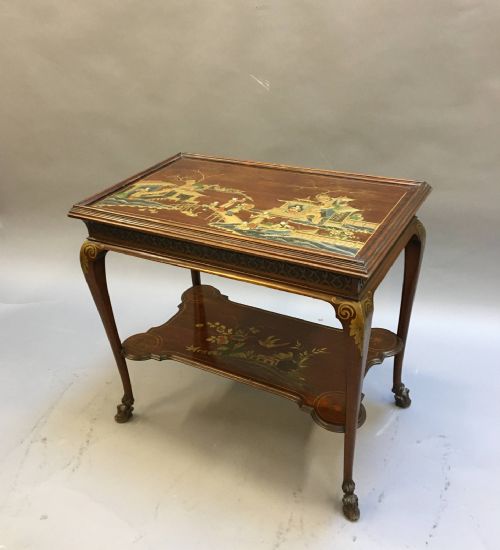
When you search for oriental lacquered table lamps, you encounter pieces spanning from the Victorian era through the Edwardian period and the 1920s and 1930s. The selection on this page shows a strong representation of Kashmiri and Chinoiserie designs, alongside related forms like side tables adapted for lighting.
The objects take various physical shapes, including converted tea canisters and column lamp holders, often finished with hand-painted motifs. Many items originate from the early twentieth century, particularly the 1920s and 1930s, reflecting an enduring taste for exotic decorative arts in British homes.
Materials and construction
Construction relies heavily on lacquered wood, papier-mâché, and bamboo, frequently accented with gilt gold, brass, and gold leaf. Artisans applied layers of lacquer to wooden or paper bases before executing detailed hand-painted scenes.
Surface decoration often incorporates traditional Chinoiserie or Kashmiri folk art motifs rendered in contrasting pigments. Bases and fittings commonly incorporate brass elements to support electrical wiring.
Listings feature items spanning from the 1860s through the 1930s, encompassing Chinoiserie, Kashmiri, and Aesthetic Movement styles.
Assessing quality
Quality reveals itself in the depth of the lacquer finish and the precision of the hand-painted details. Superior pieces display complex, multi-layered decoration with crisp linework and well-preserved metallic leaf.
The integrity of the underlying material, whether solid wood, papier-mâché or bamboo, dictates the durability and tactile appeal of the object. Consideration also applies to how successfully older forms, such as tea canisters, integrate with modern electrical fittings.
The Oriental Lacquered Table Lamps Glossary
- Chinoiserie
- European decorative style reflecting Chinese artistic influences, characterised by painted landscapes, figures, and pavilions on lacquered surfaces.
- Kashmiri
- Pertaining to decorative arts from Kashmir, notably papier-mâché and wood pieces featuring intricate hand-painted floral and botanical patterns.
- Japanned
- European imitation of East Asian lacquerwork, created by applying successive layers of varnish and heat-curing the finish.
- Toleware
- Painted or enamelled metalware, frequently finished in black lacquer with gilt highlights to resemble Asian export lacquer.
- Aesthetic Movement
- Nineteenth-century design movement that emphasised visual beauty and incorporated Japanese artistic motifs into furniture and decorative objects.
Oriental Lacquered Table Lamps: Frequently Asked Questions
What is the difference between Chinoiserie and Kashmiri lamps?
Chinoiserie lamps typically display European interpretations of Chinese motifs, featuring figures, pagodas, and landscapes painted in gold on a black or coloured lacquer ground. Kashmiri pieces generally derive from Indian artisan traditions and focus heavily on intricate, colourful floral patterns.
Kashmiri items frequently employ papier-mâché as a core material, whereas Chinoiserie examples more commonly use lacquered wood or adapted containers like tea canisters.
Are these lamps safely wired for modern use?
Many antique lamps arrive with modern rewiring, though some retain older cords that require professional replacement to meet current safety standards. It is standard practice to have an electrician check antique lighting before regular domestic use.
Checking the internal fittings ensures that the lamp body remains protected from heat and tension exerted by modern bulbs and plugs.
Where should I place a lacquered table lamp?
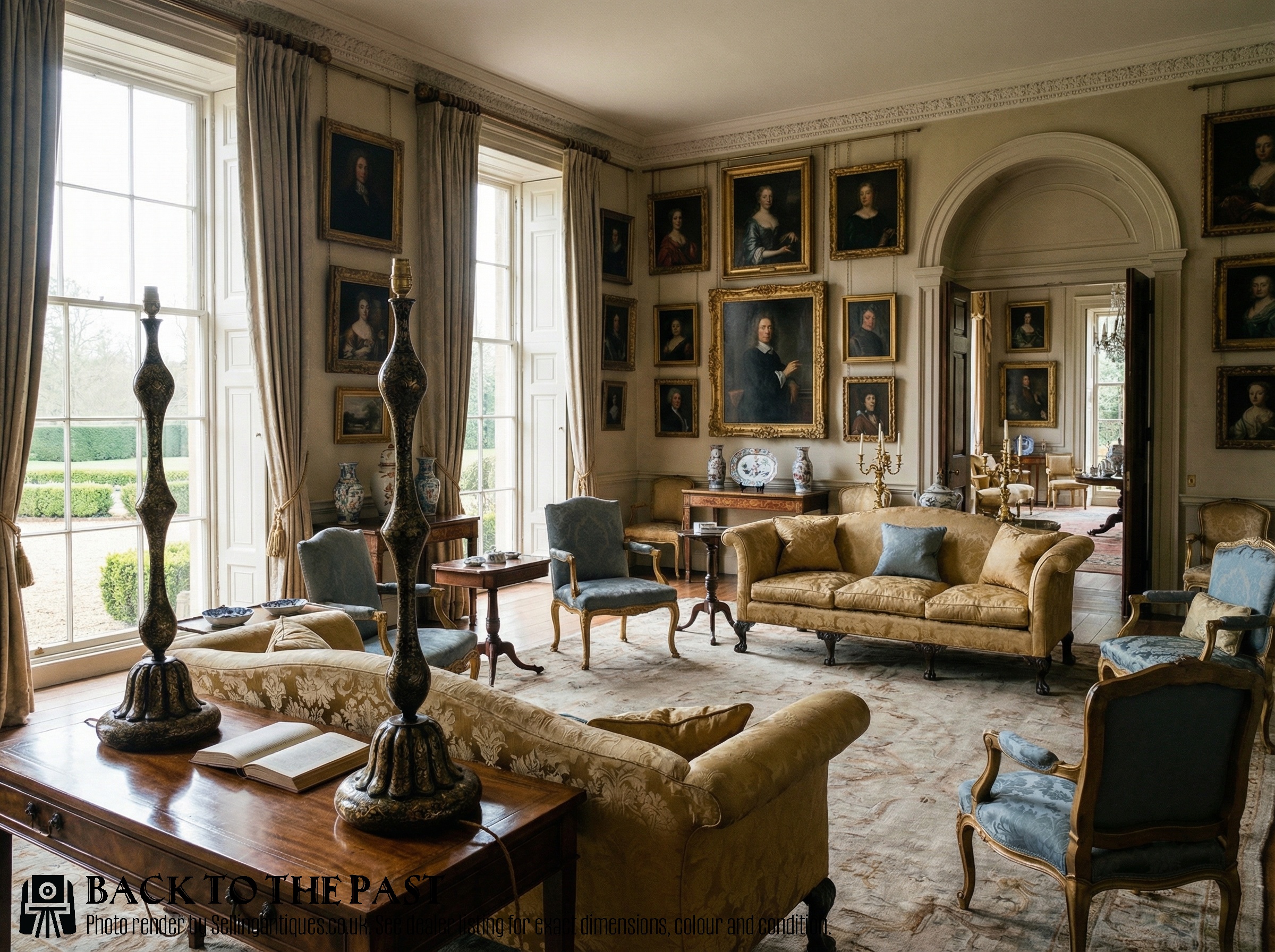
These lamps suit side tables, cabinets, and occasional furniture where the glossy finish and painted details catch ambient light. Pairing them with complementary surfaces like bamboo or dark wood furniture enhances the oriental aesthetic.
Placing them away from direct, harsh sunlight preserves the delicate lacquer and gold leaf over time.