


Black Brass Table Lamp
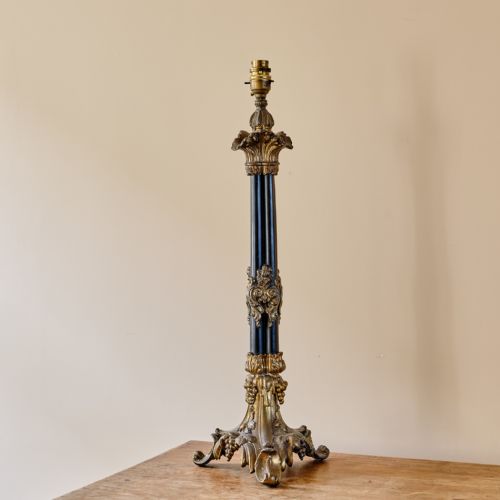
A black brass table lamp brings weight and contrast to a room, grounding a corner with dark metal and bright fittings.
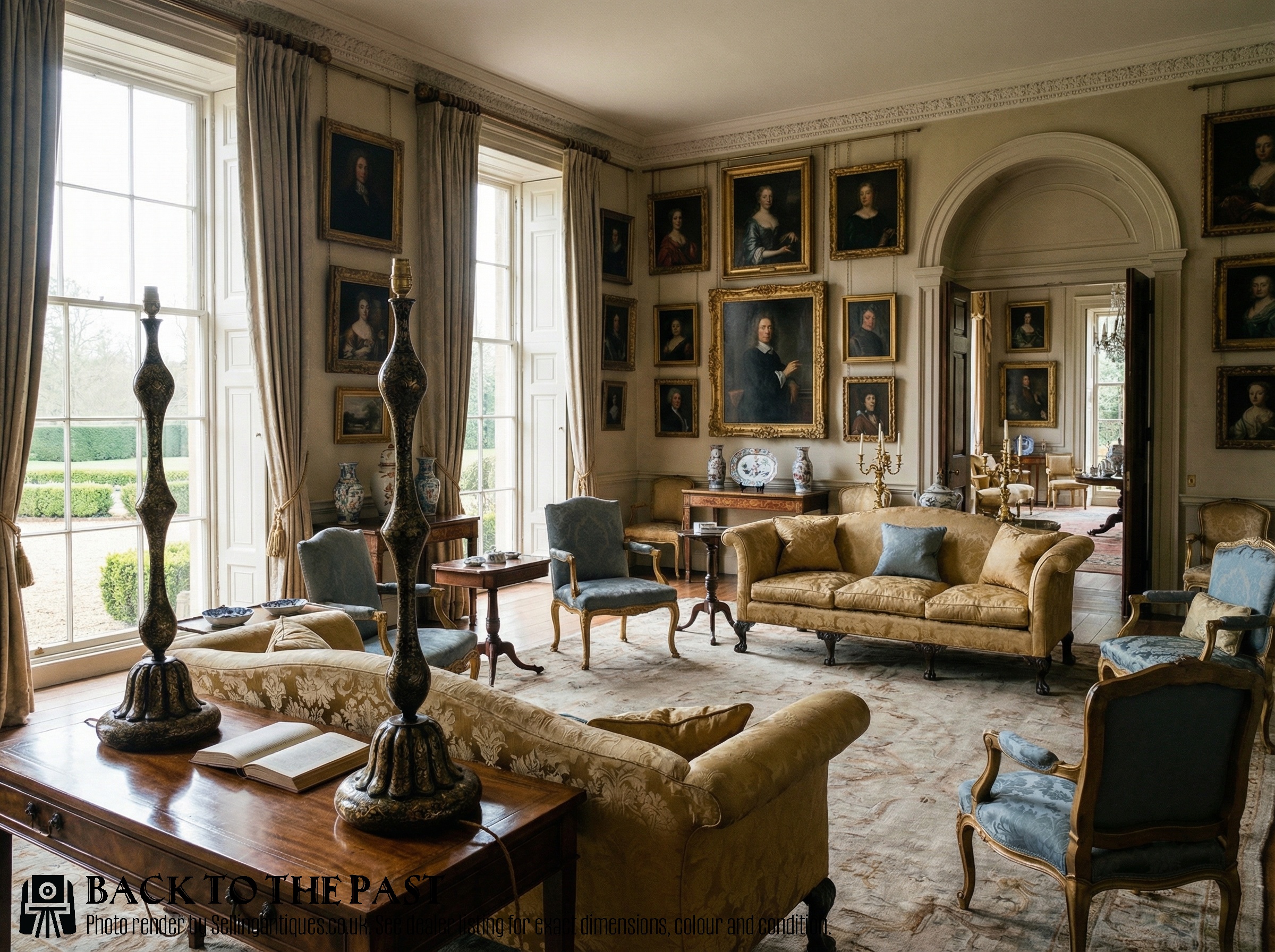
Black Brass Table Lamp
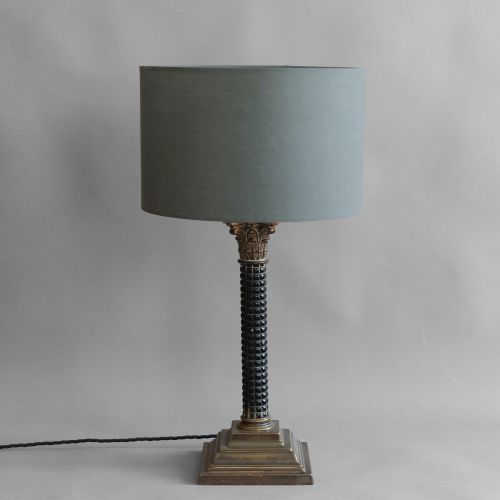
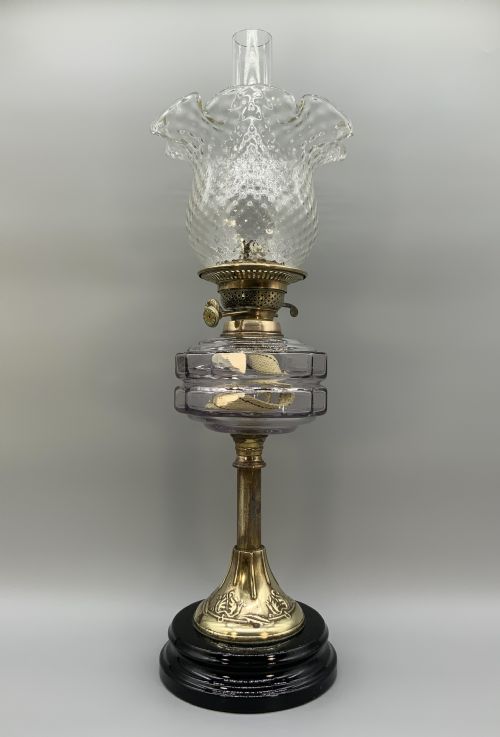
A black brass table lamp combines dark metallic finishes with traditional forms ranging from oil lamps to classical columns. Buyers searching this phrase encounter pieces spanning the nineteenth century through the interwar decades, with Victorian and Edwardian examples appearing frequently.
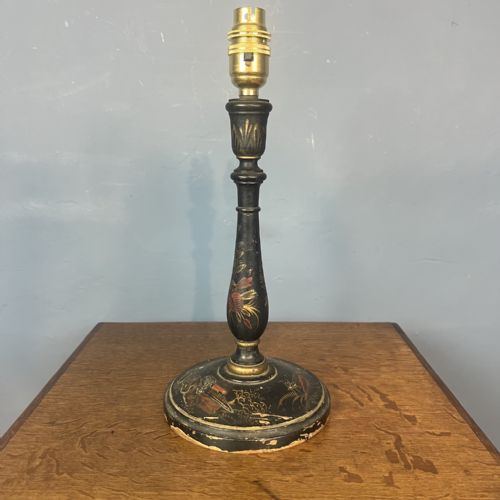
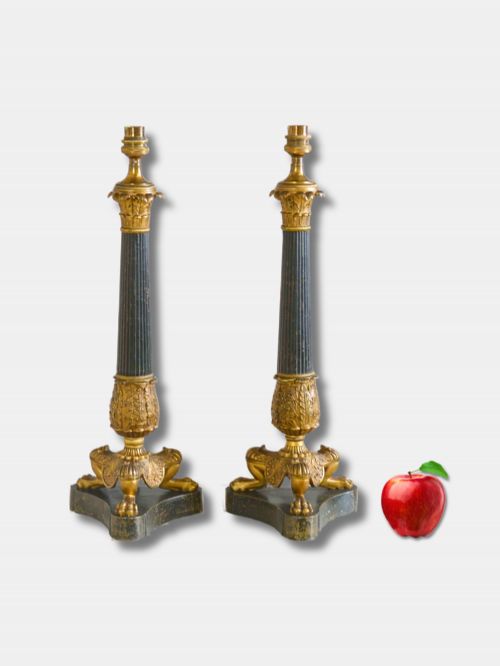
Many items begin life as oil lamps, toleware, or ship's gimbal lights before undergoing conversion to electric operation. The selection includes French Empire designs, Chinoiserie lacquer work, and heavy cast metal bases paired with fabric shades.
How they were made
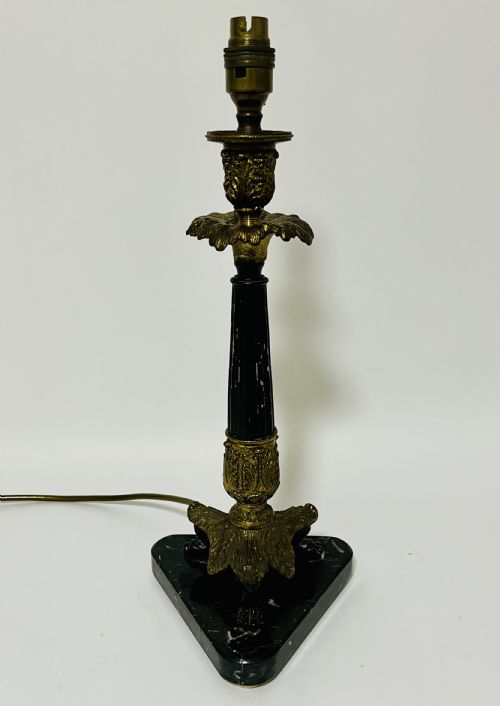
Maker's workshops utilise brass, ormolu, and gilt bronze, often combining them with marble bases, ceramic bodies, or ebonised wood to achieve visual contrast. Toleware and metal components receive black paint or enamel finishes, frequently highlighted with gold lacquer or gilding.
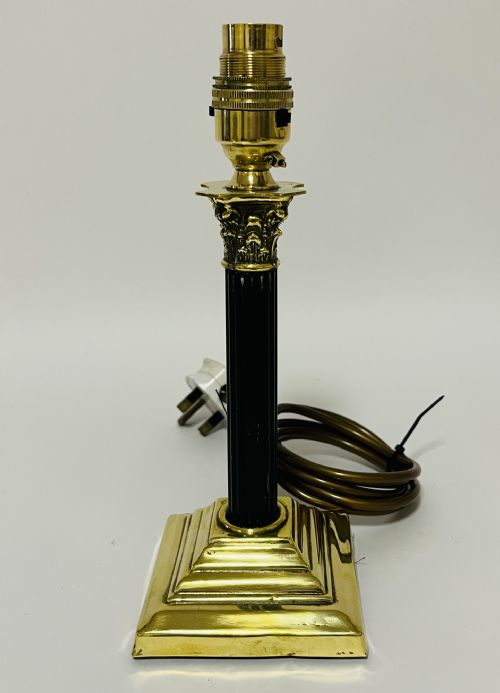
Construction methods involve heavy casting, turning, and hand-assembly, particularly in column lamps, bouillotte lamps, and naval gimbal lights. Wiring and electrical components represent later adaptations to nineteenth and early twentieth-century oil lamps and candelabra.
Listings feature materials including brass, ormolu, marble, ceramic, gilt bronze, ebonised wood, metal, and fabric.
What varies in quality
The standard of a black brass table lamp depends on the crispness of the metalcasting and the integrity of the original surface finish. Finer pieces display sharply defined enrichment on columns, paw feet, and mounts without soft edges from worn moulds.
Material combination also distinguishes the tier of execution, where genuine marble plinths, hand-painted toleware, and heavy gauge brass outclass lighter plated substitutes. The depth of the ebonisation or black enamel and the preservation of original gilding dictate overall visual presence.
The Black Brass Table Lamp Glossary
- Toleware
- Painted or lacquered sheet metal items, often finished in black with gold details. This technique appears frequently on French bouillotte lamps and desk lighting.
- Gimbal
- A ring mechanism allowing a lamp or light to stay level despite movement. These fittings are common on ship's lights and naval pieces.
- Ormolu
- Gilt bronze or brass mounts applied to decorative objects and furniture. The finish requires skilled mercury gilding or modern electroplating.
- Bouillotte lamp
- An adjustable shade lamp with a central column and multiple branches. They traditionally served card players during the game of bouillotte.
- Etagere
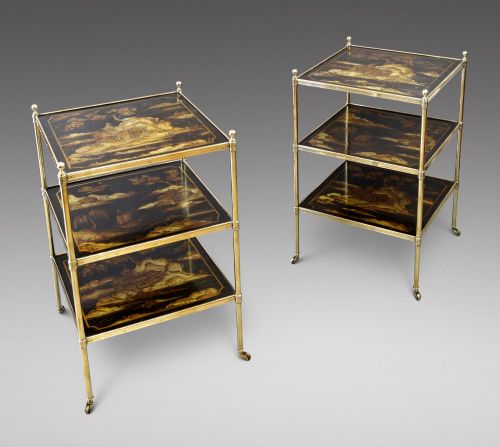
- A set of open shelves for displaying small objects. These occasionally incorporate brass framing and dark wood or marble tiers.
Black Brass Table Lamp: Frequently Asked Questions
Are these lamps safe to use?
Many older pieces have undergone rewiring and electrical testing to meet modern standards. Conversions from oil lamps retain their original metal bodies while updating the internal wiring.
Buyers should inspect the lampholder and cord to confirm they suit domestic circuits. Professional PAT testing provides additional reassurance for vintage lighting.
How do I clean black brass?
Dusting with a dry microfibre cloth protects the dark finish and prevents buildup on detailed casting. Avoid harsh metal polishes that can strip black enamel or remove patination.
For gilt brass or ormolu sections, gentle wiping keeps the metal bright without damaging adjacent painted surfaces.
Can I replace the lampshade?
Shades can be swapped to match your interior scheme, provided the fitting matches the harp or shade carrier. Traditional bouillotte and column lamps often require specific ring sizes.
Original shades are uncommon on nineteenth-century pieces, so contemporary fabric replacements are standard practice.
How do I date a lamp?
Dating relies on stylistic clues such as neoclassical columns, Art Nouveau curves, or Victorian oil burner mechanisms. Materials like marble bases and ebonised wood also point to specific manufacturing eras.
Construction marks, screw types, and conversion evidence help narrow the decade of production.