


Traditional Brass Lamp Base
A traditional brass lamp base anchors a room with steady metalwork, offering the warmth of period lighting for everyday tables and reading corners.
Traditional Brass Lamp Base
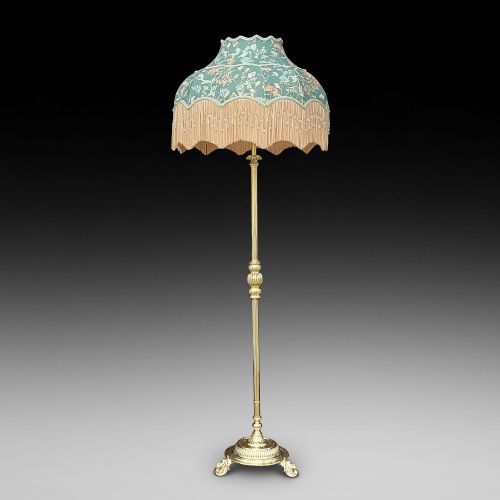
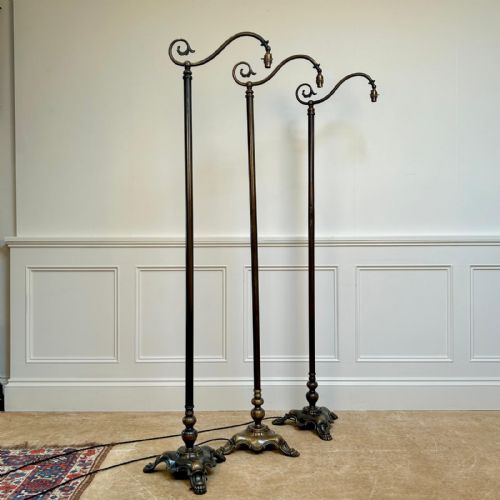
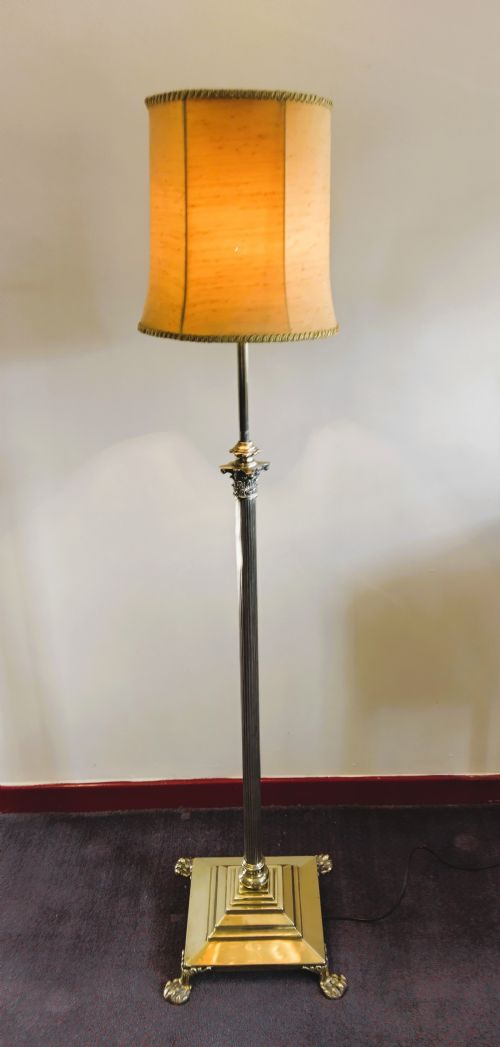
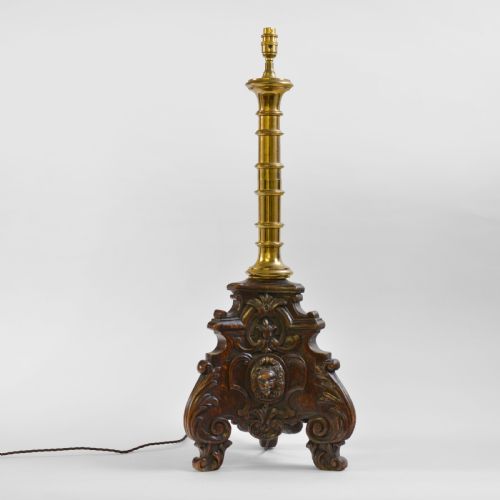
When you search for a traditional brass lamp base, you are looking at metal lighting fixtures spanning the Victorian, Edwardian and early twentieth-century periods. These range from heavy floor-standing standards to modest table pieces.
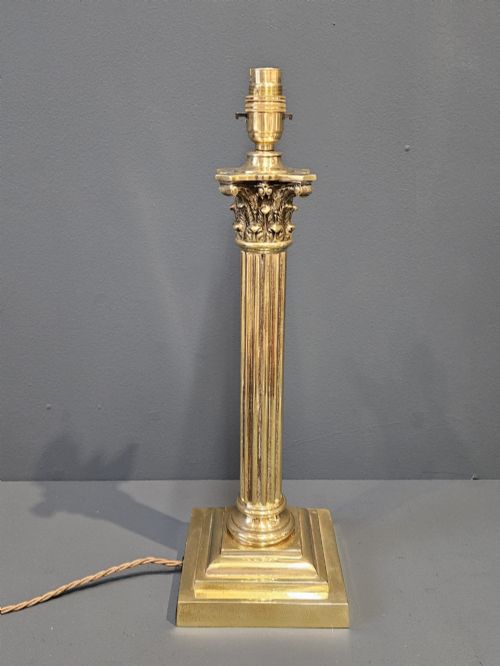
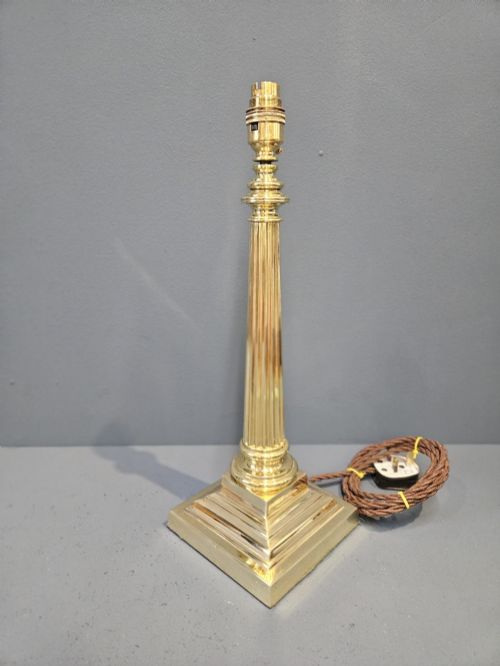
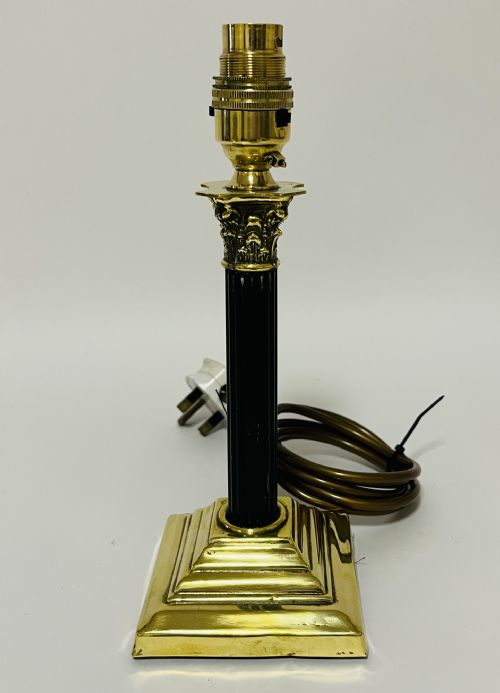
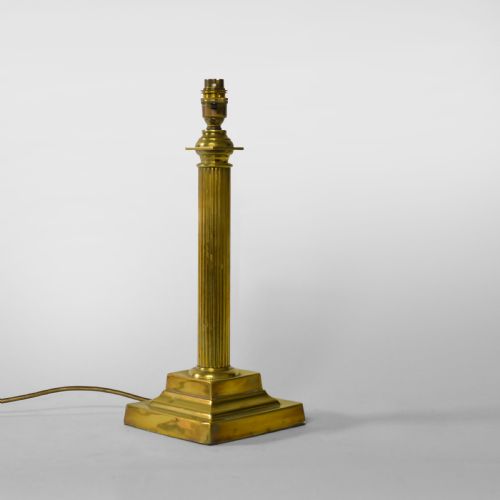
The most common examples on this page are columnar forms, particularly Corinthian and ionic column table lamps from the Victorian era. You will also find converted oil lamps, rewired standard lamps and occasional barley twist designs.
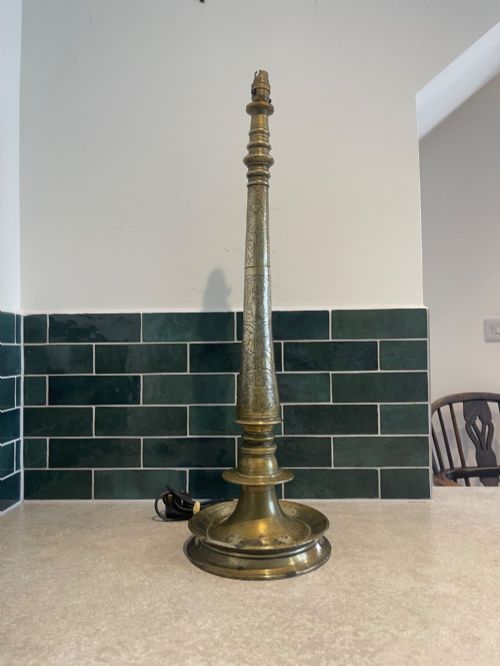
Origins vary from English workshops to continental and Anglo-Indian makers, using classical architectural orders adapted for domestic electric or oil lighting over the decades.
Materials and construction methods
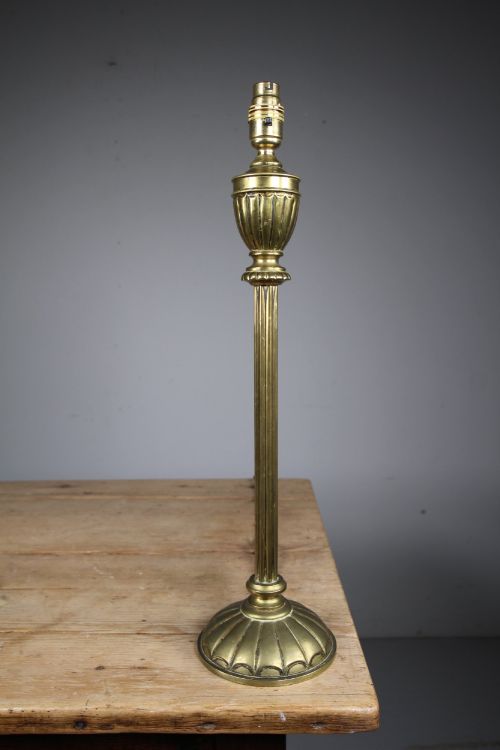
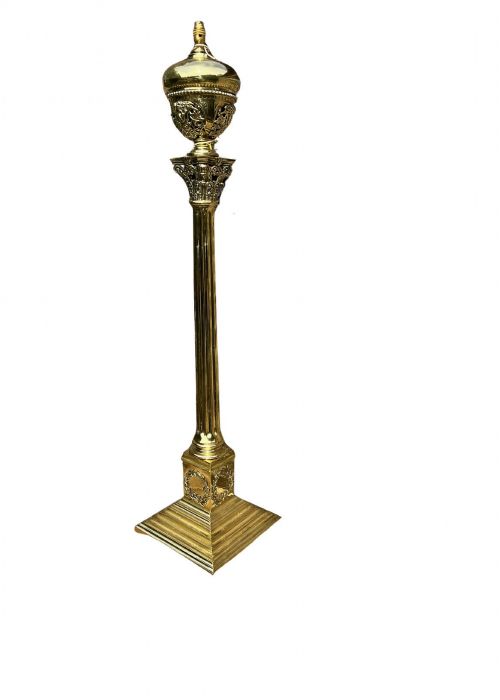
Construction relies heavily on cast and turned brass, often combined with weighted bases in cast iron or wood to support tall columns and standards. Many pieces incorporate reeded shafts, floral openwork, or classical capitals.
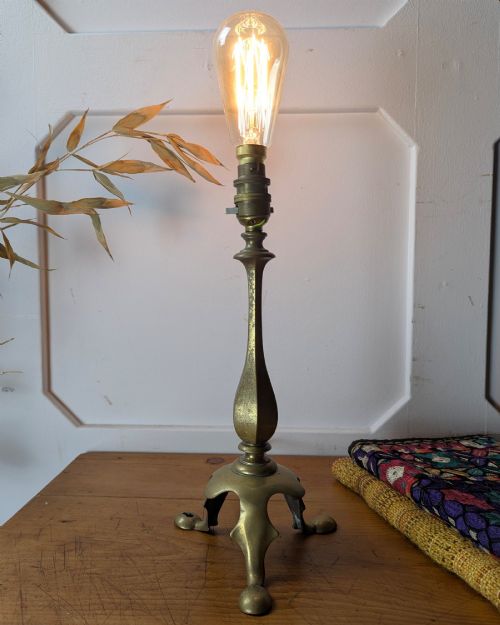
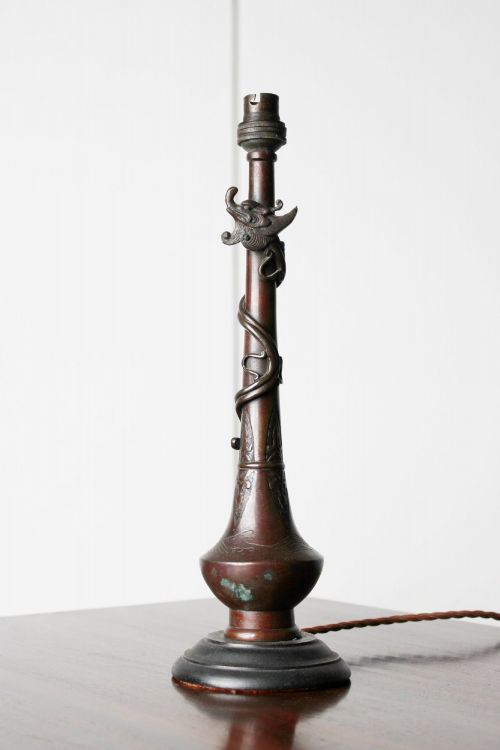
Some examples adapt earlier oil lamp mechanisms or convert antique candlesticks and vases into wired lamps, retaining the original patinated metal or silver plating.
Traditional Brass Lamp Base Retail Price Guide 2026
Typical asking prices for traditional brass lamp base among the pieces listed under this phrase on Sellingantiques today, from the lower quarter to the upper quarter. They describe what is for sale here now, not the wider market.
Listings feature brass, oak, ceramic and marble materials across Victorian, Edwardian and 1920s periods.
Distinctions in craftsmanship and form
Quality shows in the crispness of the casting, particularly on Corinthian capitals, foliage and stepped plinths. Heavier gauge brass and solid construction distinguish standard pieces from lighter alternatives.
Proportion and height dictate presence, with taller standard lamps and column bases requiring balanced weights to stand securely without tipping.
Faraday and Sons
The Traditional Brass Lamp Base Glossary
- Corinthian column
- A classical architectural column style featuring ornate acanthus leaves on the capital, frequently used for tall table lamps.
- Standard lamp
- A tall floor-standing lamp base designed to illuminate a room from a standing position rather than a table surface.
- Oil lamp conversion
- A period lighting reservoir and burner that has been adapted to hold an electrical fitting for modern bulb use.
- Patinated brass
- Metal surfaces showing a natural, aged oxidation or darkening built up over decades of exposure and handling.
- Reeded column
- A cylindrical shaft carved or cast with parallel convex ridges running vertically along the length of the pillar.
Traditional Brass Lamp Base: Frequently Asked Questions
How do I date a brass lamp base?
Dating relies on stylistic clues like Victorian classical revival columns, Edwardian proportions, and wiring methods. Examining the casting marks and construction screws also helps pinpoint the manufacturing era.
Heavier cast bases often point to nineteenth-century production, whilst early twentieth-century examples lean towards simpler neoclassical or baluster silhouettes.
Can these lamps be used safely today?
Most antique lamps require professional rewiring to meet current electrical safety standards. Many surviving pieces have already been updated with modern flex and plugs.
A qualified electrician can easily check the internal wiring and ensure the brass body is properly earthed.
Were all of these originally electric?
Numerous tall examples started life as oil lamps or fluid burners before being converted for electric bulbs. Others began as decorative candlesticks or architectural columns adapted later in their working lives.
These conversions preserve the original patinated metalwork while accommodating modern domestic lighting needs.
Where should I place a standard lamp?
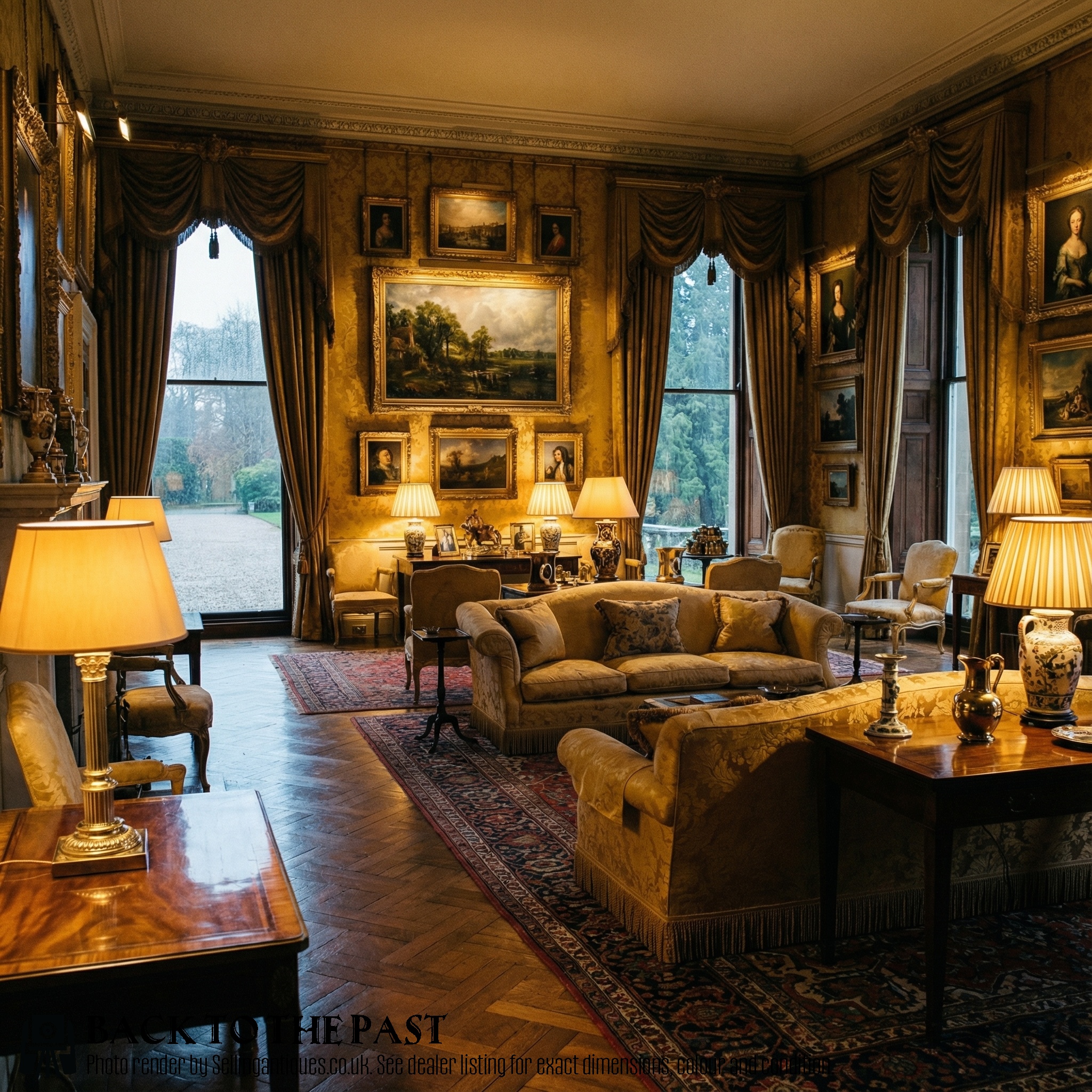
Floor-standing standards suit corners of sitting rooms, reading nooks, or beside armchairs where they cast downward light without crowding a table. Their height makes them ideal for filling vertical space.
Pairing them with an appropriate fabric shade balances the heavy metal base and diffuses the light.