





Traditional Brass Fender
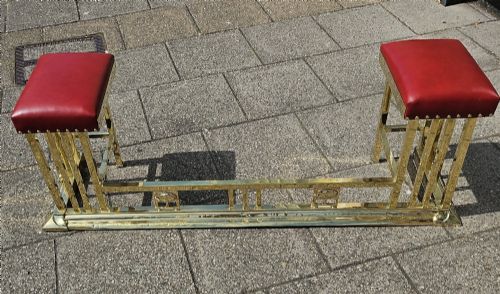
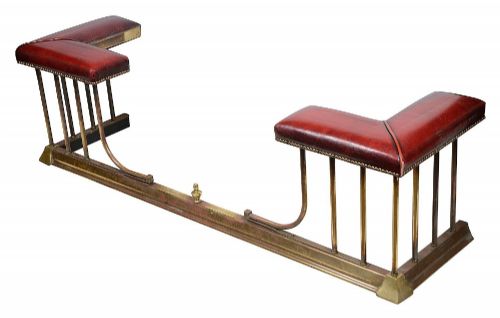
A traditional brass fender anchors the hearth, combining polished metal and leather seating to define the fireplace.
Traditional Brass Fender
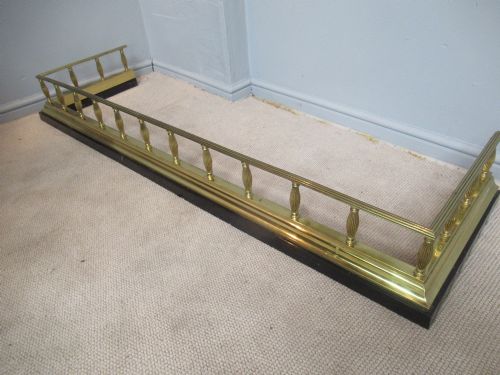
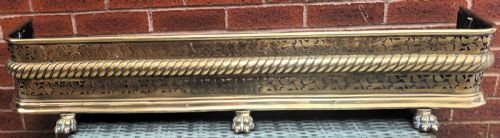
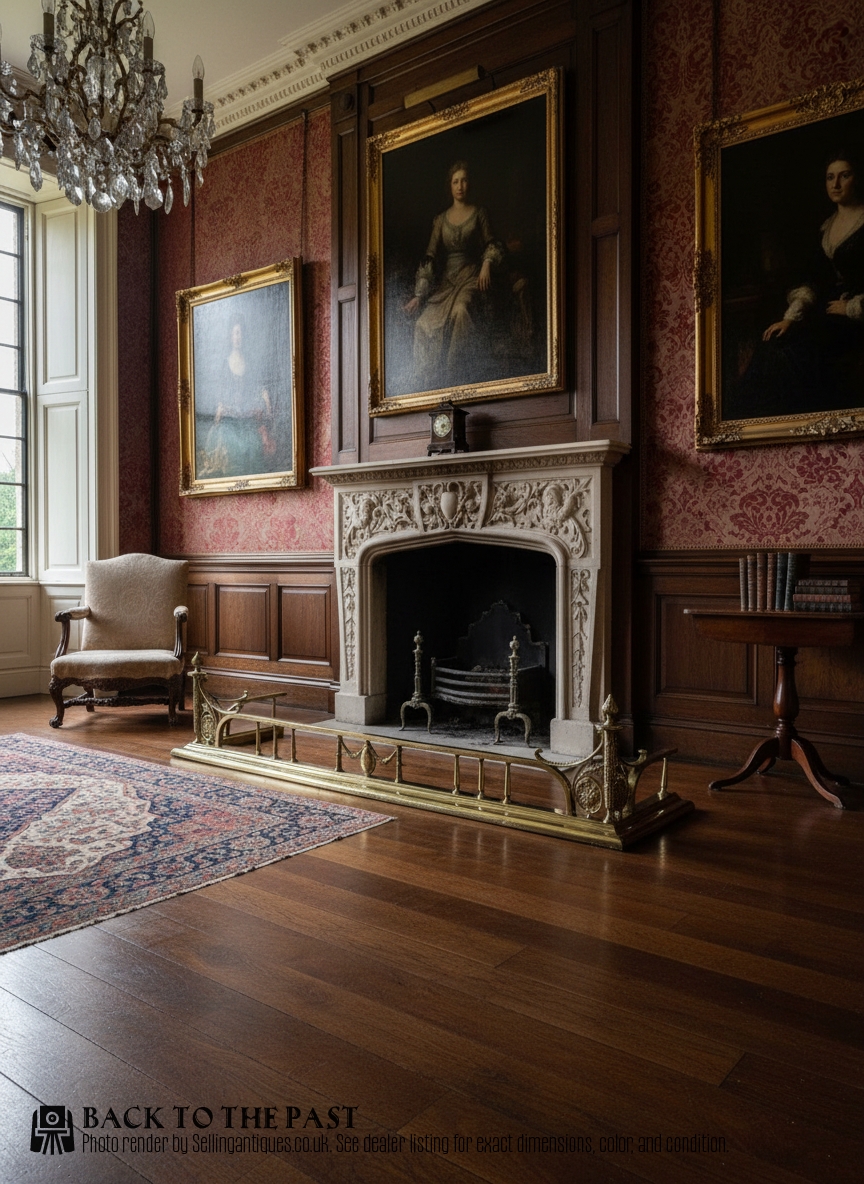
A traditional brass fender forms a decorative and protective border around the hearth, separating the fire from the room. These pieces range from simple low curbs to substantial club fenders featuring upholstered corner seats.
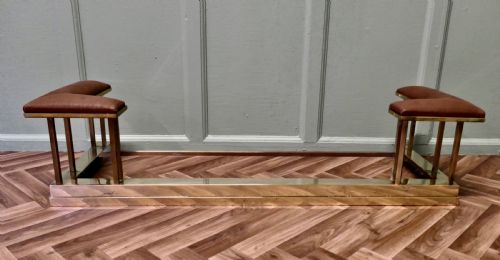
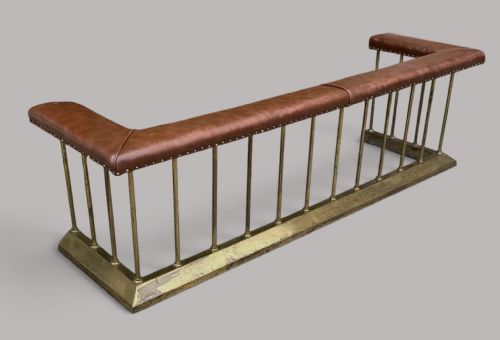
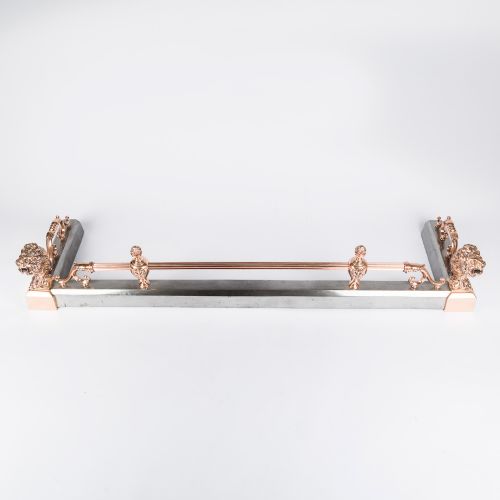
Victorian and Edwardian examples dominate the selection, spanning polished brass, wirework, and combinations with iron, steel, and copper. The club fender variant with leather upholstery provides seating directly by the fire.
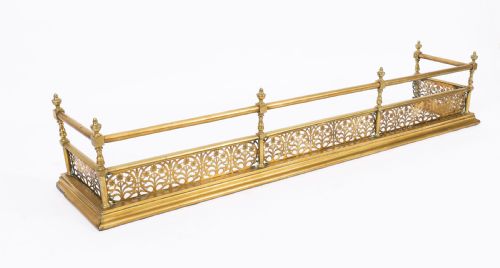
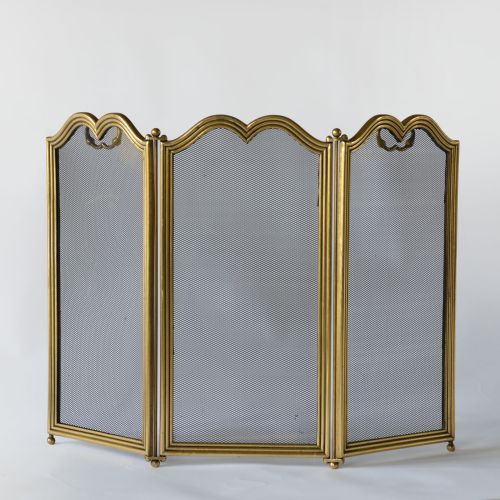
The form adapts to various domestic settings, from English country houses to formal drawing rooms. Buyers encounter everything from pierced sheet brass curbs to large nursery guards and folding spark screens.
How they were made
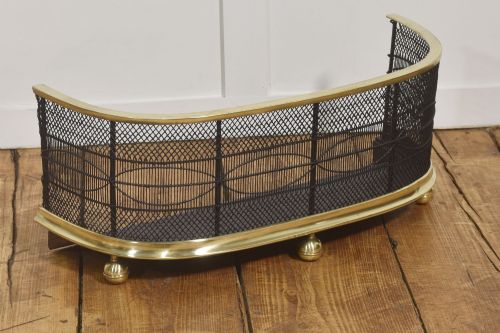
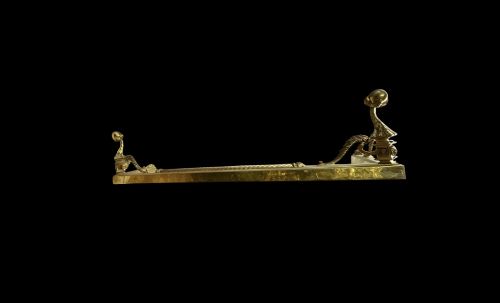
Craftsmen utilised sheet and cast brass, frequently combining polished brass with structural iron, steel, or copper elements. Pierced sheet metal work created intricate ornamental patterns along the kerb.
Upholstered versions incorporated leather seats, including mature tan and green hide, often styled with buttoning reminiscent of Chesterfield furniture. Wire mesh and wirework featured heavily in nursery guards and folding spark screens.
Some nineteenth-century nursery fenders thoughtfully included built-in clothes rails for warming garments by the fire.
What varies in quality
The substance of the metalwork distinguishes standard production from heavier, more substantial examples. Gauge thickness in the brass and the solidity of the underlying iron or steel frame dictate longevity.
Refinement in decorative detailing, such as finely pierced brass patterns or cast ornamentation like lions, separates ordinary kerbs from exceptional period pieces. The quality of the leather upholstery and its integration into club fender seats also mark the tier of craftsmanship.
The Traditional Brass Fender Glossary
- Club fender
- A fireplace fender featuring low upholstered seats on either side, originally designed for social gathering around the hearth.
- Nursery fender
- An tall protective guard, often constructed from wire mesh, designed to keep children and stray embers safely away from the fire.
- Pierced brass
- Sheet brass that has been perforated or cut through to create decorative geometric or floral patterns.
- Spark guard
- A folding screen made of wire mesh or wirework intended to catch flying embers from an open fire.
Traditional Brass Fender: Frequently Asked Questions
What is a club fender?
A club fender is a hearth surround fitted with padded leather seats on top, allowing people to sit close to the fire. They became popular in country houses for social warmth.
These pieces combine metal frameworks of brass, steel, or iron with upholstered leather tops in shades like tan and green.
How do I choose the right size?
Measure the width and depth of your fireplace hearth precisely to ensure the fender sits correctly around the opening. Allow clearance for fire irons and hearth accessories.
Consider whether you want a low decorative kerb or a larger club fender that extends into the room for seating.
How do I clean polished brass?
Polished brass requires gentle cleaning with a soft cloth to maintain its brightness without removing the historic patina. Avoid abrasive chemicals that can damage the surface.
Regular dusting keeps the metal gleaming, while occasional specialist brass cleaner addresses tarnishing on solid sections.
What is the difference between a fender and a guard?
A standard fender forms a low protective kerb around the hearth base to contain ash and embers. It often includes decorative pierced brass or solid metal bars.
A guard or nursery fender stands much taller, frequently incorporating wire mesh or folding panels to create a physical barrier against open flames.