



Traditional Boat Oil Painting
A traditional boat oil painting captures maritime labour and coastal architecture on canvas, offering a direct view into nineteenth and twentieth-century waters.
Traditional Boat Oil Painting
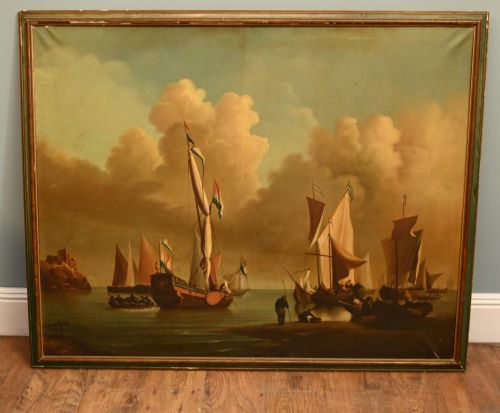
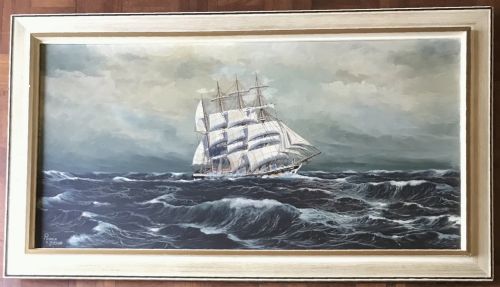
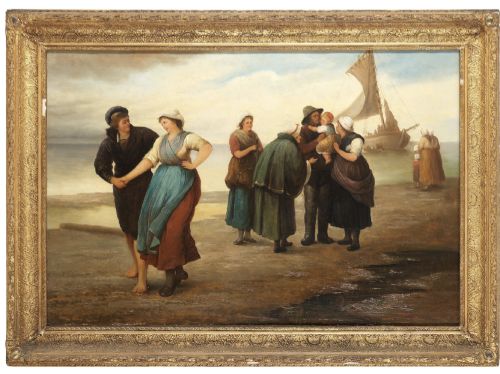
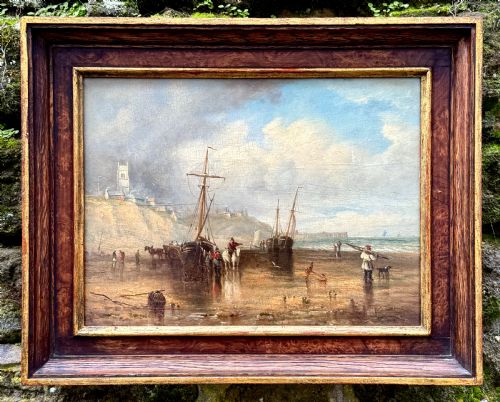
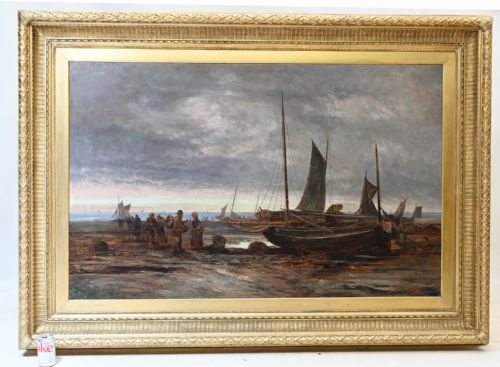
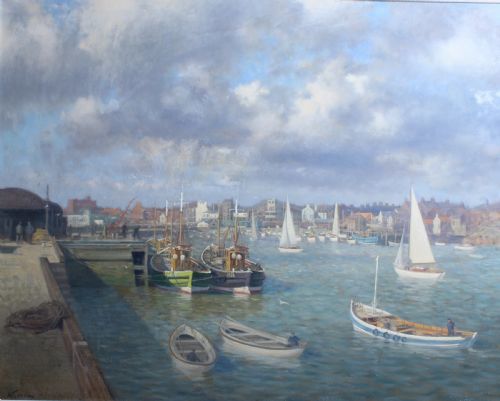
A traditional boat oil painting depicts maritime life, featuring harbour scenes, fishing trawlers, and coastal shipping. These works range from small oil on board studies to large canvas compositions showing vessels in choppy seas or quiet estuaries.
The pieces on this page span several periods, originating primarily from the nineteenth century alongside later works from the early and mid-twentieth century. Subjects include specific locations such as Brixham, Peel Harbour, and foreign ports like Cannes.
Buyers encounter distinct styles within this category, moving from Victorian realism and marine art to impressionist coastal landscapes. Many pieces record specific vessels, naval schooners, or local fishing craft at rest and under sail.
How they were made
Painters applied oil pigments onto stretched canvas or wooden board supports, often layering tones to build depth in water and sky. These mediums allowed artists to manipulate light across sea surfaces and create subtle atmospheric effects.
Many works retain their period framing, utilising giltwood or gilded wood moulding that complements the maritime subject matter. Hand-carved or composition frames help secure the panel and define the visual boundary of the coastal scene.
The listings combine nineteenth century realism with twentieth century impressionist treatments of coastal water.
What varies in quality
Technical execution of water and rigging separates accomplished marine works from simpler decorative pieces. Strong handling of light, shadow, and atmospheric perspective gives the painted sea a convincing sense of movement and weight.
Attribution and signature documentation influence the standing of an individual canvas. Works bearing clear signatures by known nineteenth and twentieth-century painters carry stronger archival records regarding their coastal subjects.
Thomas Creswick·William Edward Webb·George SHAW·Hendrik Willebrord Jansen·Benjamin Williams Leader·Frederick Waters Watts·George Henry Knight·John Callow·Paul H Ellis·Edward Henry Holder·Hubert Thornley·Owen Bowen·Micheal Matthews·Pieter Cornelis Dommersen·Alfred Montague
The Traditional Boat Oil Painting Glossary
- Oil on Canvas
- Pigment mixed with drying oil applied to a woven fabric support. This combination provides a flexible and durable surface that holds rich colour.
- Oil on Board
- Pigment applied to a rigid wooden panel or stiff board rather than fabric. Artists frequently used this method for smaller plein air studies.
- Giltwood
- Wood carved and coated with a thin layer of gold leaf or metallic powder. Frames made this way protect the perimeter of the painting.
- Marine Art
- Artistic representation of maritime subjects, ships, and the sea. This genre encompasses historical naval actions as well as quiet harbour views.
Traditional Boat Oil Painting: Frequently Asked Questions
What subjects appear in these paintings?
These works primarily depict coastal scenes, working fishing boats, merchant shipping, and harbours across Britain and Europe.
Artists also recorded specific landmarks, lighthouses, and estuaries under varying weather conditions and times of day.
How do I identify the period?
Period indicators include canvas preparation, framing style, costume details of figures on the shore, and the type of vessel depicted.
Signatures, artist records, and inscriptions on the reverse of the canvas or board often provide specific dates.
Where should I hang a marine painting?
These pieces suit rooms with stable humidity away from direct sunlight to protect the oil paint and giltwood frame.
Larger canvases require sturdy wall fixings, while smaller board paintings fit easily into domestic gallery arrangements.
Are these works signed by the artist?
Many listings feature signatures or initials from the painter, though some historical works remain unattributed.
Attributions rely on stylistic comparison, historical records, and occasionally old gallery labels attached to the frame.