




Traditional Asian Textile Art
Traditional asian textile art brings together embroidered wall hangings, woven panels and ceremonial coats carrying the distinctive visual heritage of Central Asia and the wider continent.
Traditional Asian Textile Art
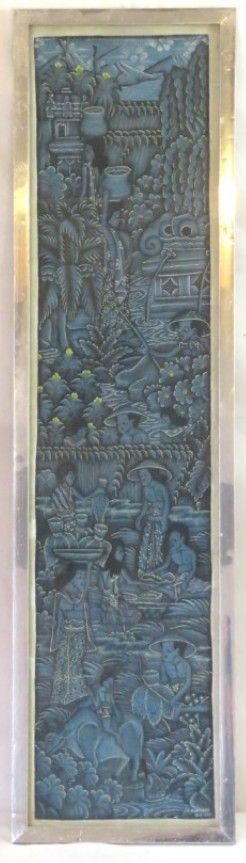
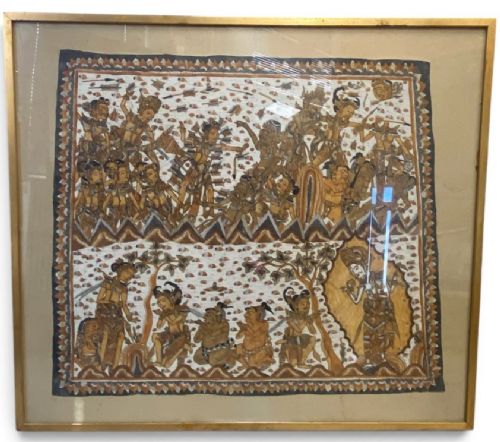
Traditional asian textile art encompasses embroidered wall hangings, woven panels, and ceremonial garments originating from Central Asia, Indonesia, and Burma.
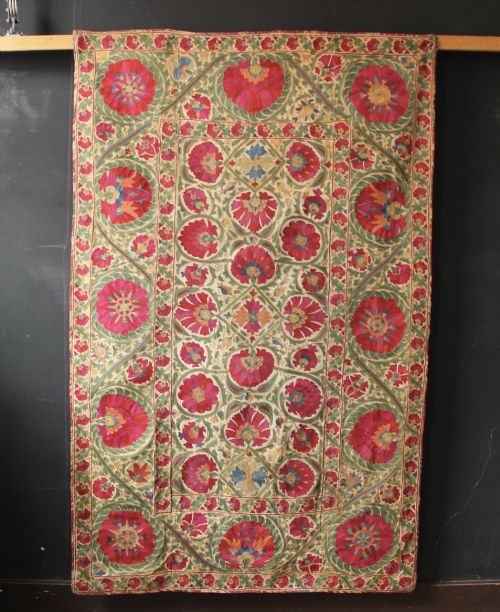
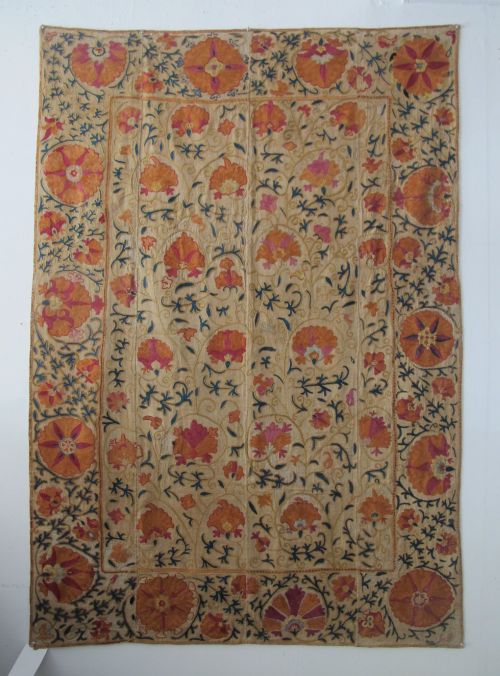
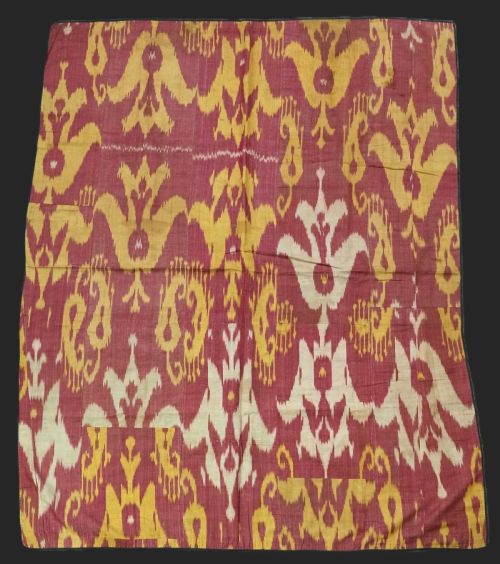
Buyers browsing this selection will frequently encounter embroidered suzani panels from Uzbekistan, tribal asmalyk and chuval weavings from Turkmenistan, and ikat coats.
The objects span periods from the nineteenth century into the early twentieth century, reflecting diverse regional techniques and decorative traditions.
Materials and construction methods
Maker communities utilised natural fibres such as silk, cotton, wool, and velvet, often embellishing the textiles with detailed embroidery using natural dyes.
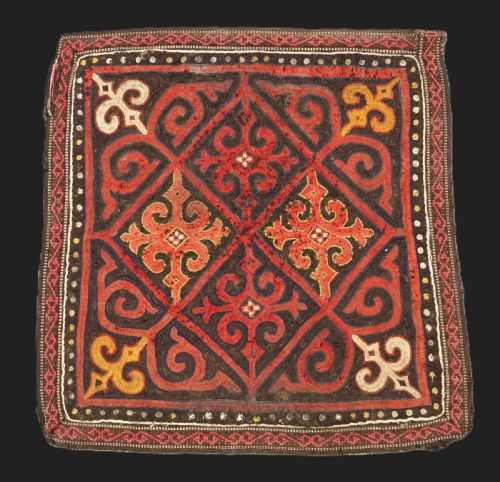
Specialised techniques include complex ikat resist dyeing on silk and cotton grounds, alongside felt construction and watercolour painting on fabric.
Items such as ceremonial coats and winter garments were frequently quilted and padded for structure and practical use.
Several nomadic items retain horse hair tassels attached directly to felt covers, offering a tangible link to traditional steppe life.
Distinctions in quality and execution
The standard of a piece depends on the density of the embroidery work and the complexity of the design, such as full-work suzanis versus simpler layouts.
The vibrancy and retention of natural dyes across silk and cotton grounds influence the visual impact of each hanging or garment.
Condition and completeness, particularly regarding historical embroidery threads, felt panels, and structural padding, differentiate exemplary pieces.
The Traditional Asian Textile Art Glossary
- Suzani
- An embroidered textile panel originating from Uzbekistan and Tajikistan, traditionally worked in silk on a cotton or linen ground with dense floral motifs.
- Ikat
- A dyeing technique where yarns are resist-dyed prior to weaving, producing characteristic blurred pattern edges across panels and coats.
- Asmalyk
- A pentagonal trapeze-shaped camel-flank trapping produced by Turkmen tribes, often featuring geometric gul motifs.
- Chuval
- A large storage bag face woven by Turkmen tribes, frequently repurposed as decorative wall art due to its detailed guls.
- Okbash
- A decorative cover designed to fit over the top of a yurt pole, commonly made by Kyrgyz or Yomut weavers using felt and wool.
Traditional Asian Textile Art: Frequently Asked Questions
How were suzanis used originally?
Suzanis were traditionally created by brides as part of their dowry, serving as wall hangings, bed covers, or decorative wraps in Central Asian homes.
Over time, these embroidered panels became central elements of domestic interiors and ceremonial displays.
How do I hang a textile panel?
Large textile panels and wall hangings require careful mounting to distribute their weight evenly across the fabric and backing.
Conservation-grade methods, such as non-invasive Velcro sleeves or custom backing frames, protect fragile silk and cotton fibres from stress.
How can I tell Turkmen tribes apart?
Turkmen tribal weavings are distinguished by their specific primary motifs, known as guls, and distinct colour palettes used by groups such as the Yomut and Teke.
Structural details, border patterns, and weaving formats further identify the specific regional origins within Central Asia.